


Antique Style Chest on Stand
An antique style chest on stand elevates storage onto a raised frame, bringing practical depth and decorative presence to a room.
Antique Style Chest on Stand
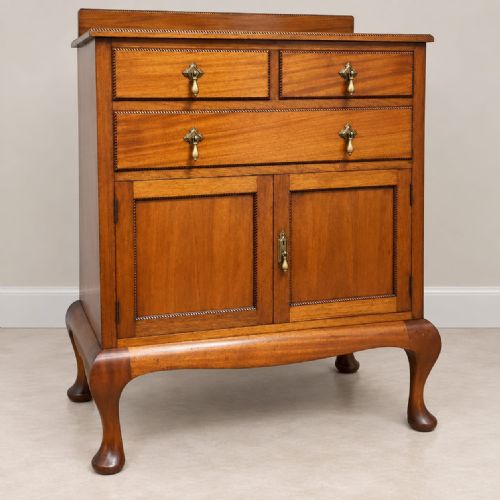
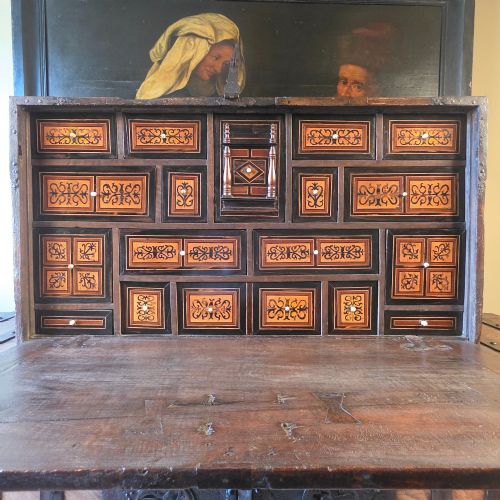
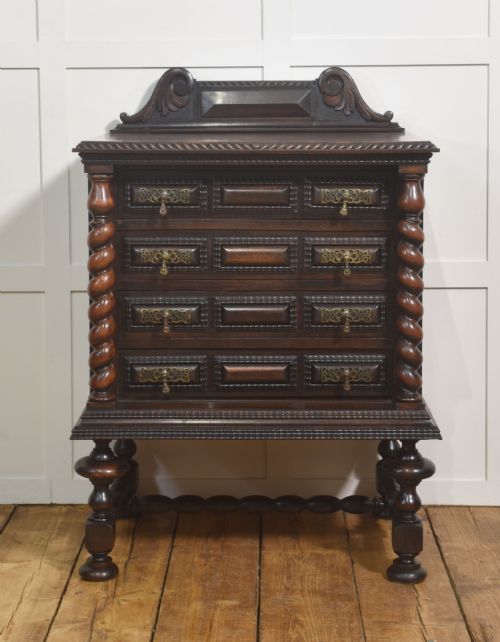
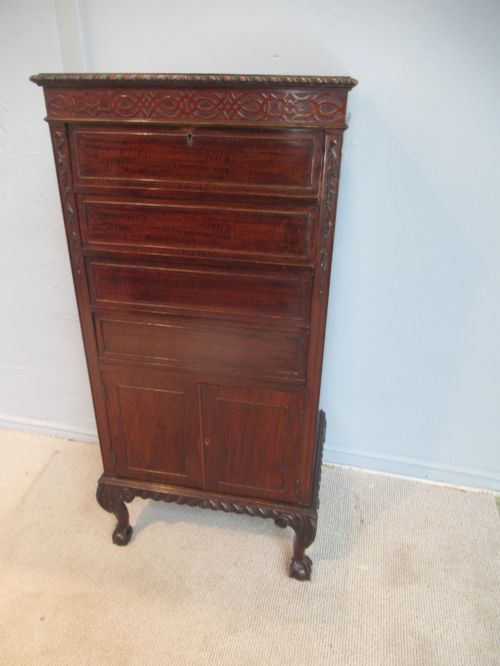
An antique style chest on stand combines a compartment or set of drawers with a supporting base, ranging from compact cabinet forms to taller proportions. These pieces appear across diverse eras, from seventeenth-century oak creations to twentieth-century revivals.
The versions most commonly met on this page adopt walnut, mahogany or oak timbers, often channeling Queen Anne, Georgian or Jacobean aesthetics. Makers constructed these items to hold valuables, linen or documents while displaying sophisticated cabinetwork on elevated legs.
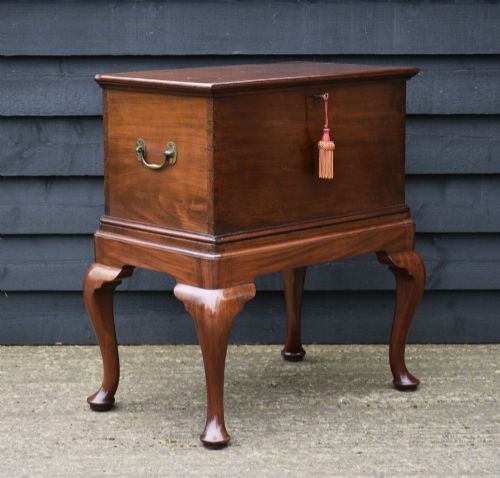
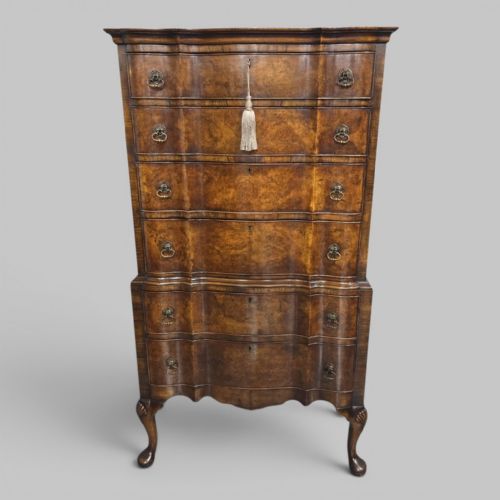
Distinctions emerge between lower box-like stands supporting coffers and taller arrangements featuring multiple drawers. Each variation serves a distinct spatial function, whether acting as a bedside unit or a prominent hall centrepiece.
Materials and Technique
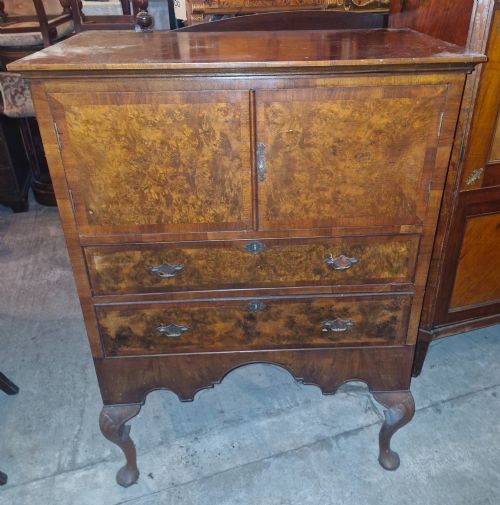
Craftsmen utilised sturdy foundational timbers like oak and mahogany, frequently applying burr walnut or kingwood veneers to principal surfaces. These figured veneers create patterned grain effects across drawer fronts and cabinet doors.
Decorative surface treatments include red or black lacquer, japanning and intricate parquetry or line inlay. Brass drop handles and escutcheons secure the operational elements while adding metallic contrast to the timber.
Some miniature versions exist, proving that past craftsmen enjoyed making tiny storage for very important small things.
Design and Execution
Superior examples display balanced proportions between the upper chest and the supporting stand, with leg turns or cabriole shaping that complement the corpus above. Finer pieces incorporate well-figured timber selections such as burr walnut or figured mahogany that match across multiple drawer tiers.
The precision of the joinery and the integrity of the original hardware distinguish standard production from exceptional craftsmanship. Subtle details like hand-cut dovetailing and crisp carving on the stand elevate the overall execution.
Walker & Hall·Muirhead Moffat & Co
The Antique Style Chest on Stand Glossary
- Chest on stand
- A storage compartment or set of drawers elevated on legs or a frame. This configuration separates the main body from the floor to ease access and lighten the visual weight.
- Tallboy
- A tall chest of drawers, often constructed in two sections with a lower chest beneath an upper chest. This form maximises vertical storage capacity.
- Parquetry
- Geometric mosaic woodwork formed by small veneer pieces fitted together. This technique creates patterned surfaces on cabinet doors and tabletops.
- Bible box
- A small sloped-lid box designed to hold sacred texts, frequently mounted on a separate stand for reading. These pieces date from earlier centuries.
- Cabriole leg
- A furniture leg featuring a double curve, bulging outward at the top and tapering inward toward the foot. This shape derives from classical animal forms.
Antique Style Chest on Stand: Frequently Asked Questions
What is an antique style chest on stand?
An antique style chest on stand is a raised storage unit comprising a drawer section or cabinet supported by legs or a frame. These pieces combine utility with decorative stands.
They draw inspiration from seventeenth, eighteenth and nineteenth-century designs, offering varied proportions to suit modern interiors.
How were these chests used historically?
Historically, these units served to store valuables, linens, documents or personal effects securely off the ground. The elevated height protected contents from damp floors.
Over time, smaller versions transitioned into bedside tables, collectors' cabinets or folio storage units within grand residences.
Where should I place a chest on stand?
These pieces suit living rooms, hallways or bedrooms where vertical wall space benefits from a sculptural furniture form. Their elevated legs maintain an airy feel in smaller rooms.
Bedside variants accommodate lamps and nighttime essentials, while larger cabinet versions anchor a corner or focal wall.
How do I identify the period of a chest?
Period identification relies on observing timber choices, construction techniques, hardware styles and decorative motifs. For instance, walnut and lacquer often point to early eighteenth-century influences.
Revival pieces from the twentieth century frequently emulate earlier Georgian or Jacobean aesthetics while retaining later construction markers.