

George I Style Furniture
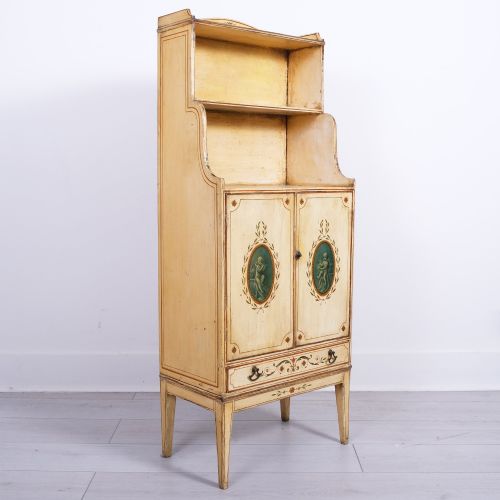
George i style furniture encompasses walnut and mahogany pieces made from the eighteenth century onwards that replicate early eighteenth-century English forms.
George I Style Furniture
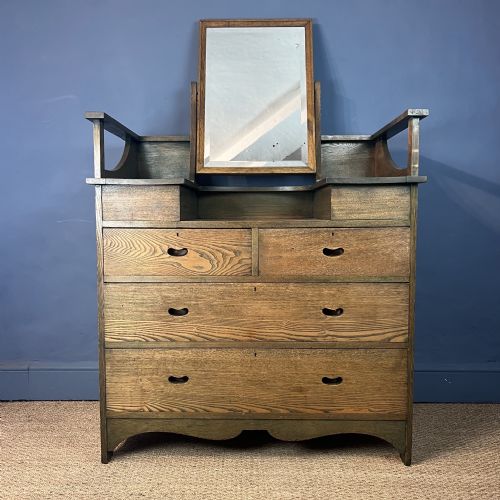
When buyers search for george i style furniture, they encounter items built during the eighteenth, nineteenth, and early twentieth centuries that emulate the aesthetics of the early seventeen-hundreds. The pieces on this page span from actual eighteenth-century walnut items to nineteen-twenties revivals constructed in mahogany and oak.
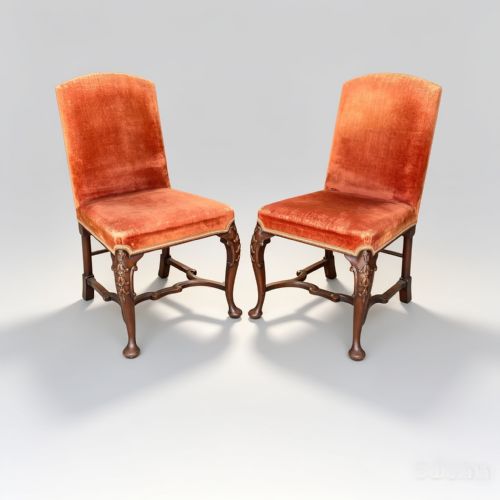
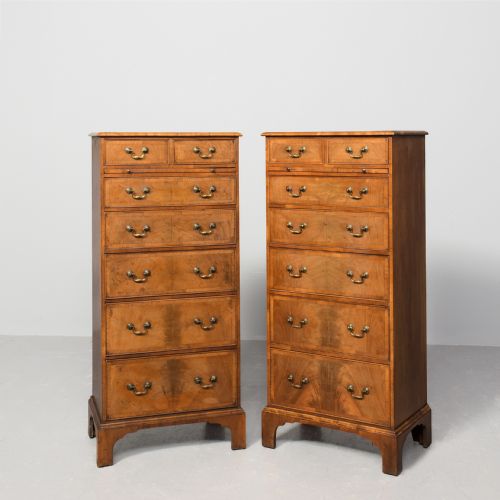
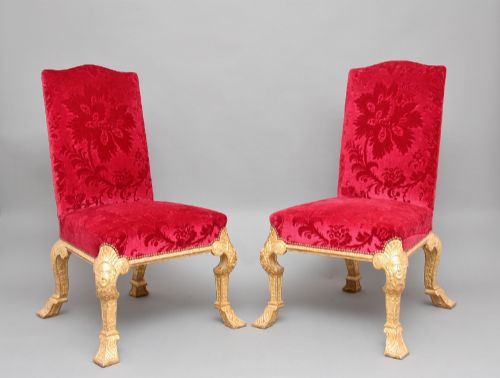
The physical forms include chests of drawers, side tables, side chairs, and cabinets. Walnut is the primary wood associated with this aesthetic, appearing alongside mahogany and oak in both original and revival pieces.
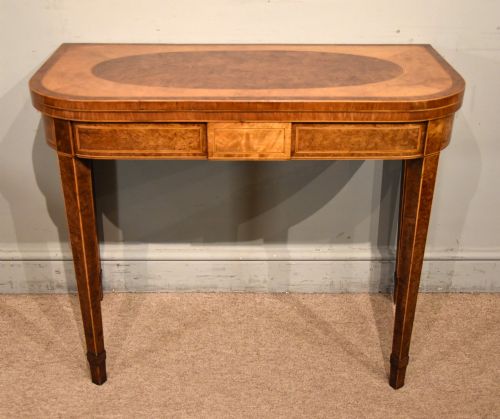
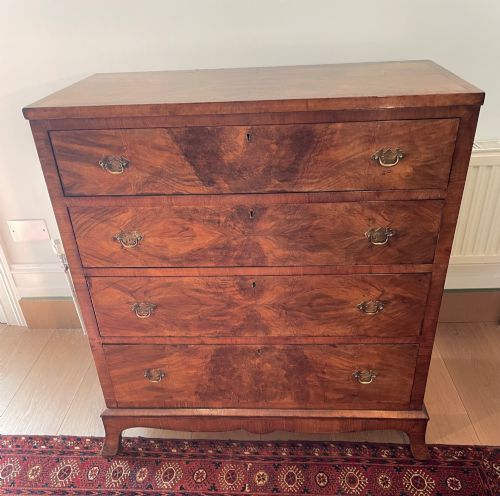
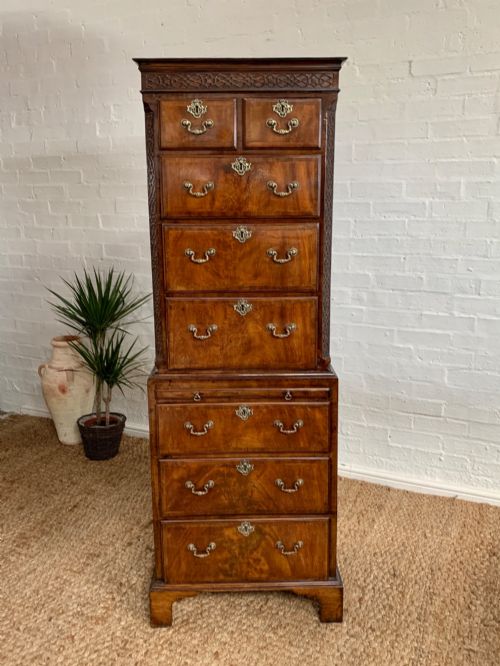
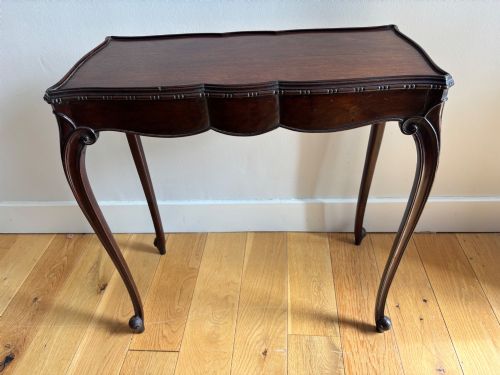
Many listings show classic early eighteenth-century proportions, characterised by clean lines, figured veneers, and cabriole legs. Buyers find both antique walnut chests and later revival interpretations sharing these traditional silhouettes.
How george i style furniture was made
Cabinetmakers utilised solid timbers and applied veneers over secondary woods, selecting walnut, mahogany, and oak for structural stability and surface figure. Craftsmen employed brass hardware such as handles and escutcheons to complement the dark grain of the timber.
Joinery methods included dovetailing for drawer construction and mortise and tenon joints for frames and seating. Surfaces received polish or wax finishes to highlight the natural patterns in the wood.
Listings incorporate items spanning eight distinct periods, from eighteenth-century originals to twentieth-century revivals.
What varies in quality
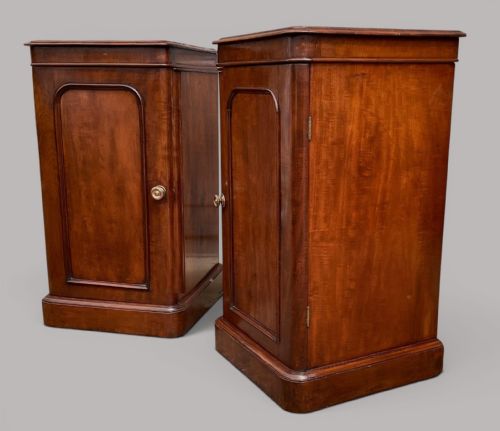
The degree of fidelity in the timber selection and veneer matching dictates the standard of each piece. Finer examples display carefully chosen grain patterns across drawer fronts and tabletops, while simpler items utilise plain boards.
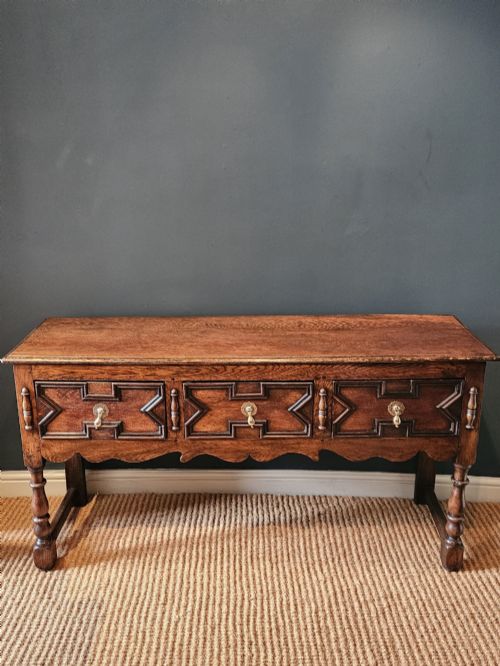
Carved details on legs and frames demonstrate the hand of the maker, ranging from crisp, deep execution to softer, more mechanical shaping in later revival items. The weight and finish of the brass hardware also indicate the standard of production.
George Bullock·Gillows·Holland and Sons·George Walton
The George I Style Furniture Glossary
- Cabriole leg
- A furniture leg that curves outward at the knee and tapers inward toward the ankle, ending in a pad or claw foot. This form became prominent during the early eighteenth century.
- Walnut veneer
- Thin slices of walnut timber applied to a secondary wood carcass to create decorative surface patterns. It is frequently seen on walnut chests and tables from various periods.
- Lowboy
- A small dressing table or side table featuring a low profile with drawers beneath the work surface. These pieces often stand on cabriole legs.
- Kneehole
- A desk or dressing chest featuring a recessed central space for the user's legs, flanked by banks of small drawers. This configuration appears on walnut and mahogany dressing chests.
George I Style Furniture: Frequently Asked Questions
What defines george i style furniture?
George i style furniture refers to items designed to replicate the architectural simplicity and walnut finishes popular during the reign of King George the First. The aesthetic prioritises clean proportions over heavy carving.
Pieces often feature cabriole legs, figured wood veneers, and brass drawer furniture. The category includes walnut chests, side chairs, and tables produced in the eighteenth century and subsequent revival periods.
Are these pieces from the eighteenth century?
The selection includes items manufactured in the eighteenth century alongside revival pieces made during the nineteenth and twentieth centuries. Each listing records the specific period of origin.
Buyers can differentiate original period items from later revivals by examining the construction methods, secondary timbers, and wear patterns. Both categories reproduce the characteristic forms of the era.
How do I maintain walnut surfaces?
Walnut furniture benefits from regular dusting with a soft, dry cloth and occasional treatment with traditional beeswax. Avoiding direct sunlight prevents the timber from fading over time.
Keeping the items away from extreme temperature fluctuations protects the wood and veneer from splitting or lifting. Proper humidity levels help preserve the finish.
Where were these pieces used historically?
Walnut and mahogany furniture served practical functions in domestic interiors, including bedrooms, parlours, and hallways. Chests provided storage for textiles, while tables supported daily household tasks.
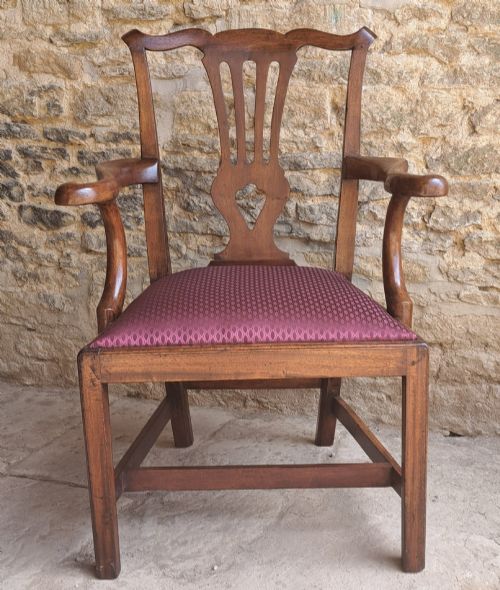
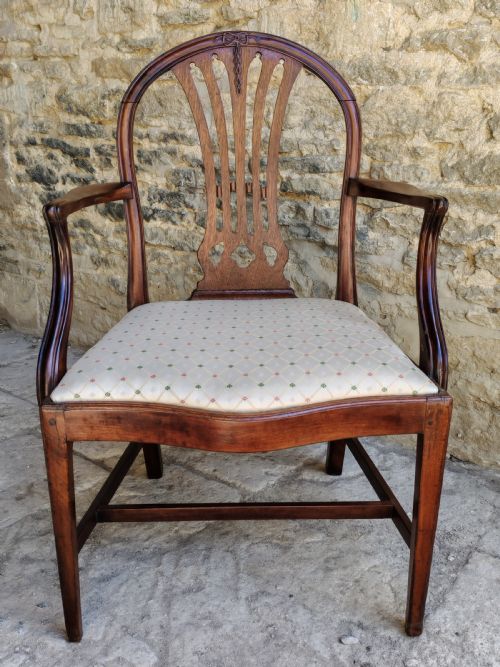
Seating items such as side chairs and armchairs furnished formal rooms and dining spaces. Their modest proportions suited the scaled domestic architecture of the period.