

White Tin Glazed Plate
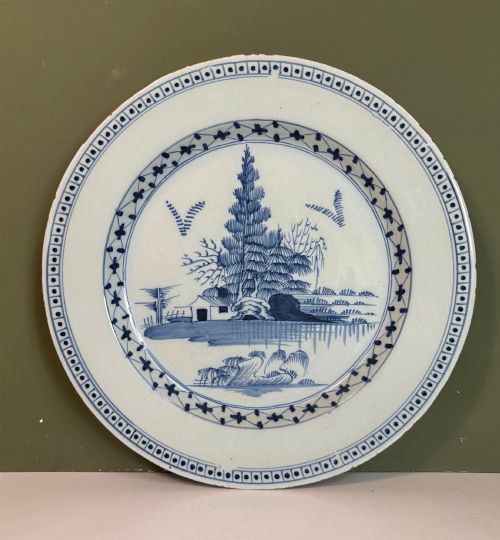
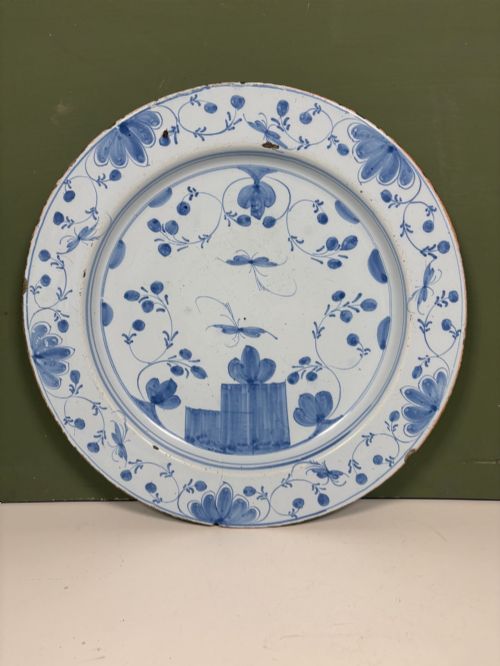
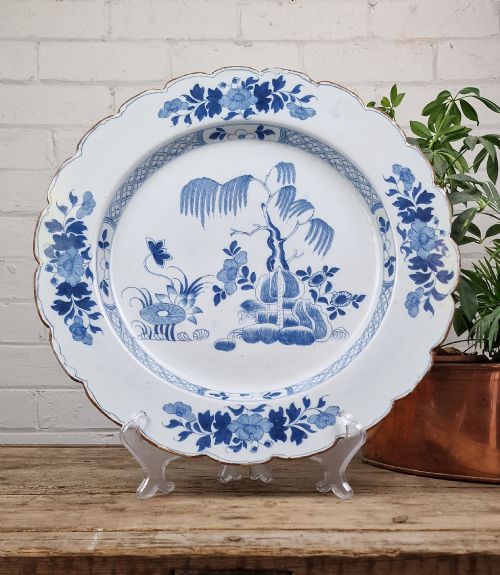
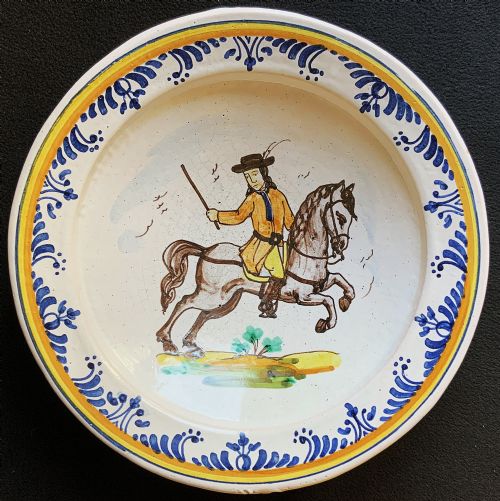
A white tin glazed plate brings centuries of tin-glazed earthenware and faience into a room, offering collectors bold blue and white or polychrome painted surfaces.

White Tin Glazed Plate
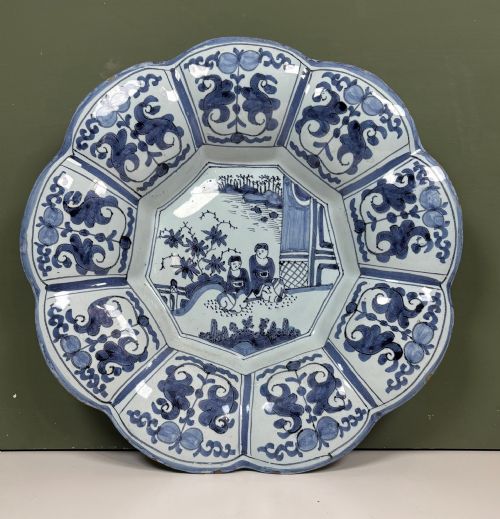
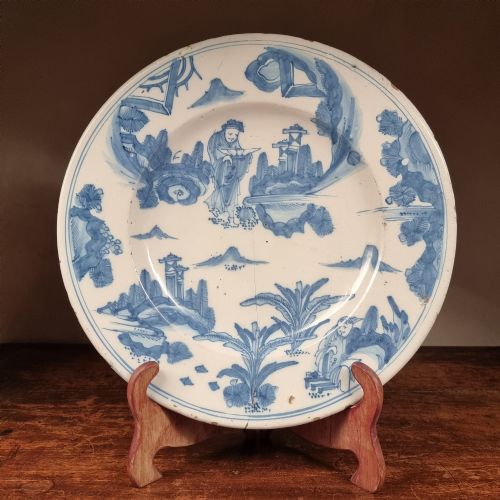
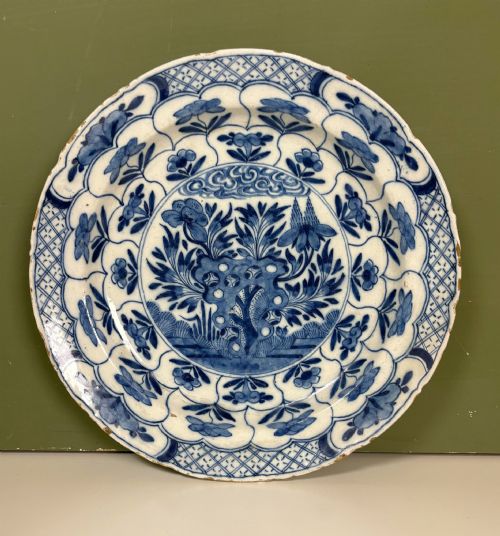
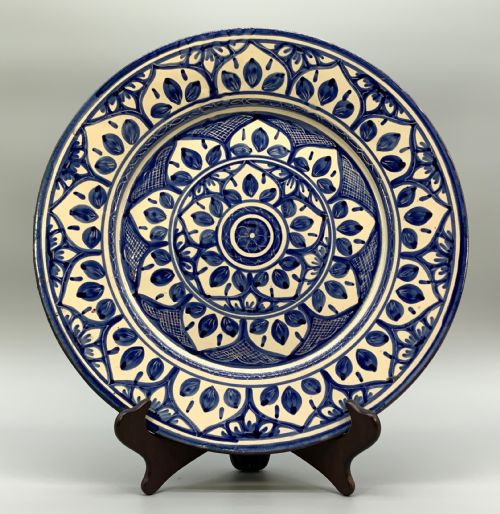
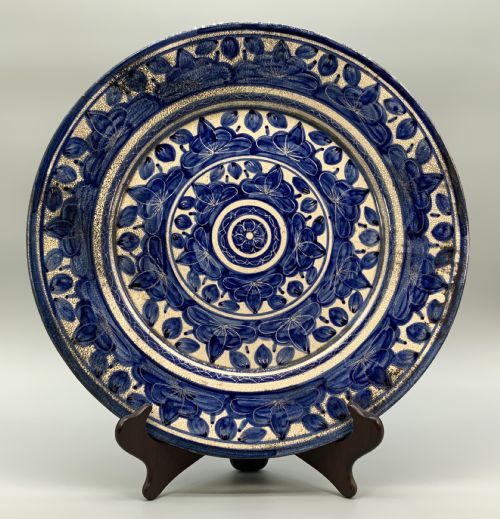
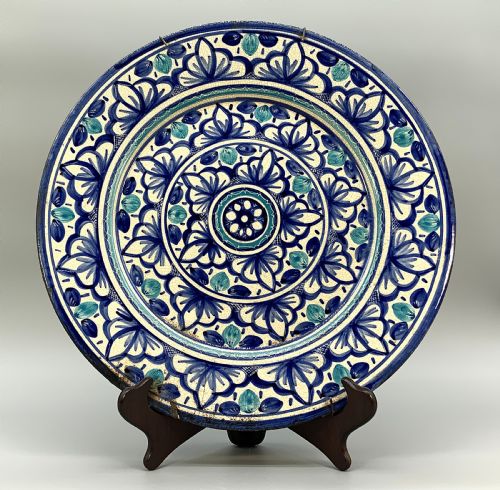
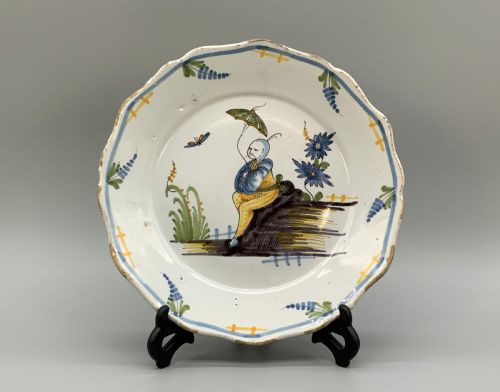
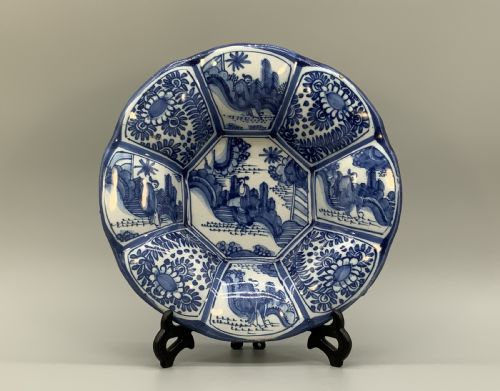
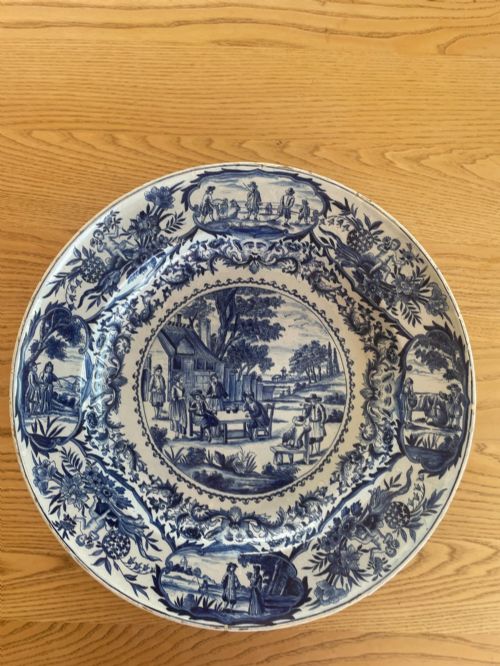
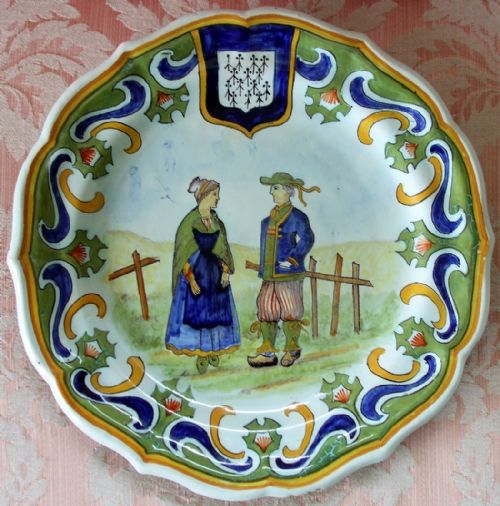
When searching for a white tin glazed plate, buyers encounter historical ceramics spanning from the seventeenth century through to the twentieth century, originating from English, Dutch, French, Spanish, and continental potteries. The selections on this page consist primarily of decorative plates, chargers, dishes, and shallow bowls created in styles ranging from Dutch Delftware and Kraak to Moorish Revival and Georgian Chinoiserie.
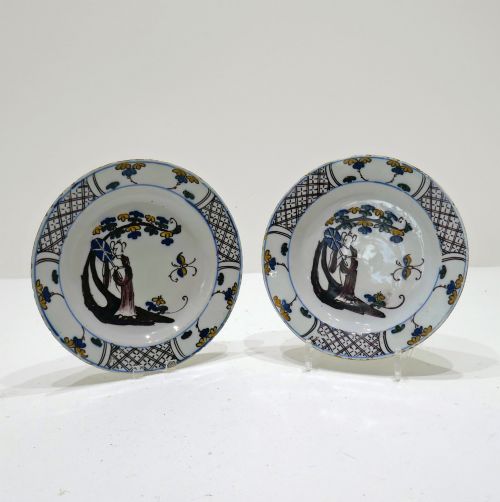
The larger examples, often designated as chargers or platters, display generous surface areas originally intended for display on sideboards or walls rather than daily dining. Smaller domestic plates and pairs of dishes demonstrate similar tin glaze techniques, appearing in both plain blue and white schemes and multi-coloured polychrome palettes.
How they were made
Potters constructed these pieces using earthenware bodies coated in an opaque tin glaze that provided a smooth, milky white background for painting. Artisans applied cobalt pigment, cobalt oxide, and various coloured minerals directly onto the absorbent unfired glaze surface before a final kiln firing fixed the design.
Makers shaped these wares into plates, lobed dishes, and broad chargers, frequently incorporating hand-painted motifs inspired by traditional Chinese porcelain or local European baroque aesthetics.
Marriage plates recorded in the evidence capture historic unions, turning fragile kitchenware into permanent domestic monuments.
What varies in quality
The sophistication of the hand-painted decoration largely distinguishes the standard of an individual plate, with crisp brushwork and balanced pictorial compositions representing finer production standards. The smoothness and opacity of the tin glaze itself also differ across specimens, alongside the proportion of kiln firing imperfections present in the ceramic body.
Geographic origin and period contribute to the character of each piece, as seventeenth-century and eighteenth-century examples exhibit distinct potting weights and pigment depths compared to later revival pieces from the twentieth century.
Veuve Perrin
The White Tin Glazed Plate Glossary
- Tin-glazed earthenware
- Earthenware pottery covered with a glaze made opaque by the addition of tin oxide. This creates the characteristic white surface used as a canvas for painted decoration.
- Charger
- A large decorative plate or platter. These substantial vessels were typically displayed on walls or furniture rather than used for serving food.
- Faience
- European tin-glazed earthenware, particularly associated with French, Spanish, and Italian production. The term encompasses a wide range of decorated bowls, dishes, and plates.
- Polychrome
- Decoration utilising multiple colours. On these plates, this typically involves pigments such as manganese and yellow alongside traditional blue.
- Kraak style
- A style of Chinese porcelain decoration featuring panelled borders and central motifs, heavily imitated by European delftware makers. These designs appear frequently on seventeenth-century dishes.
White Tin Glazed Plate: Frequently Asked Questions
Were these plates used for dining?
Most large chargers and decorated plates were produced for display on walls or sideboards to impress guests. Smaller domestic examples saw occasional use at table, though their fragile tin glazes made them susceptible to chipping.
Over time, collectors shifted these pieces entirely into decorative roles, preserving the delicate painted surfaces from the wear of daily cutlery.
How do I date an old plate?
Dating relies on examining the characteristics of the earthenware body, the tone of the tin glaze, and the style of the painted motifs. Seventeenth-century pieces often display heavier potting and Kraak-influenced designs, while eighteenth-century examples show lighter bodies and refined floral or Chinoiserie patterns.
Twentieth-century items, such as Moorish Revival or regional French wares, typically reveal cleaner, more consistent ceramic bodies and modern glaze formulas upon close inspection.
What is the difference between delft and faience?
Delft specifically refers to tin-glazed earthenware produced in the Netherlands, particularly around the town of Delft, as well as the English imitations known as English delft. Faience is the broader continental term used for tin-glazed pottery made in France, Spain, and Italy.
Both terms describe the same fundamental technique of applying a white tin glaze over an earthenware base before hand-painting the surface.
How should I hang a charger safely?
Hanging a large charger requires a specialist spring-loaded plate hanger with rubber or vinyl tips to protect the delicate edges of the earthenware. Ensure the wall fixing is secure and capable of supporting the full weight of the ceramic piece.
Avoid wire-only loops that lack proper tension, as shifting humidity can cause unpadded metal to bite into the soft historic glaze.