






Polychrome Chinoiserie Plate
A polychrome chinoiserie plate brings vibrant hand-painted figures and exotic landscapes to a room, offering a striking display piece for collectors of historic ceramics.

Polychrome Chinoiserie Plate
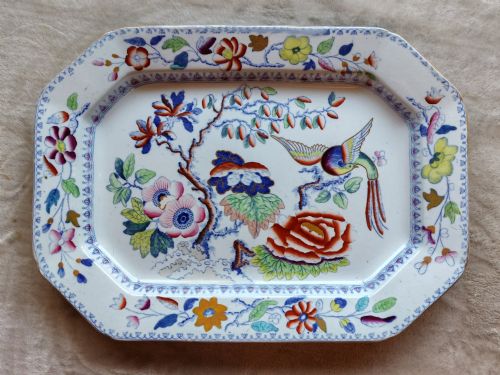
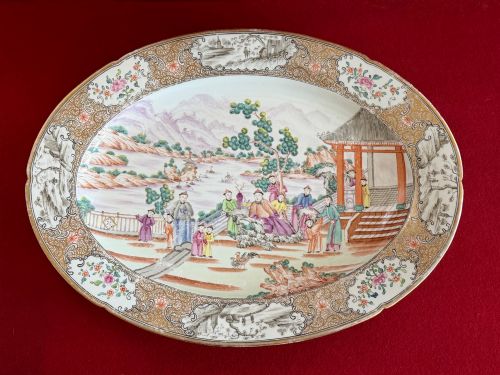
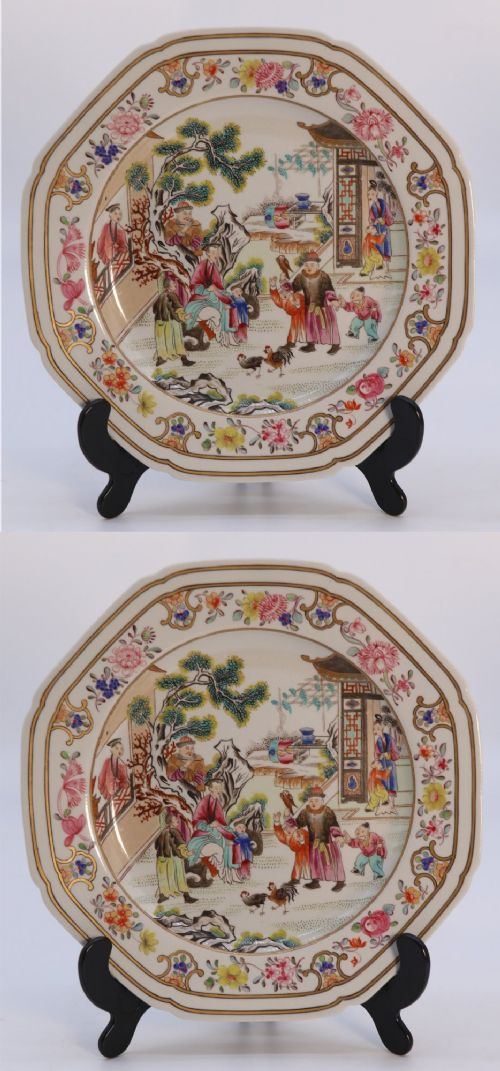
When you search for a polychrome chinoiserie plate, you encounter flat tableware and chargers decorated with imaginative Eastern-inspired scenes rendered in multiple colours. These items span periods from the mid-eighteenth century through the nineteenth century, including Georgian and Victorian eras.
The objects take forms ranging from standard cabinet plates and tea plates to large serving platters and footed cheese dishes. Most examples originate from English potteries, utilising tin glaze, earthenware, ceramic, and stone china.
Materials and construction
Potters shaped these objects from earthenware, ceramic, stone china, and ironstone before applying tin glaze or enamel surfaces. Artisans then executed hand-painted motifs using mineral colours, occasionally incorporating gold leaf highlights to accentuate the design.
Kiln firing set the pigments into the glaze, producing durable finishes across plates and platters. Workshops employed specialised moulding techniques to create octagonal profiles, rectangular platters, and heavy chargers.
Polychrome Chinoiserie Plate Retail Price Guide 2026
Typical asking prices for polychrome chinoiserie plate among the pieces listed under this phrase on Sellingantiques today, from the lower quarter to the upper quarter. They describe what is for sale here now, not the wider market.
The inventory includes diverse forms such as rectangular platters, octagonal cabinet plates, footed cheese dishes, and large chargers.
Judging the range
Quality rests upon the precision of the hand-painted brushwork and the complexity of the narrative scene depicted across the surface. Skilled execution in multi-coloured enamel work separates standard utility ware from exceptional cabinet pieces.
The choice of body material also dictates character, with dense ironstone and refined stone china offering robust structures compared to softer earthenware and tin-glazed delft bodies.
Spode Stone China·Worcester Flight Barr And Barr·John Ridgway·Masons Patent Ironstone·Davenport Stone China
The Polychrome Chinoiserie Plate Glossary
- Chinoiserie
- European artistic interpretation of Chinese and East Asian decorative styles, popular in ceramics and furniture. This aesthetic defines the fanciful landscapes, birds, and figures found on these plates.
- Delftware
- Tin-glazed earthenware produced in England and the Netherlands, characterised by an opaque white surface. Eighteenth-century examples frequently employ this technique for hand-painted polychrome decoration.
- Ironstone
- A heavy, durable type of feldspathic stoneware patented in the nineteenth century. It provided British potteries with a strong body suitable for large meat platters and heavy dinner services.
- Stone China
- A dense, vitrified ceramic body developed by English manufacturers as a robust alternative to porcelain. It accepted brightly coloured enamel transfers and hand-painting exceptionally well.
- Polychrome
- Decoration utilising multiple distinct colours within a single design scheme. On these plates, it typically involves hand-applied enamel pigments depicting birds, flowers, and figures.
Polychrome Chinoiserie Plate: Frequently Asked Questions
How were these plates used historically?
Historic households utilised these items for serving meats, presenting cheese dishes, or displaying decorative scenes on dining room walls and cabinets.
Larger platters held joints of meat for the table, while smaller tea plates and cabinet plates served functional dining purposes or aesthetic display.
Can I hang these plates on a wall?
Many collectors display cabinet plates and chargers on walls using specialised, non-damaging wire hangers designed for historic ceramics.
Ensuring the hanger secures the rim properly prevents slipping while keeping the polychrome surface fully visible.
How do I clean an antique ceramic plate?
Washing requires gentle hand cleaning in lukewarm water with mild soap, avoiding soaking or automated dishwashers entirely.
Soft cloths protect the historic glaze and enamel pigments from abrasion during maintenance.