

White Stone Bust
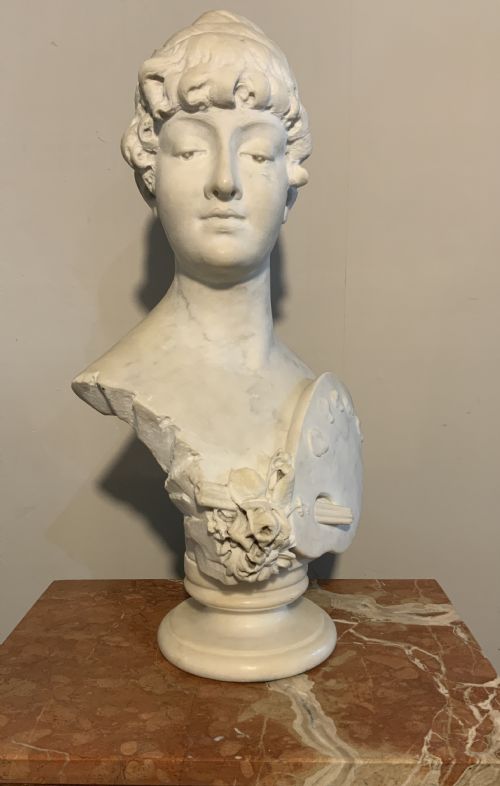
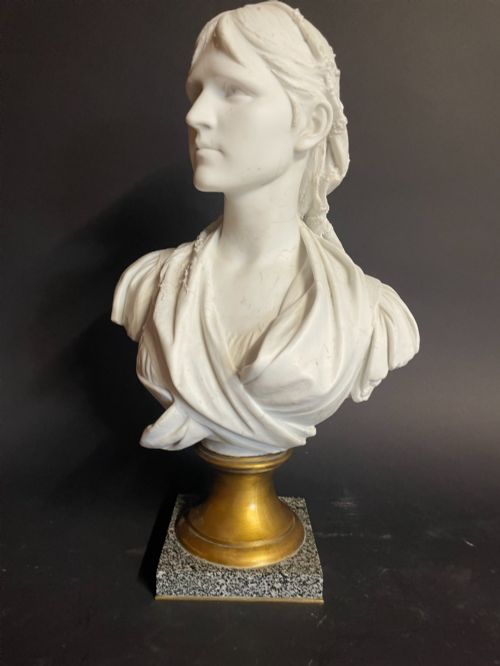
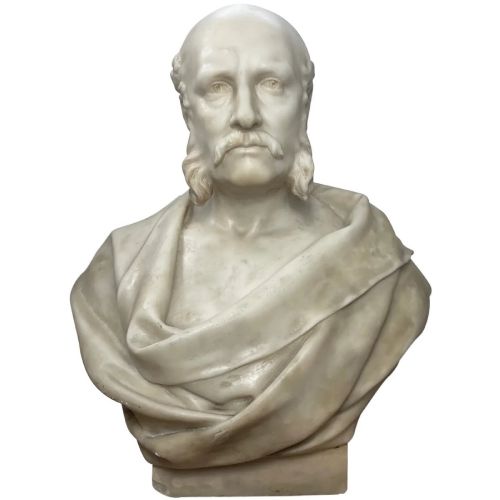
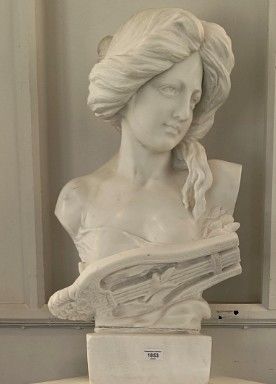
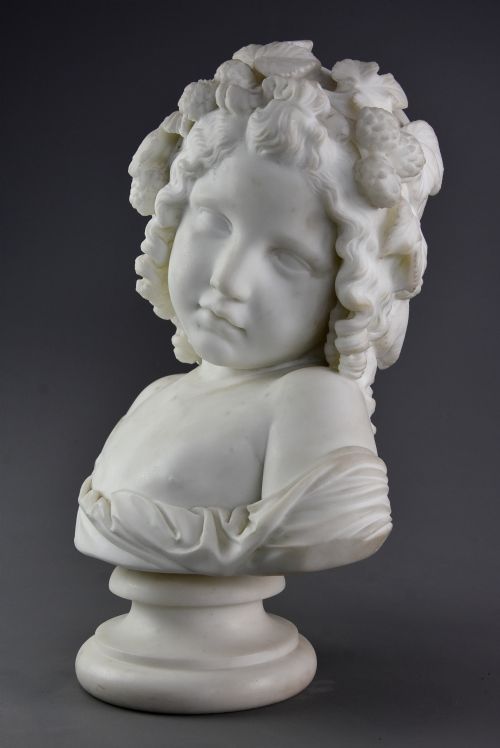
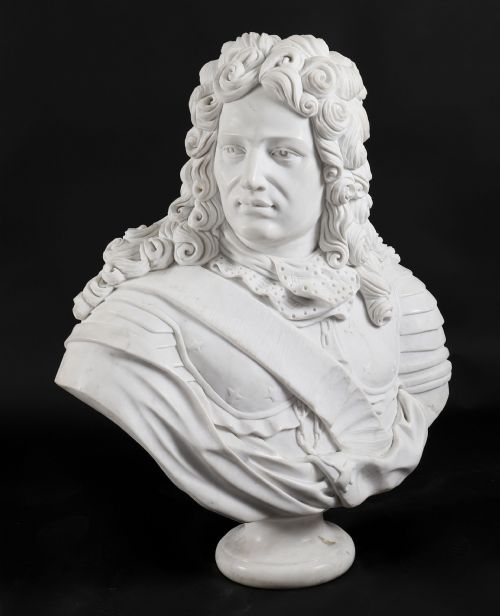
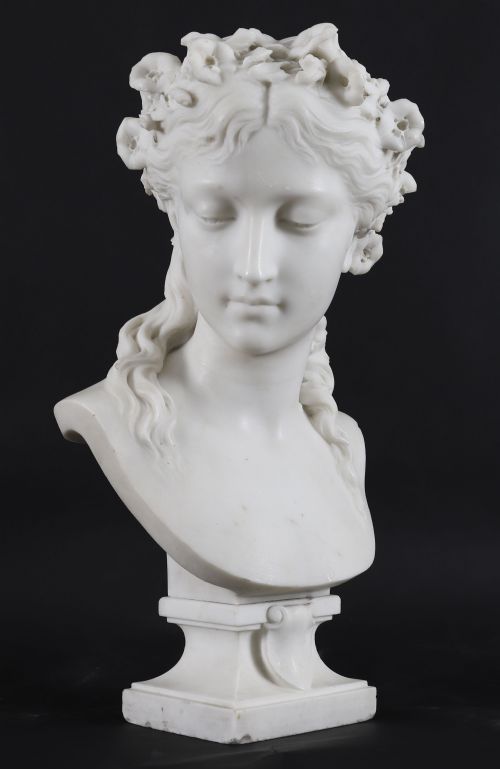
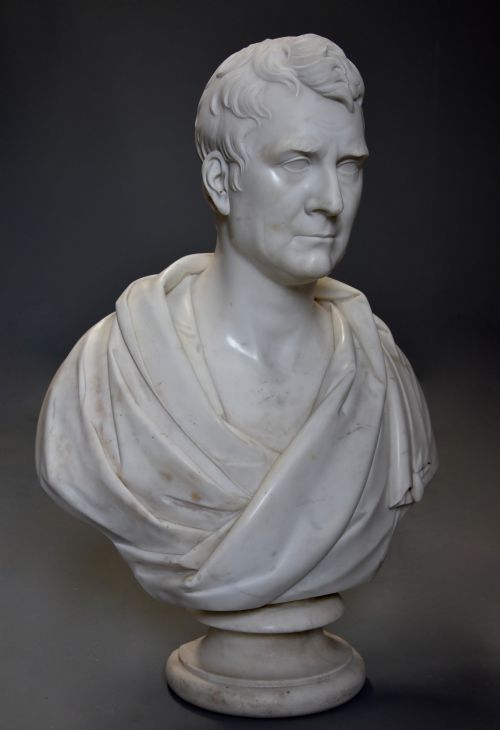
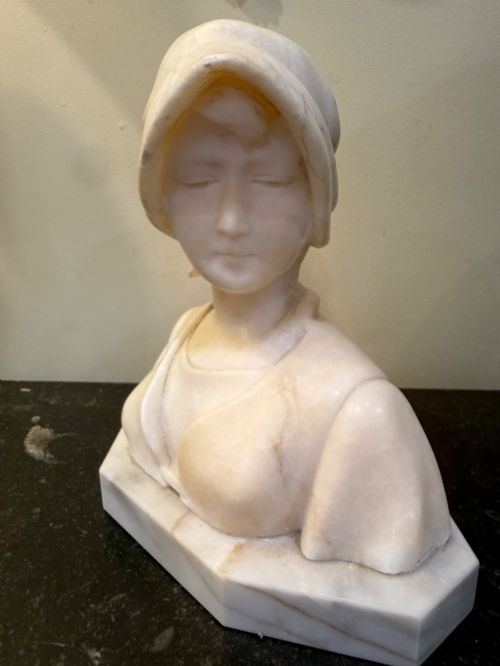
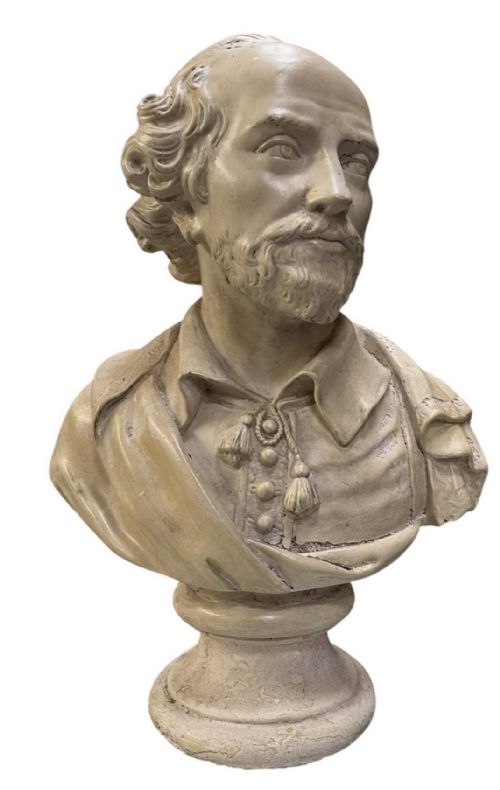
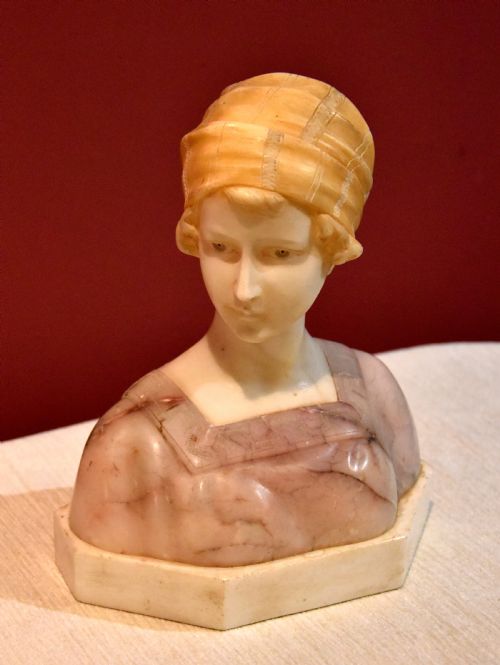
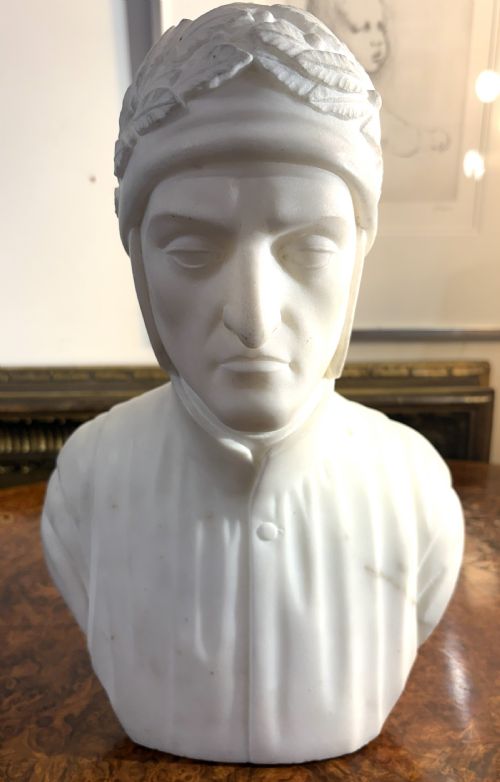
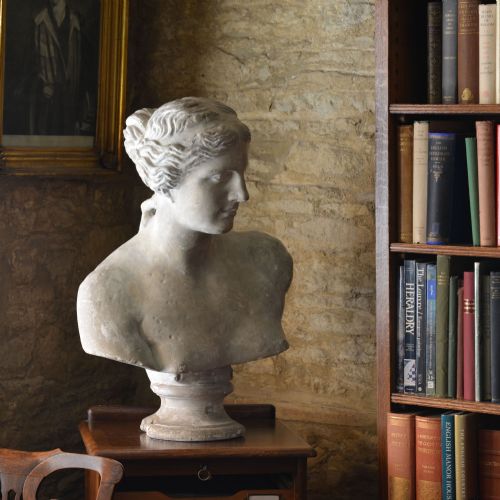
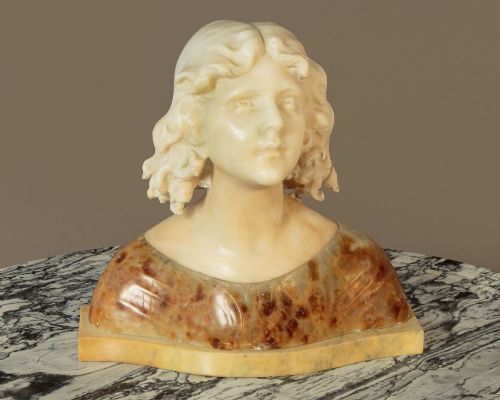
These white stone bust sculptures bring classical portraiture indoors, carved from marble and alabaster to capture historic figures and mythological subjects.

White Stone Bust
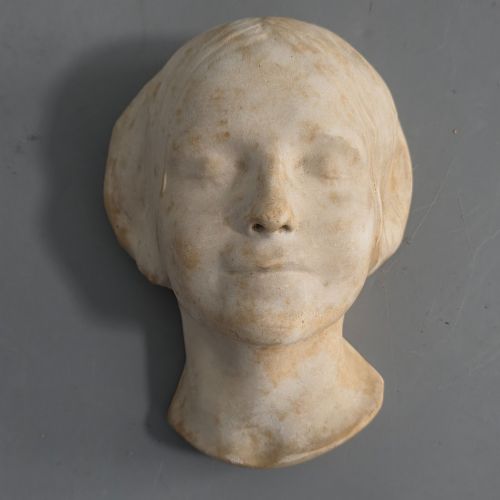
A white stone bust depicts a person from the shoulders or chest upward, shaped from materials such as marble, alabaster, stone, and plaster. These portrait sculptures appear in neoclassical, Victorian, and Baroque styles, originating from workshops across Europe.
The pieces listed here include depictions of historical figures, literary characters, Roman emperors, and mythological subjects like Erato and Venus. Creators fashioned them as library pieces, monumental portraits, and grand tour souvenirs.
Nineteenth-century examples dominate the selection, spanning classical revivals and arts and crafts interpretations. Sculptors worked in Italy, France, and Britain to produce these carved representations.
Materials and technique
Makers finished the stone surfaces through grinding and polishing to achieve matte or smooth textures that imitate classical antiquity. Many works bear signatures, incised lettering, or bronze elements mounted to stone bases.
Subject matter spans Roman emperors, literary figures like Dante and Shakespeare, mythological characters, and private individuals.
Quality and execution
Depth of carving and anatomical precision separate standard library pieces from exhibition works. Superior sculptures capture subtle shifts in expression, delicate drapery folds, and realistic musculature.
The choice of material dictates longevity and visual weight, with fine-grained Carrara marble and unblemished alabaster holding sharper detail than coarser stone or painted plaster.
Houdon·Eugene Aizelin·J Francis·Raffaelo Monti·Auguste Henri Carli·R. Mattei·John Wenlock Rollins·Mieczyslaw Leon Zawiejski
The White Stone Bust Glossary
- Carrara marble
- A white or blue-grey marble quarried in the city of Carrara in Tuscany, Italy. Sculptors have prized this fine-grained stone since antiquity for portraiture.
- Alabaster
- A soft mineral stone, often white and translucent, used for carving figures and lamps. It permits a warm glow when light passes through the material.
- Neoclassical
- A Western cultural movement drawing inspiration from the art and culture of classical antiquity. Sculptors in this style emphasised clean lines and heroic subjects.
- Grand Tour
- A traditional trip of Europe undertaken by upper-class European young men of sufficient means. Travellers often returned with small marble sculptures and portrait busts.
White Stone Bust: Frequently Asked Questions
How do I clean an alabaster or marble bust?
Dust the stone regularly with a soft, dry microfibre cloth or a clean artist's paintbrush. Avoid using water, detergents, or chemical cleaners, particularly on porous alabaster.
Alabaster dissolves slowly in moisture and absorbs liquids easily. Professional conservators should handle any stubborn staining or damage.
How can I tell a plaster bust from marble?
Plaster feels lighter in weight and warmer to the touch than natural stone. Inspecting the underside or any small chips reveals a chalky, opaque interior rather than crystalline stone.
Marble and alabaster display natural veining and translucent qualities under bright light. Plaster casts may also show seam lines from the moulding process.
What does a signature indicate on a sculpture?
An incised signature or foundry mark identifies the artist or workshop responsible for the carving. Signatures often appear along the rear truncation or base of the neck.
Researching the inscribed name helps date the piece and reveals the sculptor's regional origin. Unsigned works remain common, particularly among anonymous grand tour souvenirs and library pieces.