



White Porcelain Tea Bowl
White porcelain tea bowl pieces are delicate vessels from the eighteenth and nineteenth centuries, sought after by collectors for their refined materials and historical forms.
Identifying white porcelain tea bowl examples
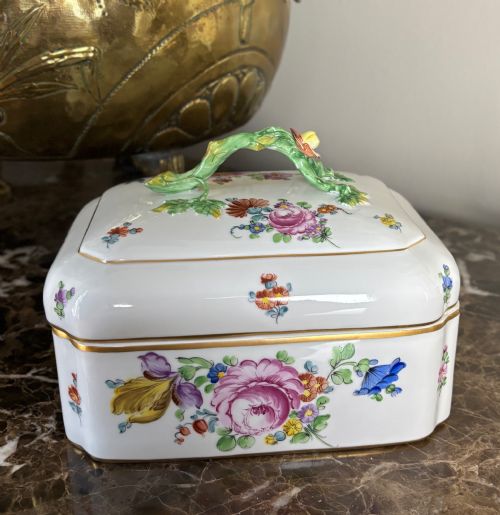
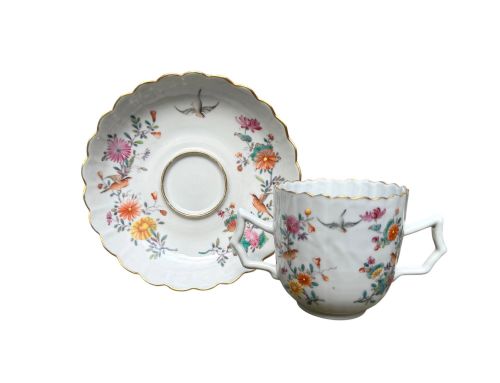
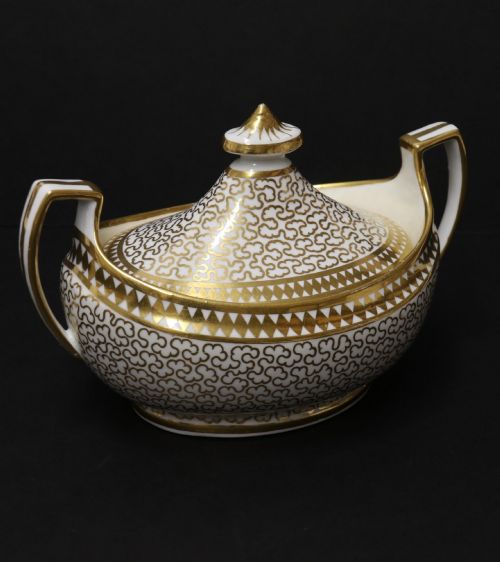
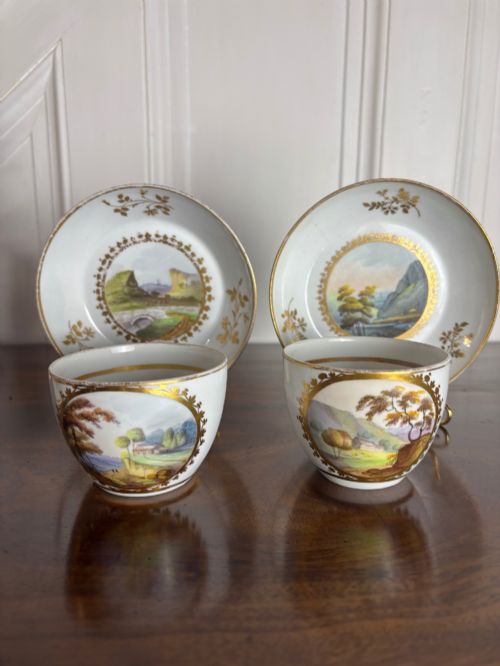
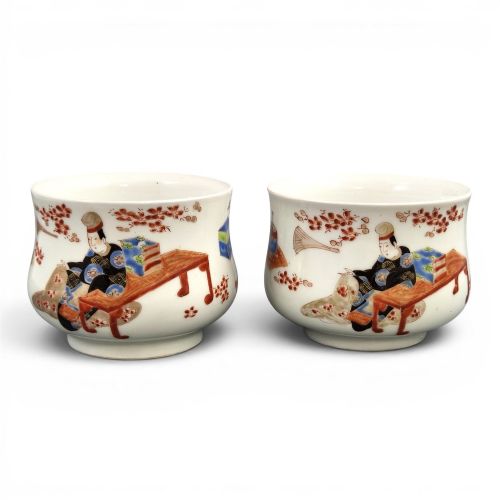
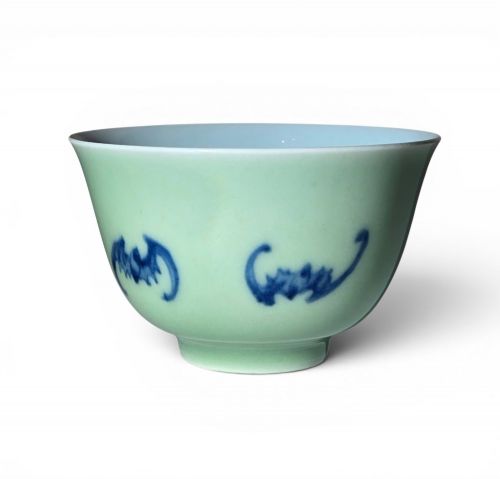
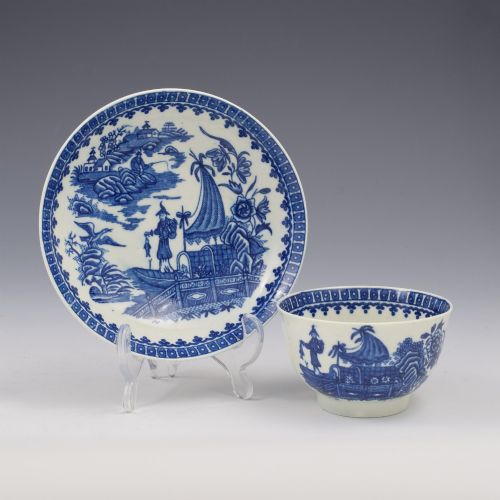
A white porcelain tea bowl search reveals tea bowls and saucers alongside broader bowl forms, spanning both the eighteenth and nineteenth centuries. These objects reflect a mix of Georgian and Qing Dynasty styles, occasionally accompanied by wooden display stands.
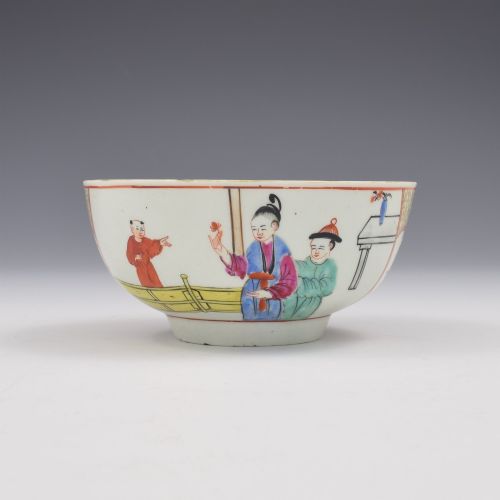
Buyers most frequently encounter Georgian and Qing Dynasty examples on this page. The selection encompasses pieces from makers such as New Hall alongside Chinese export items like the Daoguang period Famille Rose bowl.
The objects range from simple tea bowls with saucers to larger bowls decorated with overglaze enamel. Each piece documents the intersection of British and Chinese ceramic traditions during the Georgian and nineteenth-century periods.
Materials and construction
These pieces are constructed from porcelain and finished with enamel or overglaze enamel decoration. Some items are further complemented by associated wooden display stands.
The manufacturing process combines traditional ceramic forming with precise overglaze painting techniques. Skilled hands applied polychrome enamels to the fired white porcelain bodies, particularly evident in the Famille Rose traditions.
The inventory bridges British Georgian production with Qing Dynasty Chinese export porcelain.
Assessing quality and execution
Quality in these vessels rests upon the refinement of the porcelain body and the crispness of the overglaze enamel painting. Superior examples exhibit controlled brushwork and harmonious colours that remain crisp against the white ground.
The distinction between standard domestic production and higher-grade output lies in the delicacy of the potting and the precision of the decorative motifs. Pieces paired with period wooden display stands often demonstrate greater care from collectors over time.
New Hall
The White Porcelain Tea Bowl Glossary
- Porcelain
- A hard, fine-grained ceramic material fired at high temperatures to produce a vitrified, white body. It forms the essential base for all tea bowls listed here.
- Overglaze Enamel
- A decorative technique where coloured glass fluxes are painted onto previously fired and glazed porcelain, then fixed in a second, lower-temperature firing. This allows for vibrant polychrome details.
- Famille Rose
- A major palette of Chinese ceramic glazes introduced in the Qing Dynasty, distinguished by opaque pink or rose enamels mixed from gold. It defines the decorative scheme on specific bowls.
- Georgian
- The architectural and design style spanning the reigns of the first four British monarchs named George, encompassing the eighteenth-century pieces found in this category.
Frequently Asked Questions
How were these tea bowls used?
These vessels were designed for the consumption of tea during the Georgian and nineteenth-century periods. They were held directly in the hand to sip hot tea before the widespread use of handled cups.
Over time, many of these fragile pieces transitioned from functional dining wares to cabinet display items. Today, they are primarily appreciated as cabinet specimens or showcased on dedicated wooden stands.
How do I date a white porcelain tea bowl?
Dating relies on observing stylistic markers, paste characteristics, and decorative palettes such as Georgian or Qing Dynasty designs. The presence of specific factory traits or documented periods provides a reliable chronological anchor.
Cross-referencing the style of the overglaze enamel with known manufacturing periods helps narrow the production window. Archival records and historical benchmarks further clarify the age of each piece.
Are these pieces safe for daily use?
Due to their age and delicate porcelain composition, these tea bowls are rarely used for daily consumption today. Historic overglaze enamels can wear down with frequent washing and physical handling.
Collectors generally treat them as display objects to preserve their decorative surfaces. Gentle handling ensures the fragile porcelain and enamel details remain intact.
What is the difference between Georgian and Qing pieces?
Georgian pieces reflect British domestic ceramic production from the eighteenth century, often associated with factories like New Hall. They typically exhibit European shapes and enamel patterns suited to Western tea drinking.
Qing Dynasty pieces originate from Chinese kilns, such as those from the Daoguang period, featuring distinct aesthetic conventions like Famille Rose enamel. Their porcelain body and decorative motifs reflect Eastern imperial traditions.