





White Porcelain Serving Plate
These white porcelain serving plate pieces span centuries of ceramic artistry, offering sophisticated utility and historic charm to any table setting.
White Porcelain Serving Plate
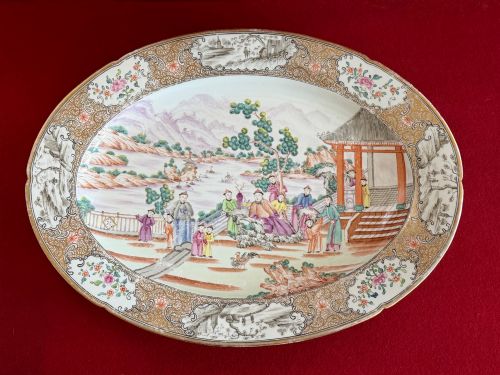
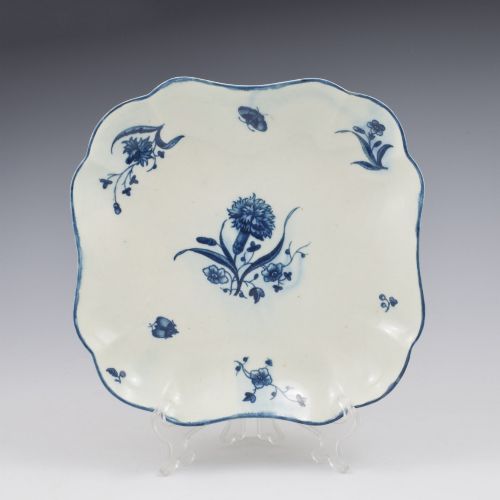
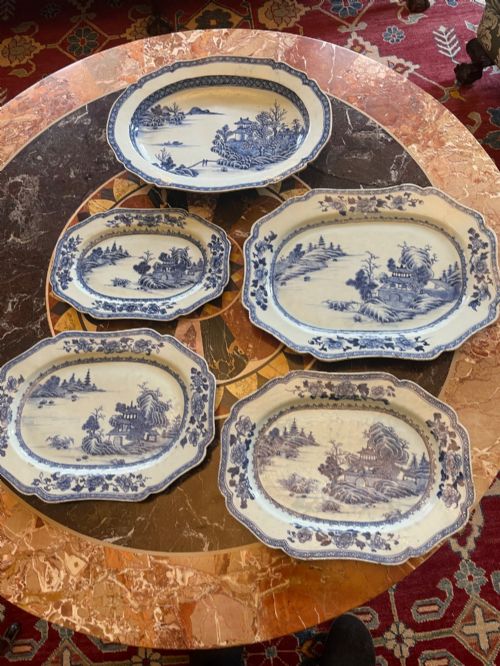
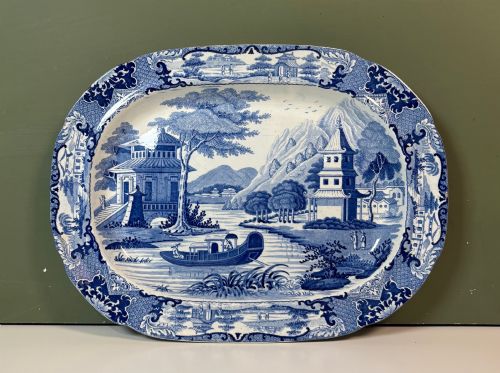
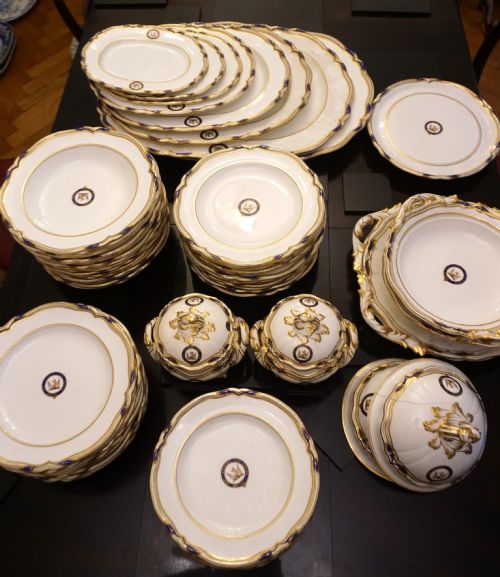
A white porcelain serving plate is a versatile tableware form found across various historical periods, including the eighteenth century and the Victorian era. These pieces appear as large chargers, scalloped-edge dishes, and shaped platters designed for presentation. You will frequently encounter items originating from English factories and Chinese export kilns alike.
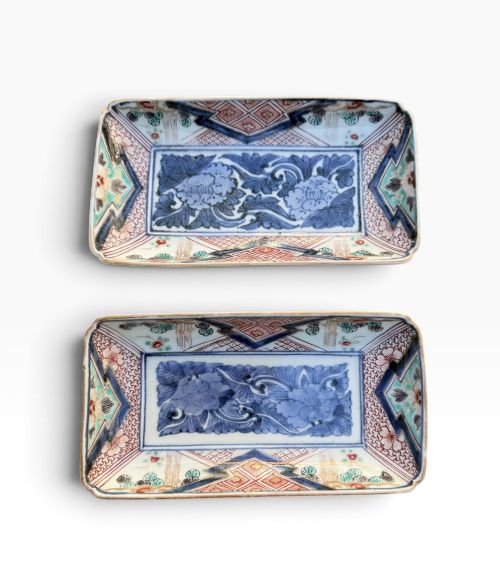
The selection ranges from early soft-paste porcelain dishes to robust ironstone platters and earthenware chargers. Makers across different regions utilised traditional forms such as rectangular platters, fan-shaped dishes, and circular plates. Each object reflects the prevailing decorative tastes of its specific century.
Manufacturing materials and techniques
Potters constructed these items using porcelain, soft-paste porcelain, ceramic, and earthenware bodies coated in smooth glaze. Many pieces incorporate hand-painted polychrome or blue and white pigments beneath or over the glaze surface. Artisans frequently applied gold leaf and gilt detailing to enhance the refined appearance of fine tableware.
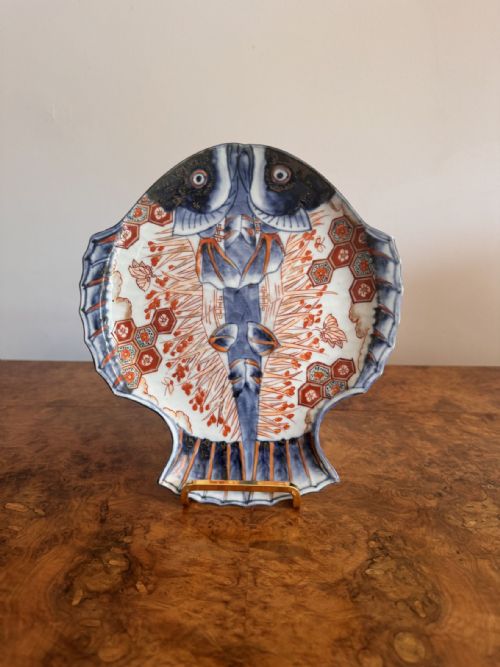
Production methods involved meticulous shaping, whether throwing on a wheel or moulding into specific forms like fish shapes or leaf dishes. Firing techniques evolved across centuries, resulting in durable bodies suited for decorative display and serving use. Enamel decoration was often added during secondary firings to achieve vibrant floral and pictorial scenes.
White Porcelain Serving Plate Retail Price Guide 2026
Typical asking prices for white porcelain serving plate among the pieces listed under this phrase on Sellingantiques today, from the lower quarter to the upper quarter. They describe what is for sale here now, not the wider market.
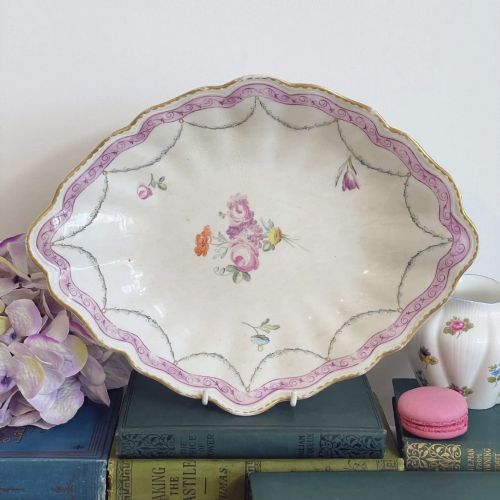
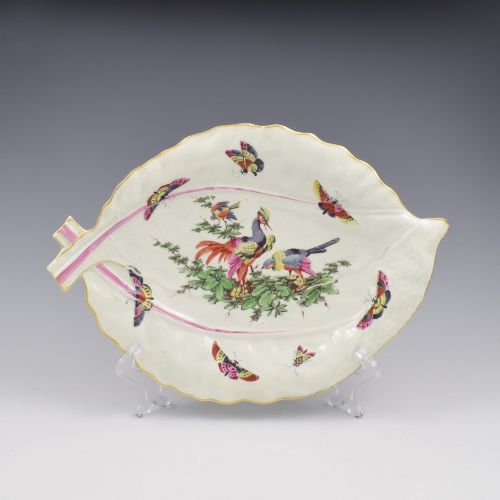
Several plates take unusual organic forms, including a detailed fish shape and delicate leaf dishes.
Distinguishing quality in antique ceramics
Quality rests upon the precision of the hand-painted execution and the crispness of the porcelain form. Superior examples display accomplished brushwork in floral sprays or intricate patterns without blurring in the glaze. The refinement of the paste and the evenness of the white surface determine the standing of the piece.
Artistic ambition also separates standard production from exceptional work, seen in unusual moulded shapes such as leaves or fish forms. The presence of clear factory marks and well-preserved gilt or enamel highlights indicates higher workshop standards. Master painters achieved greater depth and clarity in polychrome scenes on finer porcelain bodies.
Barr Flight and Barr·Derby·Coalport·Minton·Meissen·Wedgewood·Mason
The White Porcelain Serving Plate Glossary
- Porcelain
- A vitrified ceramic material of high impermeability and white appearance, fired at high temperatures. It forms the primary body for the finest serving dishes and plates.
- Soft-paste porcelain
- An artificial porcelain composition fired at lower temperatures than true hard-paste porcelain. It is common in eighteenth-century English factory production.
- Charger
- A large decorative or serving plate used extensively from the seventeenth century onward. These substantial pieces often form the centrepiece of a table setting.
- Glaze
- A glassy coating fused to ceramic ware by firing to provide a smooth, waterproof surface. It protects the painted decoration beneath or above it.
- Gilt
- A thin layer of gold applied to the surface of porcelain for ornamentation. It frequently highlights the rims and edges of fine platters.
- Ironstone
- A heavy, durable type of earthenware patented in the nineteenth century. It offered a robust alternative to standard porcelain for utilitarian tableware.
White Porcelain Serving Plate: Frequently Asked Questions
How were serving plates used historically?
These large dishes and platters served food at the table during formal meals and communal gatherings. They held meats, vegetables, and desserts before individual portions were distributed.
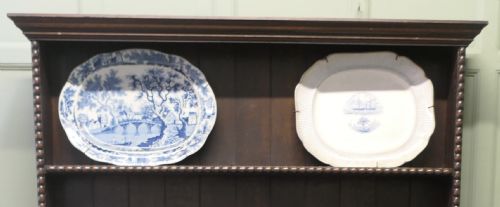
Over time, many chargers and large plates transitioned into decorative display items mounted on walls or shown on sideboards. Their painted surfaces made them objects of visual appreciation as much as functional tableware.
How do I care for antique porcelain?
Wash antique porcelain gently by hand using lukewarm water and mild detergent. Avoid abrasive sponges or harsh chemicals that can damage delicate enamel and gilt decoration.
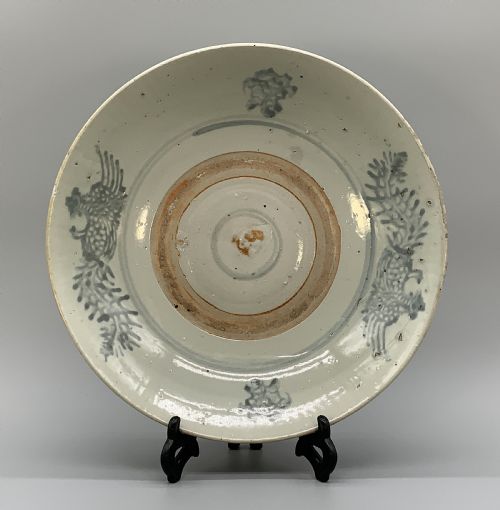
Store pieces securely in stable environments away from extreme temperature fluctuations. Ensure platters and chargers have adequate support if displayed upright on plate stands.
How can I tell eighteenth-century pieces apart?
Examine the paste composition, weight, and glaze characteristics under a strong light. Eighteenth-century soft-paste porcelain often feels warmer and shows distinct translucency compared to later nineteenth-century wares.
Look for underglaze blue marks, painted factory ciphers, and characteristic hand-painted motifs. Stylistic influences such as Japanese Imari or Chinese export designs help establish the period of manufacture.
What is the difference between porcelain and ironstone?
Porcelain is a vitrified, translucent ceramic fired at high temperatures to create a fine, non-porous body. It rings clearly when tapped and feels light yet strong.
Ironstone is a dense, opaque earthenware developed in the nineteenth century for increased durability. It is heavier than porcelain and was designed to withstand rigorous daily use.