





Chinese Decorative Charger
A Chinese decorative charger brings centuries of skilled ceramic artistry and bold colour into a room.
Chinese Decorative Charger
A Chinese decorative charger is a large plate or dish made for display rather than dining, encompassing a wide range of periods and styles. When you search for this phrase, you encounter substantial display pieces designed to command attention on a wall or sideboard.
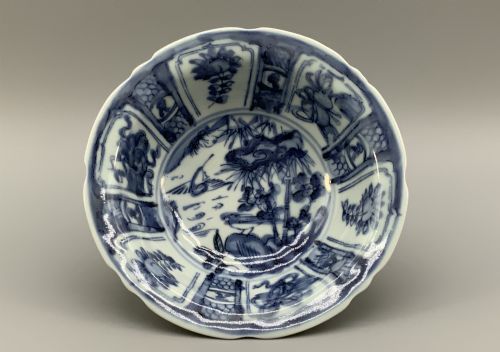
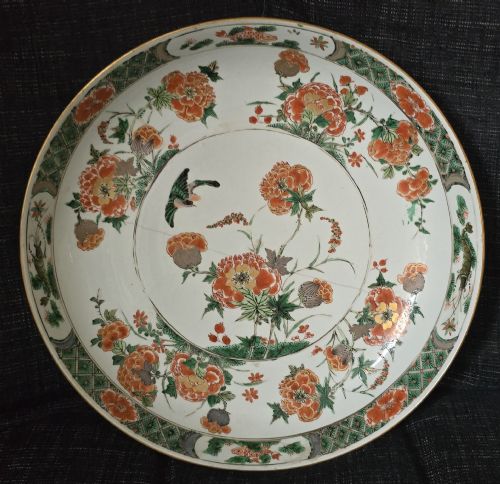
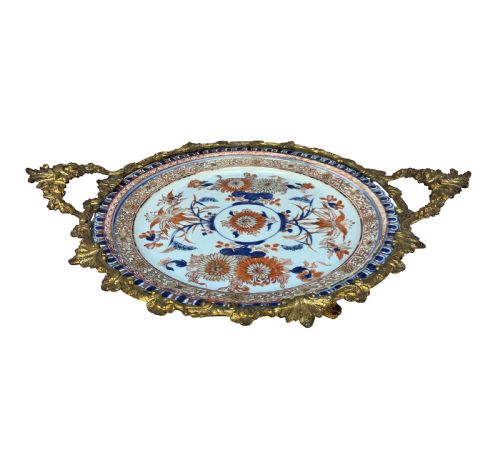
The selections available span from the eighteenth century to the twentieth century, mixing traditional oriental craftsmanship with European interpretations. You meet blue and white porcelain, famille rose enamels, and Imari palettes alongside later ceramic adaptations.
Materials and construction
These items rely principally on porcelain and earthenware bodies, shaped into lobed, scalloped, or barbed rims. Cobalt underglaze, polychrome enamel, and gold leaf provide the surface decoration.
Mounts in brass, bronze, or ormolu occasionally secure the ceramic pieces, while cloisonné enamel plaques offer an alternative metallic base for the visual design.
Chinese Decorative Charger Retail Price Guide 2026
Typical asking prices for chinese decorative charger among the pieces listed under this phrase on Sellingantiques today, from the lower quarter to the upper quarter. They describe what is for sale here now, not the wider market.
Listings include eighteenth and nineteenth-century periods, utilising porcelain, earthenware, enamel, and brass materials.
Distinctions in quality
Quality rests upon the precision of the hand-painted brushwork and the depth of the glaze. Pieces with clear imperial marks or well-defined cobalt underglaze display superior control.
The integration of metal mounts and the crispness of moulded floral or geometric rims also separate standard production from finer examples.
The Chinese Decorative Charger Glossary
- Charger
- A large decorative plate intended for display rather than functional table use. These sizeable vessels form the focal point of a collection.
- Famille Rose
- A palette of opaque enamel colours dominated by pink, introduced during the Qing dynasty. It allows for nuanced, painterly floral and figural scenes.
- Imari
- A style of ceramic decoration employing underglaze blue, iron-red, and gold. It originates from Japanese export traditions but heavily influences Chinese export wares.
- Cloisonné
- An enamel technique where metal wires create cells that are filled with coloured paste and fired. This produces vibrant, compartmentalised surface patterns.
- Kangxi Period
- A phase of the Qing dynasty spanning the late seventeenth and early eighteenth centuries, noted for exceptional blue and white porcelain.
Chinese Decorative Charger: Frequently Asked Questions
How were Chinese decorative chargers used?
These large dishes served primarily as ornamental items for display on sideboards, walls, or tables. Wealthy households used them to showcase fine craftsmanship and status rather than for serving food.
Over time, their decorative function remained paramount, which explains why many survive in excellent condition today.
How do I hang a heavy charger?
Mounting a large charger requires a sturdy, adjustable wall bracket designed specifically for heavy ceramics or metal plates. The hardware must distribute the weight evenly across the rim and base without causing stress fractures.
Professional framing or specialised spring-loaded hangers offer secure support for display.
How do I distinguish eighteenth-century pieces?
Eighteenth-century examples often exhibit hand-mixed cobalt pigments with characteristic pooling, alongside finer porcelain bodies that reveal slight surface imperfections under close inspection. Stylistic motifs follow period conventions such as specific floral arrangements or export borders.
Comparing the potting weight and foot ring finish helps clarify the period of manufacture.
What is Chinese Export porcelain?
Chinese export porcelain refers to wares manufactured in China specifically for the European and American markets. These pieces often blend traditional oriental techniques with Western shapes and decorative preferences.
They represent a major intersection of global trade and artistic exchange.