






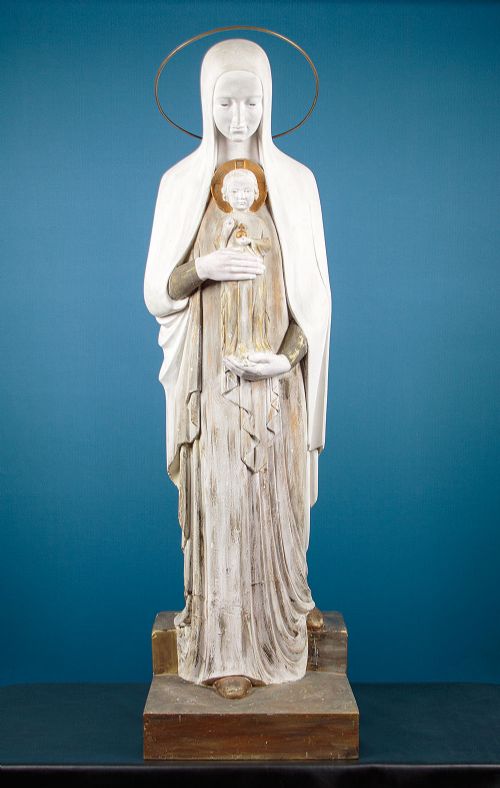

White Plaster Statue
A white plaster statue brings classical presence into a room, offering the timeless dignity of carved marble without the weight.
White Plaster Statue
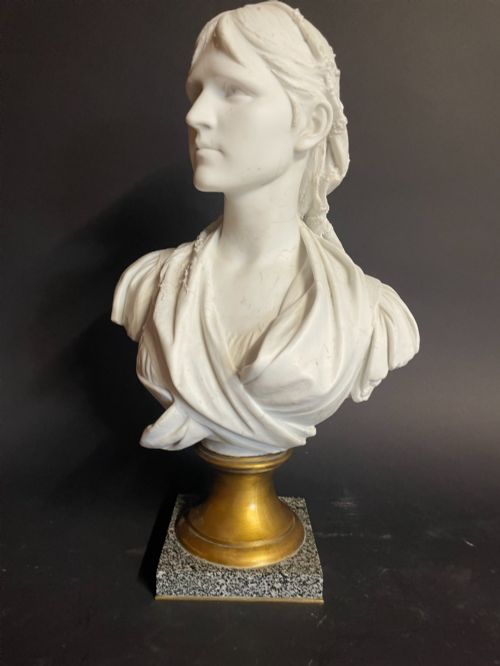
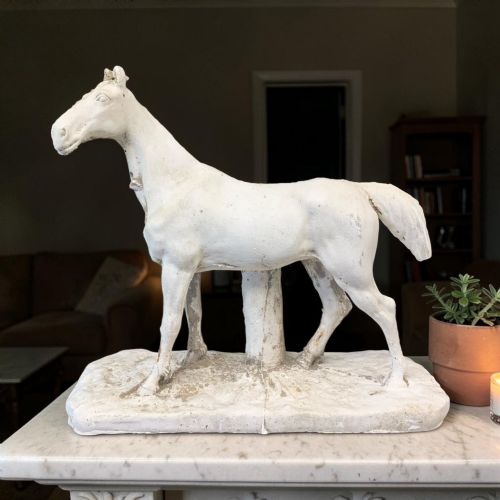
When you search for a white plaster statue, you encounter a selection of sculptures, busts, and display figures spanning the nineteenth century through the mid-twentieth century. These pieces include classical literary figures, historical personages, and decorative animals modelled in durable gypsum and composition.
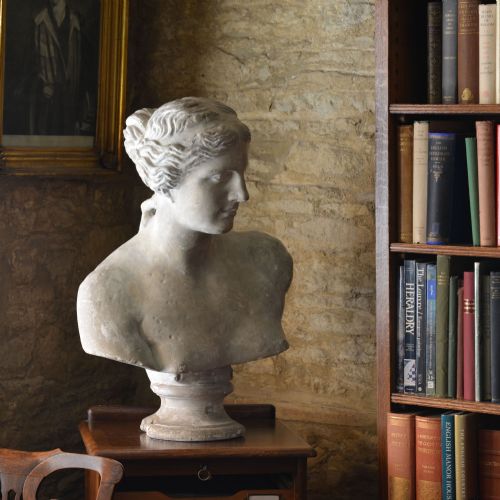
You are most likely to meet nineteenth-century library busts and figures styled after antique marbles, alongside early twentieth-century studio casts and commercial advertising pieces. Subjects range from Shakespeare and Napoleon to mythological deities and domestic animals.
The objects listed here demonstrate how makers interpreted classical antiquity for Victorian and Edwardian interiors, utilising traditional moulding techniques to replicate famous sculptures for domestic display.
How they were made
These pieces rely on plaster, gypsum, stucco, and composition materials poured or pressed into moulds to capture fine detail. Some examples incorporate internal armatures or mounting brackets of brass to support the weight of larger busts.
Surfaces often receive coats of paint or subtle patination to mimic the appearance of aged stone, marble, or bronze. Studio casts and advertising figures additionally employ mixed media elements, combining moulded bodies with wooden or metal mounting components.
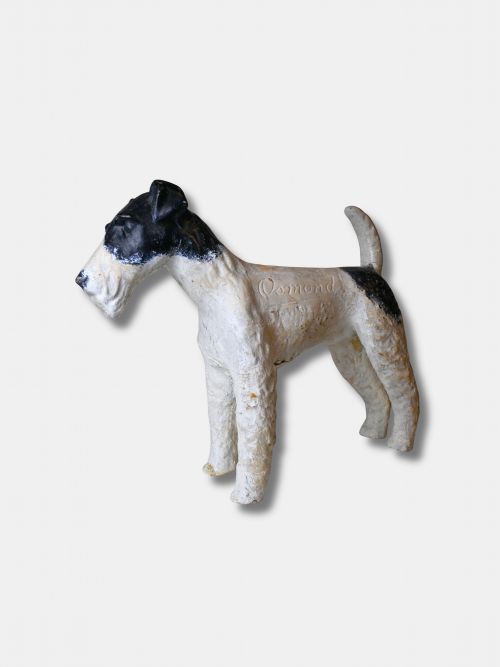
A nineteenth-century fox terrier stands ready to advertise your hallway alongside classical poets and Roman emperors.
What varies in quality
The weight, density of the plaster, and the quality of the surface finish dictate the tactile presence of the piece. A heavier, denser core with layered paint finishes conveys greater substance than thin, hollow castings.
Raffaelo Monti·Hopper
The White Plaster Statue Glossary
- Plaster
- A building material consisting of a powder of gypsum that is mixed with water and poured into a mould to set. It allows for intricate sculptural detail at a fraction of the cost of carved stone.
- Stucco
- A fine plaster mixture used for decorative mouldings and figures. It sets hard and takes a smooth surface finish.
- Composition
- A moulded material made from a mixture of whiting, resin, and glue. It was frequently used for durable advertising figures and decorative ornaments.
- Library bust
- A sculptural head and shoulders, traditionally depicting a classical author or historical figure, designed for display on bookshelves or brackets. They were staples of nineteenth-century study decoration.
- Studio cast
- A working model produced in an artist's workspace for study or instructional purposes. These pieces often show direct handling marks and precise anatomical observation.
White Plaster Statue: Frequently Asked Questions
Where were these displayed?
Nineteenth-century library busts and classical figures traditionally occupied studies, libraries, and entrance halls to signal learning and taste. Owners placed them on mantelpieces, bookshelves, or dedicated wall brackets.
Later commercial pieces served as shop displays or window advertisements, bringing sculptural forms into retail environments.
How do I clean plaster?
Plaster surfaces require dry dusting with a soft, clean brush to remove accumulated particles. Moisture damages the soluble material and alters painted finishes.
Avoid liquid cleaners entirely, as water dissolves the plaster matrix and softens historical paint layers.
Are these solid plaster?
Most large busts and figures are hollow-cast to reduce weight and material costs during production. Makers poured plaster into multi-part moulds and drained the excess to build a sturdy shell.
Smaller decorative pieces and solid brackets are occasionally cast solid for added stability.
How do I date a piece?
Dating relies on the subject matter, the style of the mounting bracket, and the manufacturing materials recorded in the piece. Nineteenth-century examples often favour classical Greek and Roman subjects with rich patination.
Twentieth-century pieces introduce commercial advertising figures and compositions alongside mid-century ecclesiastical subjects.