


Classical Draped Female Figure
A classical draped female figure brings antiquity into a room through marble, bronze, and stone.
Classical Draped Female Figure
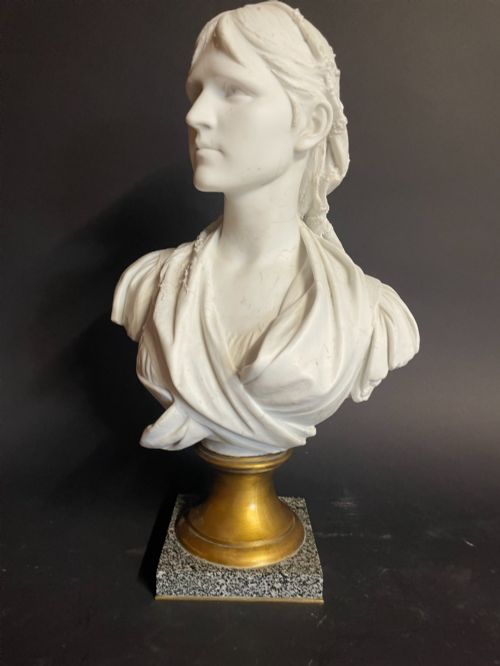
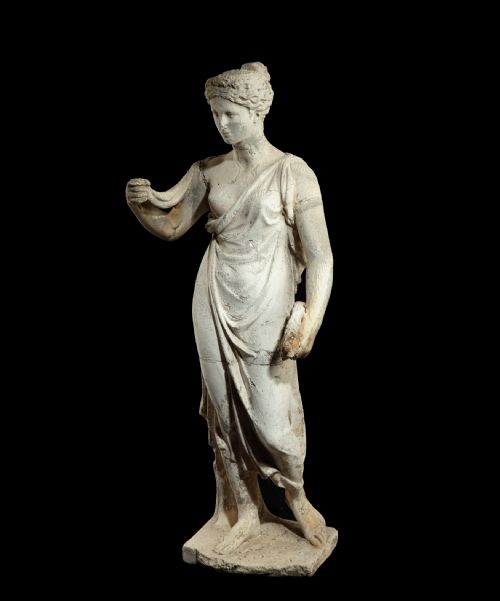
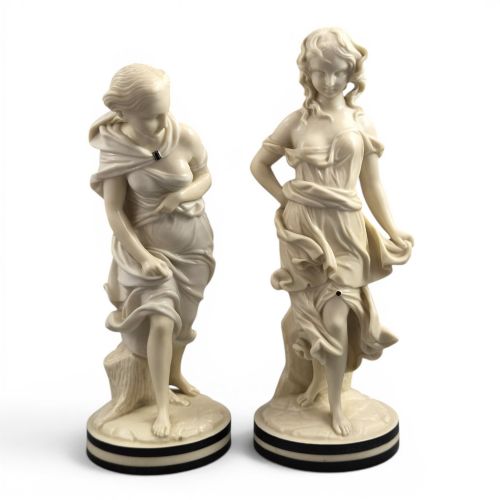
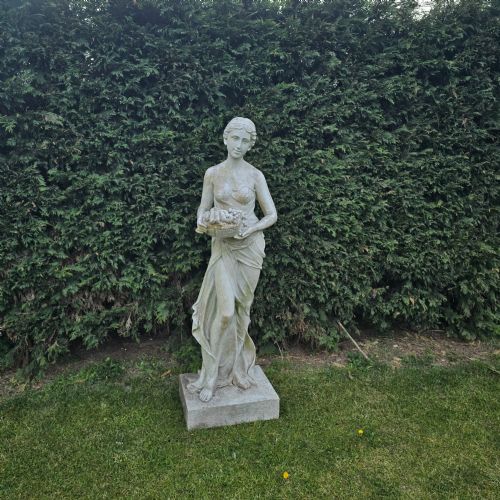
A classical draped female figure takes the form of statues, garden figures, busts, and candlesticks modeled after ancient ideals. These pieces draw heavily on neoclassical and Victorian traditions, depicting allegorical figures, goddesses, and ladies in flowing garments.
The selections span materials from delicate parian ware and porcelain to substantial bronze, marble, plaster, and stone. Buyers encounter everything from cabinet-sized figurines and torcheres to life-sized garden statues intended for terraces and plinths.
Materials and Method
Sculptors carved figures directly from marble and alabaster or cast them in bronze using traditional foundry methods. Plaster and reconstituted stone served for larger decorative works, often capturing fine drapery details through careful moulding.
Ceramic pieces utilised porcelain and parian ware, shaped in kilns to mimic the smooth finish of carved stone. Wood carving also appears among the listings, providing bases or independent sculptural forms.
Materials span marble, bronze, plaster, porcelain, alabaster, and stone across neoclassical and Victorian styles.
Judging Quality
The choice of medium dictates the overall presence, with patinated bronzes and hand-carved marbles holding a different visual weight compared to moulded plaster or cast stone.
Barbedienne·Ernst Barrias·James Hadley·Pugi·Humphrey Hopper·Antoine Coysevox·Auguste Moreau
The Classical Draped Female Figure Glossary
- Neoclassical
- A style reviving the design elements of ancient Greece and Rome. It emphasises proportion, restraint, and classical mythology.
- Parian Ware
- A type of fine unglazed biscuit porcelain developed in the nineteenth century. It resembles carved marble in texture and colour.
- Torchere
- A tall ornamental stand or candlestick designed to hold a light source. Many examples feature figural supports.
- Caryatid
- A sculpted female figure serving as an architectural support taking the place of a column or pier. Pairs of these often appear on pedestals.
Classical Draped Female Figure: Frequently Asked Questions
Where should I place a garden statue?
Stone and reconstituted stone figures suit outdoor locations like terraces, lawns, and garden paths. They weather naturally over time when exposed to the elements.
Heavier pieces benefit from stable stone plinths to keep them level and secure on grass or soil.
How do I care for bronze figures?
Bronze sculptures require minimal maintenance, needing only an occasional dusting with a soft cloth. Avoid abrasive cleaners that might damage the patination.
Applying a very light coat of microcrystalline wax helps protect the surface in dry indoor environments.
Are these pieces solid marble?
The listings include carved marble and alabaster sculptures alongside works in bronze, plaster, and porcelain. Each material requires distinct handling during placement.
Checking the listed material specification clarifies the composition before purchase.
What periods do these figures come from?
The selection encompasses nineteenth-century Victorian works alongside Regency, Art Nouveau, and mid-twentieth-century examples. Stylistic details often point toward specific revival periods.
Neoclassical influences appear strongly across pieces spanning the Victorian era and later.