



Plaster Female Sculpture
These plaster female sculpture pieces bring classical form and neoclassical grace into an interior, offering tactile texture and sculptural presence.
Plaster Female Sculpture
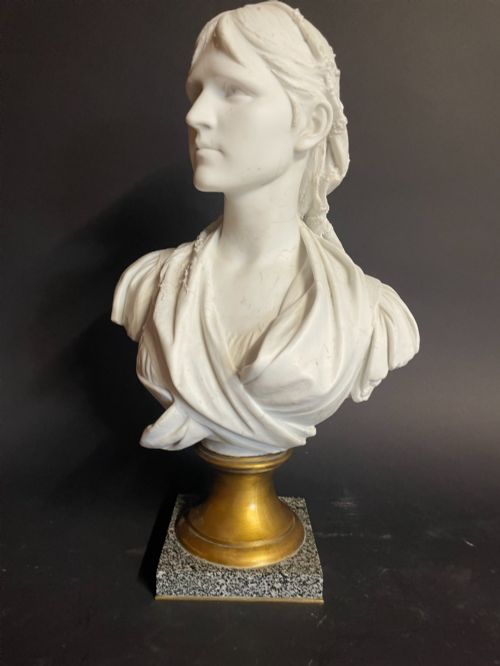
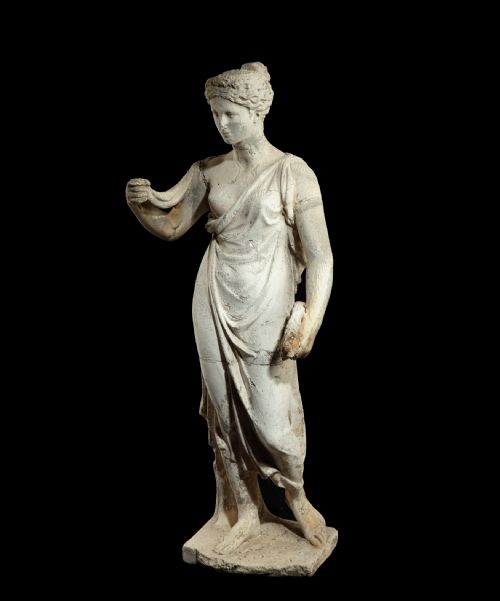
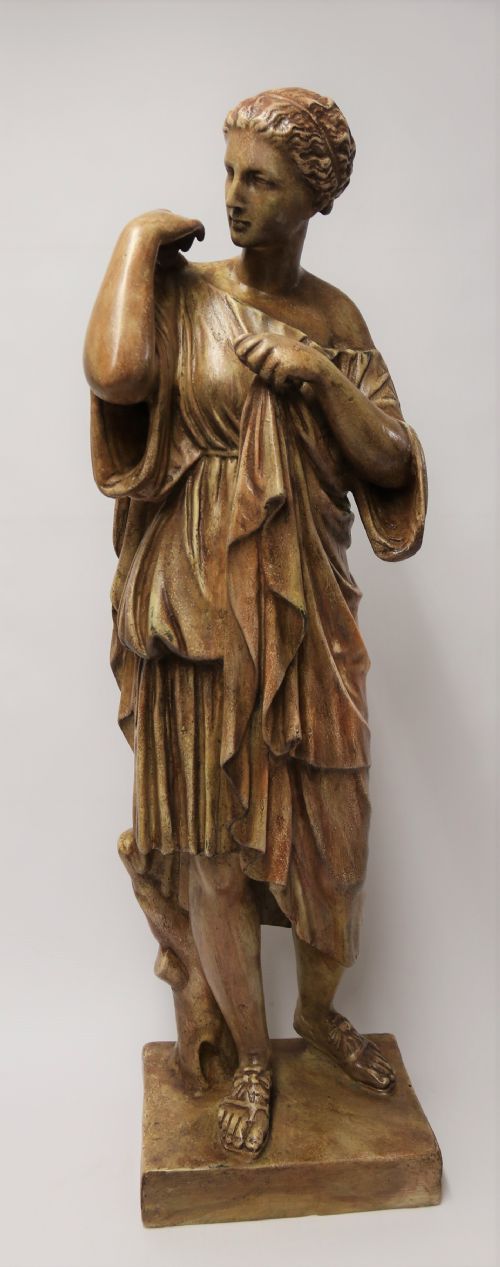
A plaster female sculpture represents classical figures, muses, and modern icons across periods from the Georgian era to the Art Deco decades. You will encounter works depicting Diana the Huntress, classical ladies, and water carriers alongside stylised depictions from the 1920s and 1930s.
The selections span Regency neoclassical interpretations, Victorian classical forms, and later British, French, and Austrian pieces. Figures frequently take the form of busts, full-length statues, caryatids, and figures posed with hoops or pedestals.
Origin points range from English workshops to Italian studios and Austrian ateliers, with several items created in the manner of notable modellers. These works capture female subjects through materials that mimic stone or receive painted and bronzed surface treatments.
Materials and construction
Makers formed these pieces primarily from plaster and stucco, occasionally utilising terracotta or marble for related busts and figures. Support structures sometimes incorporate wood, brass, and glass elements, particularly on figures mounted to stands or pedestals.
Listings span periods from Regency and Georgian through Victorian to 1930s Art Deco.
Assessing quality in plaster sculpture
The integrity of the surface finish dictates visual appeal, as original paint, patination, and bronzed layers hold more integrity than thick modern overpainting. Weight and internal armature strength also separate solid sculptural integrity from fragile, hollow output.
Humphrey Hopper·Bohumil Rezl
The Plaster Female Sculpture Glossary
- Plaster
- A workable composition of gypsum or lime mixed with water, cast into moulds to create solid decorative objects. It accepts paint and surface patination readily.
- Neoclassical
- A style drawing inspiration from the art and culture of classical antiquity, prevalent during the Georgian and Regency periods. It emphasises restrained dignity and mythological subjects.
- Caryatid
- A sculptured female figure serving as an architectural support taking the place of a column or pier. Pairs of these often support entablatures or stand upon pedestals.
- Terracotta
- Fired clay used for sculptural busts and figures, offering a warm reddish-brown body. It appears in neoclassical portraiture alongside plaster works.
- Torchiere
- A tall stand or ornamental pedestal designed to support a light fixture or a figure holding a light source. Some figures incorporate these stands as part of their composition.
Plaster Female Sculpture: Frequently Asked Questions
How do I clean a plaster sculpture?
Dust these pieces gently using a soft, dry brush without applying water or chemical solvents that might soften the plaster or disturb the paint layer.
Keep the sculpture away from damp environments to prevent moisture absorption and surface degradation over time.
Are these pieces solid plaster?
Many larger sculptures and busts are hollow-cast or reinforced with an internal armature to reduce weight while maintaining structural rigidity. Smaller figures and plaques are often cast more solidly.
Checking the underside or base usually reveals the internal construction method.
How do I distinguish Regency from Art Deco pieces?
Regency and neoclassical works rely on classical drapery, mythological themes like muses, and strict symmetry inspired by antiquity. They reflect the aesthetic of the early nineteenth century.
Art Deco figures from the 1920s and 1930s feature geometric styling, streamlined clothing, and modern motifs such as hoops or contemporary poses.