


Madonna and Child
When you search for madonna and child, you enter a rich tradition of devotional art spanning centuries of European craftsmanship and religious expression.
Madonna and Child
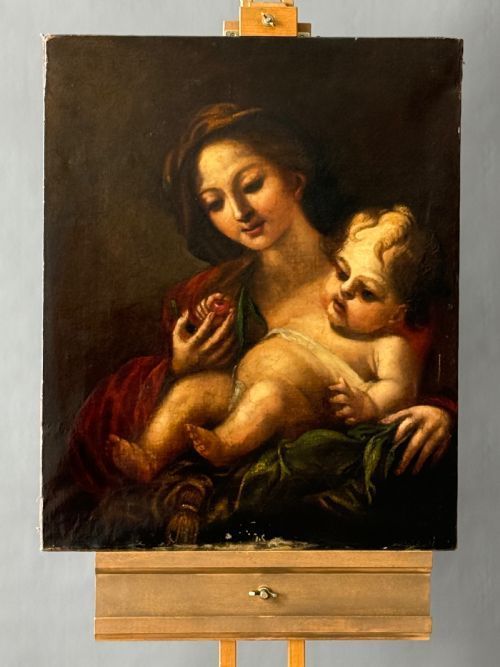
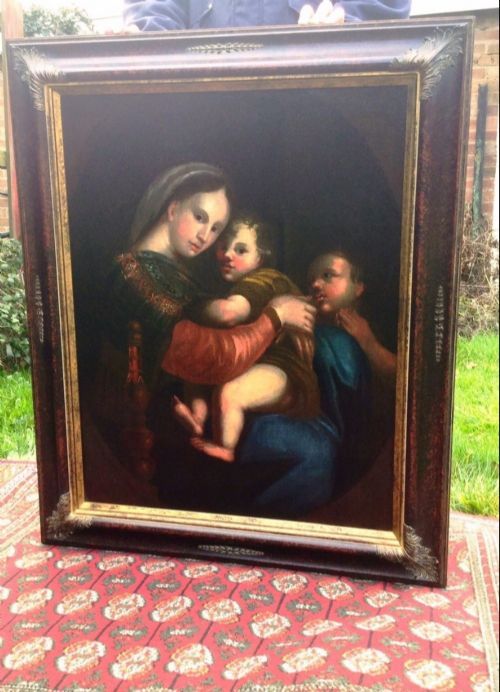
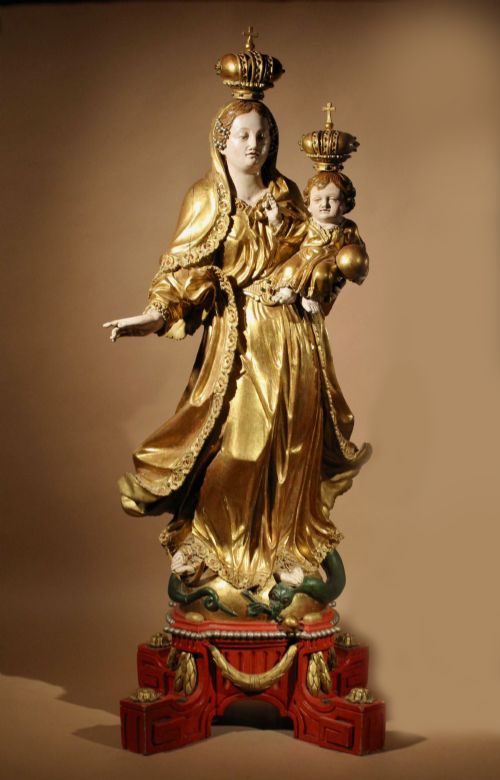
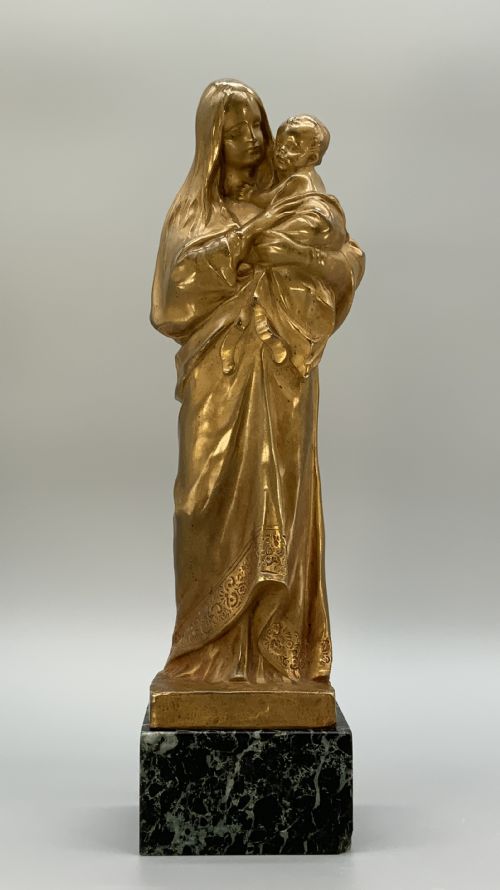
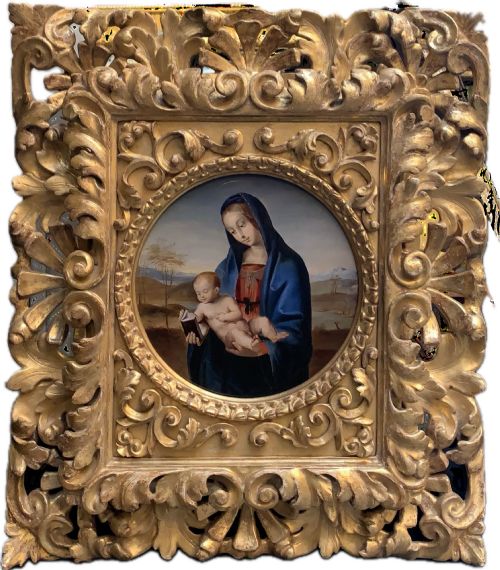
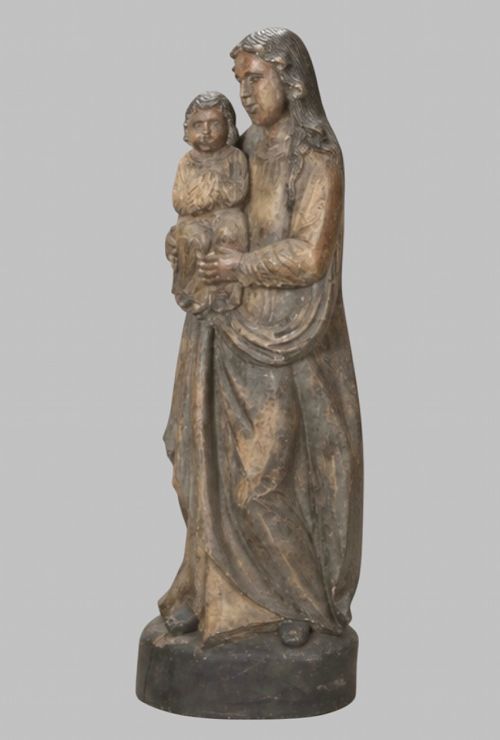
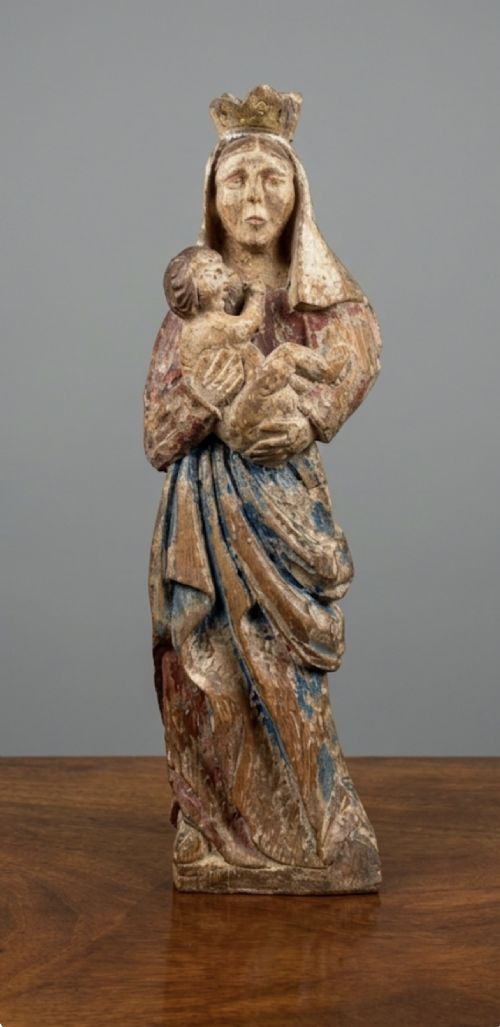
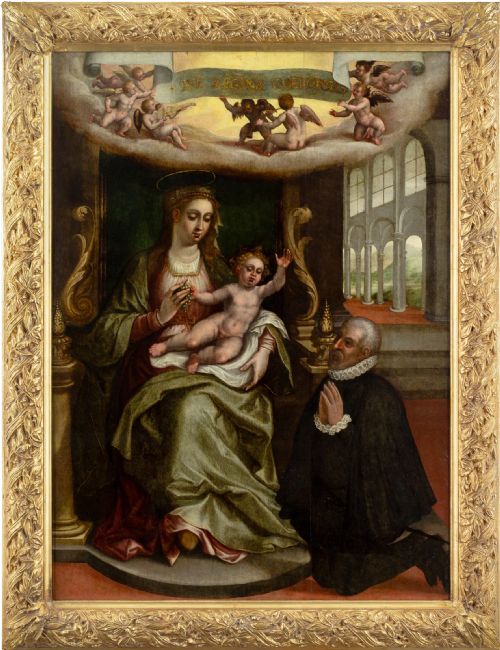
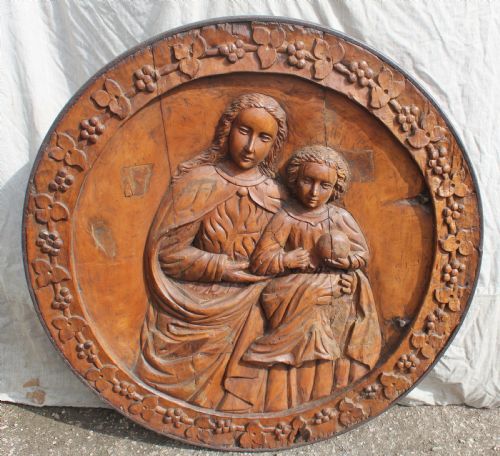
The madonna and child subject represents the Virgin Mary and the infant Jesus, taking form across a diverse array of media including oil paintings, carved wooden sculptures, and delicate metalwork pendants. These devotional objects range from intimate private altar pieces to grand canvas works produced across various European schools.
On this page, buyers frequently encounter 18th and 19th-century interpretations, often created as homage or direct studies after Renaissance masters like Raphael and Correggio. Alongside these canvas paintings and panels, the selection includes sculptural figures in wood, bronze, and plaster, as well as wearable gold and enamel pendants.
Origins stretch from Italian workshops and French religious centres to Austrian studios and Andean colonial ateliers, reflecting how widely this sacred iconography travelled. Collectors will find everything from miniature porcelain plaques to substantial life-size figures and triptychs designed for personal contemplation.
How they were made
Makers utilised traditional methods such as oil on canvas, hand-carved lime and oak wood, and delicate gold leaf embellishment to bring depth and reverence to each representation. Sculpted pieces often received polychrome paint finishes or original gilding, while metalwork items employed techniques like plique-à-jour enamel on 18-carat yellow gold.
Many painted works originated as skilled studies or copies after Renaissance originals, executed with meticulous brushwork on wood panels or canvas supports. Ceramic and porcelain plaques required precise hand-painting followed by high-temperature firing, capturing fine facial expressions and drapery folds in miniature scale.
Listings feature works spanning from the sixteenth century through the twentieth century, utilising wood, canvas, gold, and porcelain.
What varies in quality
The standard of execution in painting relies heavily on the finesse of the brushwork, particularly in the rendering of facial expressions, hands, and the soft folds of fabric. Pieces originating from the circle of recognised masters or faithful adherence to Renaissance prototypes generally display superior compositional balance and proportion.
In carved wooden and bronze sculptures, quality shows in the depth of relief, the crispness of the chisel work, and the preservation of original polychrome or gilded surfaces. For wearable jewellery and pendants, the intricacy of the metal stamping, enamel work, and the weight of the gold contribute significantly to the piece's standing.
Hans Müller·Francesco Solimena·Denys Puech·Orsola Maddalena Caccia
The Madonna and Child Glossary
- Oil on Canvas
- Pigments bound in a drying oil medium applied to a stretched canvas support. This technique allowed artists to achieve rich colour blending and subtle chiaroscuro effects.
- Giltwood
- Wood that has been coated with a thin layer of gold leaf or powder. It provides a luminous, reflective surface often seen on devotional frames and carved altarpieces.
- Plique-à-Jour
- An enamelling technique where enamel is applied within a cellular metal framework without a backing, creating a translucent, stained-glass effect when held to the light.
- Triptych
- A three-panel artwork featuring a central panel with two folding wings, commonly used for portable private devotion or altarpieces.
- Devotional Plaque
- A flat panel made of ceramic, porcelain, or metal depicting a sacred subject for hanging or intimate prayer.
Madonna and Child: Frequently Asked Questions
What is the history of madonna and child art?
Representations of the Virgin Mary holding the infant Jesus form a cornerstone of Christian iconography, evolving from early Byzantine prototypes through the naturalism of the Italian Renaissance and later revival movements. Artists across centuries reinterpreted the theme to reflect the theological views and artistic aesthetics of their respective eras.
In the domestic sphere, these depictions transitioned from large church altarpieces into smaller canvas paintings, carved wooden figures, and intimate personal medals worn close to the heart.
How were these devotional items used?
These pieces served primarily as focal points for prayer, meditation, and spiritual solace within homes, private chapels, and monastic cells. Portable triptychs and small panels allowed travellers to maintain their daily devotions while away from permanent parish churches.
Gold pendants and charms worn around the neck offered continuous personal protection and served as outward expressions of faith. Larger statues and oil paintings anchored domestic shrines, fostering family prayer traditions over generations.
How do I care for antique wood and canvas pieces?
Wooden sculptures and oil paintings require stable indoor environments with moderate humidity and consistent temperature control to prevent wood splitting and canvas cracking. Direct sunlight should be avoided to protect sensitive pigments, gold leaf, and delicate painted surfaces from fading.
Dusting should be performed gently using a soft, dry brush without applying commercial cleaning solutions or water. Professional conservation advice is recommended should structural stabilization or deep cleaning become necessary.
How can I distinguish period pieces from later copies?
Examining the reverse of panels, stretchers, and metal mounts often reveals tool marks, oxidation patterns, and material ageing consistent with historical manufacturing methods. Wood shrinkage, craquelure in oil paints, and hand-forged or early fastening components help establish chronological age.
Stylistic cues such as the specific interpretation of drapery, facial proportions, and framing techniques align with documented periods like the 18th or 19th centuries. Comparing works to known archival examples or museum standards aids in confirming authenticity.