
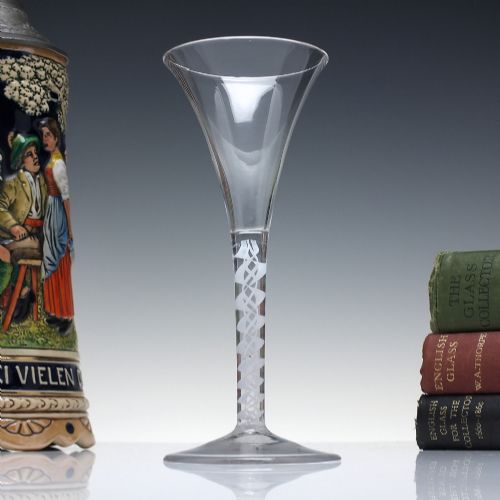


White Enamel Glass
White enamel glass pieces combine opaque vitreous fields with fine painted detailing, offering collectors a striking record of decorative skill across multiple centuries.
White Enamel Glass
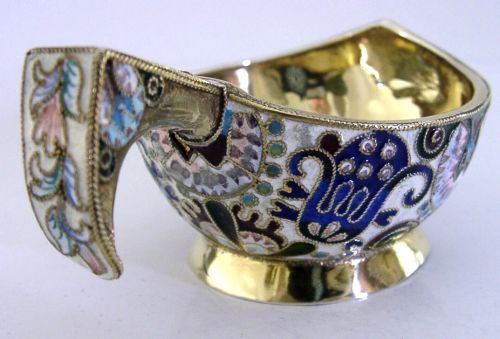
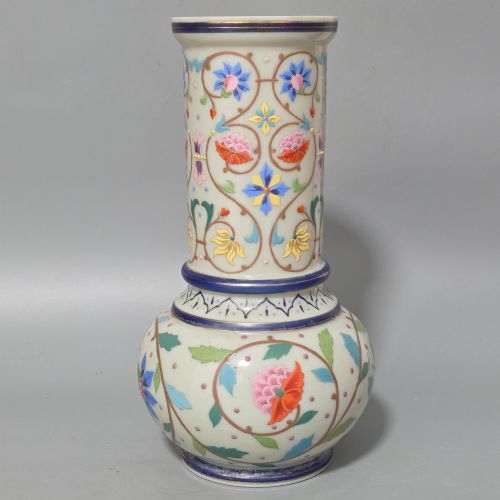
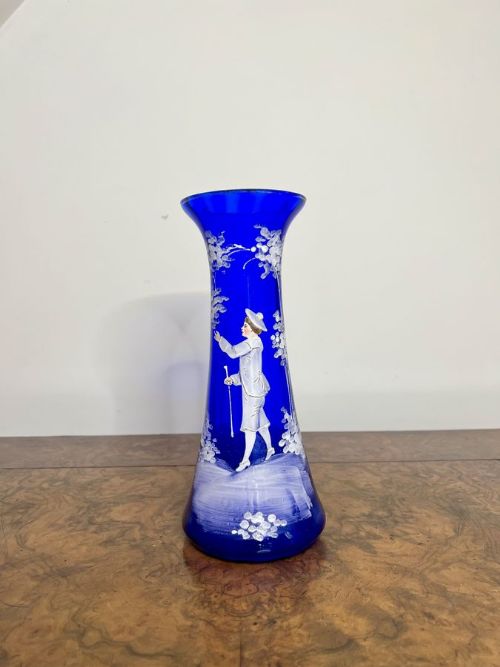
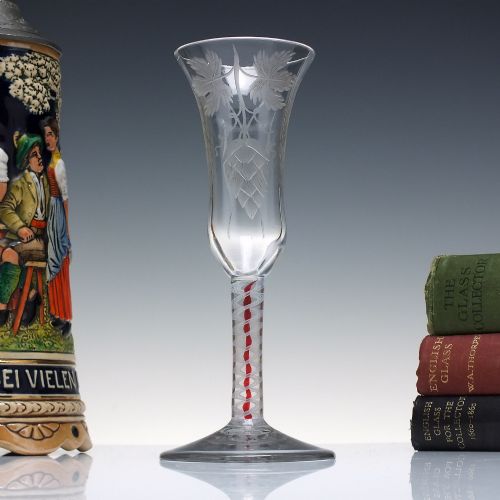
White enamel glass encompasses a range of decorative objects, from nineteenth-century Mary Gregory vases to eighteenth-century Bohemian decanters. These items showcase opaque or milk glass surfaces ornamented with contrasting painted or fired enamel designs.
The pieces appearing most frequently span the Victorian era and the eighteenth century, taking the form of ewers, jars, and coloured glass vessels decorated with floral or figurative motifs.
Materials and construction methods
The foundation relies on lead glass, opaline, or milk glass, shaped into vessels, flasks, and decanters. Artisans then applied white enamel and coloured pigments directly to the vitreous body.
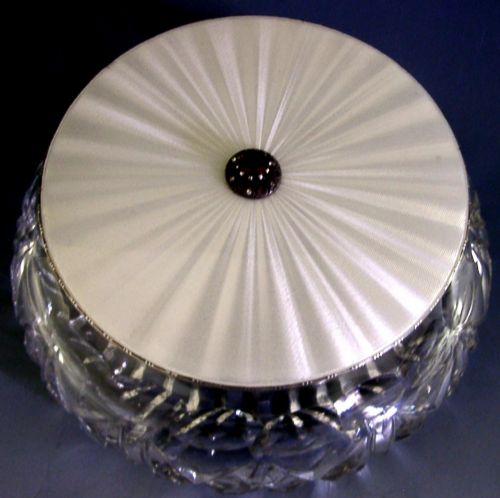
Many examples incorporate supplementary elements such as brass mountings, sterling silver collars, or gilding to complement the painted glass surfaces.
The listings span multiple centuries, uniting eighteenth-century Georgian glassware with Victorian Mary Gregory pieces and twentieth-century dressing table accessories.
Assessing quality in enamel glass
Quality rests upon the crispness of the enamel work and the clarity of the underlying glass form. Finer pieces display precise brushwork in floral or figurative scenes rather than flat, heavy application.
The weight and integrity of the base material, alongside any supplementary metal mounts like brass or silver, separate standard utilitarian vessels from superior examples.
Thomas Webb·Delépine-Barrois·Douchine
The White Enamel Glass Glossary
- Mary Gregory
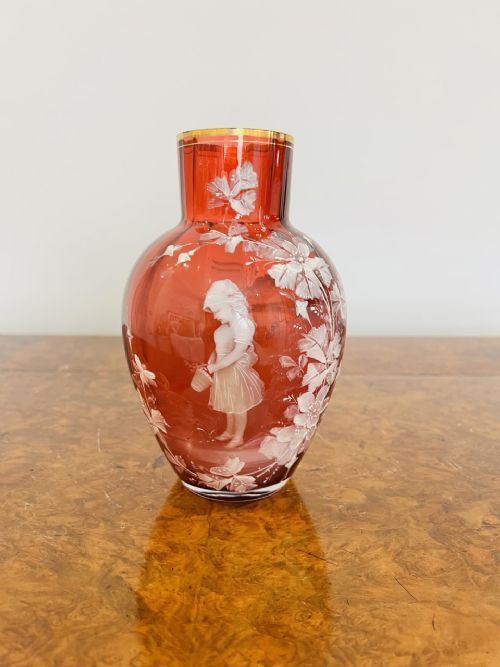
- A style of glass decoration typically featuring white enamel silhouettes of children amidst foliage, often set against coloured glass backgrounds like cranberry or blue.
- Opaline glass
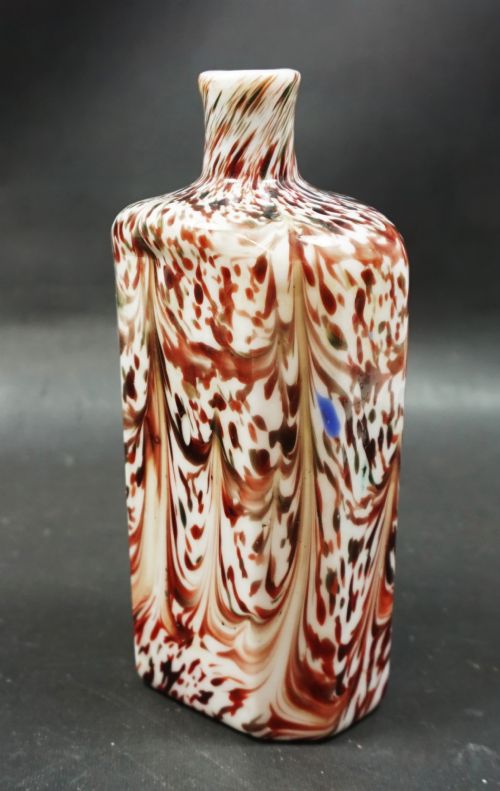
- An opaque or translucent glass developed in pale shades, frequently utilised for nineteenth-century vases, decanters, and decorative table sets.
- Enamel
- A vitreous composition fused to the surface of glass through heat, providing durable coloured or white decoration.
- Decanter
- A stoppered glass vessel designed for holding and serving liquids, occasionally rendered in white opaline with enamel detailing.
- Mantle lustre
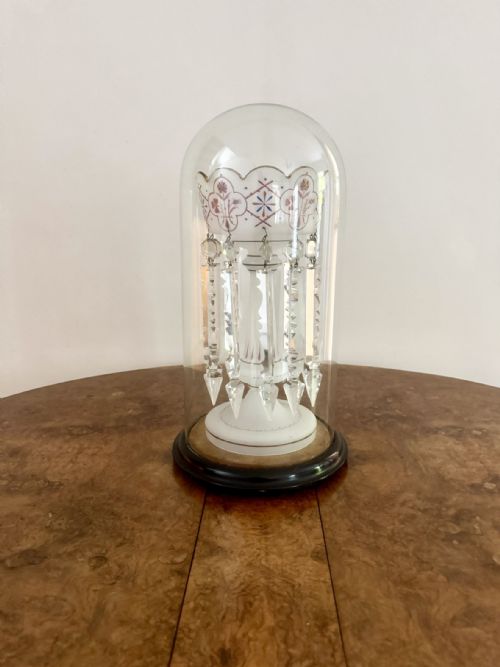
- A decorative glass vase hung with glass prisms, often produced in pairs during the Victorian period with overlaid colours and enamel highlights.
White Enamel Glass: Frequently Asked Questions
What is white enamel glass?
White enamel glass refers to translucent or opaque glass vessels decorated with fired white enamel paint, often depicting floral motifs or figures. These pieces range from eighteenth-century flasks to Victorian decorative ware.
Maker techniques and glass colours vary widely across the periods represented in the archive, encompassing both English and continental European production.
How do I date a piece?
Dating relies on the form of the glass, the style of the enamel painting, and any associated mounts. Eighteenth-century examples often feature simple blown forms with minimal decoration, while Victorian pieces tend towards vibrant coloured glass and distinct figural enamel.
Examining the base and the composition of the glass body helps separate earlier European specimens from later nineteenth-century items.
How should I clean these items?
Cleaning requires gentle handling with lukewarm water and mild soap, avoiding harsh abrasives that might damage the surface enamel. Enamelled decoration is sensitive to prolonged soaking and strong chemical cleaners.
Dry the piece thoroughly with a soft cloth to protect both the glass body and any metal mounts or gilding.
Where were these pieces made?
Production centres included England, Bohemia, and France, with various regional workshops producing distinct styles of opaline and enamelled glassware. Continental European pieces frequently utilised milk glass and overlaid techniques.
English glasshouses also contributed significant quantities of decorated tableware and mantle ornaments throughout the nineteenth century.