



White Chinese Ceramic Plate
White chinese ceramic plate pieces span centuries of kiln craft, offering collectors hand-painted cobalt scenes, armorial crests, and large decorative chargers.
White Chinese Ceramic Plate
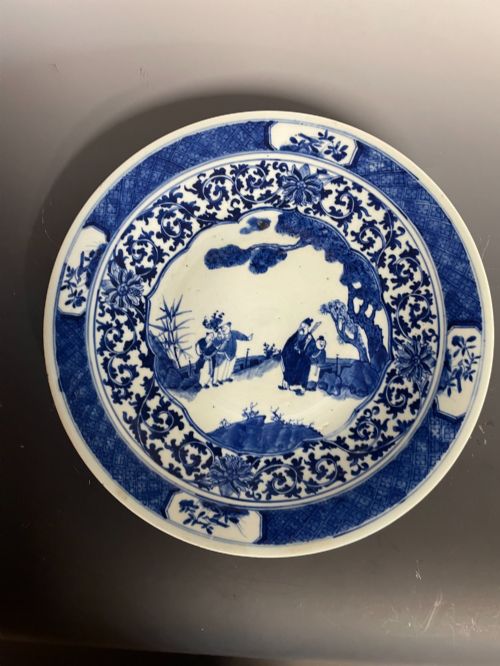
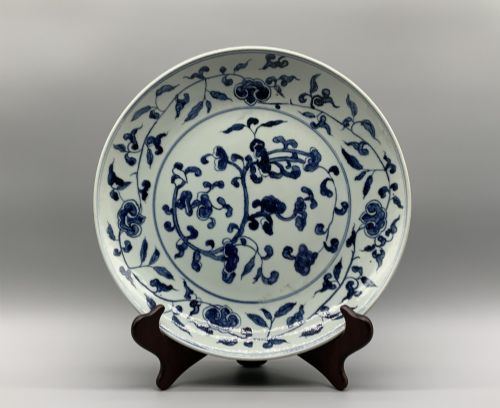
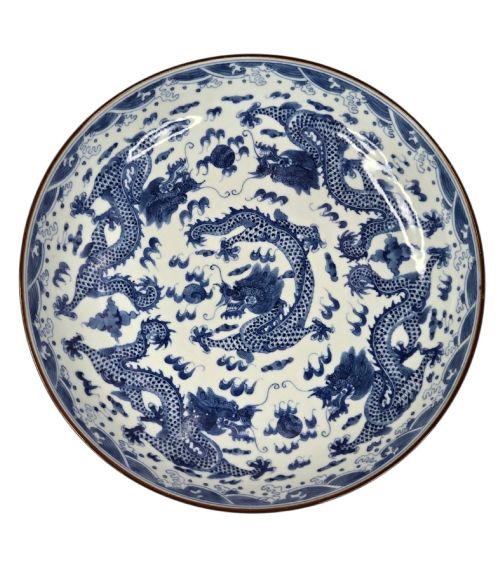
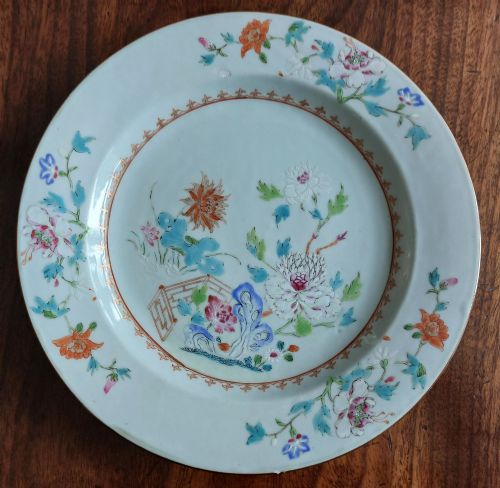
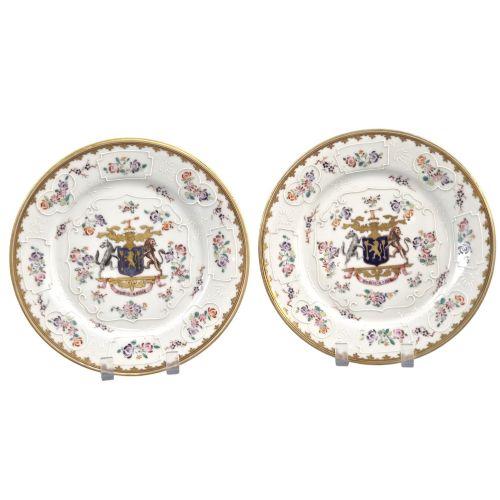
Forms range widely from standard plates and soup plates to deep dishes, platters, bowls, and large chargers. Many items carry blue and white decoration, whilst others display the colourful enamel work of the Famille Rose palette or armorial crests.
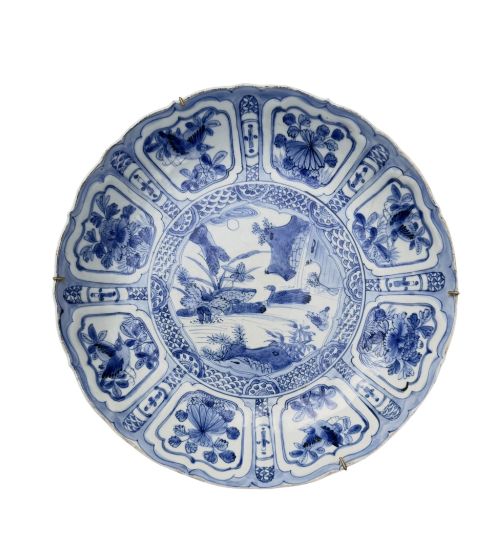
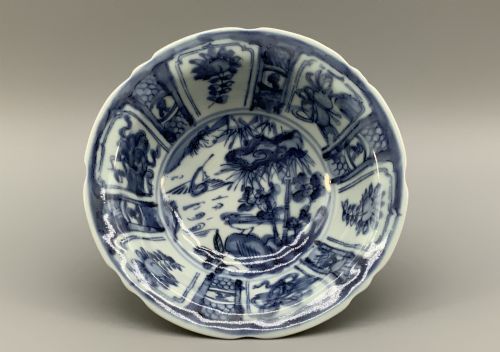
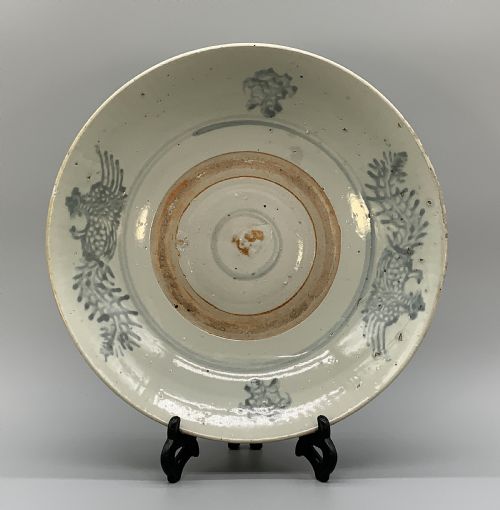
Buyers encounter everything from sixteenth-century Kraak ware and Ming Dynasty Swatow pieces to Kangxi period porcelain and later nineteenth-century revival items. European makers such as Minton, Worcester, and Edme Samson also contribute to the range with Chinese-inspired patterns.
Materials and methods
Potters shaped fine porcelain, earthenware, and pearlware bodies, applying cobalt pigment beneath the glaze or painting over the glaze with enamel colours. Certain pieces incorporate gilt detailing or moulded floral rims to add texture to the ceramic surface.
Kiln techniques evolved from early Wanli and Ming Dynasty production methods through to eighteenth-century Qianlong standards and nineteenth-century transfer printing. Hand-painting dominates the earlier wares, whilst later English and French factories occasionally utilised transfer-printed garden and pagoda designs.
The inventory includes blue and white cobalt designs, polychrome enamel Famille Rose pieces, and armorial crests.
Quality and craftsmanship
The standard of a piece rests upon the precision of the hand-painted brushwork, the clarity of the cobalt or enamel pigments, and the purity of the ceramic body. Early period pieces show distinct throwing rings, glaze pooling, and hand-finished foot rims that reflect individual kiln conditions.
Armorial commissions and imperial marked pieces display superior detail in heraldic crests and dragon motifs. Lesser examples show simpler execution, heavier body weight, or standard transfer printing rather than individual artist brushwork.
Minton·Worcester
The White Chinese Ceramic Plate Glossary
- Kraak porcelain
- Chinese export porcelain produced mainly during the Wanli period, typically featuring panelled borders and central botanical or animal motifs.
- Famille Rose
- A palette of opaque enamel colours introduced in the eighteenth century, dominated by pink or rose hues derived from colloidal gold.
- Swatow ware
- A term for rougher Chinese ceramic wares made in Guangdong province during the late Ming dynasty, often exported in large quantities.
- Armorial
- Bearing a coat of arms, usually commissioned by European families for ceramic dinner services produced in China.
- Charger
- A large decorative plate or platter used traditionally for serving food or display on a sideboard.
White Chinese Ceramic Plate: Frequently Asked Questions
How do I date an old plate?
Dating relies on examining the ceramic body, glaze characteristics, foot rim finish, and pigment styles. Cobalt tones and painting techniques shift noticeably between sixteenth-century Ming pieces, seventeenth-century Kangxi wares, and later nineteenth-century productions.
Potter marks, reign marks, and armorial details provide further chronological clues. Comparing the potting weight and edge finish against documented examples helps confirm the period of manufacture.
Are these plates safe for daily dining?
Most antique and vintage ceramic pieces are better suited for display rather than everyday use. The age of the glaze, potential lead content in older enamels, and the risk of thermal shock mean modern dishwashers and microwaves should be strictly avoided.
Gentle hand washing in lukewarm water with mild soap is recommended if cleaning is necessary. Storing them on padded plate stands or in secure cabinets protects the edges and painted surfaces from chips.
What is Chinese export porcelain?
Chinese export porcelain refers to ceramics made in China specifically for European and Western markets from the sixteenth century onwards. These items often combined traditional Chinese shapes and painting skills with Western heraldry, shapes, or decorative themes requested by foreign buyers.
Such pieces travelled vast trade routes via maritime companies, resulting in distinct wear patterns and historical provenance. They demonstrate a fascinating cross-cultural exchange in ceramic design and manufacturing.
How do I display large chargers?
Large chargers and platters require sturdy wall-mounting brackets with protective rubber sleeves or dedicated deep-grooved display stands. Placing them securely on sideboards or hung on reinforced walls ensures their weight is properly supported without straining the ceramic rim.
Keep display locations away from direct sunlight and high traffic areas to prevent accidental knocks. Proper lighting from above highlights the cobalt blue tones or enamel details effectively.