






White Ceramic Display Dishes
White ceramic display dishes bring historical porcelain, earthenware, and tin glaze into rooms as decorative plates, chargers, and platters.
White Ceramic Display Dishes
White ceramic display dishes encompass decorative plates, chargers, and cabinet pieces originating from periods spanning the seventeenth century to the Victorian era. When searching for white ceramic display dishes, buyers encounter English factories, European manufactories, and East Asian porcelain traditions.
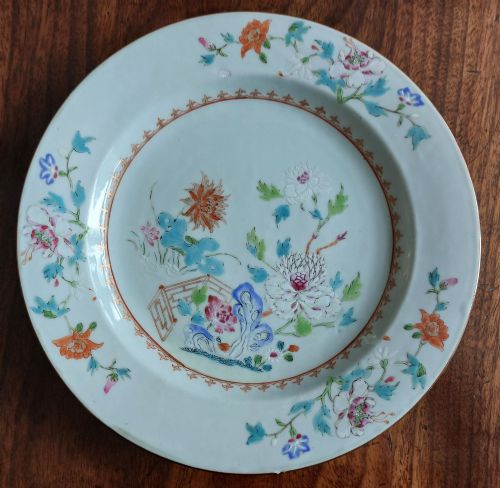
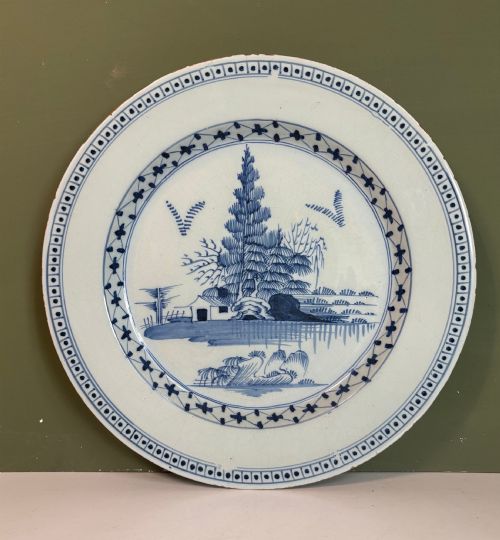
The selections on this page most frequently include eighteenth-century Delft chargers, Japanese Imari porcelain, and English factory plates from the Georgian and Victorian periods. These objects serve primarily as visual display items rather than utilitarian tableware.
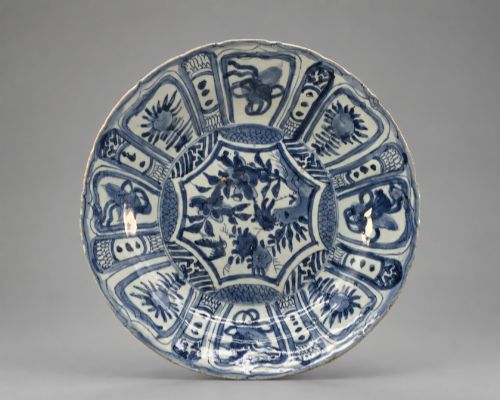
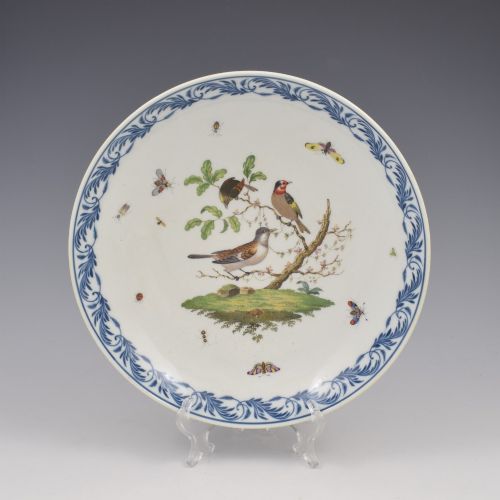
Examples range from early saltglazed chargers and Chinese Kraak porcelain to Minton and Meissen decorative plates. Each piece demonstrates the historical ceramic forms associated with white ceramic display dishes.
How white ceramic display dishes were made
Potters utilised paste, earthenware, and porcelain bodies, applying tin glaze, enamel, and cobalt pigment before firing. Many items incorporate hand-painted motifs or transferware printing executed in European and Asian workshops.
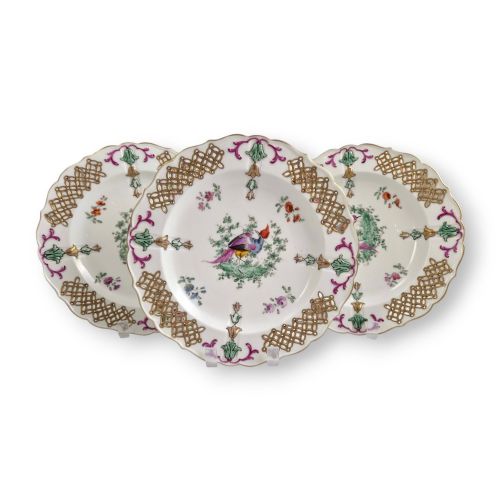
Factories employed gold leaf detailing and reticulated openwork cutting to enhance cabinet plates and dessert dishes. The physical structure relies on high-temperature kiln firing of ceramic clay and mineral glazes.
White Ceramic Display Dishes Retail Price Guide 2026
Typical asking prices for white ceramic display dishes among the pieces listed under this phrase on Sellingantiques today, from the lower quarter to the upper quarter. They describe what is for sale here now, not the wider market.
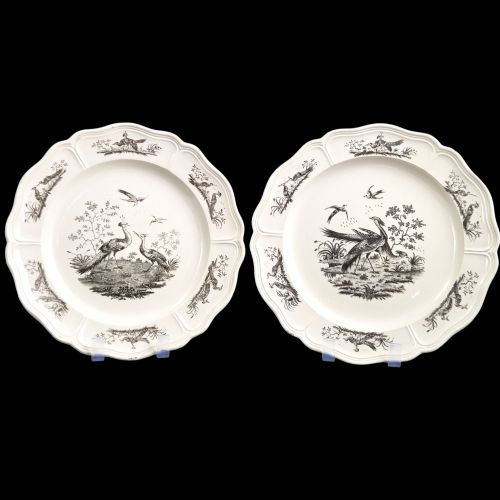
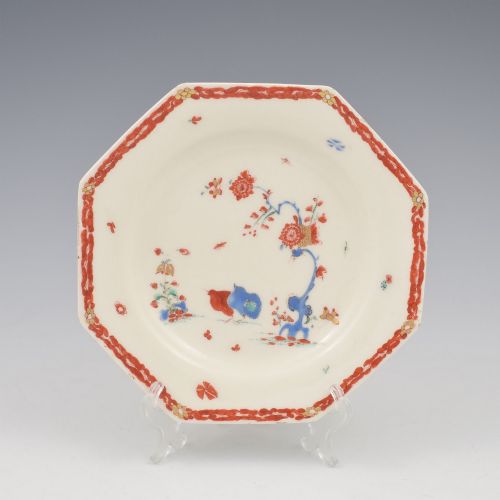
Bow porcelain plates from seventeen-fifty-five preserve the painted likenesses of two tiny partridges.
What varies in quality
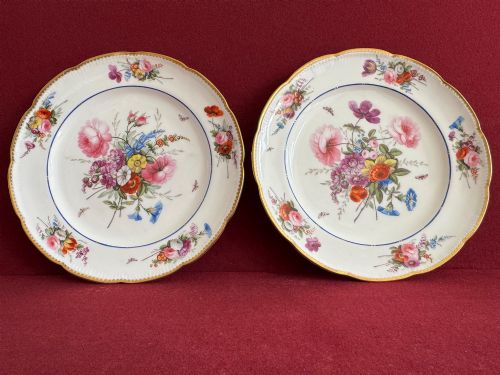
Quality rests upon the crispness of the painted detail, the purity of the white glaze, and the precision of the form. Hand-painted botanical studies and armorial crests demonstrate superior painterly execution compared to standard production.
The weight and resonance of the porcelain body, alongside the stability of the glaze without excessive pitting, separate standard wares from works produced by premier factories.
Flight, Barr And Barr·Leeds Pottery Liverpool·Edmé Samson And Cie·John Ridgway
The White Ceramic Display Dishes Glossary
- Charger
- A large decorative plate intended for display on a wall or dresser rather than for dining use. These substantial pieces provide a broad surface for painted scenes.
- Tin Glaze
- An opaque white ceramic glaze containing tin oxide, which forms a smooth surface for painted decoration. This technique defines European Delftware and faience.
- Reticulated
- Having an openwork network pattern cut into the ceramic body before firing. This decorative border technique appears on cabinet plates.
- Kraak Porcelain
- Chinese export porcelain characterised by panelled borders and central blue and white designs. It was widely imported to Europe during the seventeenth century.
- Armorial
- Bearing a painted coat of arms or family crest commissioned by a specific patron. These bespoke ceramics record historical lineage.
White Ceramic Display Dishes: Frequently Asked Questions
How were display dishes used historically?
Historically, large chargers and cabinet plates were arranged on sideboards, dressers, or walls to demonstrate household wealth and taste.
They functioned primarily as decorative focal points in formal rooms rather than serving vessels for food.
Can these antique plates be hung on walls?
Many display pieces feature sturdy historical bodies that tolerate careful hanging using appropriate, non-damaging wire display brackets.
Assessing the weight and edge profile ensures the plate safely supports its own suspension.
How do I distinguish Delftware from porcelain?
Delftware utilises a porous earthenware body covered in an opaque white tin glaze that shows a softer surface.
Porcelain is vitrified, harder, and rings when tapped, maintaining a denser structure fired at higher temperatures.
What periods do these ceramic dishes represent?
The inventory spans from the seventeenth century through the Georgian and Victorian eras up to nineteen-hundred.
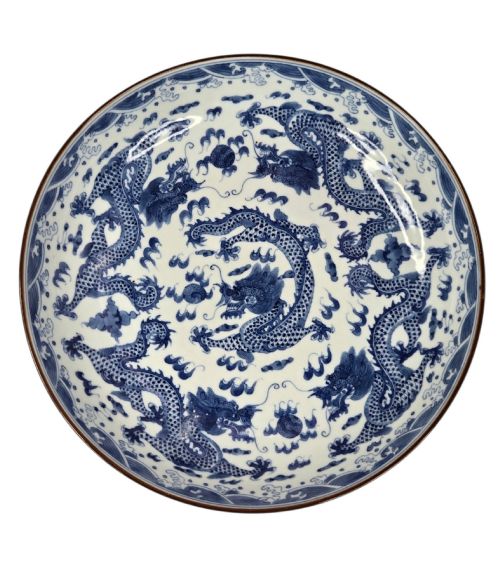
Each period introduces distinct painting styles, from Chinese blue and white dragons to Aesthetic movement motifs.