





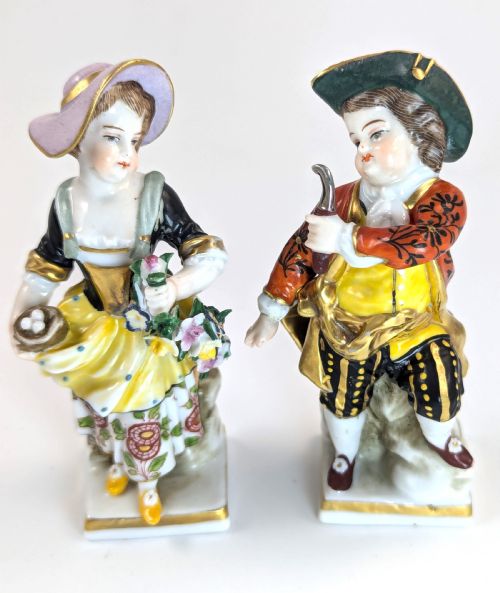


Antique Chelsea Style Porcelain
Antique chelsea style porcelain brings vibrant Rococo Revival energy and decorative flair to a room, offering colourful figures and painted wares.
Antique Chelsea Style Porcelain
Antique chelsea style porcelain consists of decorative plates, bowls, vases, and figurines produced in imitation of historic English wares. These pieces draw heavily on 18th-century models, capturing the playful spirit of earlier originals.
Buyers most frequently meet Victorian interpretations on this page, particularly pieces originating from 19th-century French workshops. Parisian makers such as Samson specialised in recreating these historical forms during the Victorian era.
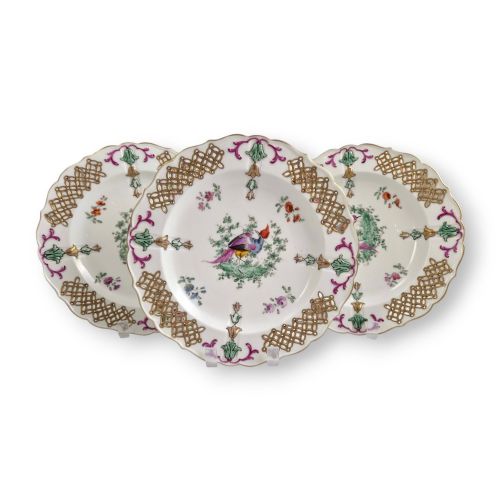
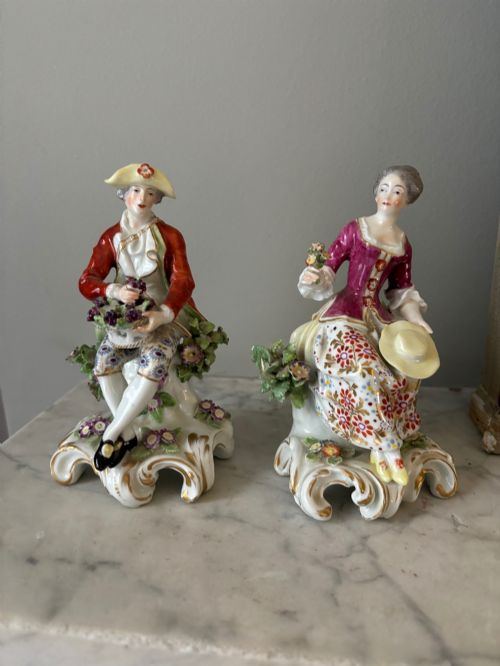
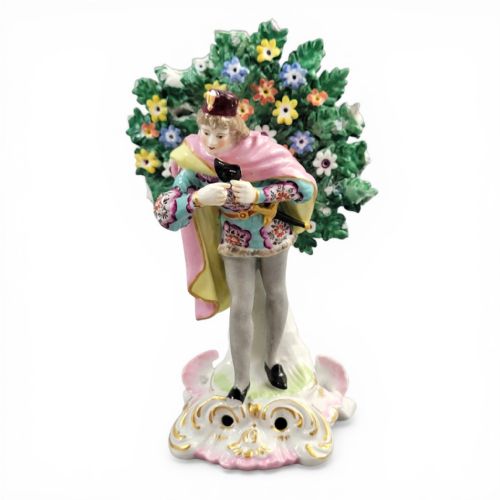
The selection ranges from reticulated plates and exotic bird vases to pastoral figures and bocage groups. These objects reflect the enduring 19th-century appetite for revivalist ceramics that mimic earlier Georgian aesthetics.
How these pieces were made
Makers utilised both soft-paste and hard-paste porcelain bodies to form these decorative objects and figures. Moulding allowed workshops to replicate intricate Rococo shapes, pastoral scenes, and elaborate bocage backgrounds.
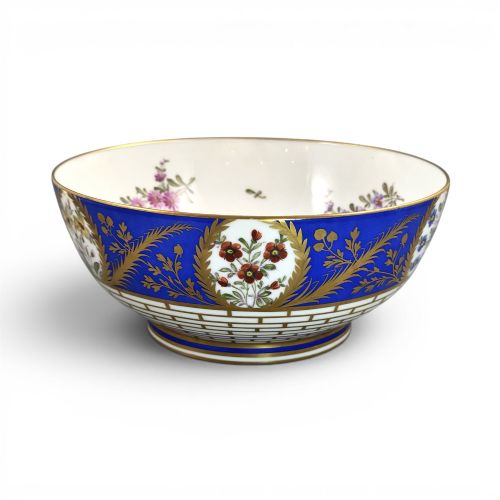
Enamel colours were applied by hand to decorate the surfaces, bringing life to birds, garments, and floral motifs. Artisans finished these pieces with gold leaf, gilding, or gilt highlights to accentuate moulded details and borders.
Antique Chelsea Style Porcelain Retail Price Guide 2026
Typical asking prices for chelsea style porcelain among the pieces listed under this phrase on Sellingantiques today, from the lower quarter to the upper quarter. They describe what is for sale here now, not the wider market.
The documented styles span Rococo Revival, Chelsea-Derby Revival, and Georgian aesthetics across various plates, bowls, and vases.
What varies in quality
The precision of the hand-painted enamel decoration significantly separates standard items from superior examples. Finer pieces display crisp brushwork and subtle shading on figures, birds, and botanical motifs.
The application of gilding and gold leaf also marks a difference in execution. Skillful tooling and rich application elevate the appearance of moulded borders and accents.
Edme Samson·Samson Paris·Edmé Samson Paris·Samson of Paris
The Antique Chelsea Style Porcelain Glossary
- Bocage
- An applied background of leaves and flowers modelled around porcelain figures. This technique creates a dense, leafy arbour effect behind pastoral characters.
- Reticulated
- Decorated with an openwork pattern resembling a net or lattice. This pierced design appears frequently on decorative plates.
- Hard-paste porcelain
- A durable ceramic paste fired at high temperatures using kaolin and petuntse. It provides a dense, vitreous body for moulded wares.
- Soft-paste porcelain
- An artificial porcelain composition fired at lower temperatures than hard-paste. It yields a warmer body and distinct glaze texture.
- Gilt
- Covered or highlighted with a thin layer of gold or gold-coloured material. This finish adds decorative brilliance to rims and moulded highlights.
Antique Chelsea Style Porcelain: Frequently Asked Questions
What is chelsea style porcelain?
Chelsea style porcelain refers to decorative ceramics and figures modelled after the famous 18th-century English factory's output. Many examples seen today are 19th-century revivals created by continental workshops.
These later pieces emulate the vibrant colours, pastoral subjects, and rococo forms of the original English ceramics while using contemporary manufacturing techniques.
How can I identify 19th-century pieces?
Nineteenth-century revival pieces often display characteristic French or German paste compositions and enamels that differ from 18th-century originals. Close inspection of the glaze and painting style helps reveal the later date of manufacture.
Makers' marks, or intentional simulations of earlier anchor marks, also provide clues to the true Victorian or continental origin of the item.
Where were these pieces made?
While original works date back to 18th-century England, a large portion of the revival items on the market originated in France. Parisian workshops, particularly Samson, produced extensive ranges of these decorative wares.
German factories also contributed to the tradition, creating pastoral figures and decorative table pieces in the same revivalist taste.
How should I display them?
These colourful figures and decorative plates suit cabinet display or placement on sturdy mantelpieces where their hand-painted details can be appreciated. Their vibrant enamels and gilt highlights bring warmth to traditional interiors.
Care should be taken to place them on stable surfaces away from high-traffic areas to protect delicate bocage and projecting elements.