

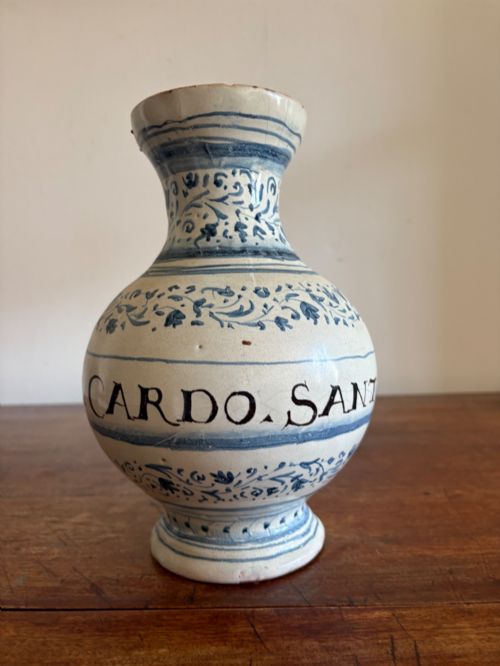


White Ceramic Apothecary Jar
These white ceramic apothecary jars bring centuries of pharmacy history into your home, offering classic blue and white display forms prized by collectors.
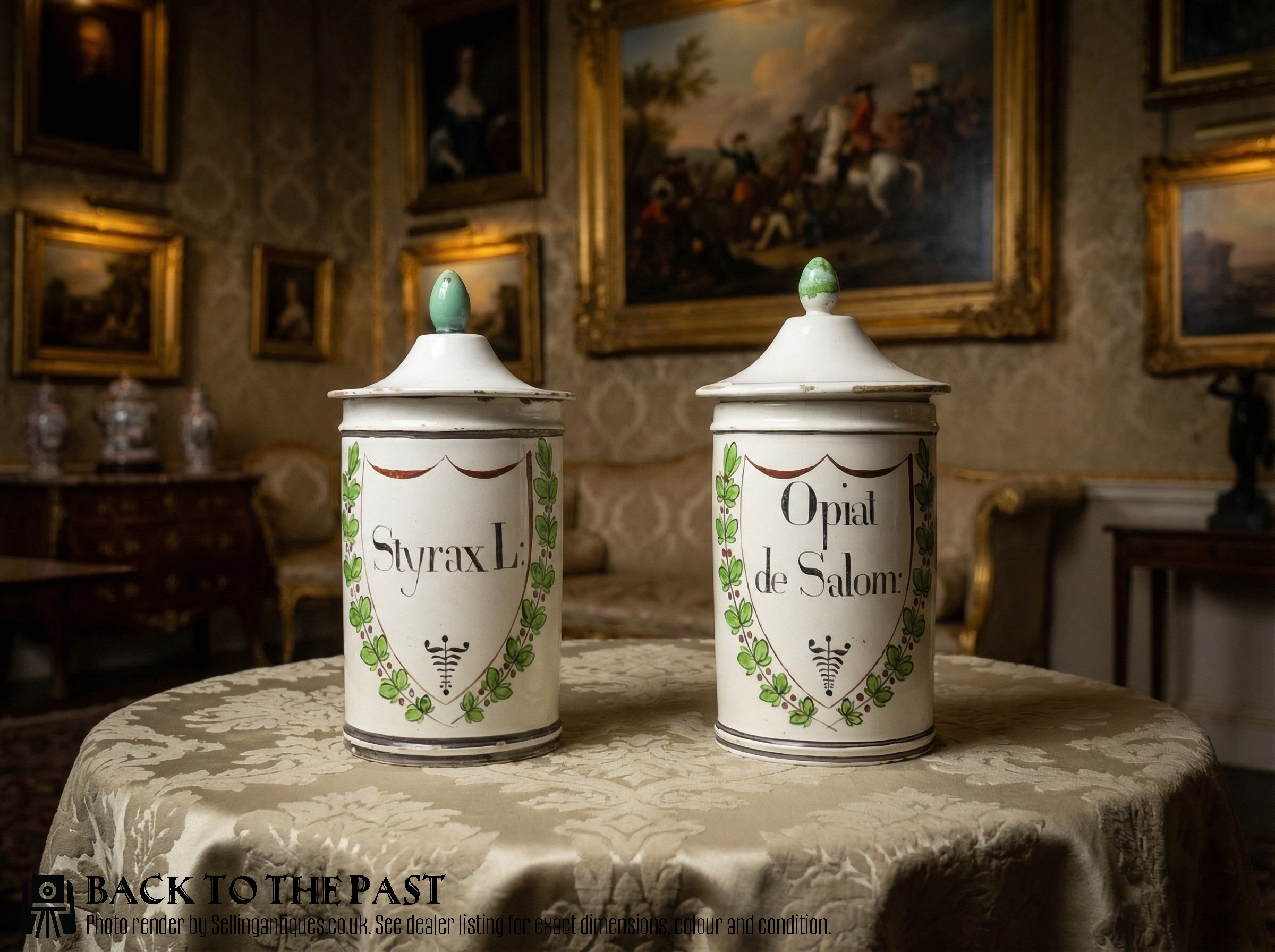
White Ceramic Apothecary Jar
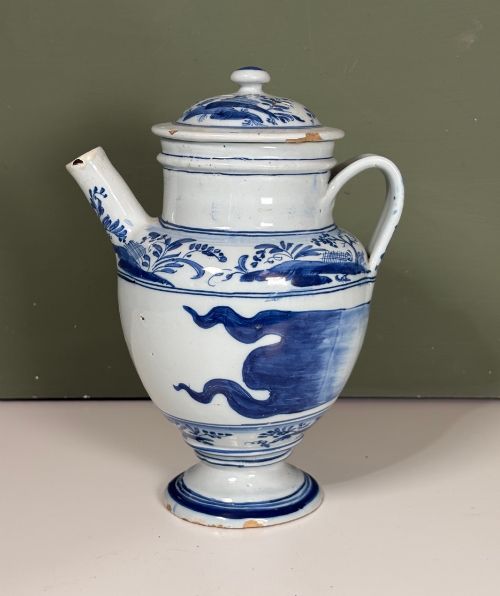
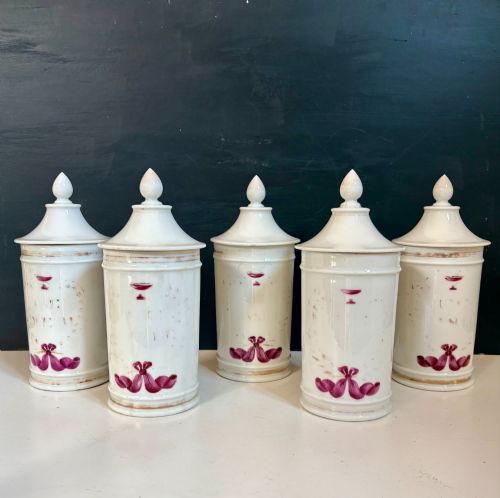
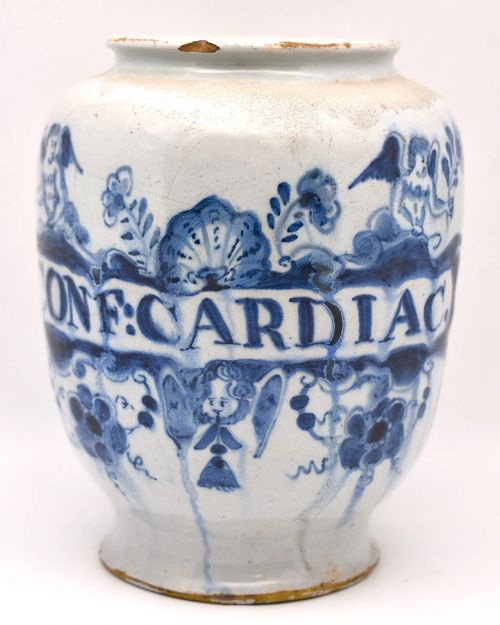
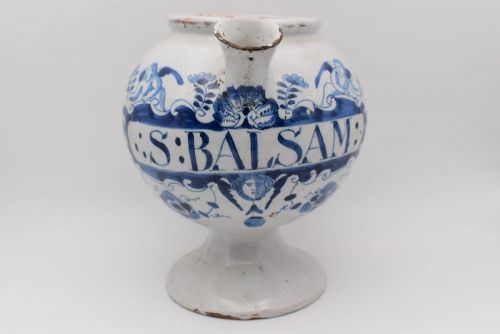
A white ceramic apothecary jar serves as a striking display piece, drawing the eye with centuries of hand-painted pharmacy inscriptions and heraldic motifs. When you search for white ceramic apothecary jar, you encounter vessels originating from 17th-century workshops through to the 19th-century Victorian era. The most common forms on this page include tall albarello jars and handled wet drug jugs.
English delftware and Italian majolica represent the primary geographic origins seen across these listings. Dutch delft examples also appear, often featuring characteristic cobalt pigment decoration on tin-glazed earthenware bodies. These containers held dried herbs, ointments, and medicinal syrups in historic European dispensaries.
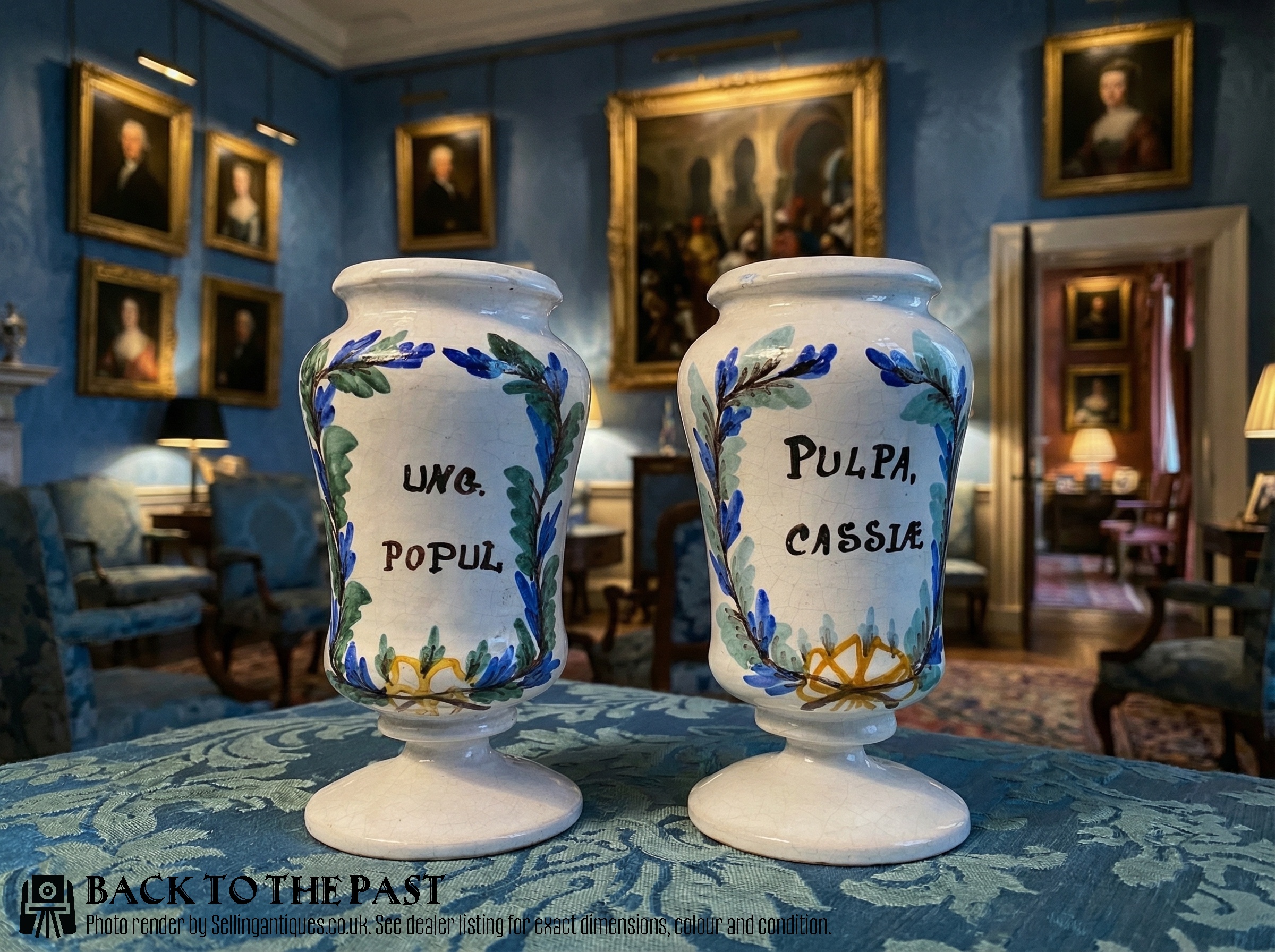
Materials and production
Potters shaped these vessels from earthenware or porcelain, applying an opaque tin glaze to create the smooth white background essential for subsequent painting. Artisans utilised cobalt pigment and polychrome enamels to brush inscriptions, cherubs, and shell motifs directly onto the unfired glaze before the final kiln firing.
Some examples incorporate subsidiary elements such as brass fixtures. The resulting surfaces display the characteristic soft gloss and slight crazing associated with traditional tin-glazed earthenware manufacture.
Some jars still carry the ghosts of ancient medical syrups, labeled with mysterious Latin abbreviations for medieval remedies.
Assessing quality
Quality rests upon the clarity and crispness of the hand-painted blue and white or polychrome decoration. Superior examples exhibit finely detailed cartouches, legible pharmacy inscriptions, and well-preserved glaze surfaces across the body and any accompanying covers.
The sophistication of the form, such as a well-proportioned waisted albarello profile, separates finer historic pieces from standard utility wares. Early manufacturing dates, particularly those from the 17th century and early 18th century, command greater interest among serious collectors.
The White Ceramic Apothecary Jar Glossary
- Albarello
- A cylindrical pharmacy jar with an inward-curving waist designed for easy gripping on apothecary shelves. This shape originated in the Middle East and spread throughout Italian and Dutch ceramic traditions.
- Tin glaze
- An opaque white glaze made by adding tin oxide to a lead glaze. It provides a smooth canvas for painted decoration on earthenware bodies.
- Majolica
- Italian tin-glazed earthenware decorated with colourful metal oxides. It achieved widespread popularity during the Renaissance and later periods for pharmacy wares.
- Delftware
- Tin-glazed earthenware produced in the Netherlands and England, typically finished in white with blue pigment designs. English and Dutch makers adapted these techniques from Chinese porcelain imports.
- Wet drug jar
- A specialised pharmacy vessel featuring a spout or wide mouth intended for liquid syrups and oils. These often include painted labels denoting specific apothecary contents.
White Ceramic Apothecary Jar: Frequently Asked Questions
What did apothecary jars hold?
Historic pharmacies utilised these ceramic vessels to store dried medicinal herbs, chemical powders, and liquid syrups. Each jar featured a painted label to identify the specific contents for the apothecary.
Over time, these utilitarian containers transitioned from working dispensaries into decorative display objects valued for their historic painted inscriptions and forms.
How do I distinguish Italian majolica from English delft?
Italian majolica typically employs vibrant polychrome pigments or deep cobalt blue on tin-glazed earthenware, often displaying Renaissance or Baroque artistic influences. English delftware leans towards distinctive blue and white designs with specific regional lettering.
Examining the glaze composition, base characteristics, and stylistic painting motifs helps clarify the geographic origin of each individual piece.
Are these jars waterproof?
While historic tin-glazed earthenware holds liquids for storage in period dispensaries, age and historical hairline fractures mean modern use for liquids is generally discouraged. Porous ceramic bodies and historic glazes require careful handling to prevent moisture damage.
These pieces function best as decorative interior items rather than active containers for plants or liquids.
How should I clean my ceramic jar?
Dust the surface gently with a soft, dry cloth to preserve the delicate tin glaze and historic painted pigments. Avoid abrasive cleaners, soaking, or chemical solvents that might harm the porous earthenware body.
Proper environmental placement away from direct sunlight and excessive humidity protects the glaze integrity over the long term.