


Antique Pharmacy Display Jar
These antique pharmacy display jar examples bring crisp medicinal history into modern rooms, offering heavy glass forms and tin-glazed earthenware that catch the light.
Antique Pharmacy Display Jar
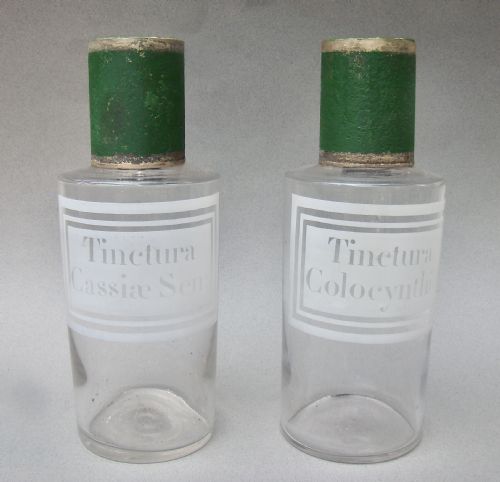
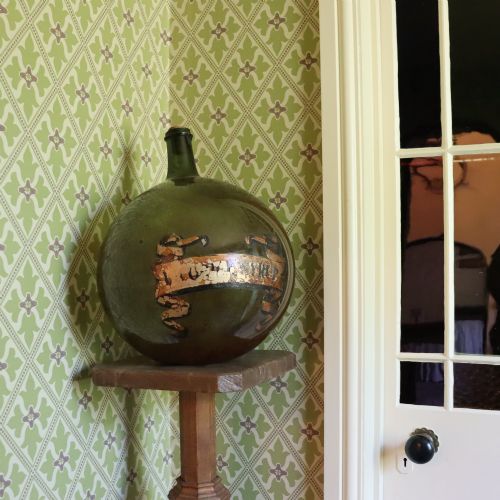
An antique pharmacy display jar serves as a tangible link to historical apothecary shops, where medicinal ingredients and chemical compounds were once stored in plain sight. Buyers seeking these vessels encounter various forms, ranging from tall glass carboys to lidded containers labelled for specific substances like arrowroot or gelatine.
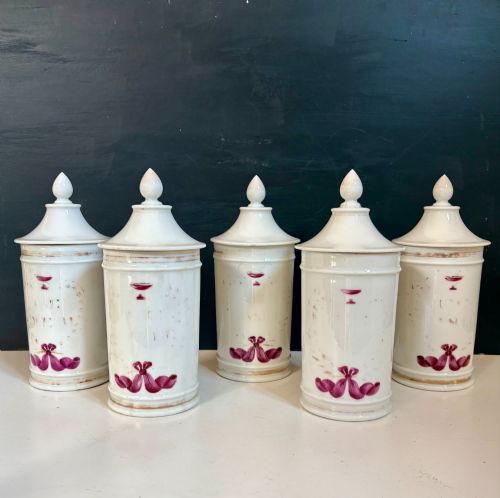
The versions most commonly met on this page span the 18th, 19th, and early 20th centuries, including Victorian and Edwardian examples alongside French 19th century items. They appear as single pieces, pairs, or matched sets, often retaining their original stoppers or covers.
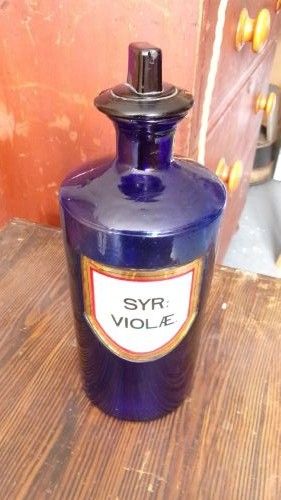
Beyond standard cylindrical jars, the selection includes deep blue chemist bottles and tin-glazed earthenware pieces from the 18th century. Each object reflects the practical storage needs of historical pharmacies while providing a striking decorative presence.
Materials and construction methods
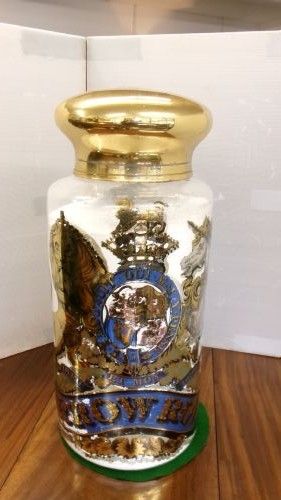
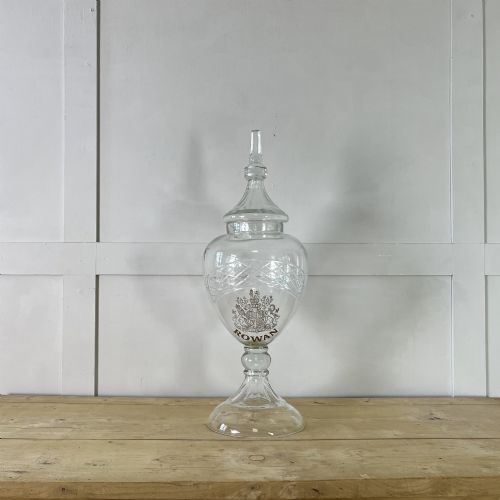
Glass production dominates these listings, utilising blown glass and cut glass techniques to shape heavy carboys, apothecary bottles, and lidded jars. Etched glass surfaces and applied gold leaf lettering often identify the contents, while matching stoppers complete the profile.
Earthenware items employ tin glaze and ceramic techniques, particularly visible in 18th century Delft and French faience pieces. These ceramic bodies provide an opaque surface suitable for painted pharmaceutical inscriptions.
Additional hardware relies on brass and other metals, occasionally utilised for secure fittings or structural mounts on larger vessels. The combination of glass, ceramic, and metal defines the tangible character of these items.
Arrowroot and gelatine once filled these very jars, waiting on Victorian dispensary shelves for someone with a weak stomach.
Assessing quality and craftsmanship
Quality in these vessels rests upon the clarity and weight of the glass, or the execution of the tin glaze on ceramic bodies. Thicker blown glass with deliberate hand-formed character commands attention, as do crisp painted details on earthenware jars.
The presence of original matching covers or stoppers elevates a piece significantly, as these fragile elements frequently did not survive centuries of use. Furthermore, legible historical lettering and well-preserved surface gilding contribute to a more complete historical example.
The Antique Pharmacy Display Jar Glossary
- Carboy
- A large, bulbous glass vessel used in laboratories and pharmacies to hold liquids. These substantial containers often sat in shop windows to catch the light.
- Delft
- Tin-glazed earthenware originating from Dutch traditions and widely adopted elsewhere for pharmaceutical containers. This ceramic surface provides a smooth white background for painted labels.
- Faience
- European tin-glazed pottery, particularly associated with French production styles seen in historical apothecary wares. The technique allows for decorative painted inscriptions directly onto the fired glaze.
- Bristol Blue
- A deep cobalt blue glass associated with Bristol manufacturing traditions, frequently utilised for chemist bottles. This distinct colour protected light-sensitive contents while offering a striking visual display.
- Stopper
- A custom-fitted plug or lid designed to seal the neck of a glass jar or bottle. Original matching stoppers are crucial for maintaining the integrity of these vessels.
Antique Pharmacy Display Jar: Frequently Asked Questions
What were pharmacy jars used for?
These jars held dry drugs, herbs, chemicals, and liquids in apothecary shops and dispensaries. Pharmacists kept them on shelves or in windows to organise stock and advertise their trade.
Larger vessels like carboys often contained distilled water or coloured liquids to signal the presence of a chemist from the street. Smaller lidded jars protected specific botanical ingredients from moisture and light.
How do I date an apothecary jar?
Dating relies on examining manufacturing techniques, material types, and style markers recorded across the periods. Pontil marks on the base of glass items and the composition of tin-glazed earthenware help narrow the decade of production.
Eighterenth-century pieces typically show tin glaze and Delft characteristics, whereas Victorian and Edwardian examples frequently feature heavy cut glass or specific etched lettering styles.
How should I clean glass display jars?
Gentle dusting with a soft cloth preserves the fragile surfaces and any historical gold leaf or painted labels. Avoid harsh chemical cleaners that might strip delicate markings or original finishes.
If washing is necessary, use lukewarm water with mild soap and dry immediately with a lint-free cloth. Submersing pieces with painted or gilded details requires extreme caution.
Are stoppers usually original to the jars?
Many surviving jars retain their matching stoppers or covers, though replacements occur frequently due to accidental breakage over time. Examining the fit, wear patterns, and glass tone helps determine if a stopper belongs to the vessel.
Matching stoppers enhance the completeness of the piece, but jars without them remain collectable examples of pharmacy history.