
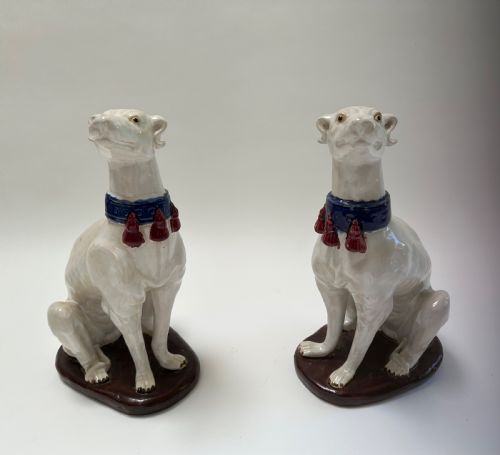
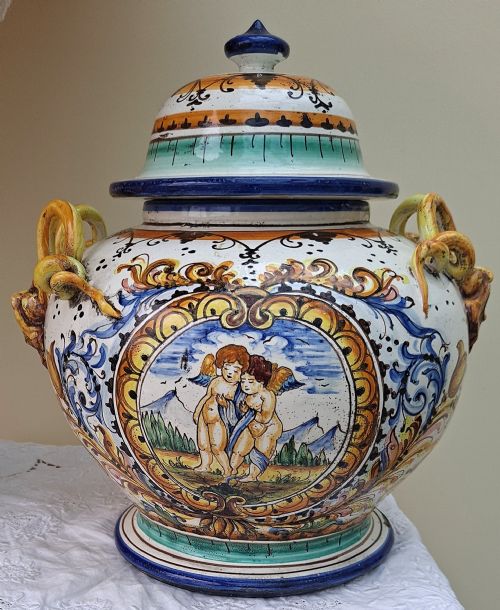


Italian Faience Pottery
These pieces of italian faience pottery bring rich painted narratives and historic forms straight into your interior.
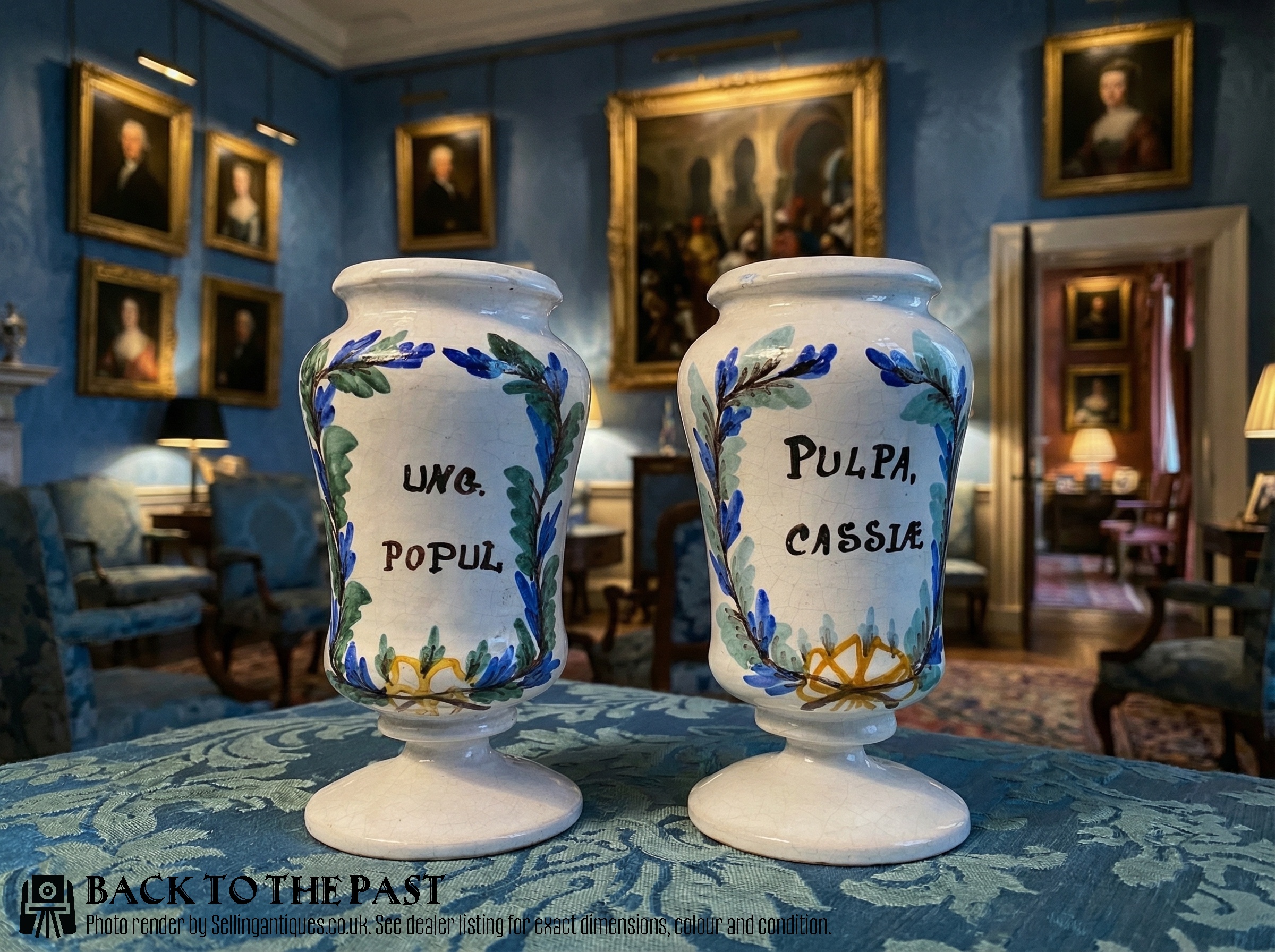
Italian Faience Pottery
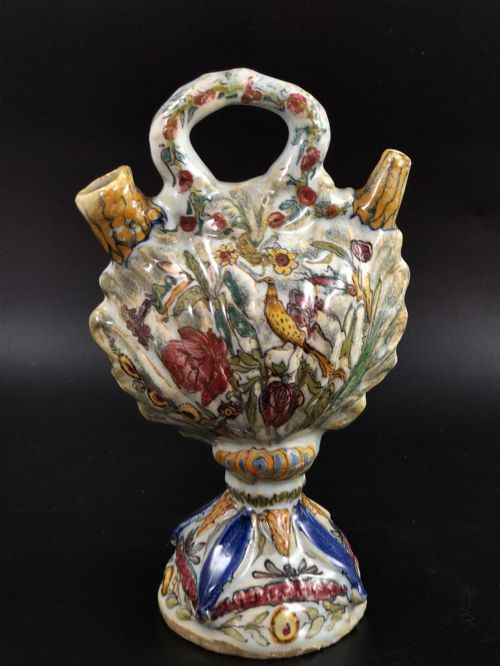
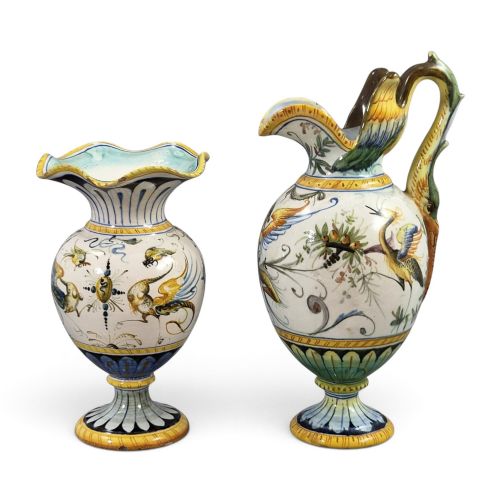
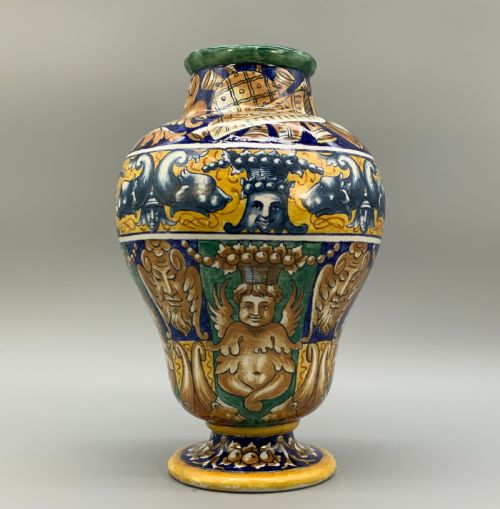
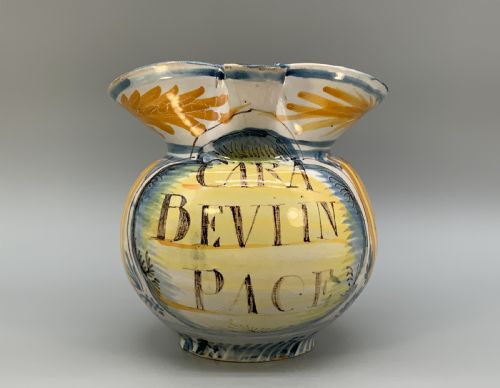
Italian faience pottery encompasses tin-glazed earthenware vessels and wall art originating from various centuries, dominated by the nineteenth century. The selection ranges from apothecary jars and pharmacy jugs to decorative vases, urns, and chargers.
Buyers will frequently encounter albarello drug jars and painted pilgrim flasks alongside revival ewers and devotional plaques. These utilitarian and decorative objects carry traditional motifs executed in polychrome or blue and white palettes.
The objects bridge centuries of ceramic tradition, spanning seventeenth-century origins through eighteenth-century forms and nineteenth-century revivals. Each piece reflects the enduring legacy of Italian majolica production methods.
Materials and construction
Artisans formed these pieces from earthenware or terracotta bases, applying a tin glaze to create a smooth white ground for painting. Pigments and enamels were then brushed directly onto the unfired or fired glaze.
Metallic lustre additions appear on select vessels, providing reflective surfaces alongside hand-painted polychrome details. The combination of tin-glazing and ceramic pigments allowed workshops to achieve lasting colour and depth.
The inventory includes items from the seventeenth, eighteenth, and nineteenth centuries, alongside pieces from 1920.
Distinctions in quality
The success of an Italian faience piece rests on the precision of the hand-painted decoration and the harmony of the palette. Mastery in brushwork distinguishes ambitious pictorial chargers and apothecary jars from simpler production.
Depth of glaze and the crispness of polychrome or mangonese pigments dictate the visual impact of the vessel. Pieces retaining clear historical revival styles or specific regional origins demonstrate higher artistic ambition.
Cantagalli Florence·Savona Majolica·Bassano pottery works·C. Ravier
The Italian Faience Pottery Glossary
- Maiolica
- Tin-glazed earthenware produced in Italy, known for colourful painted decoration. This term is frequently used interchangeably with faience in Italian ceramic contexts.
- Albarello
- A cylindrical earthenware jar designed for pharmacy use, typically featuring an indented waist for gripping. These drug jars often display botanical or heraldic motifs.
- Ewer
- A large jug with a wide spout and handled body, historically used for pouring water. In Italian pottery, these often serve purely decorative revival functions.
- Charger
- A large ornamental decorative plate meant for display on walls or tables rather than dining. They often feature complex historical or religious scenes.
- Pilgrim flask
- A flat-sided vessel with loops for suspension, originally carried by travellers. Ceramic iterations replicate this historic leather or metal form for display.
Italian Faience Pottery: Frequently Asked Questions
What is italian faience pottery?
It is tin-glazed earthenware decorated with pigments, encompassing items from pharmacy jars to decorative chargers.
The tradition spans centuries of Italian ceramic production, featuring both utilitarian vessels and revival display pieces.
How were pharmacy jars used?
Apothecary jars and albarellos stored dry drugs, ointments, and medicinal liquids in historic apothecaries.
Their distinctive cylindrical shapes allowed pharmacists to line them neatly on shelves while displaying contents via painted labels.
How do I date these pieces?
Dating relies on stylistic clues, glaze characteristics, and documented workshop markers from periods like the seventeenth or nineteenth century.
Revival pieces from the nineteenth century often imitate earlier Renaissance styles while retaining Victorian manufacturing traits.
Where should I display a charger?
Large wall chargers feature hanging holes or sit securely within dedicated display stands for wall or surface presentation.
Their pictorial centres make them natural focal points in dining rooms, studies, or hallways.