


Antique Ceramic Drug Pot
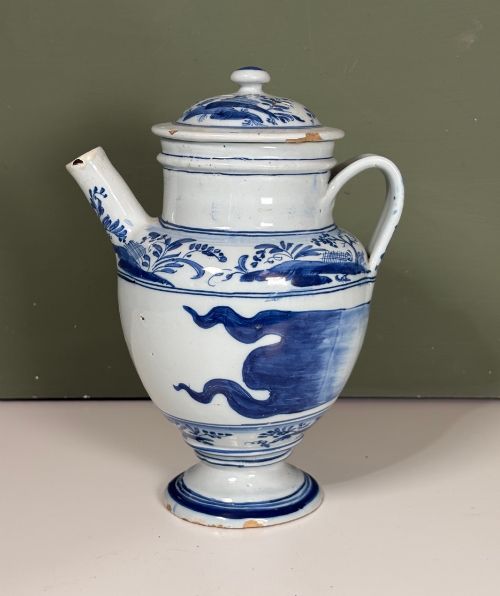
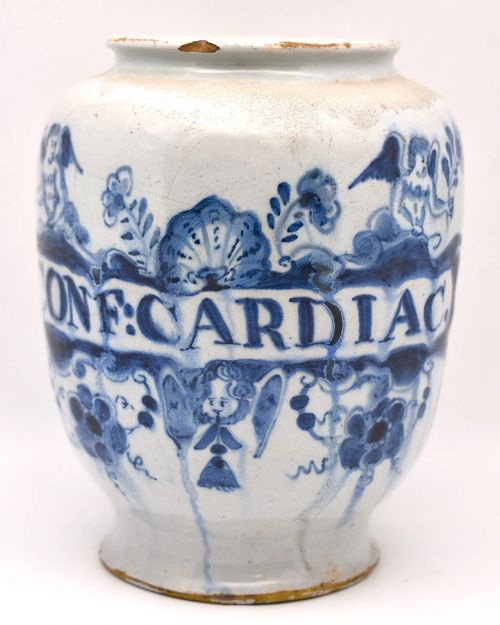
An antique ceramic drug pot holds centuries of apothecary history, bringing striking blue and white pigment or polychrome decoration directly to your shelf.
Antique Ceramic Drug Pot
When you search for an antique ceramic drug pot, you enter the historic world of old pharmacies and dispensaries. These vessels once stored medicinal herbs, syrups, and compounds for daily apothecary use.
You are most likely to meet tin-glazed earthenware examples dating from the eighteenth century, alongside occasional nineteenth-century pieces. The selection ranges from English Delftware and Dutch Delft to Italian majolica and faience.
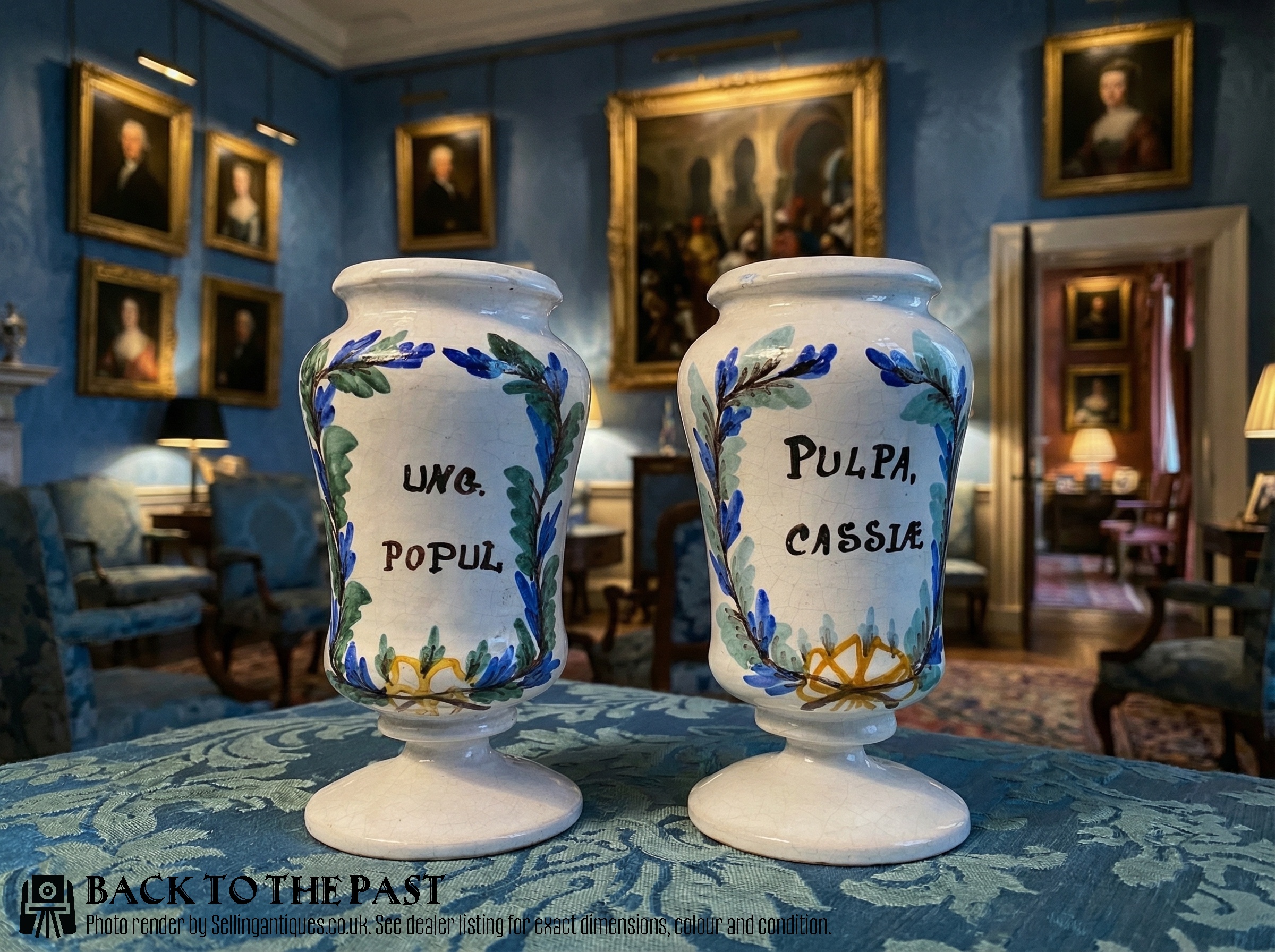
The forms span straight-sided albarelli, handled wet drug jugs, and decorative jars with painted labels. Each piece carries the distinct stylistic marks of periods such as the Baroque and Victorian eras.
How they were made
Potters shaped these vessels from earthenware and coated them in tin glaze to create a smooth, opaque white surface. This glaze provided an ideal canvas for subsequent painting.
Craftsmen applied cobalt pigment and other colours by hand, often painting pharmacy labels and intricate ornamentation directly onto the unfired or biscuit-fired ceramic before glazing and firing.
Listings feature eighteenth and nineteenth-century examples in ceramic, earthenware, and tin glaze.
What varies in quality
The sophistication of the hand-painted decoration determines the visual standing of an antique ceramic drug pot. Expressive brushwork and legible pharmacy lettering distinguish superior specimens from simpler work.
Survival of matching covers and original glaze integrity elevates certain pieces above heavily worn or married examples.
Samuel Alcock and Co
The Antique Ceramic Drug Pot Glossary
- Albarello
- A type of cylindrical earthenware jar designed for holding dry drugs and ointments in a pharmacy. These vessels originated in the Middle East and became popular across European majolica traditions.
- Tin glaze
- An opaque white ceramic glaze containing tin oxide, used extensively on earthenware during the Baroque period and later. It allows artists to paint fine pigments directly onto the porous surface.
- Polychrome
- Decoration employing multiple distinct colours rather than a single pigment. In apothecary wares, this often involves vibrant mineral pigments alongside traditional cobalt blue.
- Delftware
- Tin-glazed earthenware produced in England and the Netherlands, famous for emulating Chinese porcelain styles. The tin glaze gives the earthenware a characteristic white finish.
- Majolica
- Italian tin-glazed earthenware decorated with colourful metallic or mineral pigments. These pharmacy jars often feature rich Renaissance or Baroque ornamentation.
Antique Ceramic Drug Pot: Frequently Asked Questions
What were antique drug pots used for?
Apothecaries and physicians used these ceramic vessels to store dried herbs, pills, ointments, and medicinal syrups in dispensaries. The painted labels identified the specific contents required for patient prescriptions.
Over time, these utilitarian jars transitioned from working pharmacy shelves into decorative cabinet pieces valued for their historic charm.
How do I identify an 18th-century drug jar?
Eighteenth-century examples typically feature tin-glazed earthenware bodies with hand-painted cobalt blue or polychrome pharmacy inscriptions. They often display the stylistic traits of English Delftware, Dutch Delft, or Italian faience.
Examining the glaze consistency, base construction, and pigment application helps distinguish these earlier vessels from later nineteenth-century revivals.
What is an albarello jar?
An albarello is a vertical, waist-shaped ceramic jar designed for pharmacy use with a wide mouth that could be tied over with parchment. The distinct hourglass silhouette allowed apothecaries to grip the jars easily on crowded shelves.
This classic form appeared frequently in Italian majolica and Dutch Delft production throughout the Baroque period.
How do I care for antique tin-glazed pottery?
Keep these delicate earthenware pieces away from direct moisture and damp environments to protect the porous ceramic body and historic tin glaze. Dust them gently with a soft, dry cloth rather than using liquid cleaners.
Display the pots on stable surfaces where they will not be bumped, as the tin glaze can chip upon impact.