


White and Gold Vases
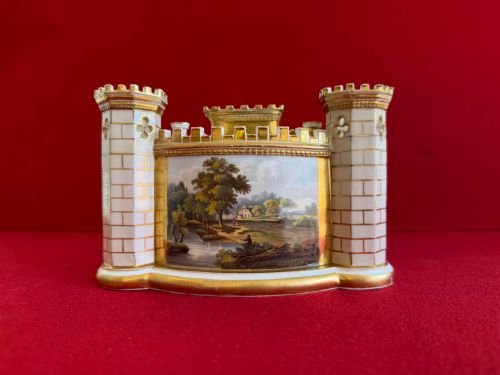
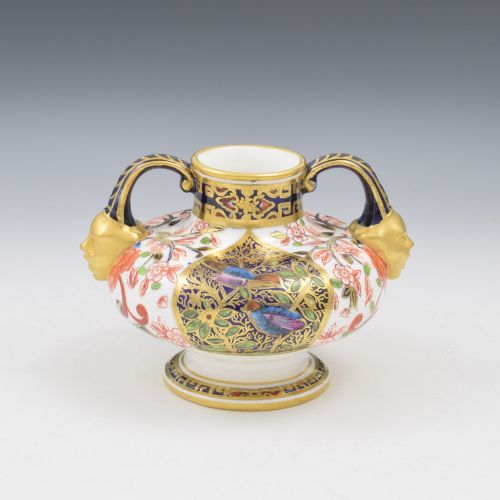
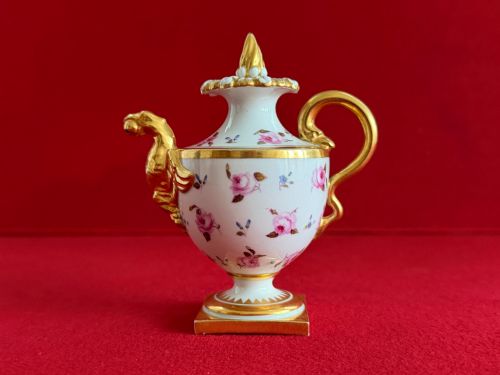
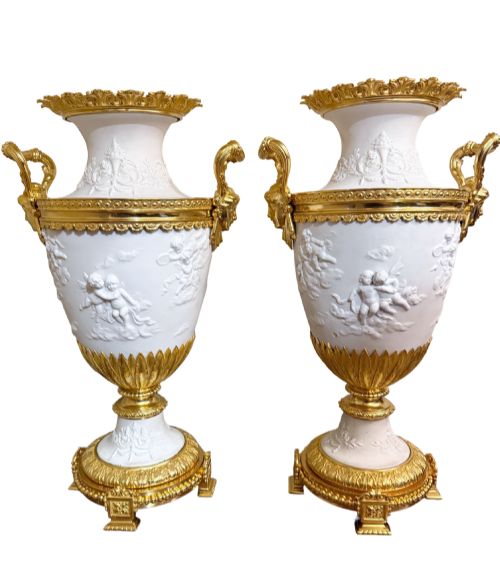
White and gold vases bring classical elegance to a room, combining crisp ceramic bodies with rich gilding.
White and Gold Vases
White and gold vases span multiple centuries of ceramic and metalwork tradition, appearing in forms from classical urns to moon flasks. Collectors encountering this phrase will find pieces ranging from Georgian porcelain to late Victorian decorative ceramics.
The selection frequently includes English and French porcelain alongside Japanese wares, reflecting global tastes in ornamental display. These objects served primarily as decorative garnitures or centrepieces in period drawing rooms.
Materials and Techniques
The foundation of these pieces relies heavily on porcelain, often paired with gilt bronze, ormolu, or gold leaf applied to the surface. Artisans shaped the ceramic bodies manually before employing intricate enamel paint and gilding techniques.
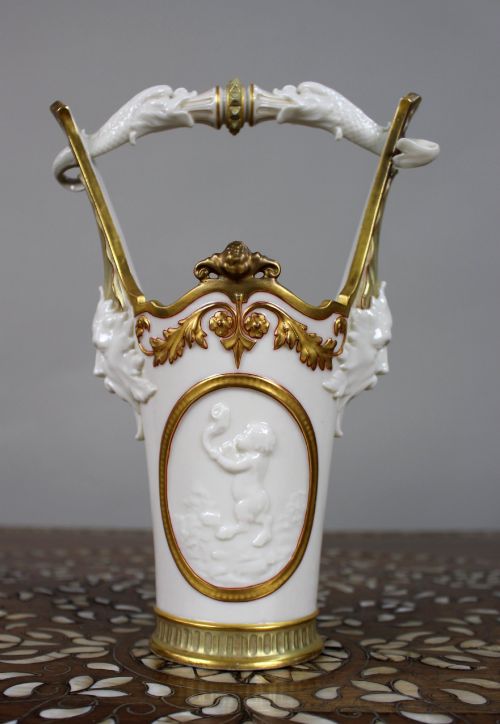
Specialised workshops utilised hand painting alongside techniques such as reticulation and transfer decoration. Metal mounts were cast and fire-gilded to complement the white glazed ceramic surfaces.
Listings feature porcelain, gilt bronze, and ormolu across periods spanning the Georgian era to the 1930s.
Assessing Quality and Execution
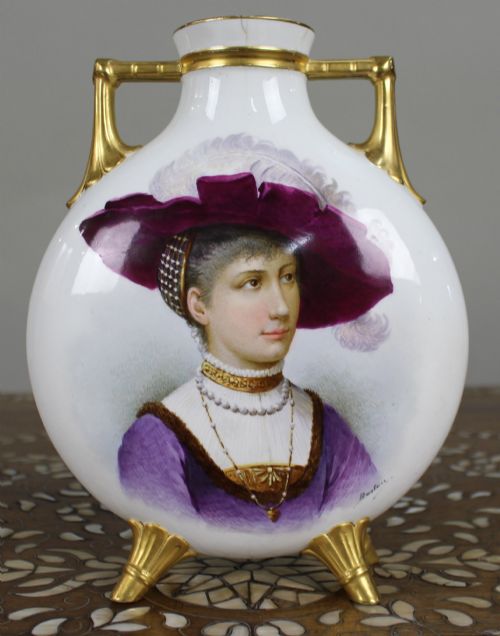
Quality reveals itself in the precision of the hand painting and the depth of the gilding applied to the porcelain. Superior examples display refined brushwork on figural or botanical scenes rather than mechanical uniformity.
The weight and chasing of the associated bronze or ormolu mounts also determine the calibre of a piece. Finer items integrate the ceramic body and metal hardware with meticulous structural harmony.
Flight Barr and Barr·Royal Worcester·Minton·Baccarat·Kinrin Workshop
The White and Gold Vases Glossary
- Ormolu
- A technique of applying finely ground high-carat gold to a bronze object using mercury. This creates a durable, warm metallic finish commonly found on nineteenth-century French mounts.
- Gilding
- The application of gold leaf or gold dust to a surface for decoration. On ceramics, it is often fired onto the glaze to ensure longevity.
- Moon Flask
- A flattened, round-bodied vase with a short neck and two handles, inspired by traditional pilgrim flasks. These pieces often feature detailed hand-painted scenes on both sides.
- Reticulation
- An openwork ceramic technique where parts of the clay body are cut away before firing to create a lace-like pattern. This requires immense skill to avoid warping in the kiln.
White and Gold Vases: Frequently Asked Questions
How should I clean my porcelain and gilt vase?
Dust the surface gently with a soft, dry brush to prevent accumulating dirt in crevices. Avoid using liquid cleaners or abrasive cloths, as these can damage delicate enamel paint and wear away historic gilding.
For stubborn marks, consult a professional conservator rather than attempting chemical removal at home. Modern cleaning products often strip the original finish from antique porcelain.
Were these vases used for fresh flowers?
Many ornamental pieces were designed purely for visual display as part of a garniture set on a mantelpiece or console table. Using them for water could damage unglazed interior surfaces or vulnerable historic repairs.
Larger urns and amphora shapes functioned as architectural ornaments rather than practical vessels for daily flora. Collectors generally keep them dry to preserve the interior glaze and base.
How can I tell a French vase from an English one?
French pieces often incorporate elaborate ormolu mounts and draw heavily on Empire or Neoclassical design motifs. Makers in Paris utilised distinct paste compositions and glaze characteristics that differ from Staffordshire or Worcester.
Examining the base for factory marks or handwritten signatures helps pinpoint the exact origin. Stylistic cues in the gilding and handles also point toward specific regional workshops.
What is a garniture set?
A garniture is a matching group of three or more vases designed to be displayed together on a mantel or sideboard. These sets typically feature a larger central vase flanked by two smaller matching pieces.
Originating in the seventeenth century, they became immensely popular in European drawing rooms for symmetry and decorative impact. Finding a complete, undamaged garniture remains a rewarding discovery for collectors.