
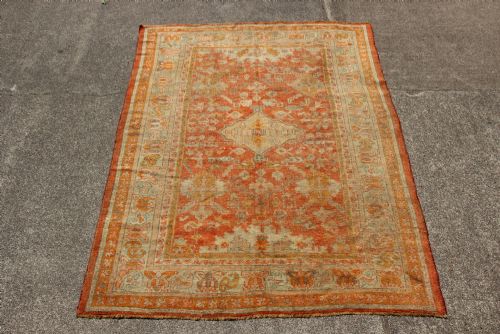


West Anatolian Wool Rug
A west anatolian wool rug brings centuries of weaving heritage directly to the floor, offering rich textures and traditional village designs.
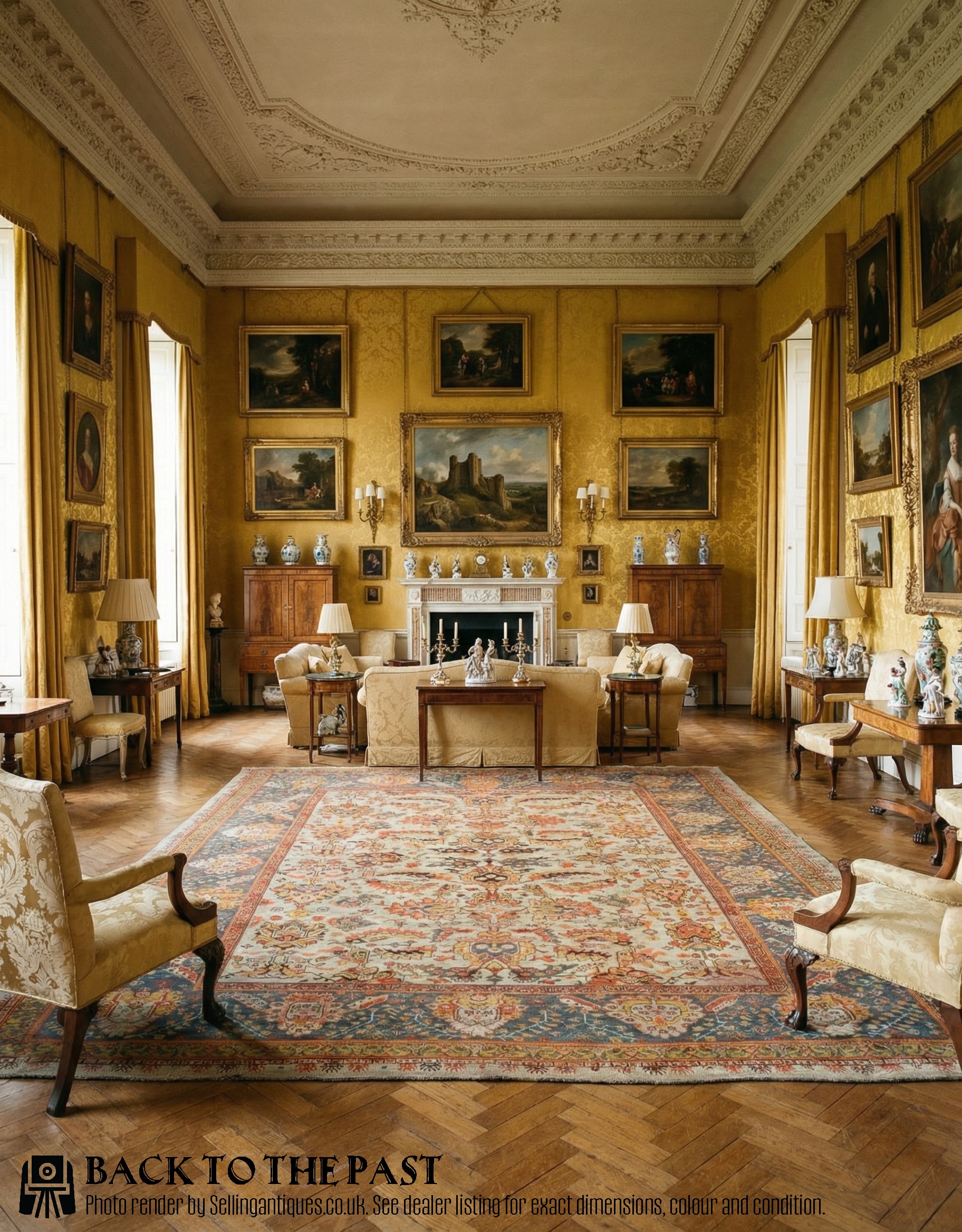
West Anatolian Wool Rug
A west anatolian wool rug encompasses woven carpets and prayer rugs originating from western regions of Turkey during the nineteenth and early twentieth centuries. These pieces display diverse village and town designs including classic prayer formats and star borders.
Buyers will encounter various formats ranging from compact village prayer rugs to larger carpets intended for substantial floor spaces. These floor coverings bridge centuries of craftsmanship, utilising traditional motifs passed down through generations of weavers.
How They Were Made
Makers constructed these textiles predominantly from natural wool, hand-spun wool, and angora wool, set against cotton foundations. The integration of hand-spun wool provides the tactile depth and variable texture characteristic of period village weaving.
Weavers utilised traditional Ottoman and Anatolian designs, executing structured geometric patterns and prayer mihrabs with dyed wool yarns. These methods produced durable floor coverings capable of withstanding generations of domestic use.
West Anatolian Wool Rug Retail Price Guide 2026
Typical asking prices for west anatolian wool rug among the pieces listed under this phrase on Sellingantiques today, from the lower quarter to the upper quarter. They describe what is for sale here now, not the wider market.
Materials across these listings include standard wool, cotton foundations, hand-spun wool, and softer angora wool.
What Varies in Quality
Quality rests upon the fineness of the wool materials employed, with hand-spun and angora wool varieties yielding superior tactile depth. The crispness of execution in traditional motifs and prayer designs further distinguishes finer town and village examples.
The handling of colour gradients across ivory grounds and field patterns marks the distinction between standard production and exceptional weaving. Preservation of original borders, such as star borders, also dictates the standing of an individual carpet.
The West Anatolian Wool Rug Glossary
- Prayer rug
- A textile featuring a central mihrab niche design, historically utilised for daily Islamic prayer. These rugs often display compact dimensions suited for personal devotion.
- Ghiordes
- A historic Turkish weaving centre renowned for classical prayer rugs and distinct village designs. Pieces from this origin often show sophisticated border arrangements.
- Bergama
- A town in western Anatolia associated with village rugs displaying bold geometric patterns. These pieces frequently incorporate rich red and blue wool tones.
- Oushak
- A major carpet-producing region known for large-scale decorative carpets utilising soft colour palettes. Ushak carpets historically adorned grand European and Ottoman interiors.
- Mihrab
- The arched niche depicted on prayer rugs that indicates the direction of prayer towards Mecca. This architectural motif forms the focal point of many Anatolian designs.
- Angora wool
- A soft fibre derived from angora goats, utilised in select pile construction to add distinct texture. Its inclusion yields a characteristic lustre across the rug surface.
West Anatolian Wool Rug: Frequently Asked Questions
How do I care for my rug?
Vacuum gently without rotating brush bars to protect the wool pile from unnecessary friction.
Professional specialist cleaning is recommended to maintain natural dyes and historic fibres safely over time.
Where should I place it?
Select low-traffic areas or spaces protected from direct sunlight to preserve the natural wool fibres.
Using a quality underlay prevents slipping and reduces wear across wooden or stone flooring surfaces.
How do I identify a prayer rug?
Look for the distinctive arched mihrab niche pointing towards one end of the textile.
These formats were traditionally designed for individual devotional use rather than general floor decoration.
What periods are represented here?
The selection spans from the early nineteenth century through to the early twentieth century.
Pieces reflect late Ottoman aesthetic traditions alongside distinct regional village weaving practices.