


Handwoven Turkish Carpet
When you search for a handwoven turkish carpet, you step into centuries of Anatolian weaving traditions that bring genuine character to modern interiors.
Handwoven Turkish Carpet
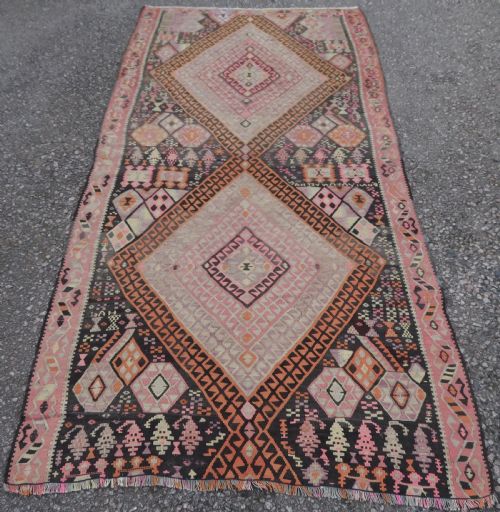
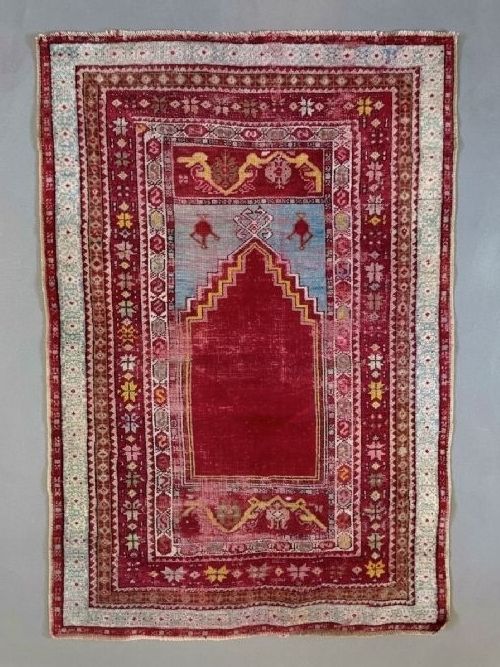
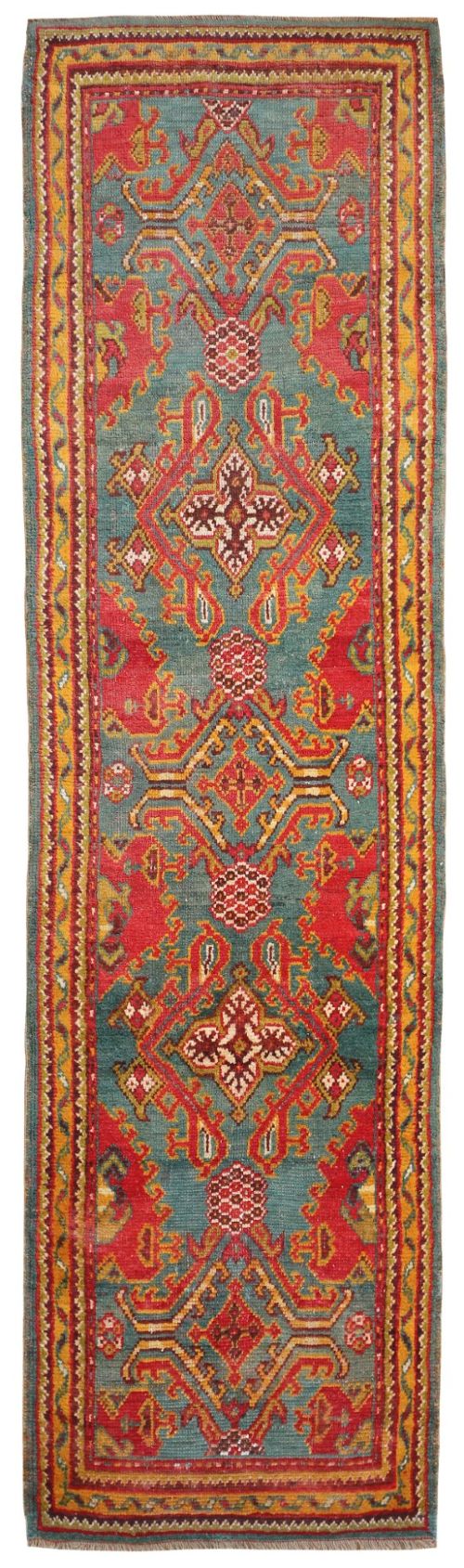
A handwoven turkish carpet represents a rich heritage of floor coverings originating from Anatolian workshops, villages, and nomadic tribes. Pieces carrying this description range from generous room-sized carpets down to runners, flatweaves, and dedicated prayer rugs.
The selections available here span from the nineteenth century through the early twentieth century, taking in traditional village pieces as well as workshop productions. Buyers encounter diverse regional identities, including Ushak, Konya, Melas, and Bergama, each displaying distinct structural formats.
Forms include piled carpets alongside flatwoven kelims and yastics, offering options suited to heavy traffic areas or decorative wall hanging. These textiles anchor a room with deep historical continuity and varied regional symbolism.
How they were made
Weavers constructed these textiles primarily using wool and cotton foundations, employing hand-spun wool for the pile and structural elements. Natural materials yielded the substantial weight and tactile density characteristic of nineteenth and early twentieth-century Anatolian production.
The creation process involved either knotting pile yarn onto warp threads or interlacing warp and weft to form flatwoven surfaces. Artisans applied traditional dyeing methods to achieve the colour palettes seen across tribal and village formats.
The site's listings feature pieces spanning the nineteenth century up to the 1930s, constructed from wool, cotton, and hand-spun wool.
What varies in quality
Quality separates along the precision of the weave and the integrity of the materials employed by the maker. Finer knot densities and carefully prepared hand-spun wool elevate a piece above simpler village or nomadic productions.
Design execution and the depth of the regional motifs also divide the ordinary from the exceptional. Better examples display balanced composition, harmonious colour distribution, and structural resilience gained through expert handling of the loom.
The Handwoven Turkish Carpet Glossary
- Kilim
- A flatwoven carpet or rug produced without a pile by interlocking warp and weft threads. These textiles are lighter than piled carpets and feature sharp geometric patterns.
- Prayer rug
- A small rug featuring a mihrab design or architectural arch motif used historically for ritual daily prayer. The niche points toward Mecca during use.
- Yastic
- A traditional small Anatolian cushion cover or small rug format. They were originally used as divan ends or seating supports.
- Warp
- The vertical threads stretched tightly on the loom that form the foundational skeleton of the carpet. Weft threads are woven horizontally across them.
- Medallion
- A central ornamental design motif placed in the field of a carpet. These focal shapes often draw inspiration from classical Anatolian and Ottoman design traditions.
Handwoven Turkish Carpet: Frequently Asked Questions
How do I clean an old carpet?
Professional specialist cleaning is the safest method for handling historic wool textiles. Regular gentle vacuuming without a beater bar helps remove surface dust.
Avoid chemical detergents and excessive moisture which can damage natural dyes and fibres. Promptly attend to spills by blotting gently rather than rubbing the affected area.
Where were these textiles made?
Production centres spanned various regions across Anatolia, encompassing urban workshops, rural farming villages, and nomadic tribal camps. Specific towns like Ushak, Konya, and Bergama developed distinct regional styles.
Geographic origins heavily influenced the choice of motifs, structural weave, and colour palettes employed by the makers.
Can I place these on heated floors?
Natural materials like wool and cotton tolerate moderate underfloor heating quite well. Ensure the temperature remains at modest levels to prevent drying out the historic fibres.
Using a breathable underlay protects both the floor and the textile while preventing slip.
How do I identify a village piece?
Village rugs often display spontaneous, asymmetrical geometric designs and bold tribal symbolism. They reflect the personal expression of the individual weaver rather than strict workshop cartoons.
Irregularities in shape and variation in colour batches further point toward independent village production.