

Turkish Anatolian Carpet
When you search for a turkish anatolian carpet, you find woven works of village and town craftsmanship that bring historical depth and texture to interior floors.
Turkish Anatolian Carpet
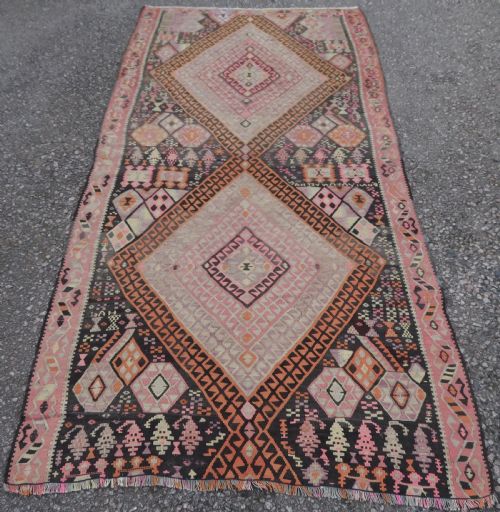
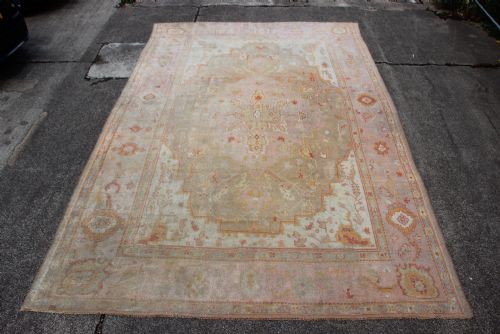
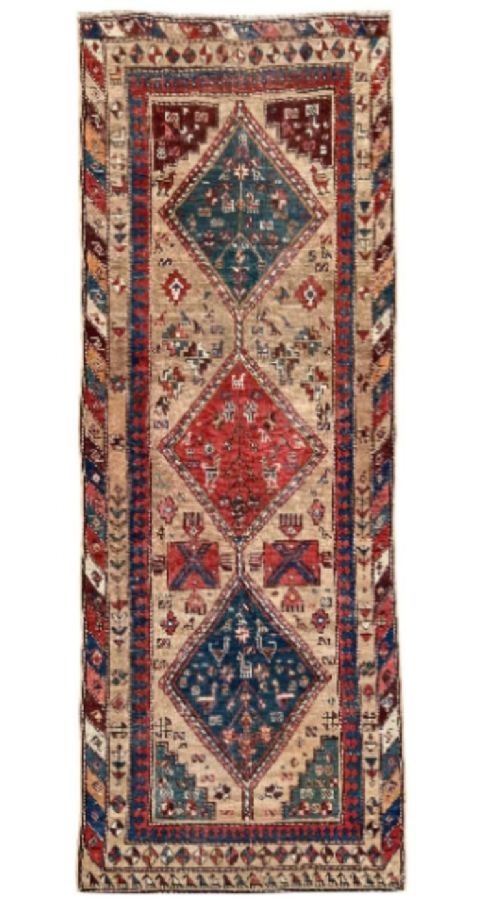
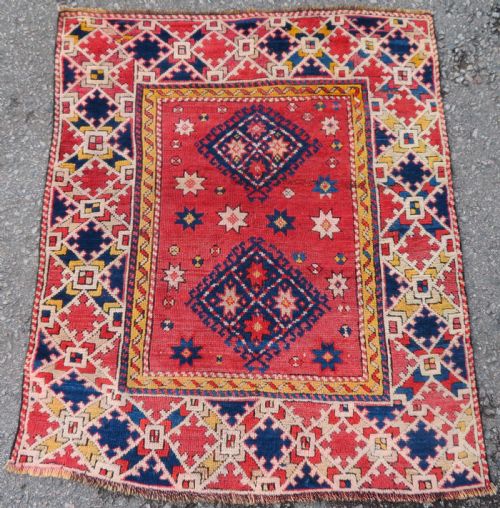
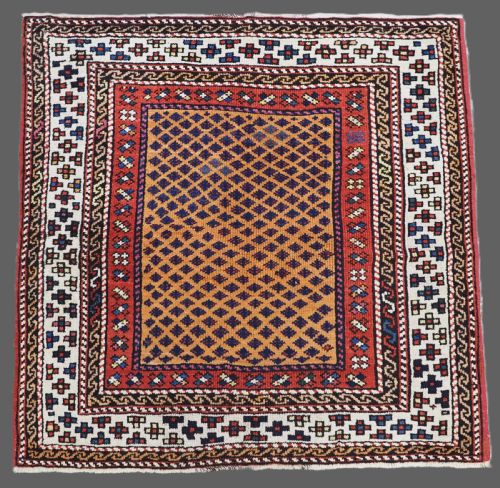
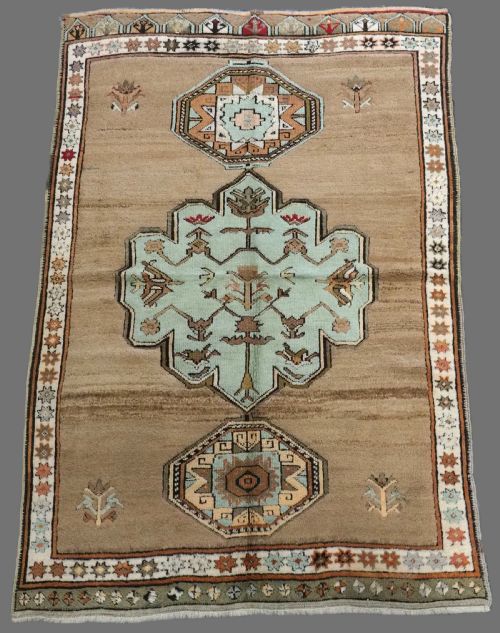
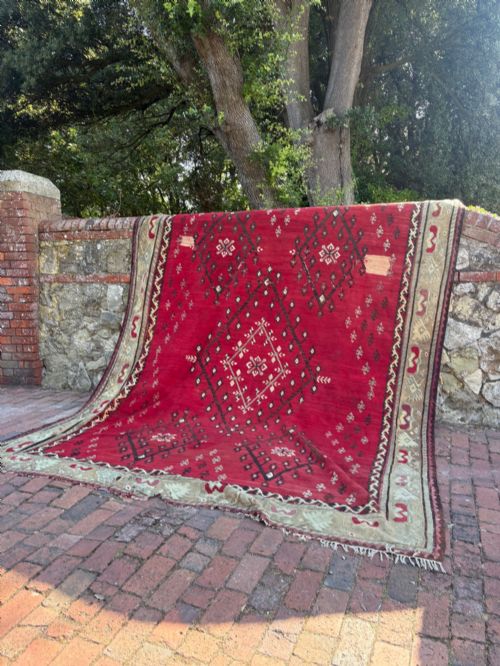
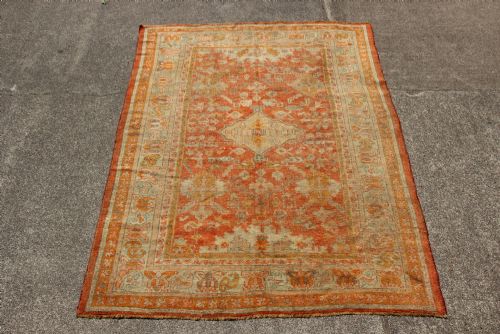
A turkish anatolian carpet encompasses hand-knotted room-size pieces, smaller mats, runners, and flatweave kilims originating from various regions of Anatolia. The selection frequently includes village productions alongside room-size Oushak pieces dating from the nineteenth and early twentieth centuries.
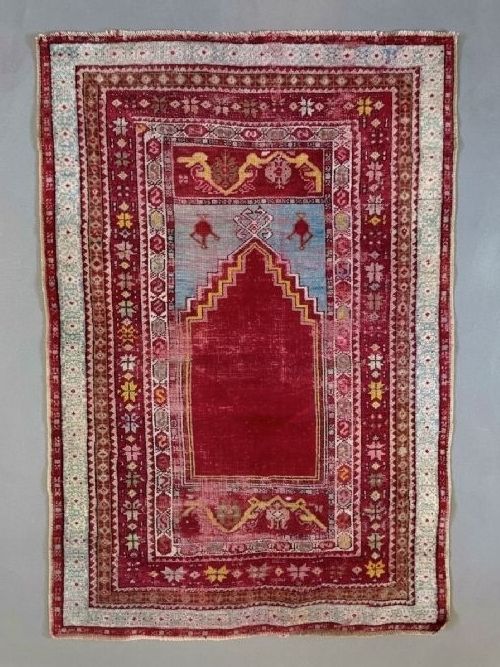
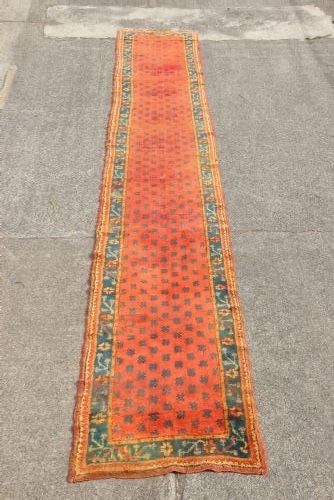
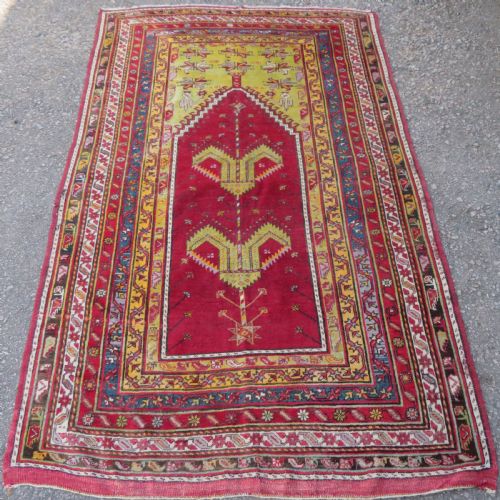
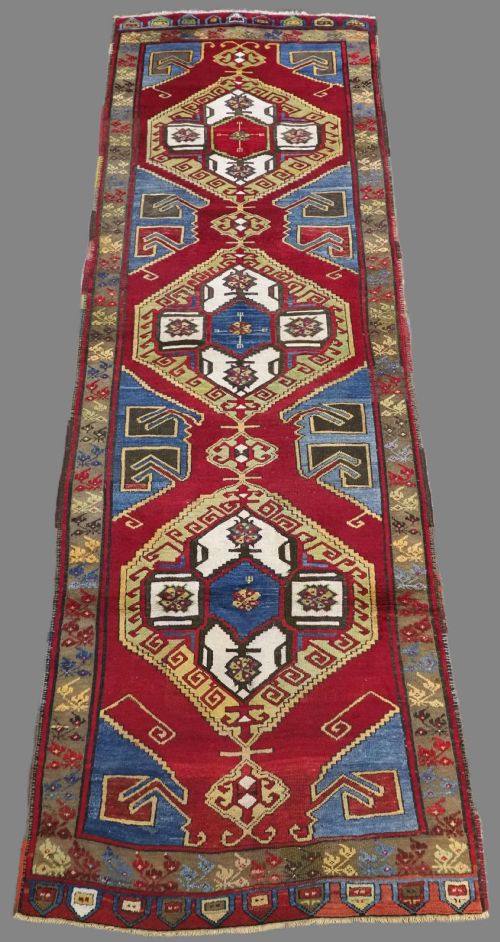
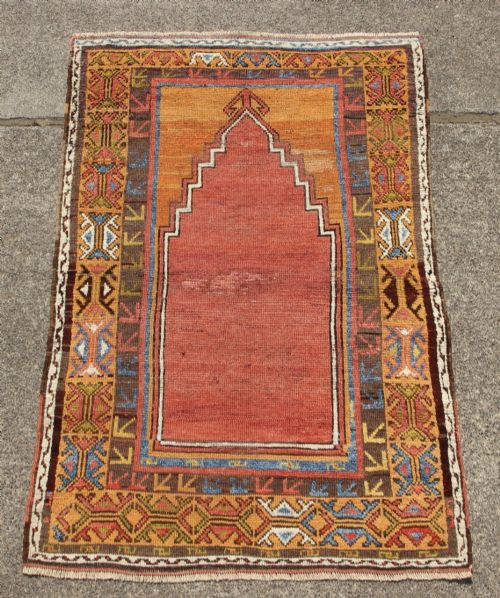
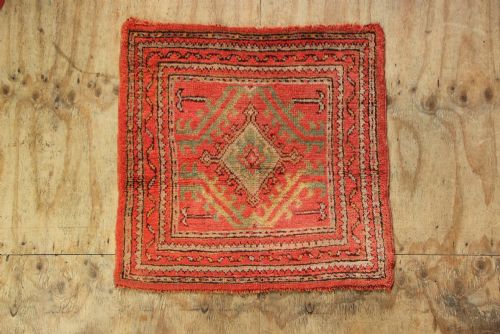
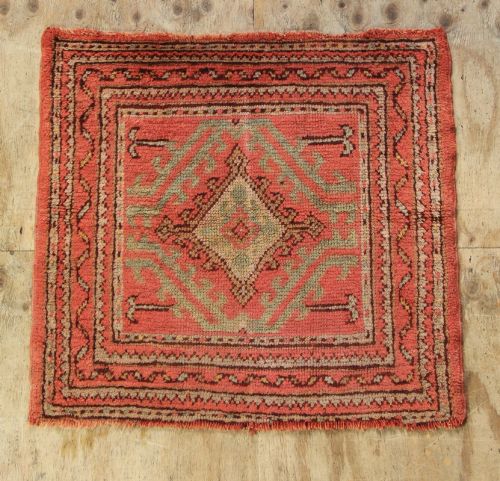
Makers produced these textiles in distinct formats such as square sizes, narrow runner lengths, and dedicated prayer rugs featuring specific architectural mihrab designs. Regional workshops and nomadic weavers utilised traditional motifs that reflect the cultural heritage of central and western Anatolia.
Buyers encounter formats ranging from compact accent rugs to grand carpets measuring over four metres in length. These floor coverings bridge centuries of textile tradition, showing styles described as Ottoman, tribal, or traditional Anatolian.
How they were made
Weavers constructed these textiles primarily using wool, cotton, and silk foundations, often incorporating hand-spun wool and camel wool for pile and structural elements. Artisans tied symmetrical or asymmetrical knots on vertical looms, completing the edges with overcast selvedges and flatweave ends.
Natural dye sources provided the foundational palette seen across regional types, yielding soft colours as well as saturated tones on ivory, pink, green, and blue grounds. The integration of cotton for warps and wefts allowed workshops to create stable structures for large-scale formats like Oushak carpets.
Among the historical hunting scenes woven into silk, a solitary weaver once immortalised a hare darting beneath an Anatolian willow tree.
What varies in quality
The refinement of the knotting and the handling of the wool dictate the structural integrity of each piece. Finer examples display precise execution of intricate lattice or pictorial designs, whereas coarser village weaves prioritise robust utility.
The depth and nuance of the dye work influence visual appeal, with variations seen between evenly saturated fields and softly faded surfaces. Intact borders and original structural terminations elevate the standing of historical pieces within this category.
Oushak·Kirsehir·Bergama·Konya·Ghiordes
The Turkish Anatolian Carpet Glossary
- Mihrab
- The arched niche design found predominantly on prayer rugs, symbolising a place of prayer pointing toward Mecca. Weavers often place distinct lamps or floral motifs within this architectural outline.
- Kilim
- A flatweave textile produced without a pile by tightly interweaving warp and weft strands. These pieces function as lightweight floor coverings or wall hangings.
- Oushak
- A style originating from the town of Usak in western Anatolia, known for large-scale decorative designs and pale, luminous colour palettes. These carpets often feature understated floral motifs.
- Runner
- A long, narrow carpet format designed specifically for hallways, corridors, or staircases. These pieces balance length with restricted width to fit constrained architectural spaces.
- Camel wool
- Unbleached wool taken from camels, utilised in its natural golden-brown hue for field areas or structural warmth. This material brings a distinct tactile softness to the pile.
Turkish Anatolian Carpet: Frequently Asked Questions
How do I identify a prayer rug?
Prayer rugs feature a prominent triangular or arched motif known as a mihrab at one end, designed to direct the placement of the rug during daily devotions. These pieces generally measure in smaller formats suitable for individual use.
Craftsmen from centres such as Ghiordes, Kirsehir, and Ladik specialised in this specific layout, often incorporating flanking columns or hanging mosque lamps within the design field.
What is the difference between a carpet and a kilim?
Carpets are constructed with a plush pile formed by individual knots tied to a foundation, whereas kilims are flatwoven without any pile. This structural distinction changes the weight, texture, and handling of each textile.
While pile carpets offer cushioned underfoot comfort and rich light reflection, flatweave kilims present a sharper graphic clarity and a lighter profile for interior placement.
Where were Oushak carpets made?
Oushak carpets originated in the historic town of Usak in western Anatolia, which served as a major manufacturing centre for large-scale decorative weaving. Workshops in this region supplied courts and international markets for centuries.
These pieces are recognised by their expansive scale, open compositional layouts, and soft, faded pastel colorways executed on wool foundations.
How do I care for an antique rug?
Antique textiles require gentle maintenance, beginning with regular, low-suction vacuuming without a rotating brush roll to protect the historic pile. Professional cleaning specialised in antique wool and silk should be utilised periodically rather than domestic washing.
Placing a breathable underlay beneath the rug prevents slipping and reduces fibre friction against hard floors, preserving the structural integrity of the foundation over time.