


Welsh Oak Chest
When you examine a welsh oak chest, you touch centuries of domestic utility shaped by local rural joinery.

Welsh Oak Chest
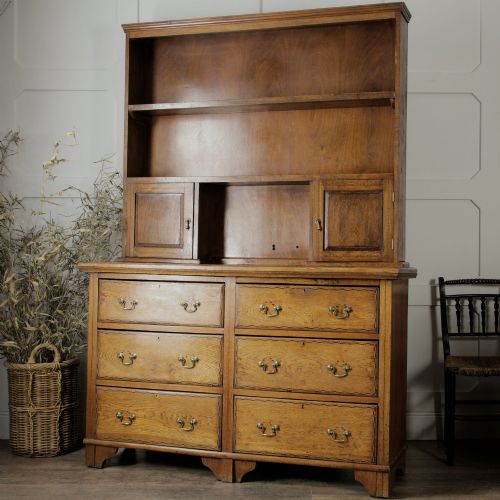
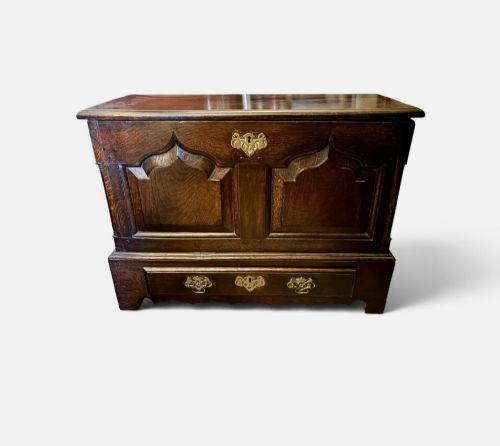
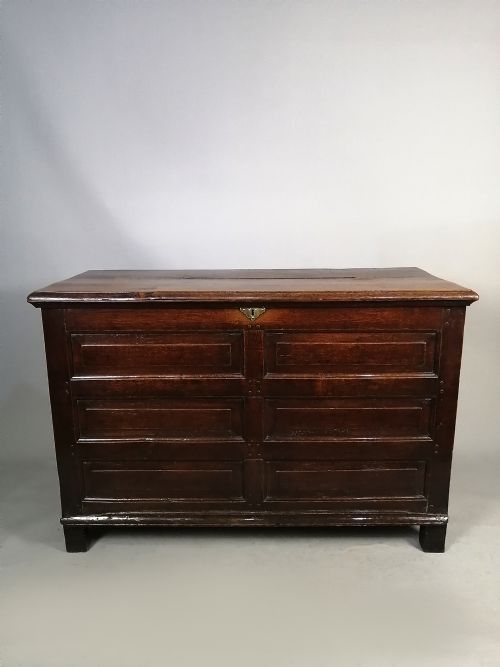
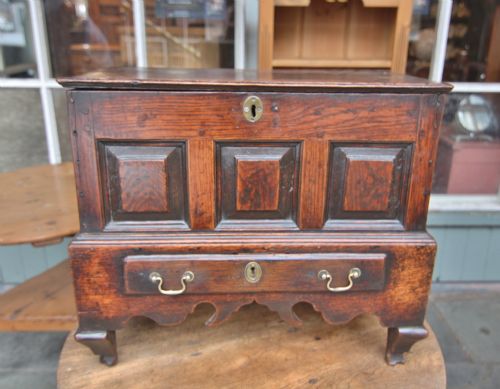
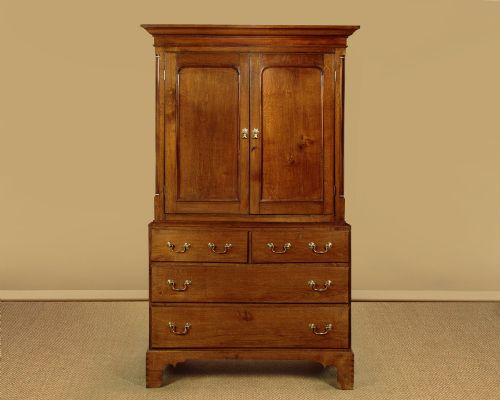
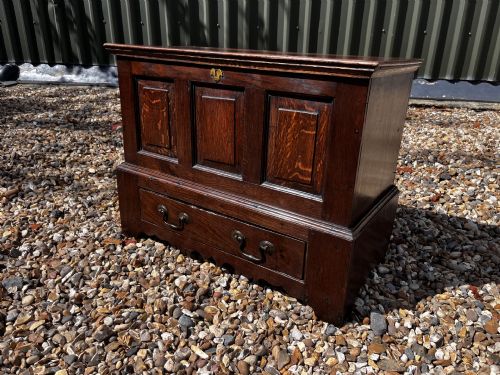
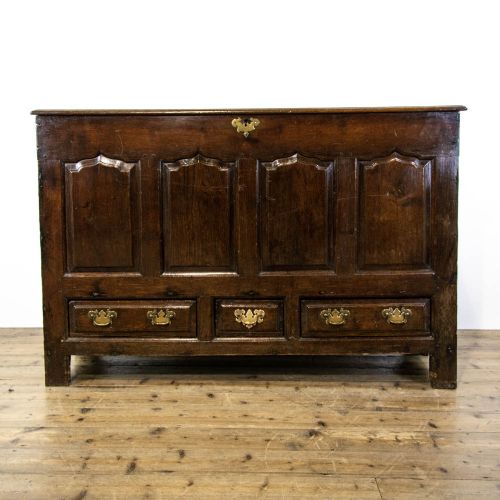
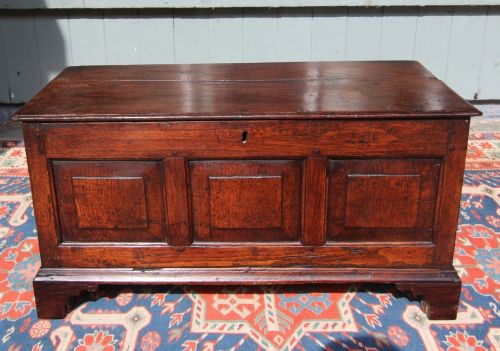
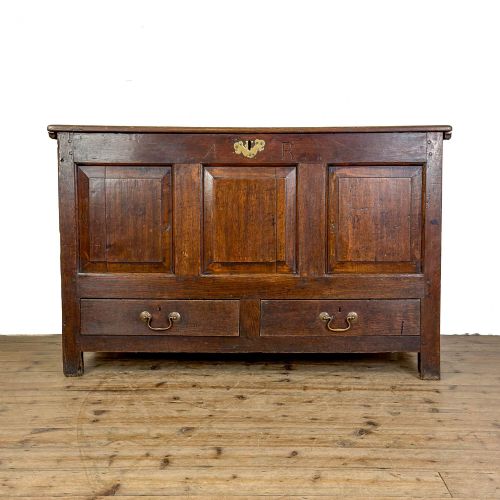
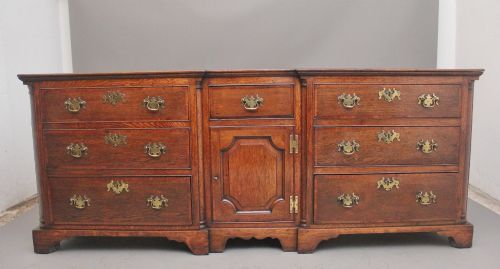
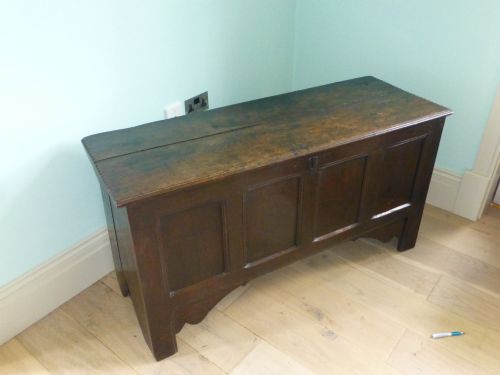
A welsh oak chest encompasses a robust variety of forms including large coffers, mule chests fitted with lower drawers, and compact coffer bach miniatures intended for linen or keepsakes.
The pieces span from the sixteenth century through the Georgian era and into the nineteenth century, reflecting vernacular rural traditions distinct from urban english cabinet work.
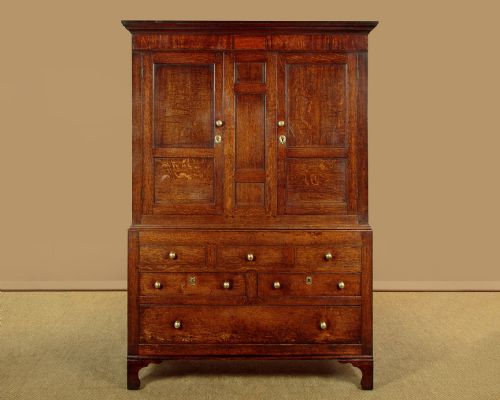
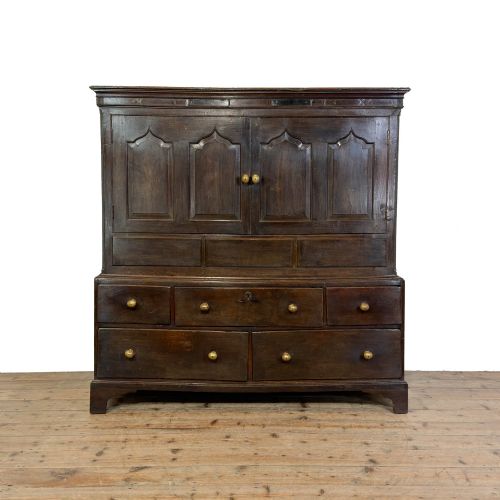
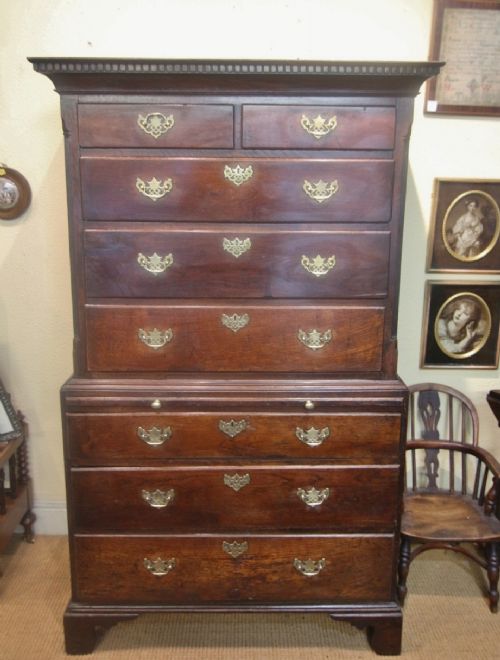
Mule chests and drawer units dominate the selection, combining deep storage compartments with accessible lower drawer space built for domestic organisation.
Materials and Technique
Makers utilised solid native oak supplemented by secondary woods like fruitwood, constructing frames with sturdy peg joints and boarded panels designed to withstand heavy daily use.
Hardware consists of hand-beaten iron hinges, latches, and occasional brass pulls that secure heavy lids and drawer fronts.
Surface decoration ranges from plain waxed finishes showing deep natural grain to carved panels, marquetry inlay, and occasional painted timber.
Welsh Oak Chest Retail Price Guide 2026
Typical asking prices for welsh oak chest among the pieces listed under this phrase on Sellingantiques today, from the lower quarter to the upper quarter. They describe what is for sale here now, not the wider market.
Listings feature regional pieces spanning from the sixteenth century through the Georgian period, executed in solid oak with occasional fruitwood and brass elements.
Quality and Proportion
Superior examples exhibit harmonious proportions, particularly in smaller formats like the coffer bach, where delicate scale requires precise joinery.
The integrity of the original timber surfaces, including rich colour and mature patination built up over centuries, distinguishes untouched regional pieces from heavily restored items.
The Welsh Oak Chest Glossary
- Coffer bach
- A small miniature chest originating in Wales, often built as a wedding gift or apprentice piece to hold valuables and linens. These tiny pieces mirror the construction methods of full-sized furniture.
- Mule chest
- A storage chest featuring one or more drawers built beneath the main interior compartment. This form bridges the evolution from a simple coffer to the modern chest of drawers.
- Meal ark
- A boarded chest or bin designed to store dry foodstuffs like grain or oatmeal safely away from pests in early rural homes. They often feature sloping lids to shed moisture.
- Vernacular
- Architecture and furniture created by local craftsmen using traditional regional methods and materials rather than following formal academic style books. These items serve immediate local domestic needs.
Welsh Oak Chest: Frequently Asked Questions
How do I date an old chest?
Dating relies on observing construction methods, such as hand-riven boards, pegged joints, and the evolution of hardware like iron butterfly hinges or brass pulls.
Earlier pieces from the seventeenth century tend to feature heavier boarded construction and simpler geometric carvings compared to eighteenth-century drawer configurations.
Where were these pieces made?
These items originated in rural workshops across Wales, with specific regional traits appearing in pieces from areas like Carmarthenshire and the Gower Peninsula.
Local craftsmen relied on native timber stocks, resulting in sturdy domestic items built specifically for Welsh farmhouses and cottages.
How do I care for antique oak?
Maintain antique oak by keeping it away from direct heat sources and sudden humidity changes that cause timber to split or warp.
Apply traditional beeswax occasionally to nourish the dry grain and preserve the historic surface patination without modern chemical polishes.