





Welsh Blanket Box
A welsh blanket box is a robust timber storage chest designed for domestic linens, combining regional vernacular craftsmanship with enduring utility.
Welsh Blanket Box
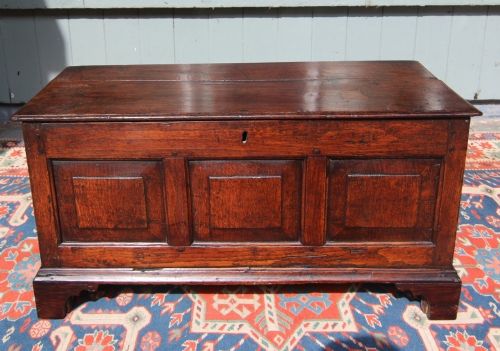
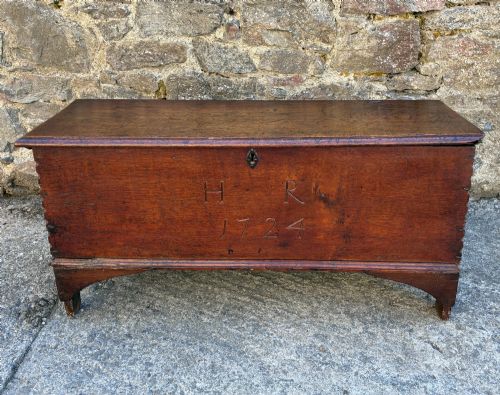
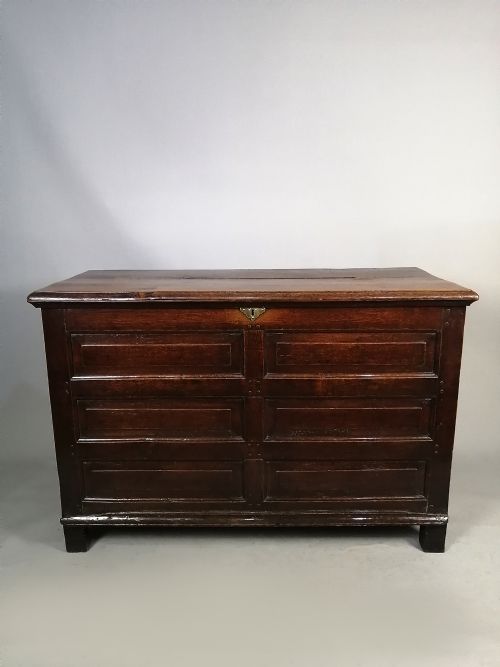
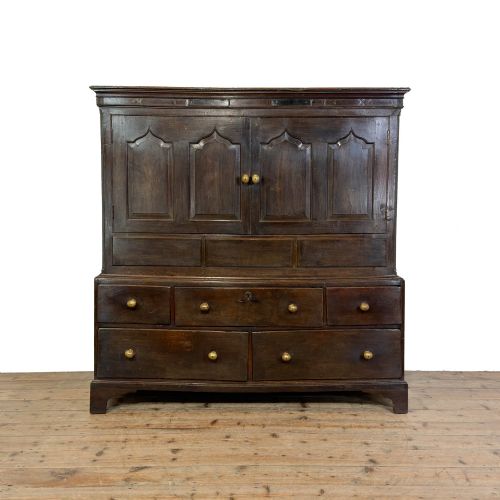
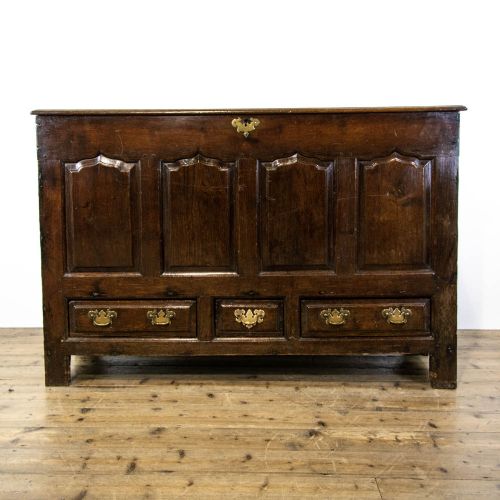
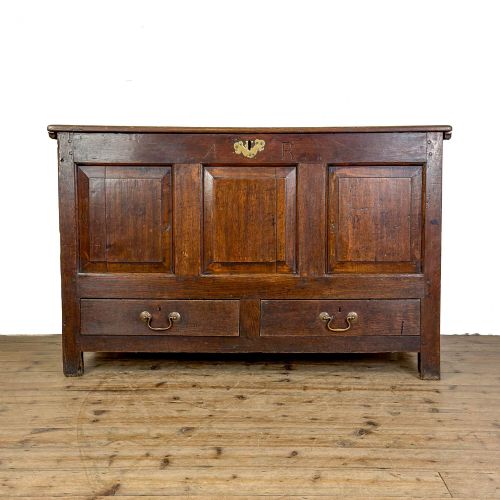
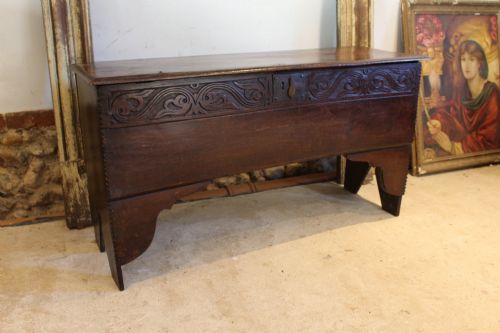
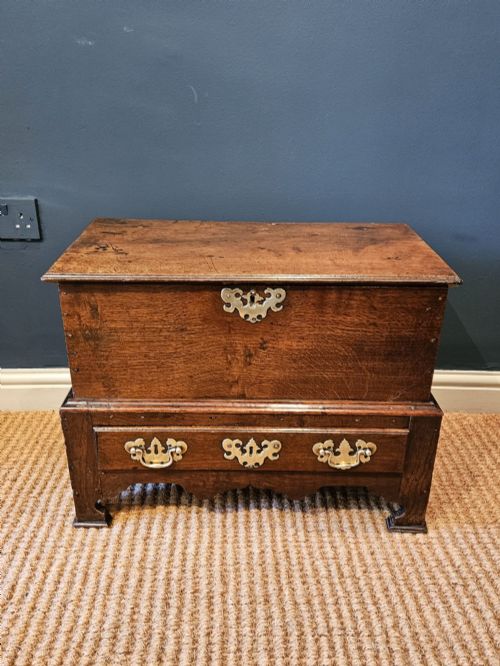
A welsh blanket box spans centuries of domestic storage, appearing most frequently in forms such as the traditional coffer, the mule chest fitted with lower drawers, and the diminutive coffer bach. These pieces originate from regional workshops across Wales, reflecting both vernacular traditions and broader Georgian styles.
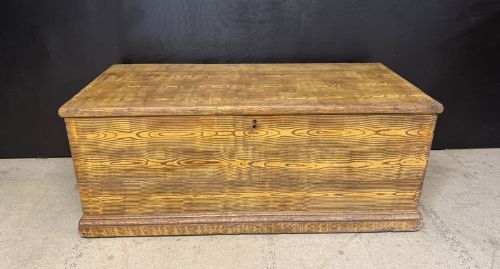
The selection here ranges from sixteenth-century carved examples to nineteenth-century pine storage boxes and painted artisan chests. Buyers encounter robust oak construction alongside regional variants utilising elm, fruitwood inlay, and pine.
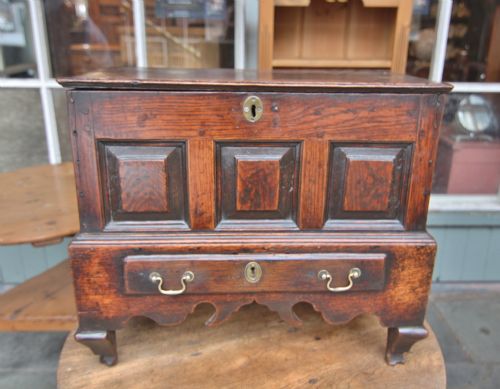
Smaller tabletop or miniature coffers, known locally as coffor bach, appear alongside large grain arks and sword chests. This variety demonstrates how domestic storage adapted to different household requirements across rural communities.
Materials and Construction
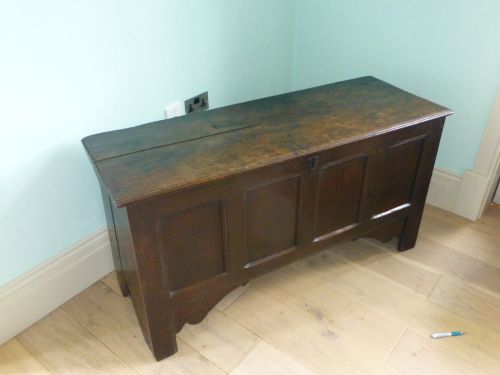
Local joiners relied primarily on native oak, complemented by pine, elm, and fruitwood inlay for decorative contrast. Construction techniques included simple six-plank assemblies, joined panel framing, and dovetailed joints for internal compartments.
Hardware such as iron hinges, latches, and brass details provided structural reinforcement to lids and bases. Surfaces were often left unfinished to develop a natural patina, though occasional examples featured painted finishes or carved detailing.
Welsh Blanket Box Retail Price Guide 2026
Typical asking prices for welsh blanket box among the pieces listed under this phrase on Sellingantiques today, from the lower quarter to the upper quarter. They describe what is for sale here now, not the wider market.
The inventory records vernacular forms ranging from sixteenth-century carved chests to nineteenth-century painted artisan boxes.
Assessing Quality
The standard of a welsh blanket box rests on the integrity of its timber selection, the skill of the original joinery, and the preservation of its surface character. Pieces retaining their original feet, hinges, and structural boards command greater interest than heavily altered examples.
Proportion and scale also distinguish finer items, particularly in miniature forms like the coffer bach where balanced dimensions matter greatly. Regional details, such as distinct regional carving or early fruitwood inlay, mark out the more accomplished pieces from simpler utilitarian boxes.
The Welsh Blanket Box Glossary
- Coffer bach
- A small Welsh miniature chest or box, often fitted with a single drawer beneath the main compartment. These portable pieces were traditionally made as marriage gifts or presentation items.
- Mule chest
- A storage chest featuring one or more drawers built into the base beneath the primary lift-lid compartment. This form evolved during the seventeenth and eighteenth centuries to offer more accessible storage.
- Six-plank chest
- A primitive box construction method utilising six distinct boards pegged or nailed at the corners. It represents one of the earliest and most direct forms of vernacular cabinet making.
- Grain ark
- A large timber chest or bin specifically constructed for storing grain or dry foodstuffs within agricultural dwellings. These robust pieces usually lack internal divisions to maximise bulk storage capacity.
- Vernacular furniture
- Domestic pieces built by local tradesmen using regional materials and traditional methods rather than following metropolitan academic designs. This tradition defines much of the early Welsh cabinet making seen here.
Welsh Blanket Box: Frequently Asked Questions
How do mule chests differ from standard coffers?
Mule chests include one or more drawers built into the base beneath the main storage cavity. This hybrid design allowed access to everyday items without lifting the top lid.
They emerged as domestic storage needs grew more complex during the seventeenth and eighteenth centuries.
Were these chests painted originally?
While most regional pieces showcase natural oak, elm, or pine, some nineteenth-century examples received painted finishes. Artisan chests and simpler pine boxes were often decorated with regional pigments.
Paint adds an alternative layer of historical evidence regarding how domestic interiors evolved.
How are different periods identified?
Periods are determined through joinery methods, timber choices, and regional stylistic traits. Sixteenth and seventeenth-century pieces often display pegged framing and heavy carving, while eighteenth-century examples lean towards refined proportions.
Examining hinge types, nail construction, and tool marks further clarifies the date of manufacture.