



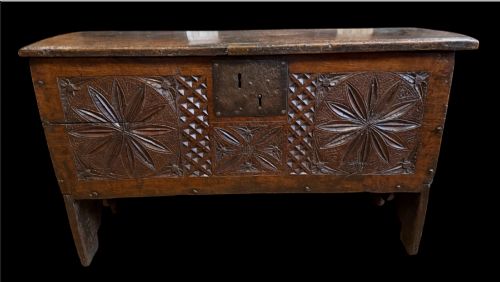


Elizabethan Oak Coffer
These Elizabethan oak coffer pieces are heavy timber storage chests built to last generations, offering robust utility and historic English character.
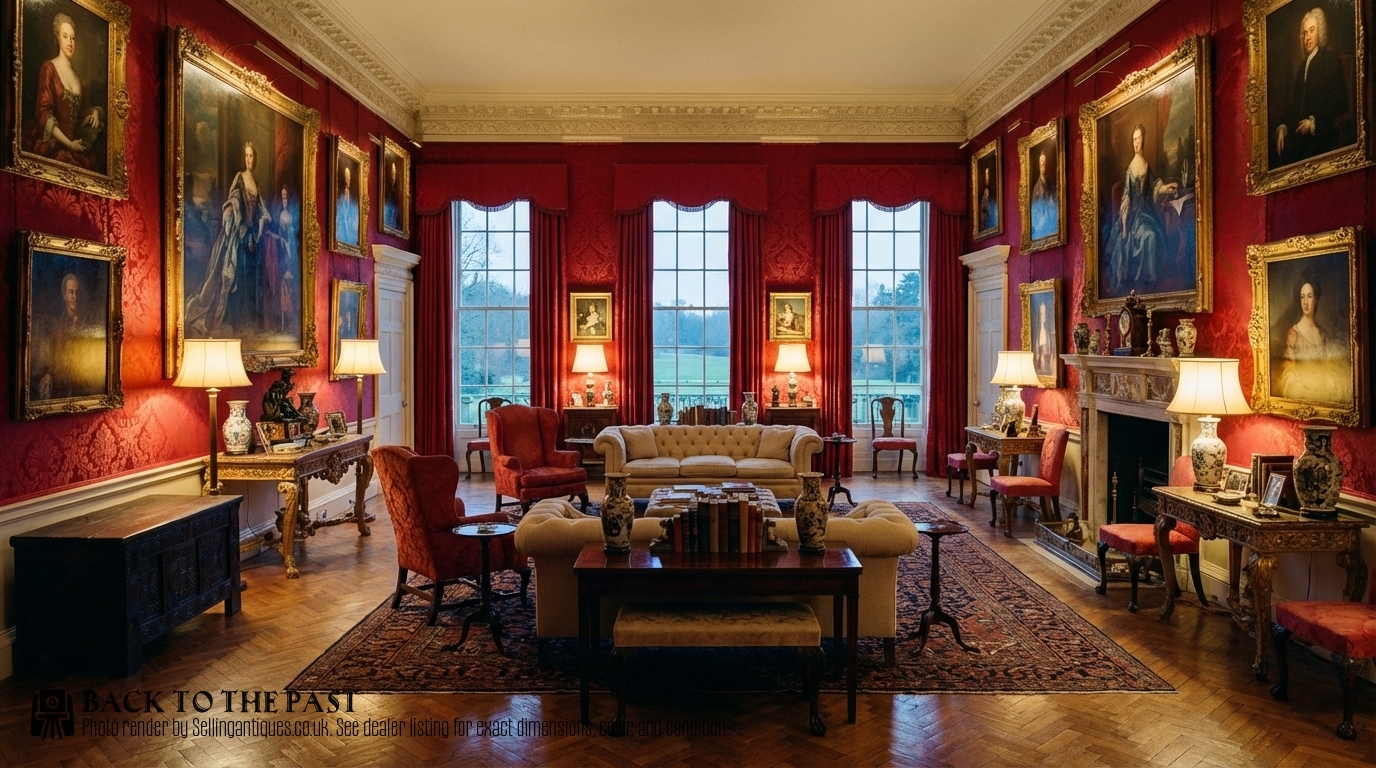
Elizabethan Oak Coffer
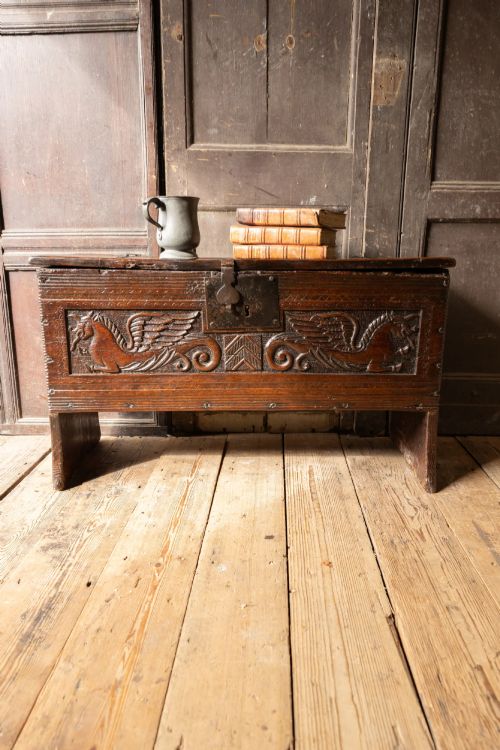
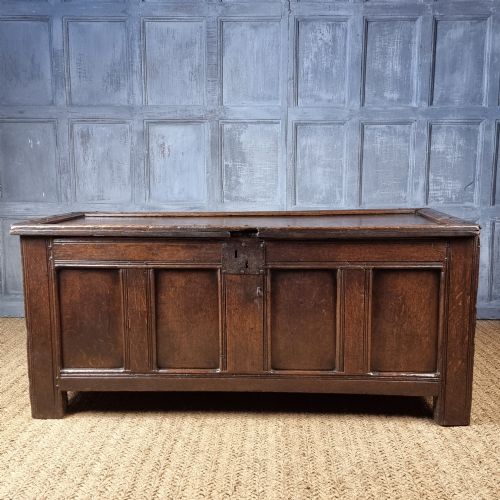
When searching for an elizabethan oak coffer, buyers encounter heavy timber storage chests originating primarily from the sixteenth and seventeenth centuries, alongside later revival pieces from nineteen hundred and the nineteenth century. These items manifest as boarded coffers, plank coffers, six-plank chests, and box stools designed for domestic storage.
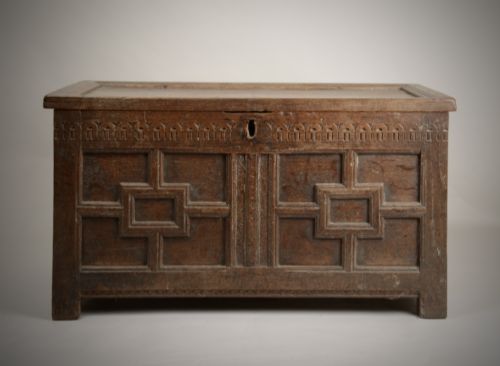
Regional variations appear frequently in the listings, including Welsh examples alongside English pieces. Forms range from simple boarded constructions to carved and inlaid chests, sometimes featuring fruitwood inlay or wrought iron hardware.
The material focus centres firmly on oak, occasionally supplemented by fruitwood inlay or iron. Most examples span the sixteenth century and seventeenth century, with occasional later interpretations adhering to Tudor and Elizabethan styles.
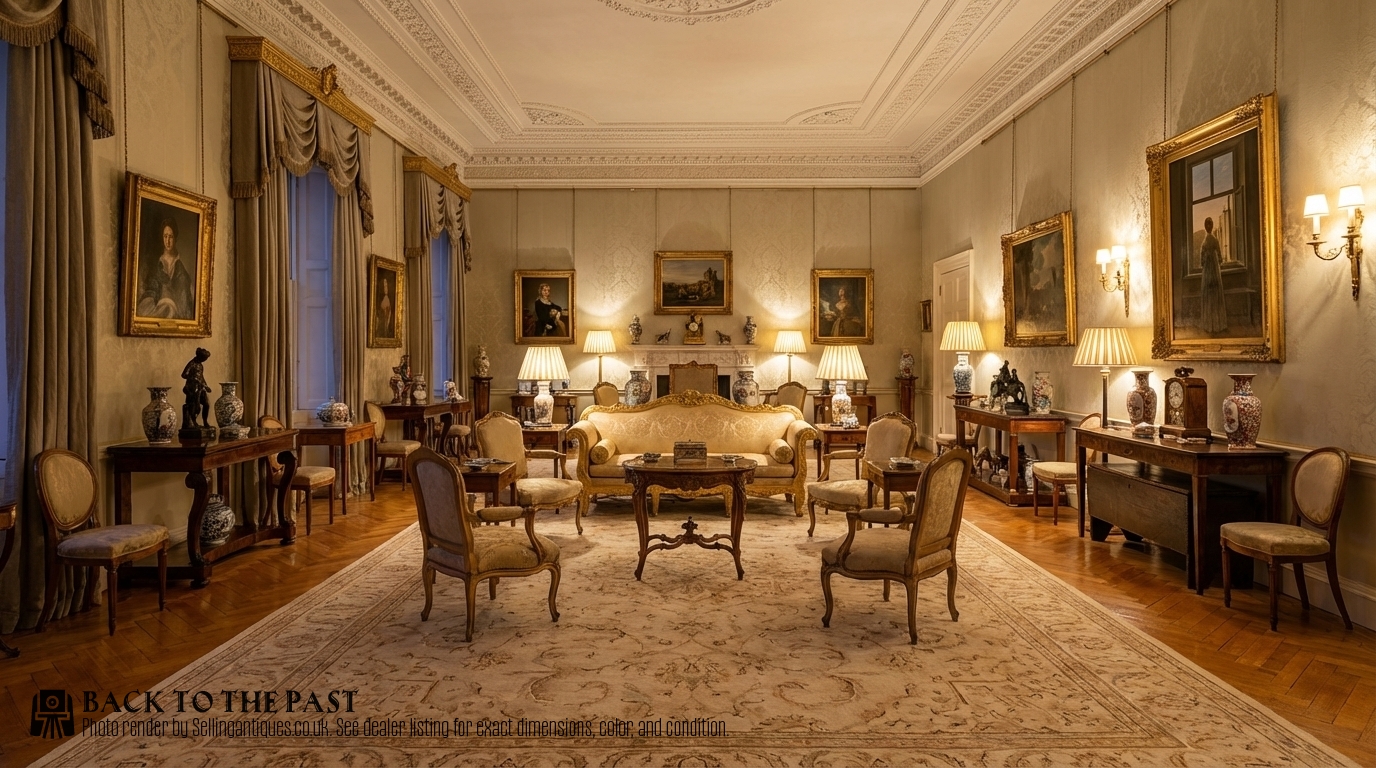
Materials and construction
Makers utilised solid oak timbers, joined using traditional methods suited to heavy furniture construction. Planks were fastened to form robust chests and coffers designed for everyday utility.
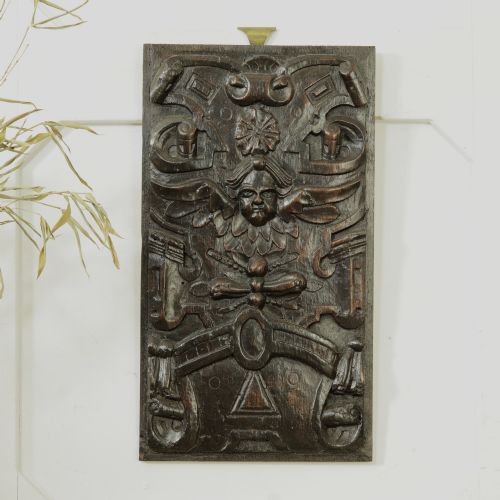
Decoration relied on carving, high-relief panels, and fruitwood inlay to ornament the plain timber surfaces. Wrought iron fittings and hardware provided structural reinforcement and functional security.
Elizabethan Oak Coffer Retail Price Guide 2026
Typical asking prices for elizabethan oak coffer among the pieces listed under this phrase on Sellingantiques today, from the lower quarter to the upper quarter. They describe what is for sale here now, not the wider market.
Some early boxes doubled as meal arks for storing flour and provisions, proving that even fine Elizabethan joinery answered to the dinner table.
Evaluating quality and execution
Quality separates simple plank construction from heavily carved or inlaid examples that required greater joinery skill. The depth and execution of the carving, whether geometric or figurative, indicate the maker's proficiency.
The preservation of original timber, ironwork, and structural integrity defines the standing of individual pieces. Early boarded coffers show straightforward utility, whereas ornamented chests display more ambitious design and detail.
The Elizabethan Oak Coffer Glossary
- Cofer
- An archaic spelling of coffer, denoting a large heavy box used for storing valuables and household goods. These items frequently double as benches in early domestic interiors.
- Six-plank chest
- A primitive form of chest constructed from six separate boards pinned together at the corners. This method represents an early approach to timber box construction.
- Box stool
- A low seating form incorporating a concealed storage compartment beneath the seat. Examples often date to the sixteenth or seventeenth centuries.
- Fruitwood inlay
- Decorative wood contrasting with the primary oak body, used to create geometric or pictorial patterns. This technique appears on select sixteenth-century and revival pieces.
- Wrought iron
- Hand-hammered iron used for hinges, straps, and corner brackets on early storage chests. The metalwork provides both reinforcement and decorative contrast against the dark timber.
Elizabethan Oak Coffer: Frequently Asked Questions
What is an Elizabethan oak coffer?
An elizabethan oak coffer is a heavy wooden storage chest built during the late sixteenth century or early seventeenth century. These pieces served as secure containers for household valuables, linens, and documents.
Their robust construction allowed them to function additionally as seating or tables within early homes. Surviving examples display various regional styles and decorative treatments.
How were these coffers used?
Original owners utilised these chests primarily to store precious textiles, silver, and personal belongings safely. The heavy lids and iron fastenings helped protect contents from theft and moisture.
In domestic spaces, they stood against walls or at the foot of beds, doubling as benches for sitting. Their dual purpose made them central pieces of furniture in period households.
How do I date an antique coffer?
Dating relies on examining construction methods, timber patination, and decorative motifs such as carving or inlay. Sixteenth-century pieces often feature boarded or joined plank construction with period tool marks.
Later revival items from nineteen hundred replicate these forms using nineteenth or twentieth-century techniques. Comparing joinery details helps distinguish period work from subsequent interpretations.
Where were these chests made?
Makers constructed these pieces in local workshops across England and Wales using native timbers. Regional variations appear in construction methods and decorative carvings.
Welsh examples, for instance, share specific regional characteristics that separate them from English pieces. Local timber availability shaped the materials chosen by regional joiners.
How do I live with an oak coffer?
These sturdy chests integrate easily into modern interiors as coffee tables, hallway benches, or bedroom storage. Their flat tops and generous internal space offer practical utility today.
Keeping them away from direct heat sources helps preserve the ancient oak timber. Regular dusting maintains the surface finish without requiring complex maintenance.