



Welsh Carved Oak Box
These heavy, timber-framed pieces known as a welsh carved oak box carry centuries of domestic history in their dense grain.

Welsh Carved Oak Box
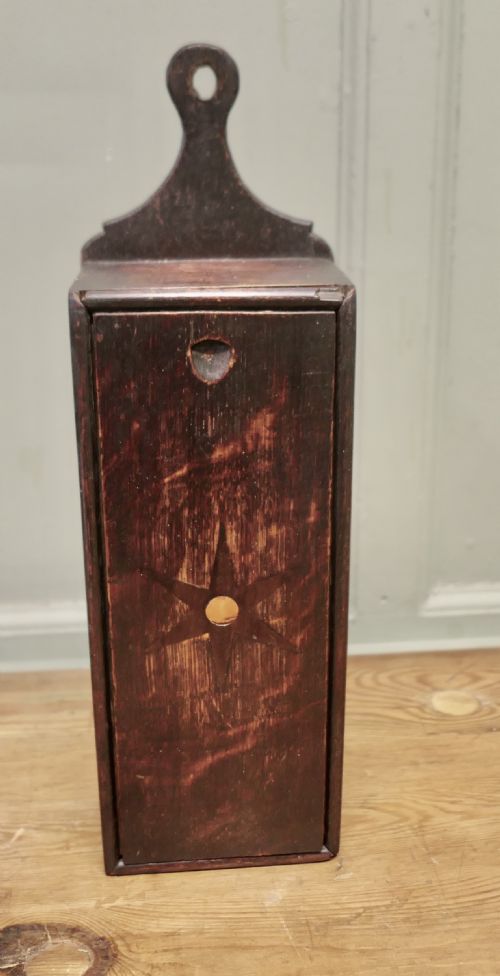
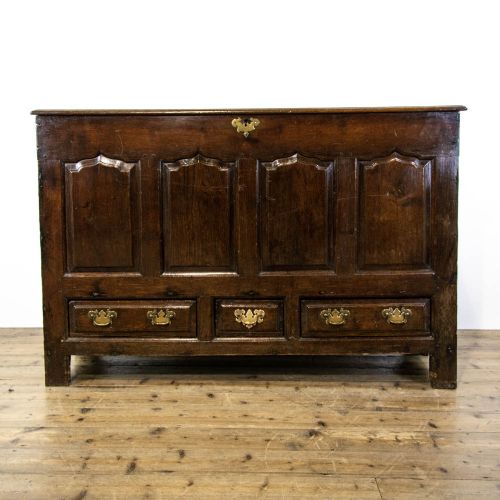
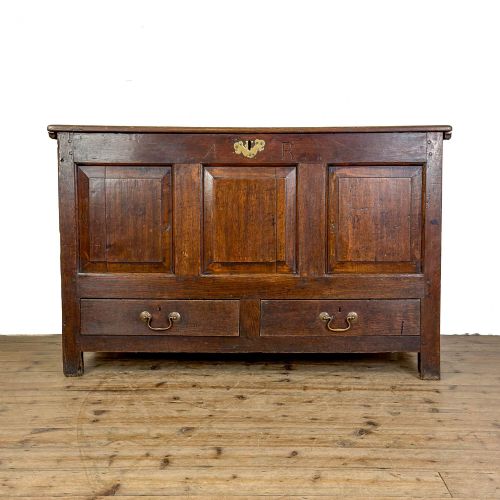
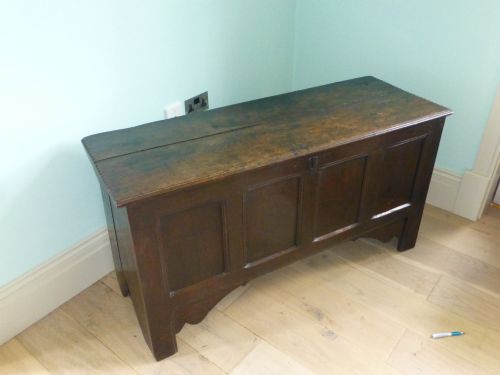
A buyer examining a welsh carved oak box encounters domestic storage forms spanning from the sixteenth century through the georgian period, encompassing large coffers, mule chests, and intimate table boxes. The smaller scale pieces frequently appear as coffor bach miniatures or wall-hanging candle boxes designed for specific household tasks.
Makers produced these containers for functional utility in rural Welsh homes, ranging from small chip-carved receptacles to imposing storage chests. Regional variations display distinctive vernacular characteristics, notably in the proportion of the panels and the layout of the interior compartments.
Materials and construction
Craftsmen utilised native timber, predominantly solid oak supplemented by fruitwood inlay and occasional hardwood elements. Joinery relied on pegged mortise and tenon frames, while smaller boxes integrated sliding lids or hinged panels.
Surface decoration frequently involved chip carving, geometric incised motifs, and occasional fruitwood or bone highlights. Metalwork consisted of hand-forged iron hinges, latches, and brass details which secured the lids and drawers.
The inventory records pieces spanning from the sixteenth-century Tudor period through the seventeenth and eighteenth-century Georgian eras.
Evaluating the standard
Quality rests in the crispness of the original carved decoration and the integrity of the timber panels as they respond to age. Superior examples retain their original brass or wrought iron hardware without excessive replacement of the structural pins.
The proportion of the miniature coffers and the complexity of the chip carving distinguish finer workshop output from simpler utilitarian containers. Surface patination, showing decades of dry waxing and handling, marks the best-preserved pieces.
The Welsh Carved Oak Box Glossary
- Coffor bach
- A miniature coffer or small chest produced in Wales during the seventeenth and eighteenth centuries. These small boxes often feature a single drawer beneath the main lidded compartment.
- Chip carving
- A decorative technique where small chips of wood are removed from the surface with a gouge or knife to create geometric patterns. This method appears frequently on seventeenth-century Welsh boxes and panels.
- Mule chest
- A storage chest fitted with one or more drawers in the base beneath the main lift-top compartment. They bridge the functional gap between a simple coffer and a tall chest of drawers.
- Vernacular
- Architecture and furniture built by local craftsmen using traditional regional methods and materials rather than academic architectural designs. Welsh vernacular pieces display distinctive local interpretations of broader period styles.
Welsh Carved Oak Box: Frequently Asked Questions
What is a coffor bach?
A coffor bach is a small miniature coffer traditionally made in Wales to store valuables or document collections. These scaled-down chests often include a lower drawer beneath the main lidded compartment.
Craftsmen built them with the same pegged oak construction techniques used for larger household coffers. They served both a practical storage function and a decorative role in domestic interiors.
How were wall boxes used?
Wall-hanging boxes provided secure, elevated storage for household items such as candles or salt away from damp floors and pests. Their back panels usually feature pierced holes for suspension on wall pegs.
These containers kept essential provisions dry and accessible within the main living spaces of seventeenth and eighteenth-century homes. The inclusion of hinged lids protected the contents from dust and soot.
How do I date a carved oak box?
Dating relies on examining the construction joints, tool marks, and style of the carved decoration. Seventeenth-century pieces typically show heavier frame-and-panel assembly with geometric chip carving, while eighteenth-century examples often incorporate dovetail joints and simpler mouldings.
Original iron hardware and dated inscriptions provide further chronological markers. Changes in regional Welsh vernacular styles across the periods also help narrow down the decade of manufacture.
Are original hardware fittings common?
Original iron and brass hardware survives on a selection of pieces, though hinges and latches were frequently replaced over centuries of active use. Wrought iron strap hinges and hand-beaten nails indicate early assembly methods.
When original locks and handles remain intact, they offer strong evidence of the piece's authenticity. Collectors look closely at the fit of the metalwork against the surrounding oak timber.