


Carved Wooden Keepsake Box
A carved wooden keepsake box holds small treasures and personal items, combining utility with intricate craftsmanship across centuries of domestic history.
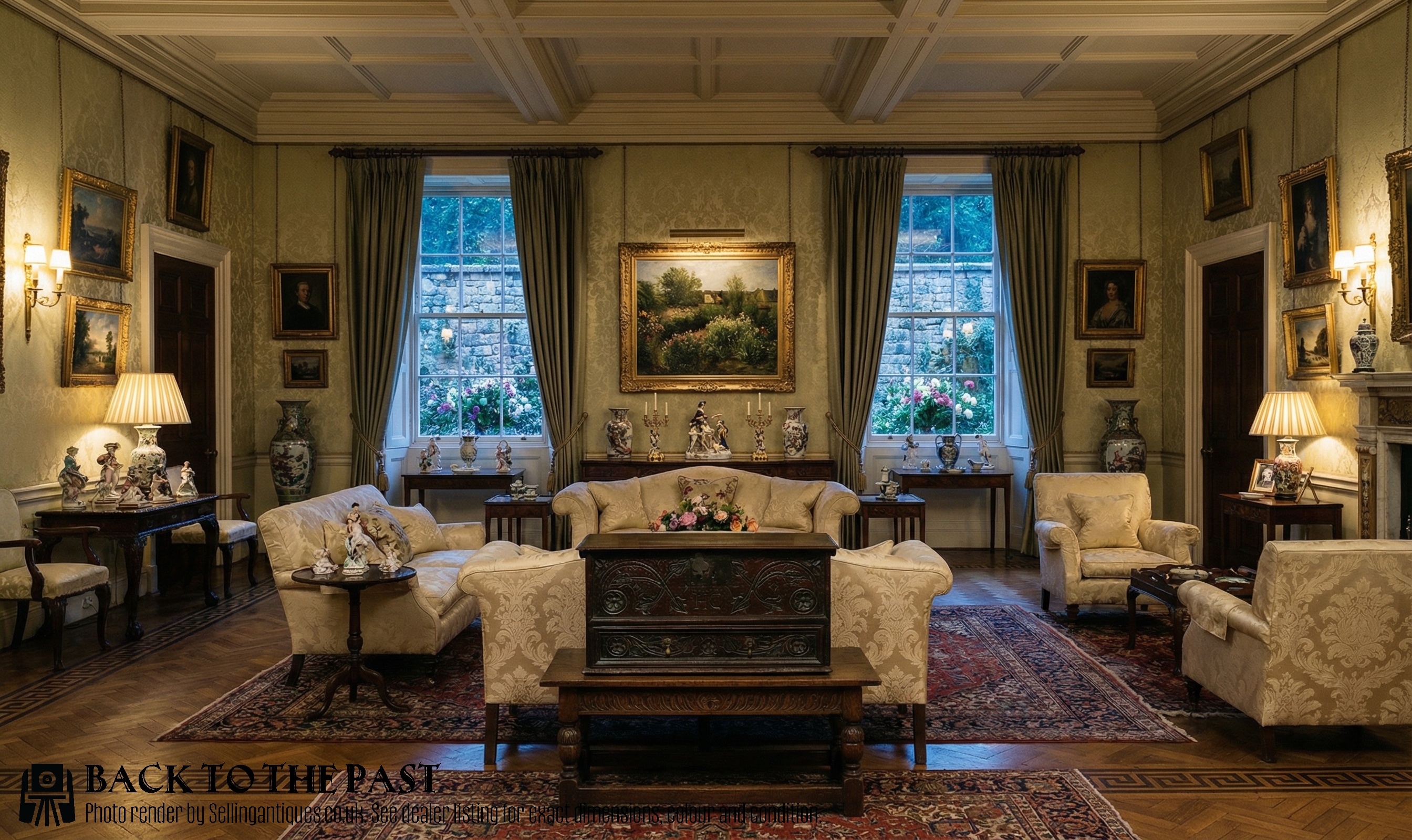
Carved Wooden Keepsake Box
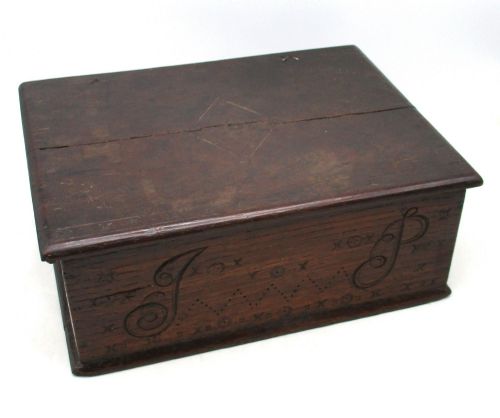
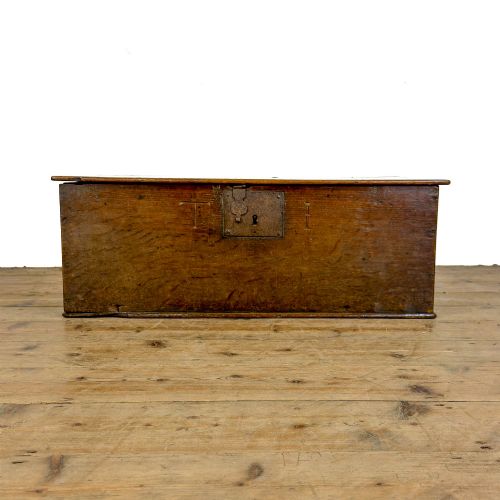
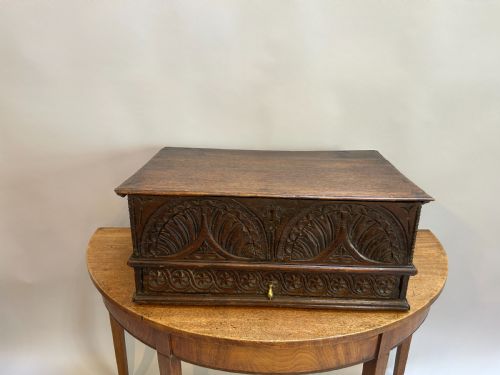
A carved wooden keepsake box encompasses a diverse group of lidded containers, from document and bible boxes to jewellery caskets and tea caddies. The examples on this page range from small trinket holders to large chests designed for personal valuables. Buyers find items intended for correspondence, writing implements, and specialised storage.
The pieces span multiple centuries and design traditions, drawing on Victorian, Georgian, Edwardian, and earlier periods. Oak, walnut, and exotic timbers form the structural basis of these objects. Many incorporate specialist forms such as book-shaped boxes, sarcophagus shapes, and domed caskets originating from British, European, and global workshops.
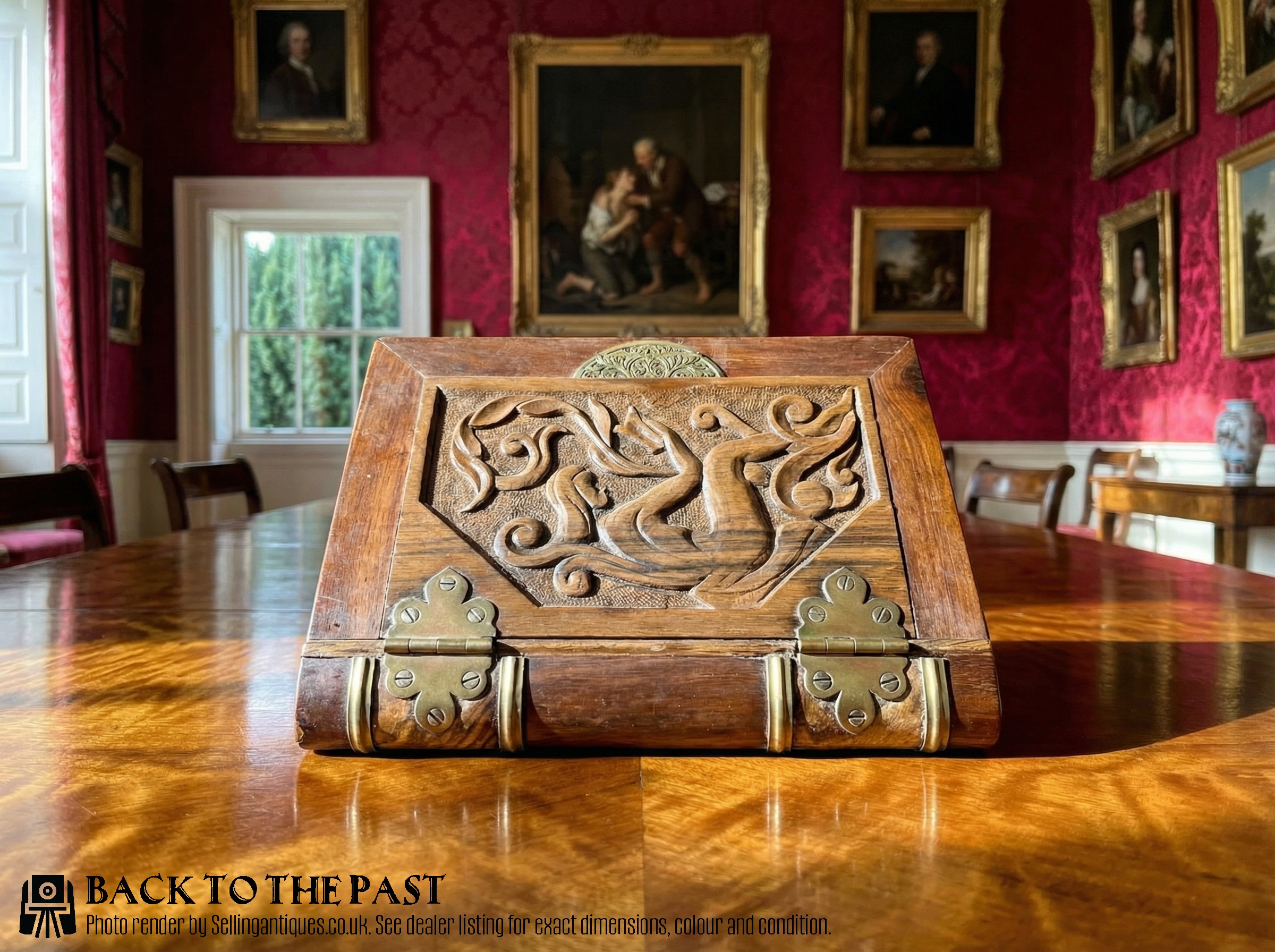
Materials and construction
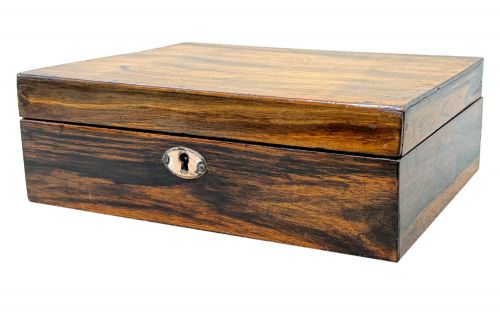
Makers utilised native hardwoods like oak and walnut alongside imported timbers such as rosewood, coromandel, sandalwood, and ebony. Solid construction methods provide durability, while decorative surfaces rely on careful carving, reeded decoration, and raised mouldings. Iron and brass hardware furnish hinges, locks, and handles.
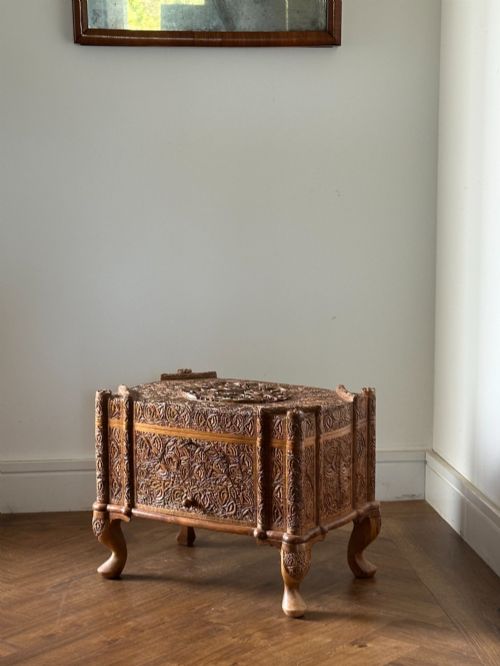
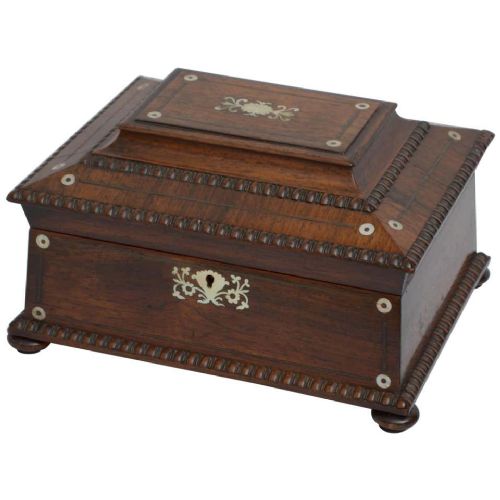
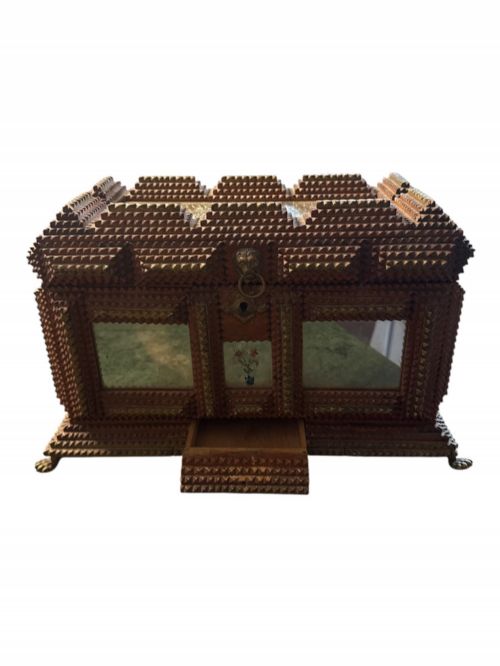
Surface ornamentation incorporates diverse techniques including marquetry inlay, mosaic patterns, mother-of-pearl inlay, and porcupine quill work. Tramp art examples display notched chip carving, while Black Forest and Anglo-Indian pieces exhibit deeply carved figurative and botanical motifs. Linings of silk or paper frequently finish the internal compartments.
One unexpected box is cleverly carved to resemble a regulation soccer football.
Distinctions in quality
Quality rests in the precision of the joinery and the depth of the carving. Superior boxes exhibit tightly fitted lid joints, crisp relief work, and harmonious proportions. Lesser examples display mechanical repetition or crude assembly without regard for grain direction.
The choice of materials significantly influences the standing of a piece. Dense hardwoods and intricate inlay demand high technical skill, whereas simpler constructions utilise plain timber and basic surface scoring. Original hardware and intact internal fittings elevate the integrity of surviving specimens.
The Carved Wooden Keepsake Box Glossary
- Bible box
- A desk-form or lidded chest originally intended to store a family bible or important household documents. These pieces frequently date to the 17th and 18th centuries in solid oak.
- Tea caddy
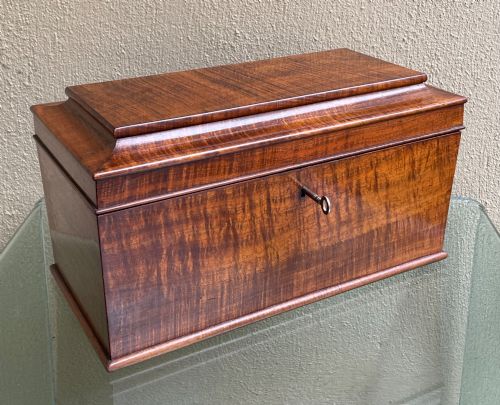
- A container designed to store dry tea leaves securely, often featuring internal lidded compartments to separate different varieties. Cabinetmakers constructed these in mahogany, walnut, and other fine woods.
- Tramp art
- A form of folk art popular in the 19th and early 20th centuries created by carving scraps of wood, often from cigar boxes, using pocket knives. Pieces display distinctive chip-carved, layered geometric patterns.
- Tunbridge ware
- Wood mosaic woodwork produced in Kent, England, utilising tiny tinted wooden blocks assembled to create pictorial or geometric mosaic designs. Boxes finished this way represent specialised British manufacturing.
- Sarcophagus-shaped
- A container style featuring a stepped, sloping lid and flared body reminiscent of classical monumental tombs. This form appeared frequently on Regency and Victorian jewellery caskets and work boxes.
Carved Wooden Keepsake Box: Frequently Asked Questions
How were antique wooden boxes used?
These containers served multiple domestic functions, from holding family bibles and legal documents to storing letters, tea, and personal jewellery.
Interior compartments and lift-out trays organised small items like thimbles, coins, and stamps securely before the widespread use of fitted furniture.
What periods do these boxes represent?
The selection spans from the 17th century through the Edwardian era and into the early 20th century. Earlier pieces tend to be heavy oak document boxes, while later examples embrace Victorian and Edwardian fancy woods.
Distinct regional styles from Britain, Europe, India, and China appear across different decades, reflecting global trade and shifting aesthetic tastes.
What is Anglo-Indian woodwork?
Anglo-Indian pieces combine traditional Indian carving techniques with European furniture forms suited to British colonial households.
Workshops utilised dense exotic timbers like sandalwood and ebony to create heavily decorated boxes featuring intricate floral or architectural motifs.