





17th Century Table Box
A 17th century table box is a sturdy lidded container built for holding precious documents and valuables, combining practical storage with fine period craftsmanship.
17th Century Table Box
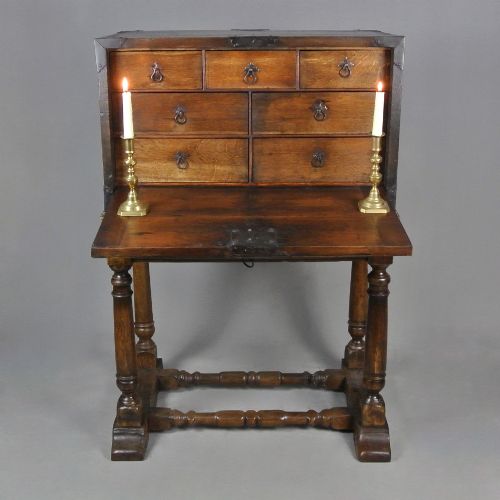
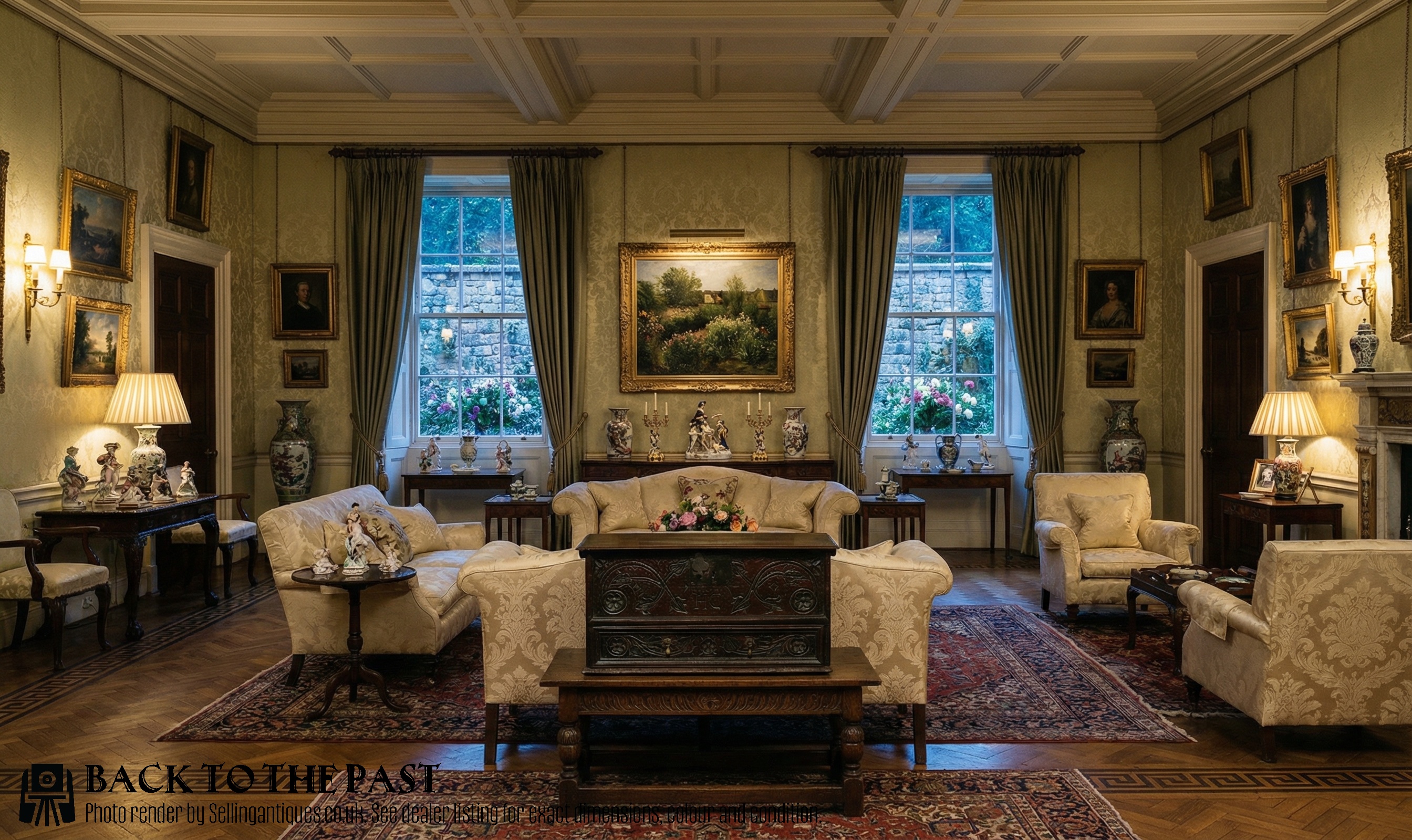
A 17th century table box serves as a portable repository for letters, deeds, and personal valuables before specialised desks became common in every household. These pieces sit comfortably upon tables, chests, or desks, providing secure storage within a domestic setting.
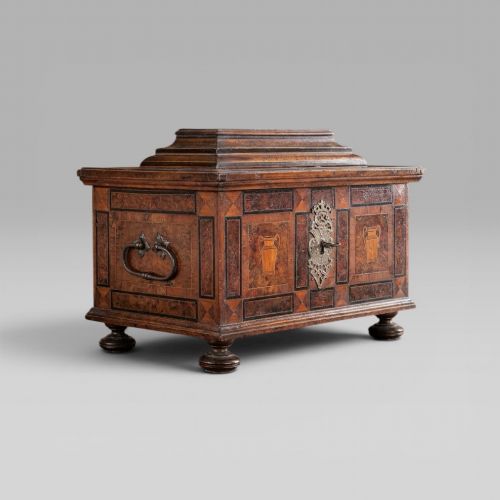
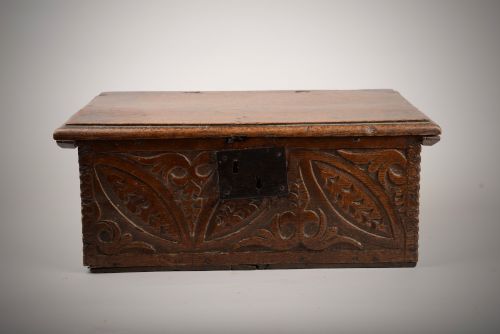
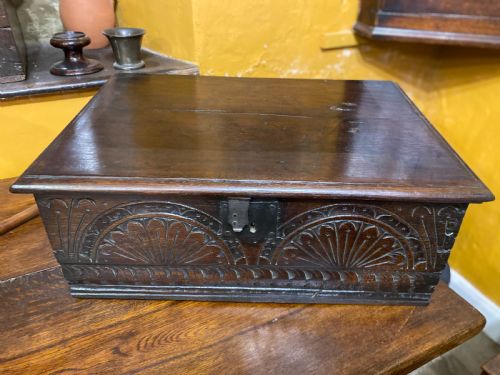
The version most frequently met on this page is constructed from robust oak, often featuring carved panels, sloping lids, or internal drawers. Continental examples introduce exotic veneers such as kingwood, ebony, and burr walnut alongside intricate marquetry and gilt wood.
How they were made
Cabinetmakers constructed the primary carcase using solid oak or regional hardwoods, frequently employing pegged joints and framed panels to accommodate seasonal wood movement. Surfaces were then shaped with hand chisels, displaying carved geometric motifs, lunettes, or Gothic tracery.
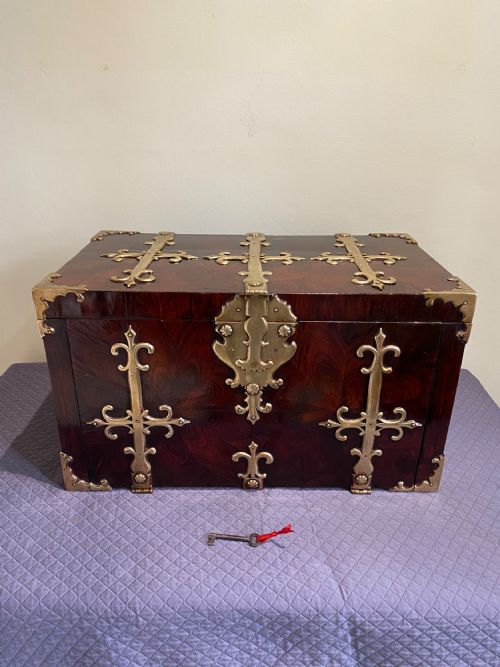
Finer continental pieces utilised expensive hardwoods like ebony, kingwood, and walnut applied as veneers over a core structure. Iron hinges, brass escutcheons, and locks completed the construction, securing the contents while adding decorative contrast to the timber.
17th Century Table Box Retail Price Guide 2026
Typical asking prices for 17th century table box among the pieces listed under this phrase on Sellingantiques today, from the lower quarter to the upper quarter. They describe what is for sale here now, not the wider market.
Several boxes double as portable desks with sloping fronts, proving our ancestors loved working from the sofa just as much as we do.
What varies in quality
The distinction between standard examples and superior pieces rests largely on the ambition of the carving and the selection of materials. Crisp, deep relief carving on solid oak commands attention, while elaborate veneering and marquetry display advanced continental joinery techniques.
Originality of surface finish and internal fittings strongly influences the standing of a box. Retaining period locks, hinges, and fitted internal drawers elevates an example far above one altered or stripped of its early hardware over centuries of use.
The 17th Century Table Box Glossary
- Bible box
- A desk box originally designed to hold a family bible and devotional texts. These pieces often feature a sloping lid suited for reading or writing.
- Table cabinet
- A sophisticated tabletop case containing multiple internal drawers for valuables. These works frequently showcase luxurious veneers like ebony and kingwood.
- Joint stool
- A low wooden seat constructed with mortise and tenon joints held together by wooden pegs. They appear alongside tables in domestic interiors.
- Marquetry
- The art of applying decorative veneer pieces in wood and other materials to form geometric or pictorial patterns. This technique decorates high-status continental cabinets.
- Cofre forte
- A strong box or coffer designed for securing money and precious items. These heavy containers incorporate robust ironwork and intricate locking mechanisms.
17th Century Table Box: Frequently Asked Questions
What is a 17th century table box?
A 17th century table box is a lidded wooden container made to hold documents, silver, or books securely on top of a table.
These compact repositories were essential household items before dedicated writing desks became widespread in domestic interiors.
How were table boxes used?
Owners used these boxes to store personal correspondence, legal deeds, money, and family bibles safely away from dust and damp.
The hinged lids and internal compartments kept important papers organised and locked away from casual view.
How do I care for oak boxes?
Keep wooden boxes away from direct heat sources and sudden humidity changes to prevent the timber from splitting or warping.
Apply a light application of traditional beeswax periodically to nourish the surface and maintain the natural lustre of the wood.
Are these boxes signed by makers?
Makers from this era rarely signed their work, leaving pieces identifiable only through construction methods, timber choices, and regional design traits.
Some exceptional examples feature carved initials or dates directly into the oak panels to mark an important year or ownership.