



Weighted Brass Doorstop
These weighted brass doorstop examples combine heavy utility with sculptural form to hold back heavy interior doors.
Weighted Brass Doorstop
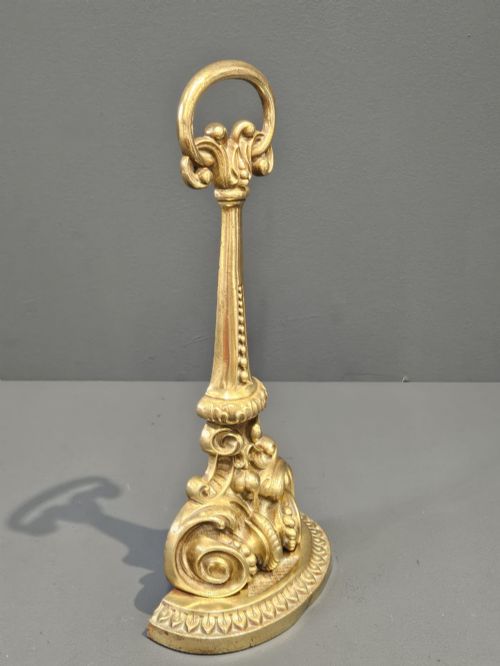
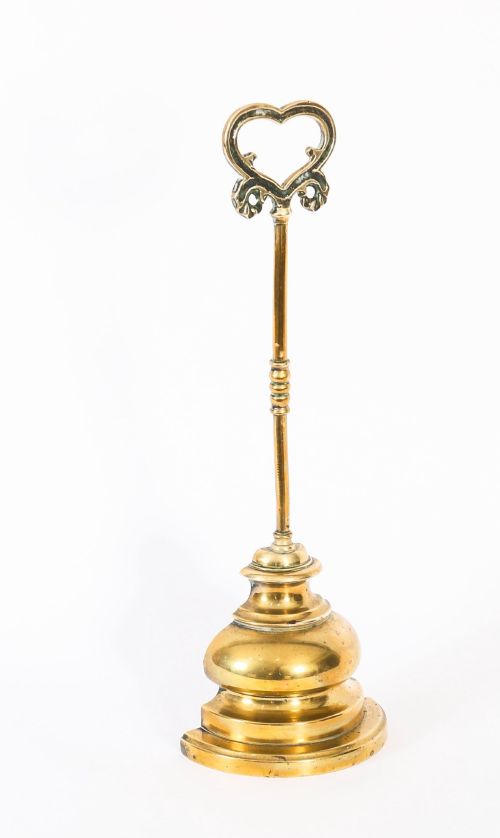
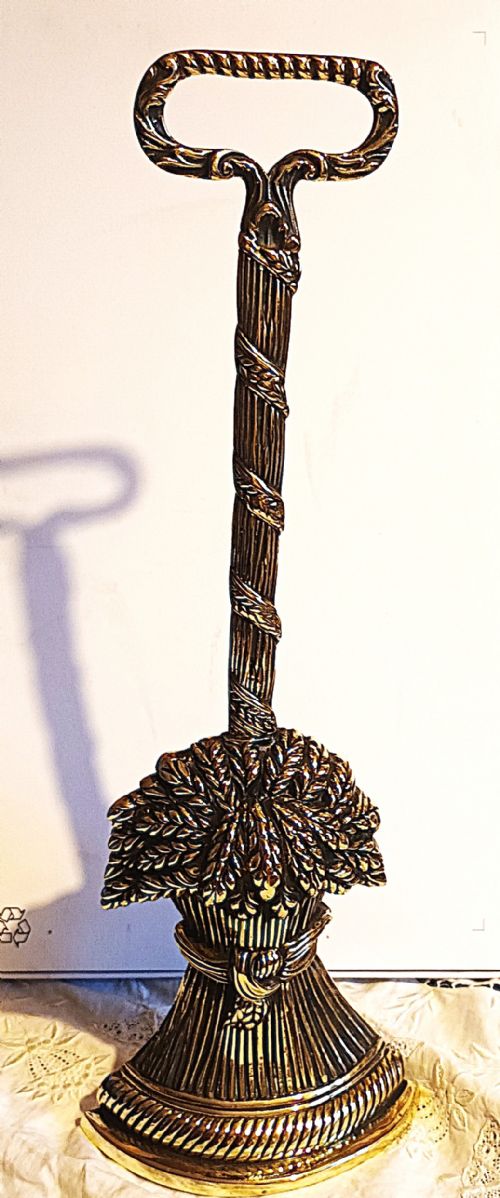
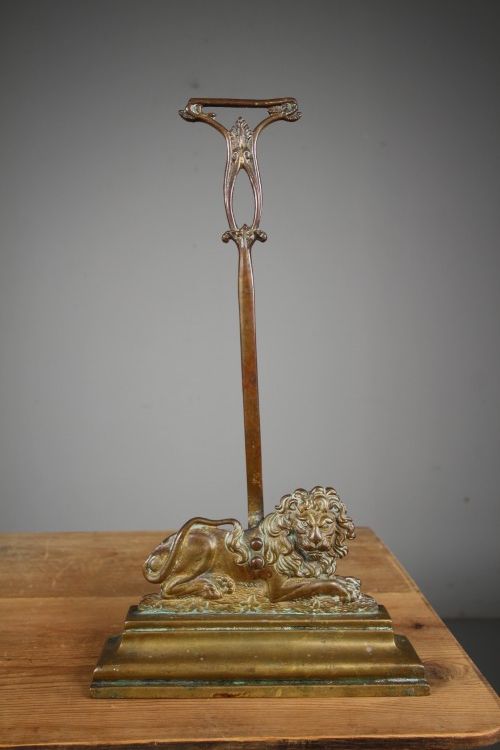
A weighted brass doorstop is a heavy utilitarian object designed to keep doors open within the home, most frequently taking the form of figural casts, animals, and decorative porters. When you search for a weighted brass doorstop, you encounter pieces that date primarily from the Victorian and Georgian periods, alongside Edwardian examples.
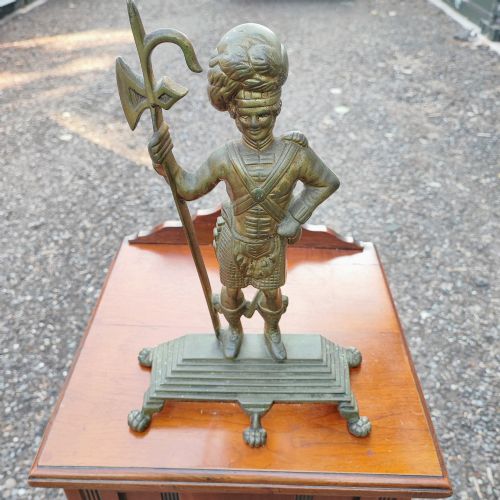
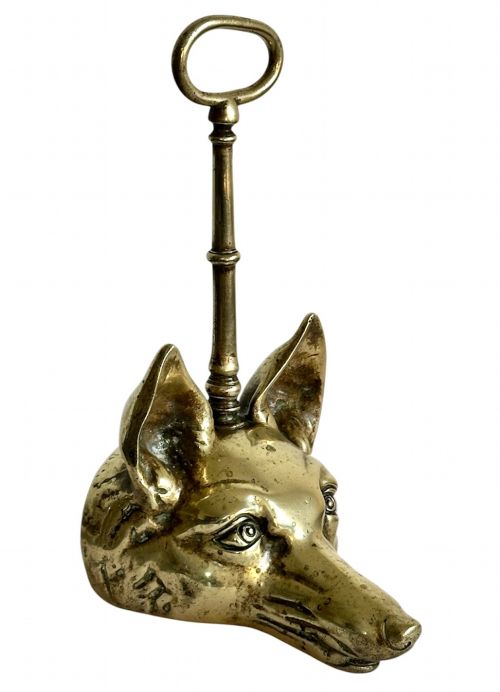
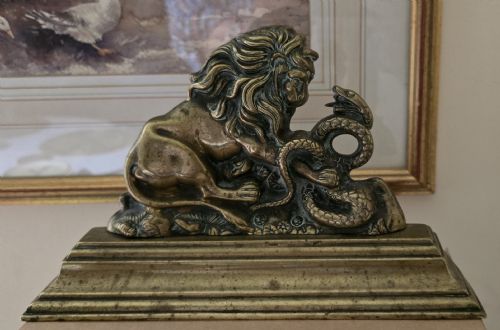
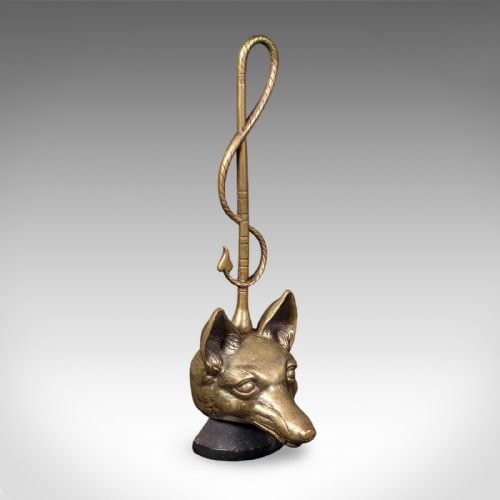
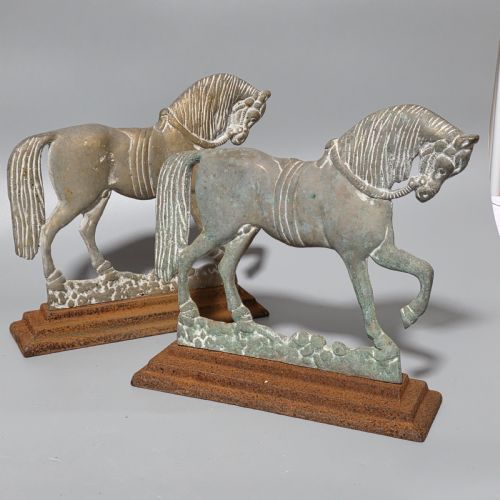
The most common versions on this page are cast in brass and incorporate an iron weighted base to provide the heft needed for domestic service. Animal subjects such as lions, horses, dogs, and foxes appear alongside figural porters including Scottish soldiers, Mr Punch, cherubs, and Lord Nelson.
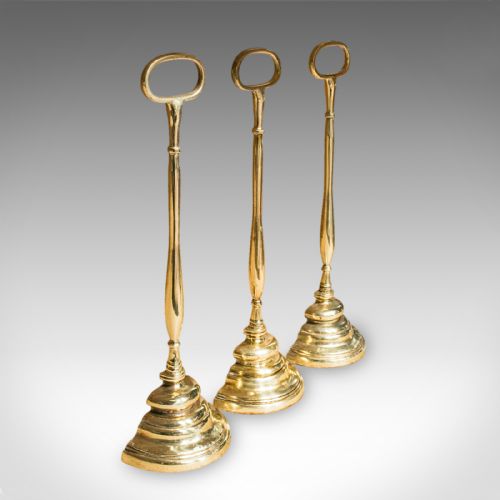
Originating largely from English workshops, these items span styles from Regency and Late Georgian to Victorian and English Country House. Some examples take the form of pairs, while others are found as single heavy pieces or door butlers.
Quality and Detail
The presence of an original weighted base, whether iron or lead, distinguishes pieces that retain their intended functional integrity from those altered over time. Heavier, more substantial castings generally reflect higher production standards from established makers.
Weighted Brass Doorstop Retail Price Guide 2026
Typical asking prices for weighted brass doorstop among the pieces listed under this phrase on Sellingantiques today, from the lower quarter to the upper quarter. They describe what is for sale here now, not the wider market.
Mr Punch and Scottish soldiers stand shoulder to shoulder with brass foxes and lions to keep your doors open.
Tonks·William Tonks·Wm Tonks and Sons
The Weighted Brass Doorstop Glossary
- Door porter
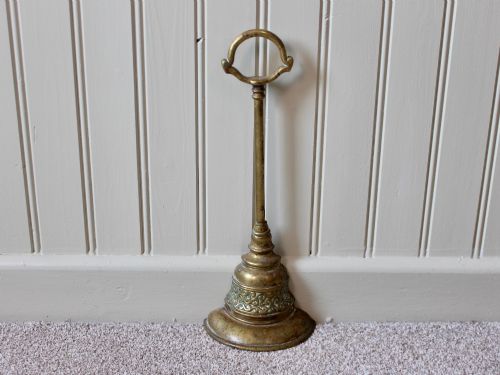
- An alternative term for a heavy doorstop designed to be lifted and placed by a handle or top ornament. These substantial pieces were used primarily in larger hallways.
- Cast brass
- Brass poured into a mould in molten form to create a solid three-dimensional shape. This technique allows for intricate sculptural detail on figural subjects.
- Weighted base
- The heavy lower section of a doorstop, often made of cast iron or lead, added to ensure the object stays firmly in place against a door. Some designs integrate this weight internally.
- Design registered
- A mark indicating that a specific pattern was officially filed for intellectual property protection in a given year, such as the 1887 registrations found on certain maker examples.
Weighted Brass Doorstop: Frequently Asked Questions
What is a door porter?
A door porter is a heavy vertical doorstop featuring a handle at the top, allowing it to be easily moved around a room. These objects were traditionally used in large houses to control heavy interior doors.
They combine decorative sculpture with functional weight, often taking the form of figural subjects or heraldic animals.
How do I date a brass doorstop?
Dating relies on stylistic clues, manufacturing techniques, and registered design numbers found on the pieces. Victorian and Georgian examples often display distinct sculptural styles associated with their respective periods.
Evidence from nineteenth-century manufacturing shows specific attention to animal and human figures, evolving from Late Regency designs into more ornate Victorian casts.
Why are some doorstops weighted with iron?
Brass alone can be relatively light for holding back heavy doors, so manufacturers added iron or lead weighted bases to increase stability. This internal or base weight provides the necessary mass while keeping the decorative exterior entirely in brass.
Original weights are integral to the piece's function and historical integrity.
Where were these doorstops placed in a home?
They were positioned on the floor near interior doors in hallways, libraries, and drawing rooms of large English country houses. Their substantial weight kept doors open against drafts and heavy traffic.
Because they doubled as decorative objects, prominent subjects like lions or soldiers were chosen to be visible when not actively holding a door.