


Warm Brown Vanity Table
A warm brown vanity table brings rich timber grain and period charm to a dressing room.
Warm Brown Vanity Table
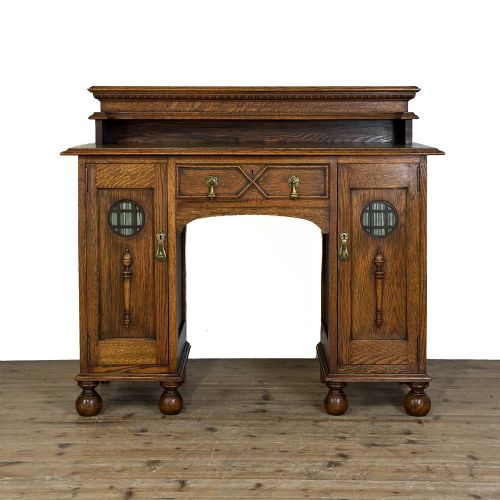
When searching for a warm brown vanity table, buyers encounter a diverse selection of antique dressing furniture, lowboys, and mirrors spanning several centuries. These pieces encompass 18th-century forms like oak and walnut lowboys, grand Victorian duchess tables, and streamlined Art Deco pedestals. Mahogany, walnut, and oak dominate the selection, offering the deep, inviting hues that define the category.
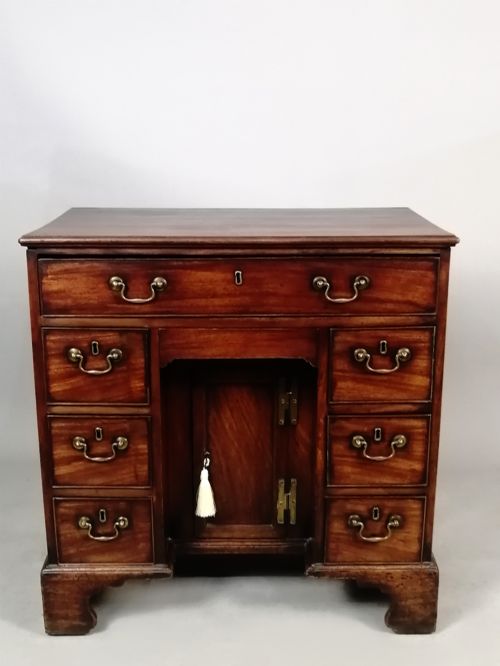
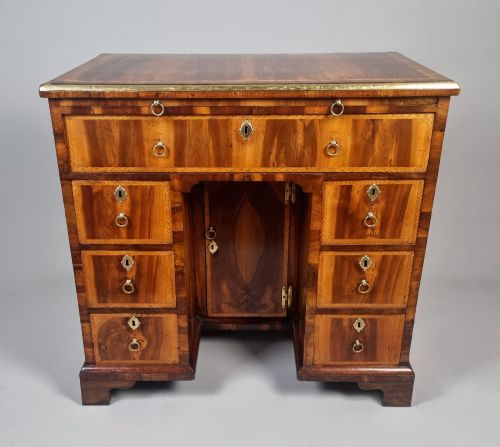
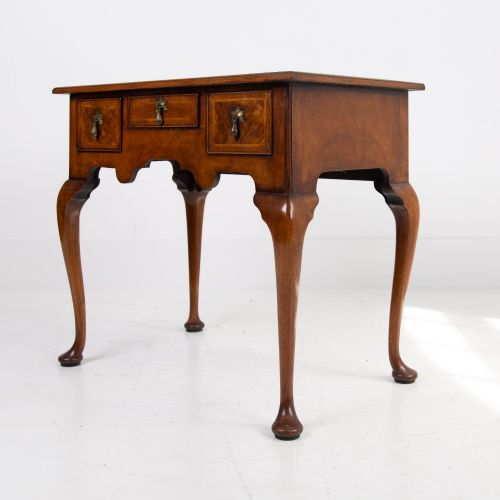
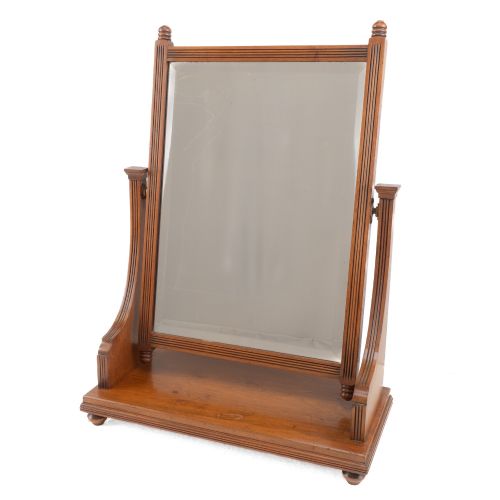
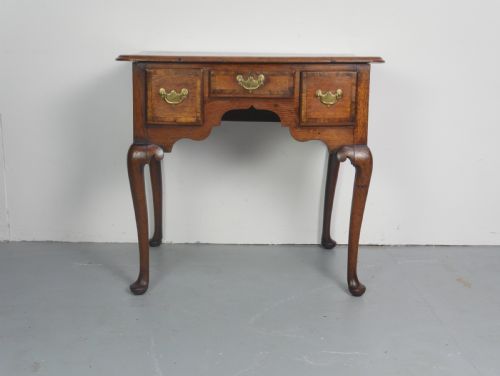
The most common forms on this page include Georgian kneehole desks, Victorian swing mirrors, and Edwardian dressing chests. Lowboys from the 18th century serve as compact precursors to modern dressing tables, often featuring multiple drawers and tapered legs. Later Victorian and Art Deco examples frequently integrate pivoting mirror glass directly into the timber structure.
Materials and construction
Cabinet makers utilised dense hardwoods such as mahogany, walnut, oak, and yew, often selecting figured veneers like burr walnut or tulipwood to create visual depth on large surfaces. These timbers were selected for their rich natural colour and durability, then polished to a warm sheen. Inlaid details in satinwood or marquetry added linear contrast.
Joinery techniques relied on traditional dovetail joints for drawer construction and sturdy mortise and tenon frames for the tables themselves. Brass handles, key escutcheons, and swing mirror brackets provided functional metallic accents. Mirrors utilised cast plate glass mounted in adjustable wooden frames.
Thomas Rubergall engraved his scientific optical mirrors so finely that even a gentleman's morning shave felt like a laboratory experiment.
What separates the best from the rest
Quality in these pieces rests upon the selection of timber and the finesse of the cabinet work. Superior examples display carefully matched wood grain across drawer fronts and harmonious proportions that reflect their period. The retention of original brass hardware and untouched surface patination elevates a piece significantly.
The sophistication of the internal construction, such as secondary softwoods used in drawer linings and hand-cut dovetailing, distinguishes high workshop production from utilitarian output. Artistry in decorative elements like hand-carved mahogany details or precise marquetry inlay marks the upper tier of the range.
Thomas Rubergall·Maison Pretot Paris·Gillows of Lancaster·J. Shoolbred
The Warm Brown Vanity Table Glossary
- Lowboy
- A small table with drawers, typically standing on four legs, used as a dressing table or side table in the 18th century. They offer a compact surface with modest storage beneath.
- Swing mirror
- A looking glass mounted on vertical pivots within a frame, allowing the user to adjust the angle. These often sit atop a dressing chest or form part of a dressing table.
- Kneehole desk
- A bureau or dressing table featuring a recessed central space for the user's knees, flanked by pedestals of small drawers. This form became popular during the Georgian period.
- Marquetry
- Decorative veneer work created by fitting small pieces of various wood types into a patterned design. It adds pictorial detail to surfaces on 19th-century pieces.
Warm Brown Vanity Table: Frequently Asked Questions
How do I date a wooden vanity table?
Dating relies on observing construction methods, timber choices, and hardware styles. Hand-cut dovetails and solid oak linings typically point to 18th-century origins, while machine-sawn elements suggest later periods.
Secondary woods and the style of the legs provide further clues. Comparing the piece to documented examples from periods like the Georgian era helps narrow down the decade.
Were these tables used exclusively for grooming?
Many of these pieces served multiple domestic functions in period homes. A lowboy or kneehole desk could double as a writing surface or a side table depending on the room.
Mirrors were frequently detachable or adjustable, allowing the furniture to transition between a dressing function and general display use.
What is the difference between a lowboy and a dressing table?
A lowboy is a compact table with drawers, usually dating from the 18th century, that predates dedicated vanity furniture. They were often paired with a separate table mirror.
Dressing tables from the Victorian and Edwardian eras typically integrated the mirror structure directly into the piece or formed part of a larger suite with matching chests.
How should I care for antique wood furniture?
Maintaining these surfaces requires keeping them away from direct sunlight and maintaining stable humidity levels to prevent timber splitting. Regular dusting with a soft, dry cloth preserves the finish.
Applying traditional beeswax occasionally nourishes the timber and enhances the grain. Avoid modern silicone polishes that can build up and damage the antique patina.