
Vintage Mahogany Dressing Table
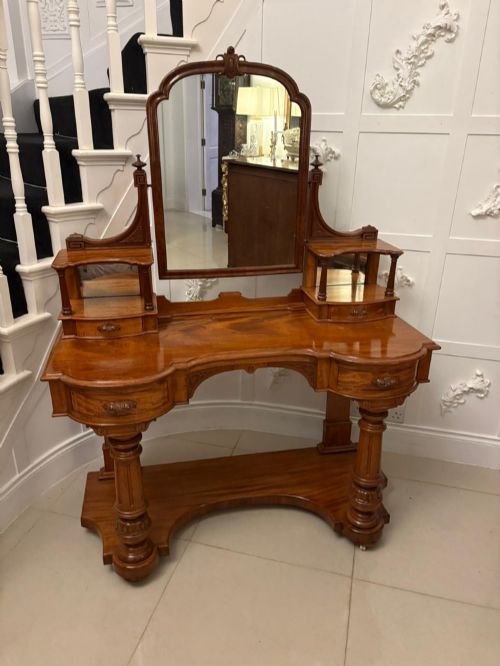
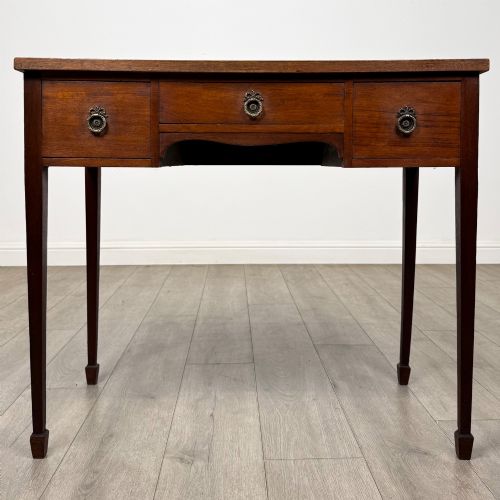
A vintage mahogany dressing table brings deep red timber and functional elegance to a bedroom, combining drawers, mirrors, and writing surfaces.
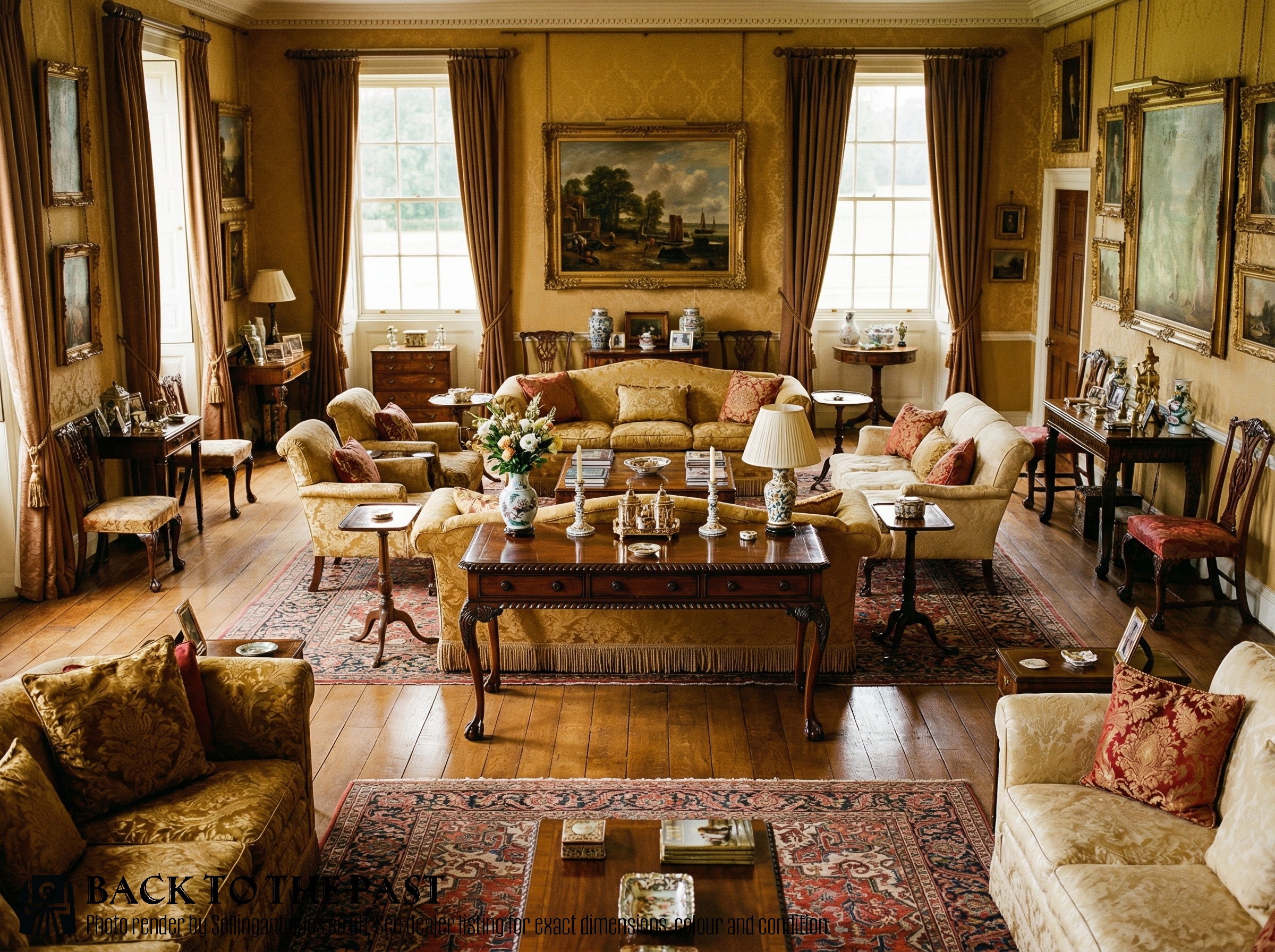
Materials and construction
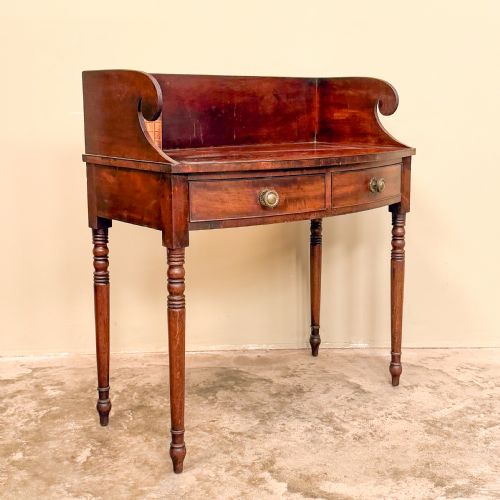
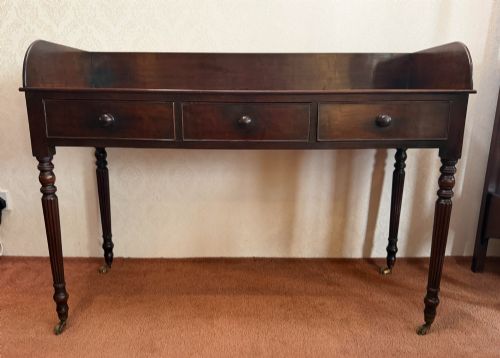
Construction relies heavily upon solid mahogany and flame mahogany veneer, chosen for rich figuring and deep reddish-brown tones. Cabinetmakers often applied crossbanding in contrasting lighter woods to accentuate the borders of drawers and tabletops.
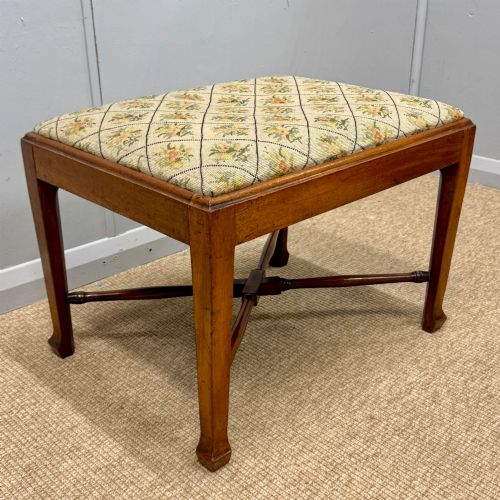
Functional hardware typically consists of cast brass handles and escutcheons, while interior compartments sometimes feature glass inserts or bone details. Supporting elements like chairs and stools incorporate upholstered seats covered in velvet, leather, or decorative fabric.
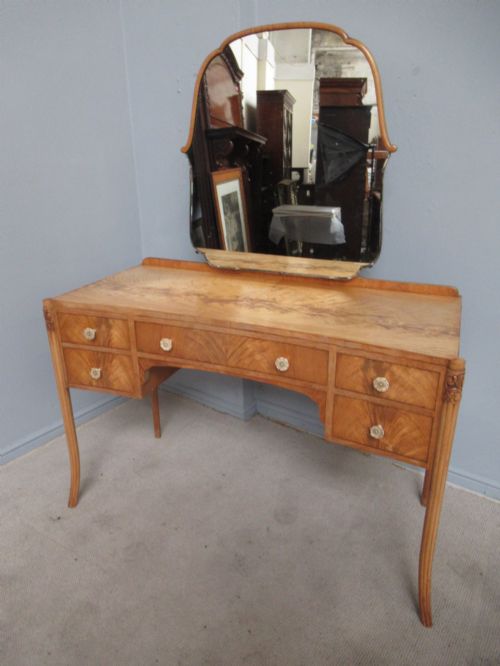
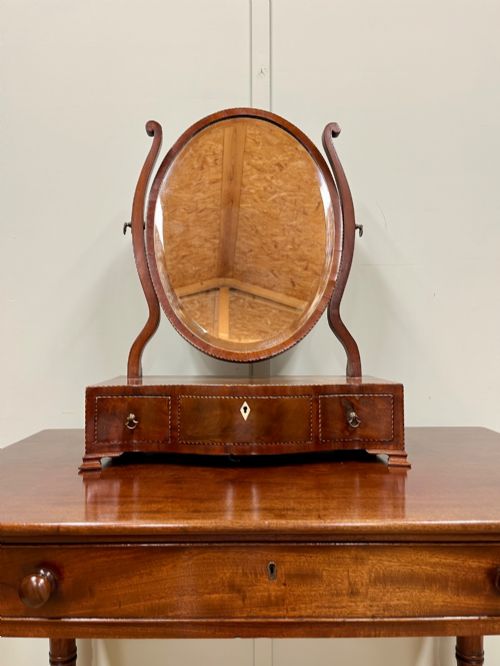
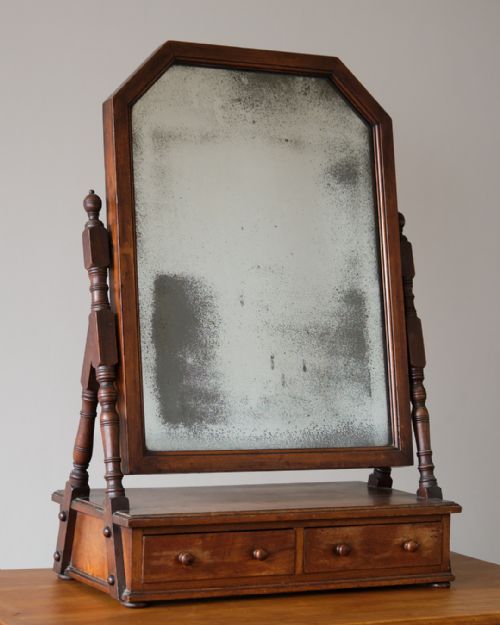
Mirrors utilise thick glass set into pivoting frames, and certain sophisticated examples feature multiple folding glass plates, such as triplate designs. Joinery techniques prioritize stability across large writing surfaces and multi-drawer carcasses.
Distinctions in craftsmanship
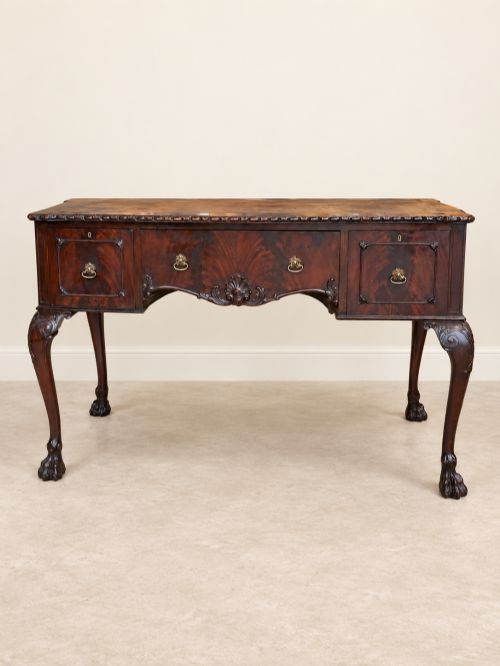
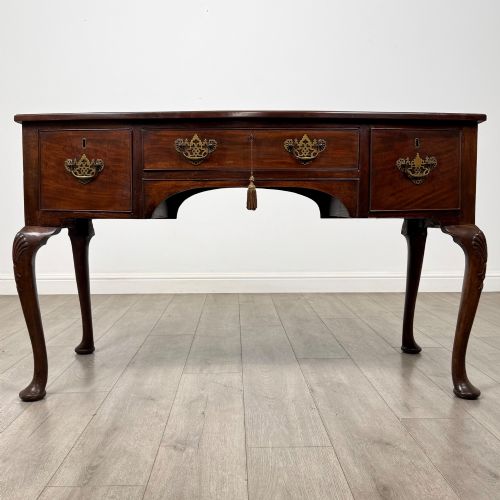
The degree of refinement in carved details separates standard utility pieces from finer commissions. Artisans executed drawer fronts, cabriole legs, and scroll-carved chair backs with varying levels of depth and crispness.
Selection of the timber itself dictates visual impact, particularly where highly figured flame mahogany veneer is matched symmetrically across surfaces. Finer examples display meticulous grain continuity across multiple drawer banks and tabletops.
An unusual triplate dressing table offers three adjustable mirrors so you can inspect your profile from multiple angles simultaneously.
P & MA Nicholson·Heal & Sons
The Vintage Mahogany Dressing Table Glossary
- Flame mahogany
- A veneer cut from the fork of the mahogany tree, producing a distinct, fiery flame-like grain pattern. This decorative surface was favoured for prominent drawer fronts.
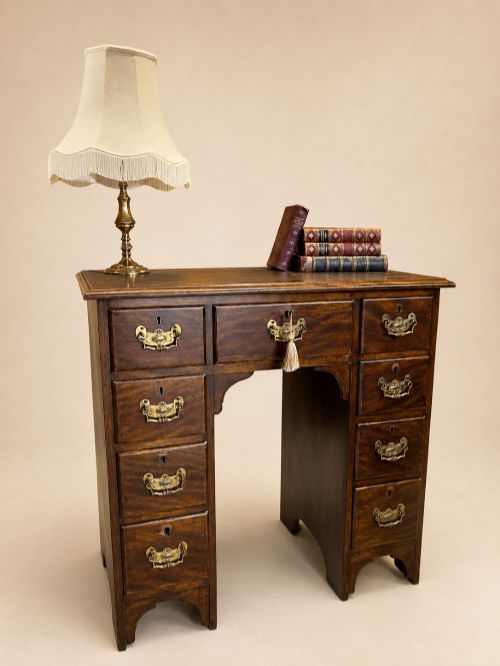
- Kneehole desk
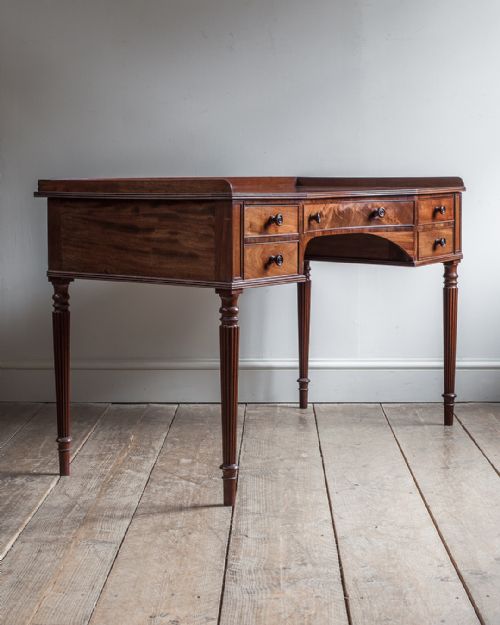
- A writing table or dressing table featuring a central recessed space for the legs, flanked by pedestals of small drawers. This form provides substantial storage while maintaining a compact footprint.
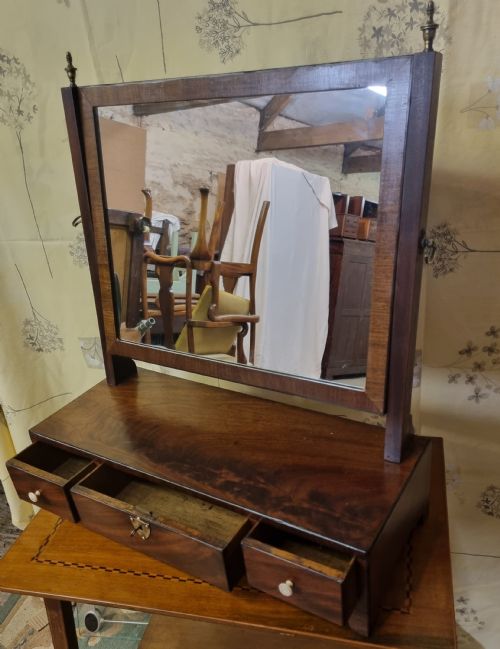
- Shield mirror
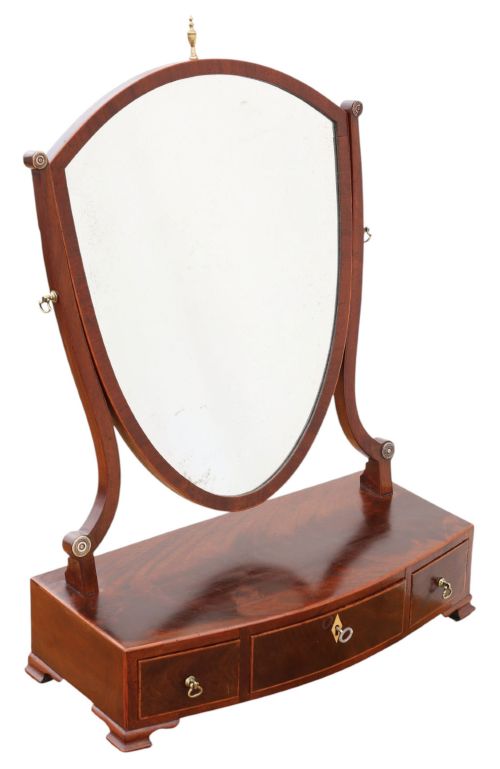
- A dressing glass shaped like an inverted shield, mounted on a pivoted frame above a small box base. These mirrors became popular during the Georgian period.
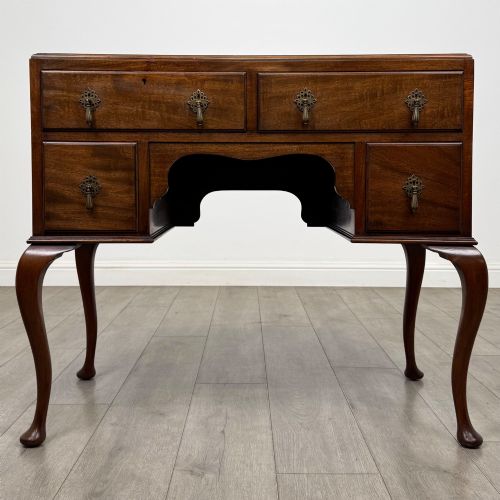
- Lowboy
- A small seventeenth or eighteenth-century dressing table with one or more rows of drawers beneath the top. It serves as a delicate side table or vanity.
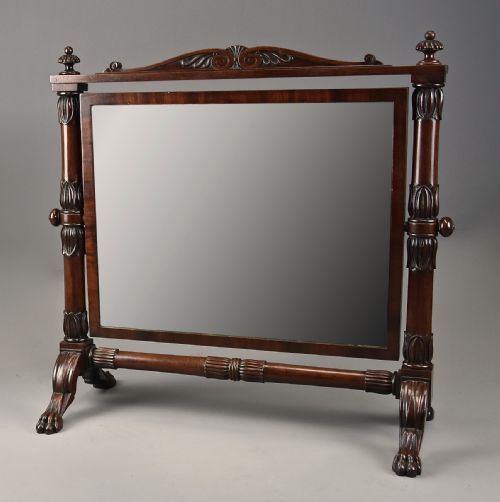
- Cheval glass
- A full-length standing mirror suspended on a vertical frame with side pivots, allowing the glass to tilt freely. These large mirrors are designed for viewing an entire outfit.
Vintage Mahogany Dressing Table: Frequently Asked Questions
How do I identify a Georgian piece?
Georgian pieces generally display restrained classical proportions, solid brass hardware, and careful dovetail joinery in the drawer construction.
They often incorporate flame mahogany veneers or subtle crossbanding without the heavy ornamentation found in later Victorian revival items.
Where should I place a dressing table?
These tables fit well against bedroom walls where natural light from a window illuminates the mirror surface effectively.
They also function successfully as writing desks or console tables in hallways and sitting rooms when the mirror is detachable or omitted.
How do I care for mahogany wood?
Maintain the finish by dusting with a soft, dry cloth and avoiding placement near direct heat sources or strong sunlight.
Occasional application of appropriate wax polish helps nourish the timber and preserves the depth of the red-brown grain.