


Walnut Upholstered Sofa
A walnut upholstered sofa brings warmth and architectural presence to a room, uniting rich dark timber with comfortable textile seating.

Walnut Upholstered Sofa
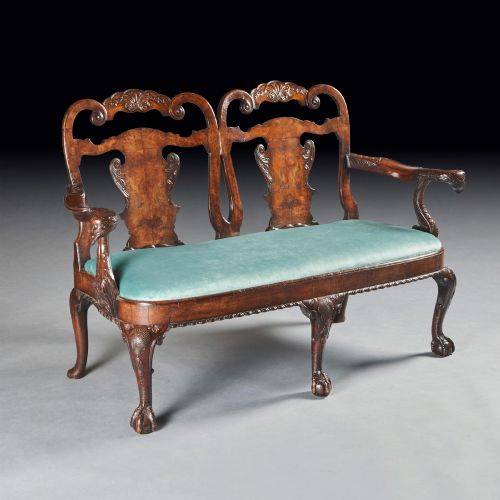
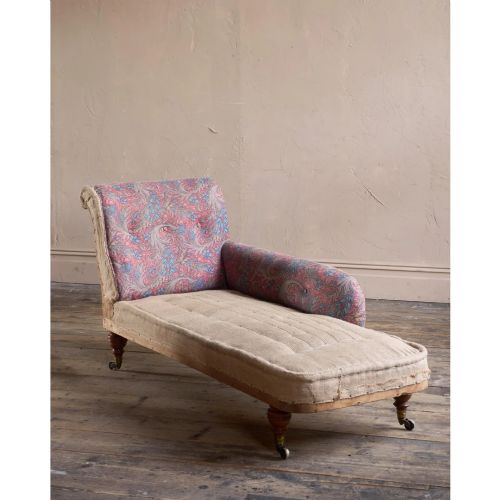
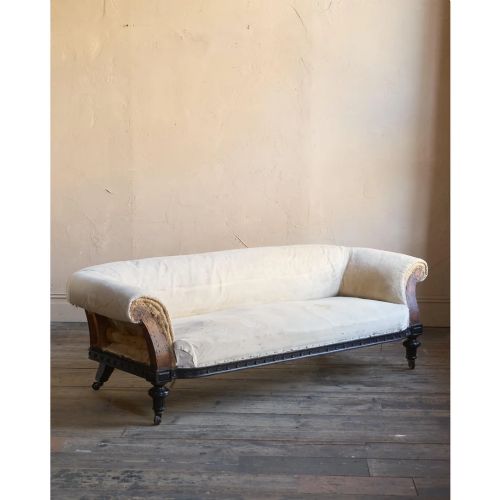
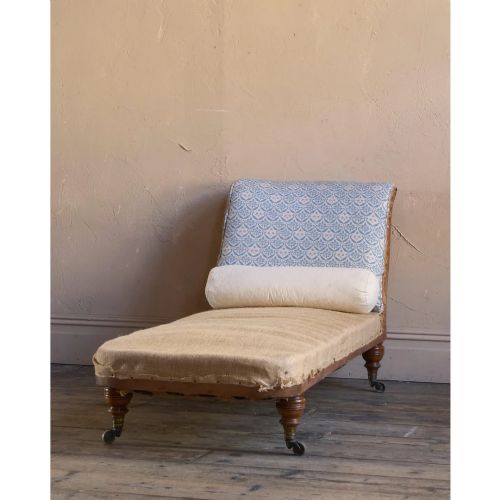
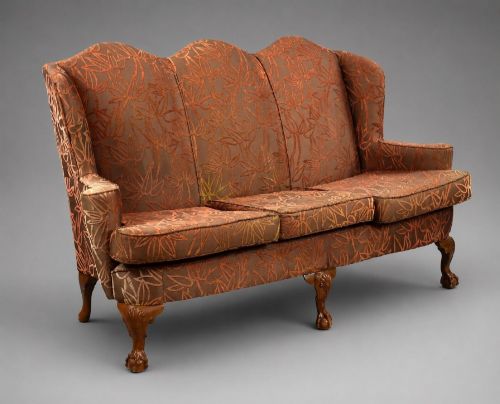
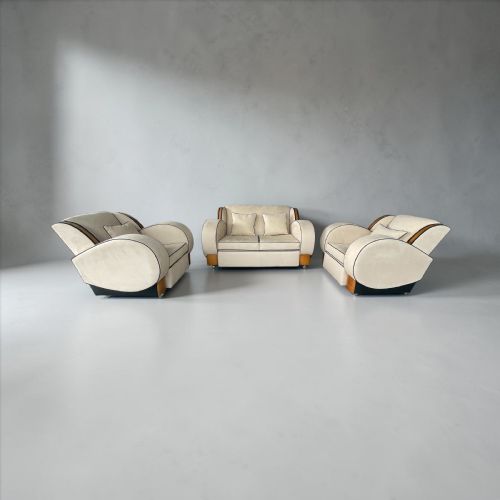
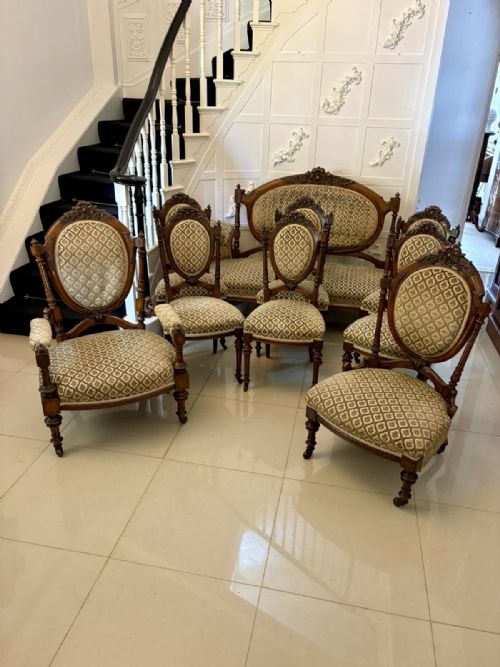
A walnut upholstered sofa combines a durable timber frame with soft seating, spanning periods from the eighteenth century through to the art deco era. These pieces range from compact two-seater settees and chaise longues to expansive salon suites designed for formal reception rooms.
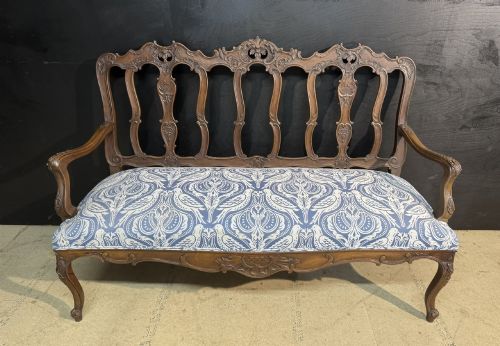
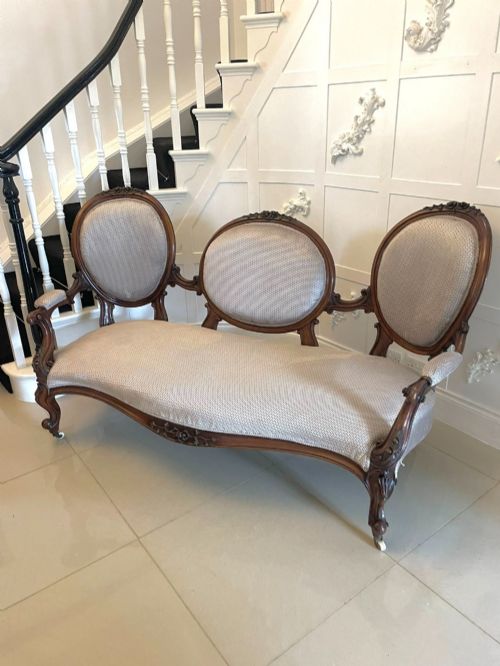
Victorian examples dominate the available selection, frequently showing deep buttoning, carved show wood frames, and scroll backs. Alongside these, buyers encounter revival pieces referencing Queen Anne, Louis XV, and Louis XVI styles, as well as comfortable country house daybeds.
Makers such as Howard and Sons appear within the records alongside continental workshops, offering variations from low-slung lounging pieces to upright parlor seating. The underlying framework relies on walnut timbers, paired with diverse upholstery treatments including velvet, silk damask, and modern textiles.
How they were made
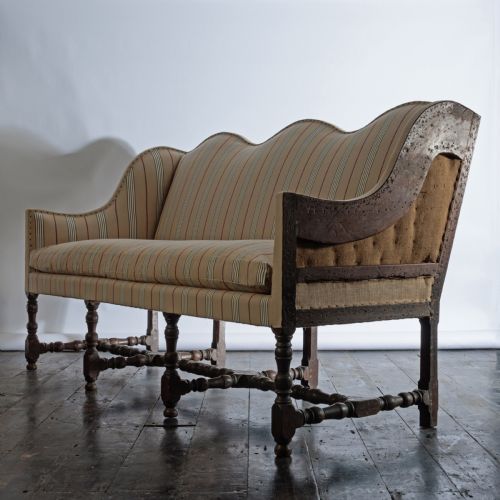
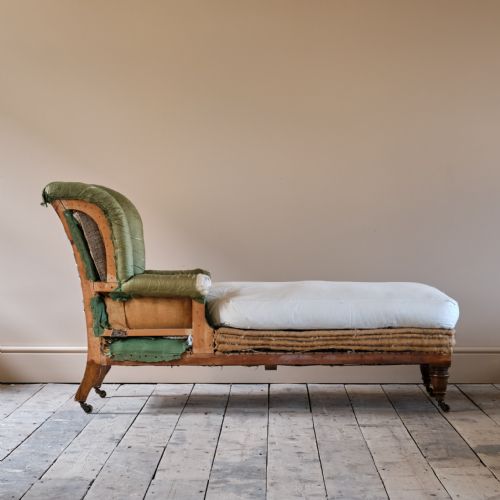
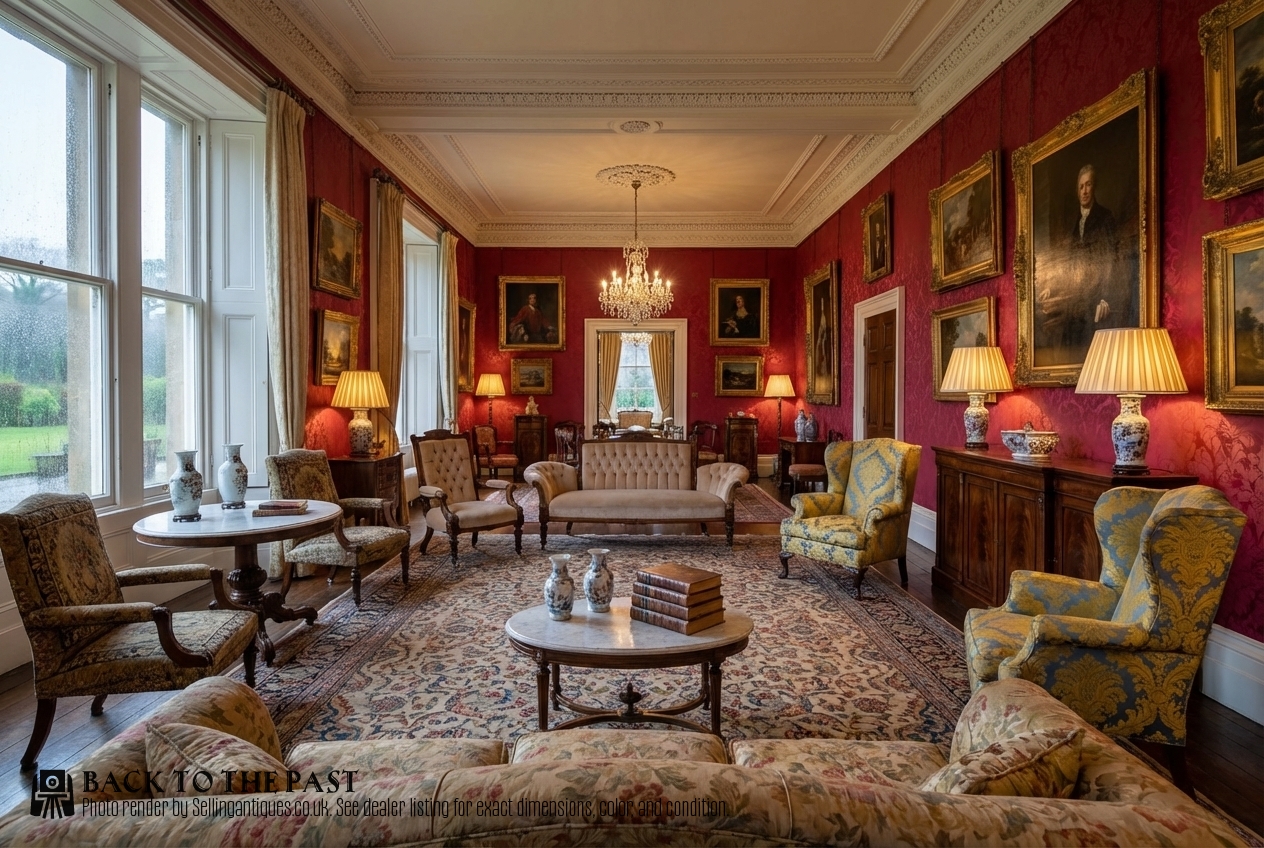
The structural framework utilises solid walnut or walnut veneers applied to secondary timbers, shaped through turning, carving, and steam-bending depending on the period. Show wood frames expose the grain and colour of the walnut around the borders of the upholstery, requiring skilled cabinet-making to join the curved arms and legs.
Traditional upholstery techniques build the seat using webbing, springs, hessian, and horsehair or feather stuffings, finished with a top cover of velvet, cotton, or silk damask. Brass castors frequently support the legs of nineteenth-century pieces, allowing heavy frames to move across carpets without damaging floors.
Upholstery materials recorded in the archive range from simple hessian and cotton to luxurious silk damask and velvet.
What varies in quality
The crispness of the hand-carved details on the walnut frame distinguishes standard production from superior exhibition pieces. Grain selection also matters, with richly figured burl or straight-grained timber indicating higher ambition from the maker.
The integrity of the internal stuffing and the accuracy of the revival style dictate the comfort and historical fidelity of the seating. Pieces bearing maker stamps or retail marks from established firms command greater attention from collectors.
Howard and Sons·Liberty and Co
The Walnut Upholstered Sofa Glossary
- Show wood
- The exposed wooden portions of a framed upholstered seat that remain visible around the textile elements. This allows the grain and colour of the walnut to contribute to the visual design.
- Bergere
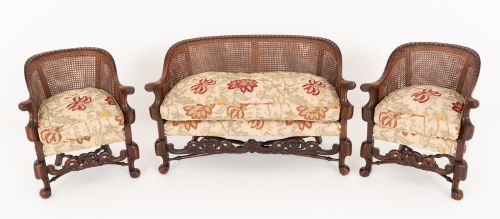
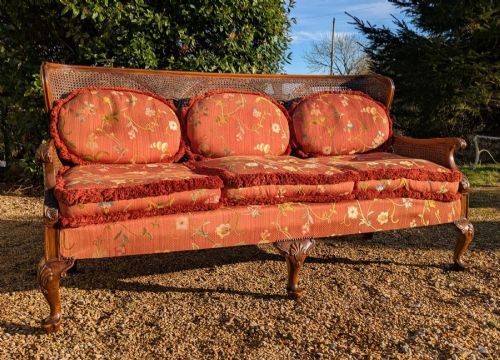
- An enclosed upholstered armchair or sofa featuring woven cane panels on the sides or back. These frames often pair light cane work with fitted feather cushions.
- Chaise Longue
- An elongated upholstered seating form designed for reclining, combining the backrest of a chair with the seat of a daybed. Nineteenth-century examples often feature a single scroll end.
- Buttoning
- An upholstery technique where deep indentations are secured with twine tied through the padding to form a geometric pattern of tufts. This provides structural tension to the internal filling.
- Salon Suite
- A matched set of seating comprising a central sofa accompanied by matching armchairs and occasional chairs. These suites furnished formal Victorian and continental drawing rooms.
Walnut Upholstered Sofa: Frequently Asked Questions
How do I identify a Victorian walnut sofa?
Victorian pieces typically display dark walnut show wood frames with decorative carved motifs, scroll backs, and occasionally deep buttoned upholstery. They often rest on turned legs fitted with brass castors.
Construction from this era relies on dense hardwood frames and traditional horsehair or spring stuffing beneath the top textile layer.
What is a Howard and Sons sofa?
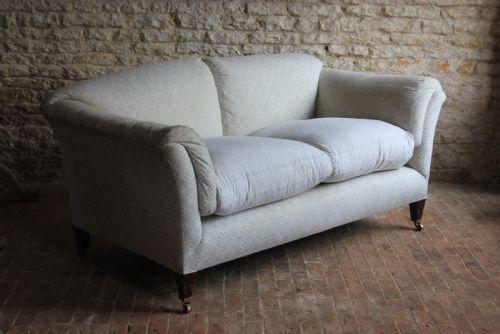
Howard and Sons pieces originate from the notable nineteenth-century upholstery firm renowned for deep, comfortable seating and sturdy internal construction. These items frequently feature low profiles and distinct structural proportions designed for country house interiors.
Collectors prize these items for their comfort and the subtle maker stamps typically found on the castors or webbing.
How do I care for antique walnut furniture?
Maintain walnut frames by dusting them gently with a dry cloth and avoiding direct sunlight, which can fade the natural grain and colour. Keep the furniture away from excessive heat sources to prevent the timber from splitting.
Protect the upholstery fabric according to its specific textile composition, utilising professional cleaning methods for delicate silks and velvets.
What is the difference between a settee and a sofa?
Historically, a settee referred to an upholstered or wooden bench with a backrest and arms, often seating two or more people in a formal parlor. The term sofa frequently implies a larger, more deeply padded piece intended for relaxed lounging.
In modern usage, the terms overlap considerably across different design periods and regional listings.