


Walnut Storage Drawers
Walnut storage drawers bring tactile warmth and enduring utility to interiors, ranging from 18th-century chests to 1930s burr veneers.
Walnut Storage Drawers
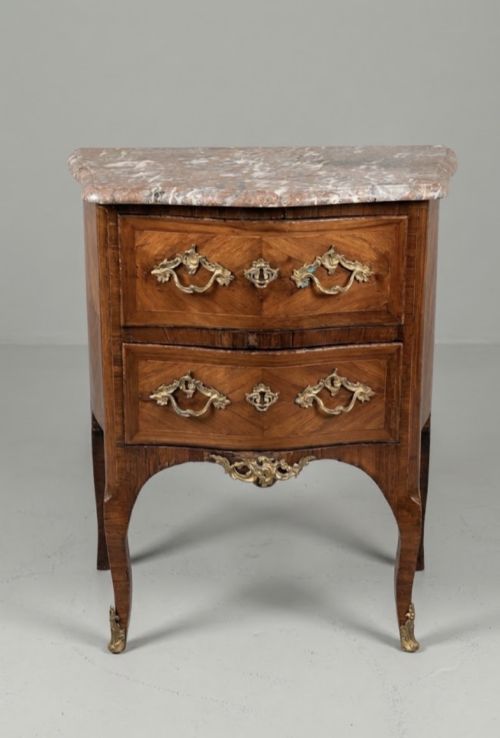
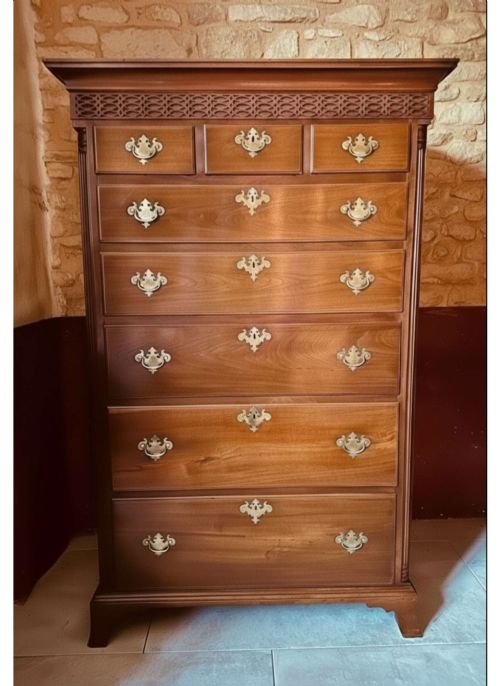
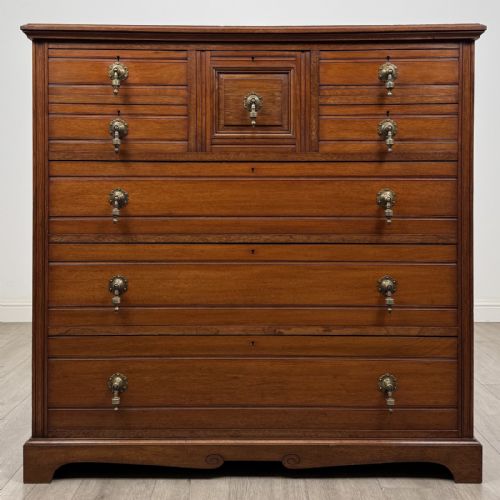
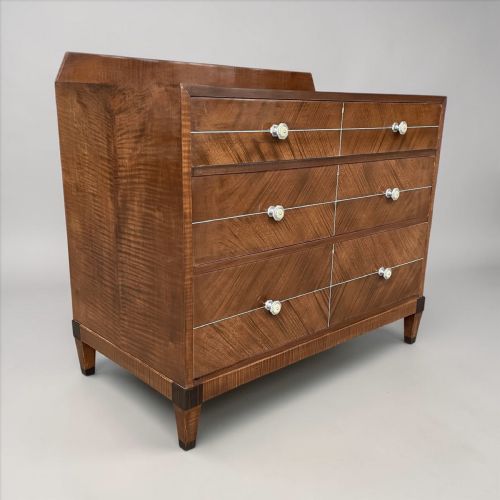
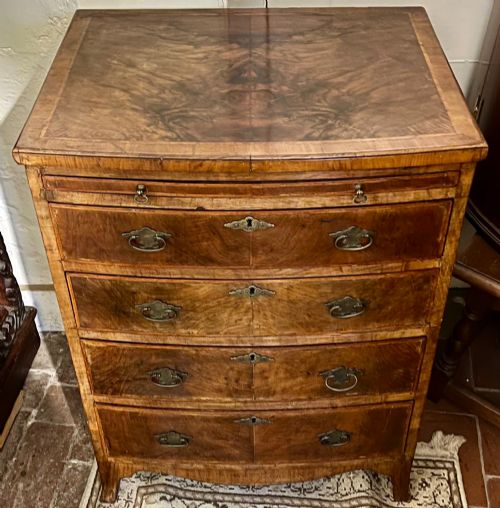
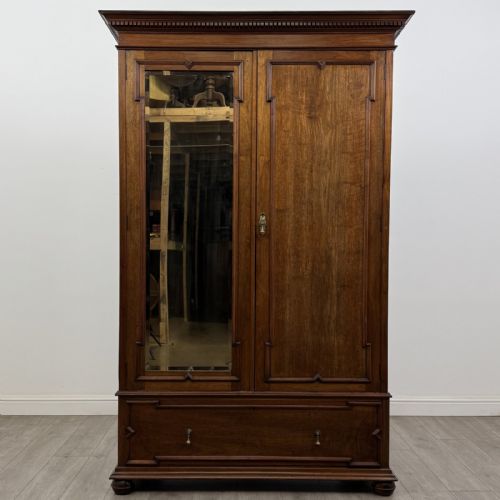
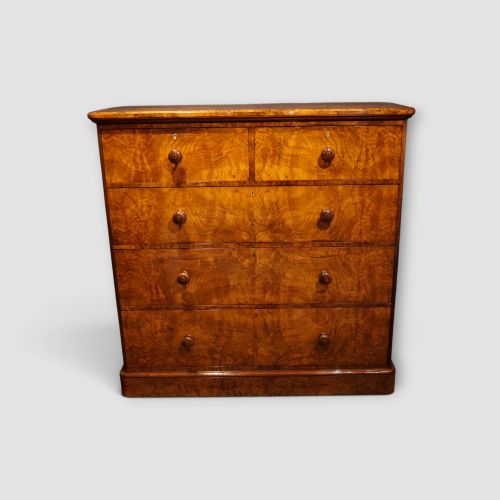
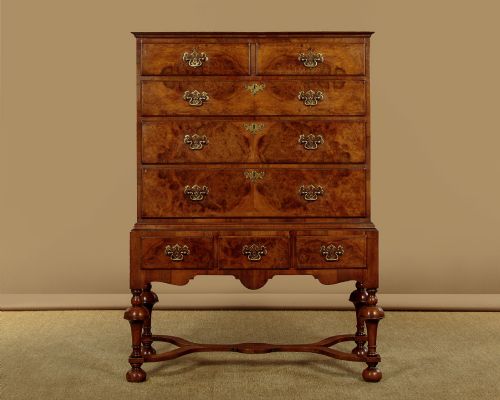
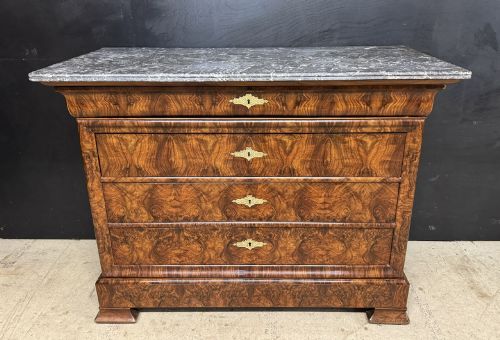
Walnut storage drawers encompass a broad selection of antique furniture pieces designed for domestic organisation, spanning chests of drawers, tallboys, linen presses, and commodes. When searching for walnut storage drawers, a buyer encounters pieces originating from the late 17th century through to the Art Deco period of the 1930s. The most common forms met on this page are upright chests and serpentine commodes, influenced by Georgian, Queen Anne, and Victorian design traditions.
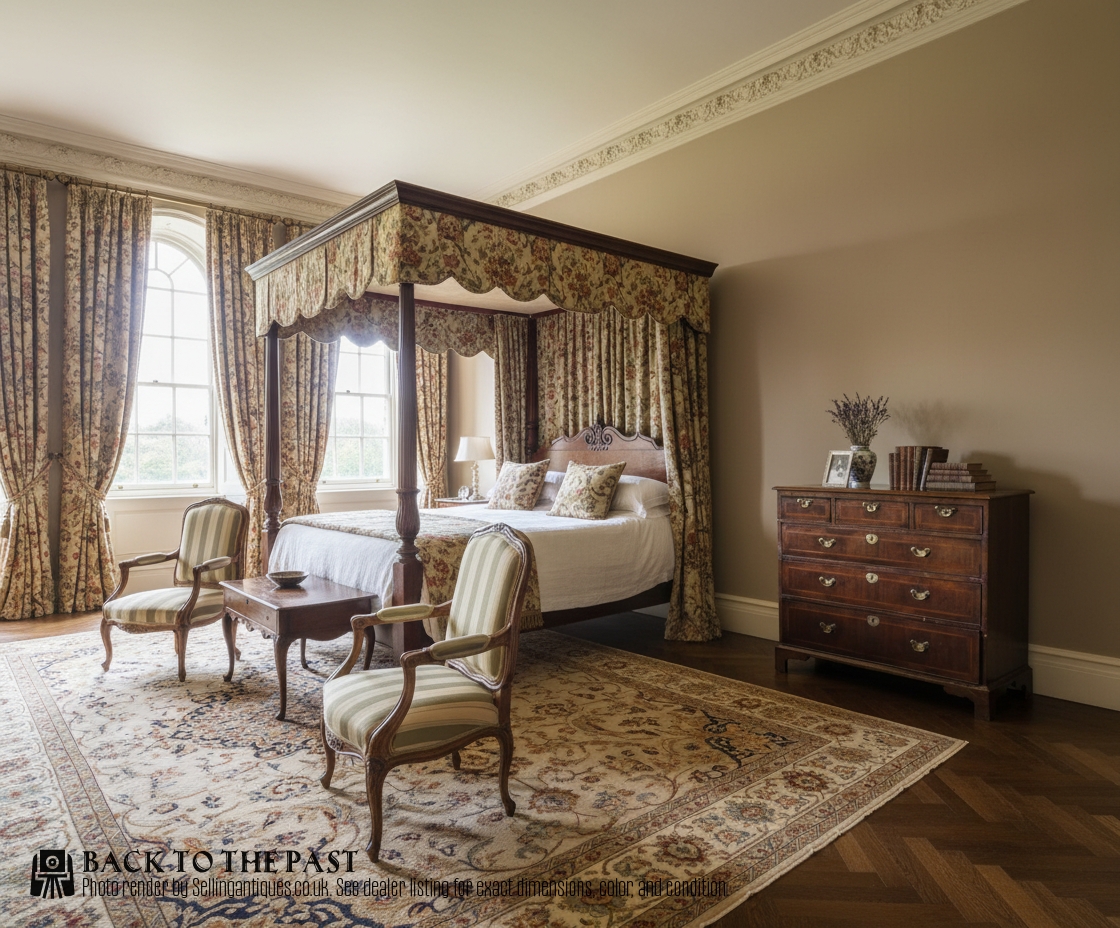
Materials and Technique
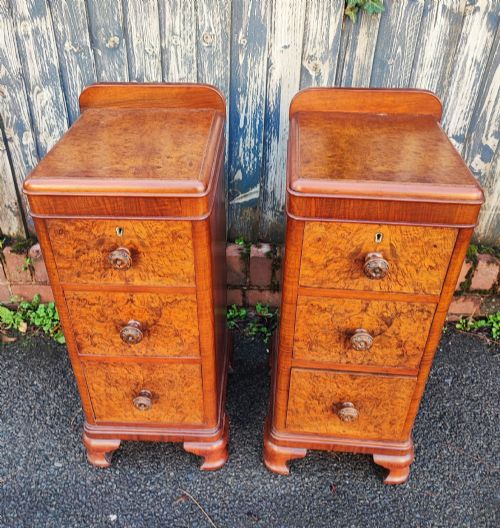
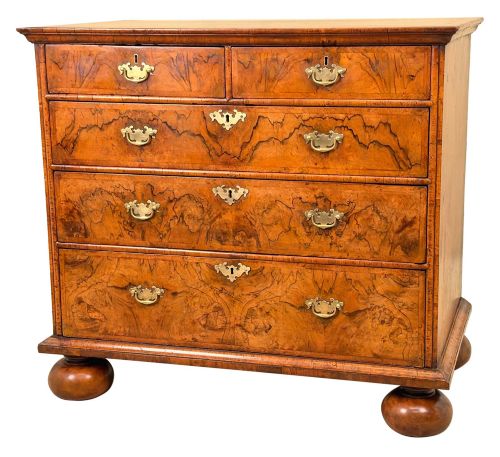
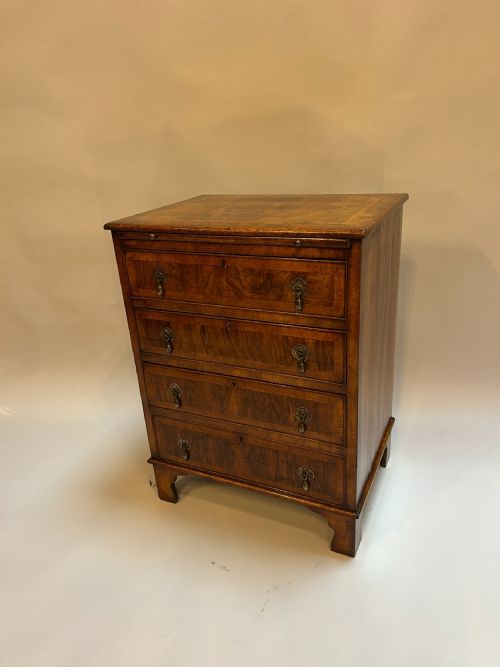
Makers utilised solid walnut and decorative veneers, notably burr walnut and oyster veneers, applied to secondary timbers such as oak. Crossbanding and herringbone inlay frequently frame the drawer fronts, demonstrating precision in cabinetry.
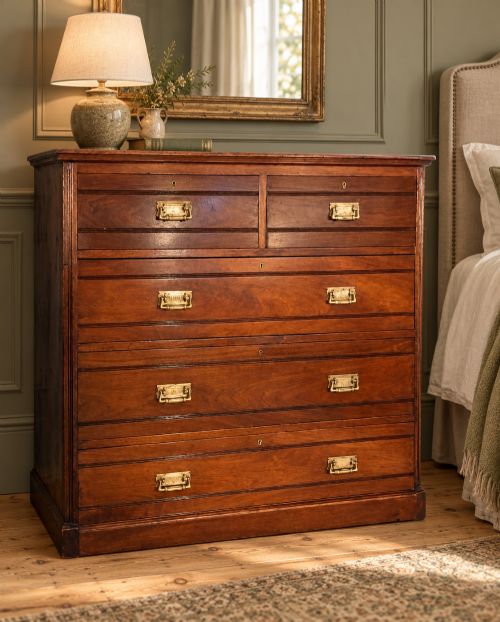
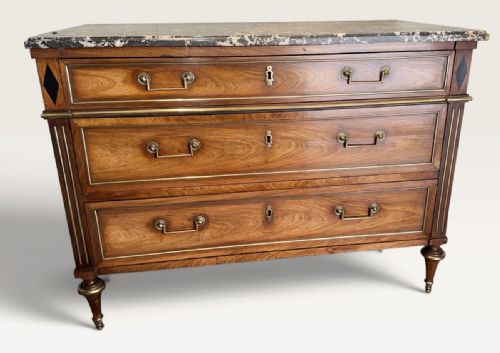
Metal hardware plays a functional and decorative role, with brass drop handles and escutcheons securing the compartments. Ormolu mounts appear on continental commodes, complementing marble surfaces on French pieces.
Walnut Storage Drawers Retail Price Guide 2026
Typical asking prices for walnut storage drawers among the pieces listed under this phrase on Sellingantiques today, from the lower quarter to the upper quarter. They describe what is for sale here now, not the wider market.
The inventory spans the 17th century through the 1930s, including Queen Anne, Georgian, and Art Deco styles.
Quality and Craftsmanship
Quality rests in the choice of timber figures and the execution of veneer work. Figured walnut and symmetrical burr patterns elevate a piece, while crisp crossbanding indicates skilled construction.
Structural proportions and drawer operation distinguish finer examples. Smooth-sliding drawers with secondary oak linings and intact original brass hardware reflect superior workshop standards.
Jas Shoolbred
The Walnut Storage Drawers Glossary
- Burr Walnut
- A figured wood grain taken from the wart-like growths on walnut trees. It creates complex, swirling patterns highly prized by cabinetmakers.
- Commode
- A low chest of drawers or cabinet, often of French origin. These frequently feature marble tops and serpentine fronts.
- Tallboy
- A tall chest of drawers made in two sections, placing a smaller set of drawers on top of a larger base.
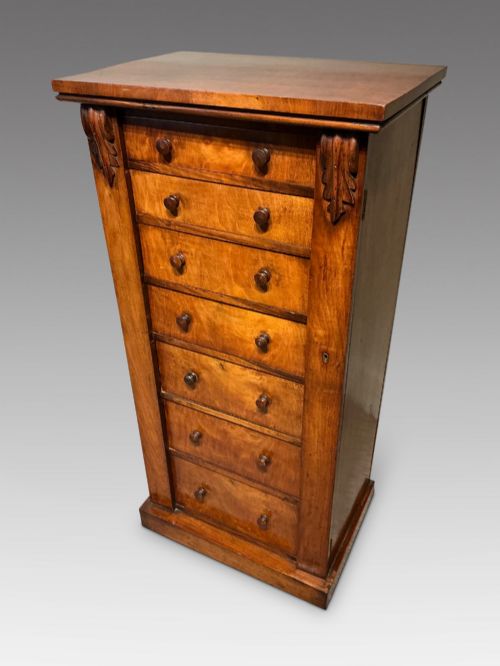
- Wellington Chest
- A tall, slender Victorian chest of drawers secured by a locking side flap. This hinged stile fastens over the drawer edges.
- Crossbanding
- A decorative border technique where thin strips of veneer are laid perpendicular to the grain of the main surface.
Walnut Storage Drawers: Frequently Asked Questions
How do I date a walnut chest of drawers?
Dating relies on architectural styles, construction methods, and timber preparation. Earlier pieces from the 18th century often feature feather banding and walnut solids, while 19th-century revival pieces adopt proportions from earlier reigns.
Hardware placement and drawer linings also provide chronological clues. Hand-cut dovetails indicate older construction, whereas mass-produced fixings point towards 20th-century manufacture.
What is the difference between a tallboy and a chest on chest?
A tallboy typically refers to a single tall chest of drawers, sometimes narrower than standard bedroom chests. A chest on chest consists of two distinct cabinet sections stacked vertically.
Both forms maximise vertical storage space while maintaining a decorative facade. They appeared frequently in 18th-century and Edwardian rooms for linen and garment organisation.
Where should I place a walnut commode at home?
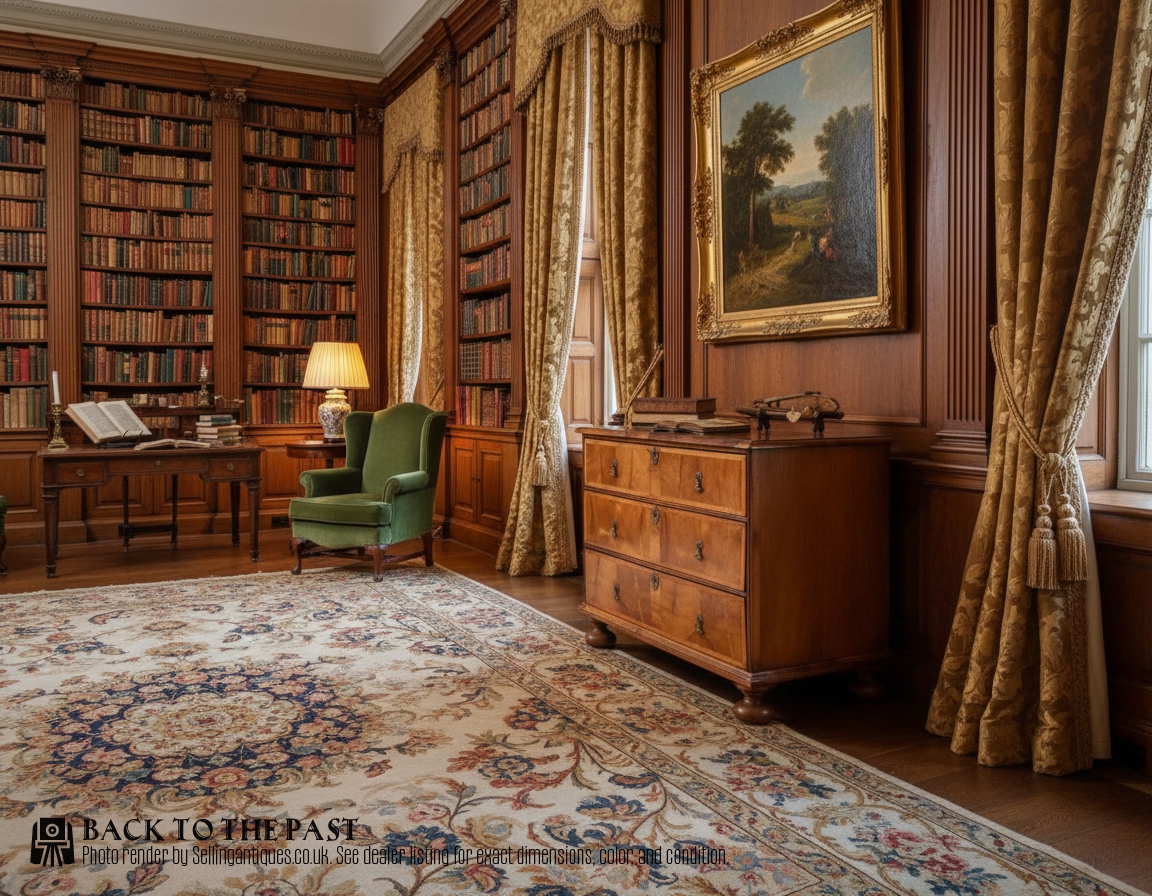
A walnut commode works well in a hallway, bedroom, or living room as a focal storage surface. Pieces with marble tops offer durable tops for lamps and decorative objects.
Consider the clearance needed for opening drawers fully, particularly with serpentine or bow front designs. The warm brown tones pair effectively with both neutral and richly coloured walls.
How do I care for antique walnut veneer?
Maintain walnut veneer by keeping pieces away from direct sunlight and steady heat sources to prevent timber shrinkage. Dust regularly with a dry, soft cloth rather than using silicone polishes.
Applying a traditional beeswax occasionally nourishes the wood and protects the finish. Ensure humidity levels in the room remain stable to avoid lifting the delicate veneers.