

Walnut Slant Front Cabinet
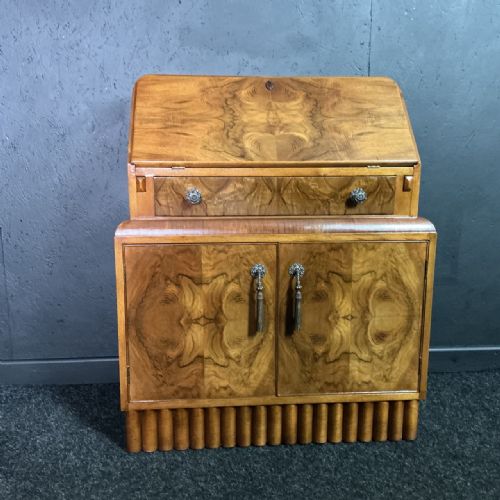
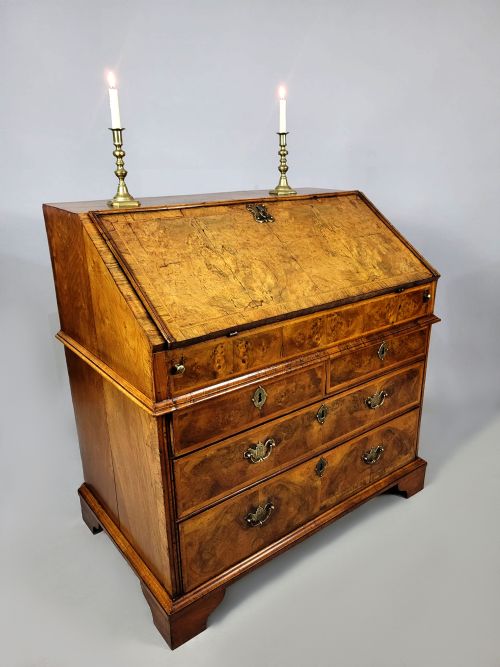
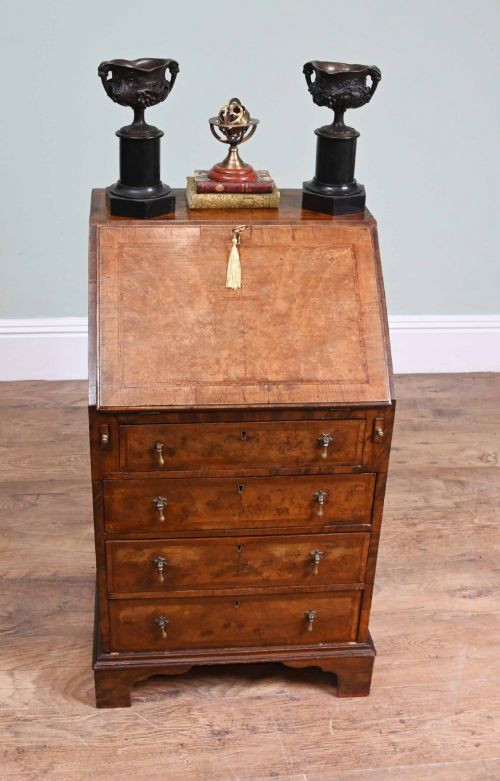
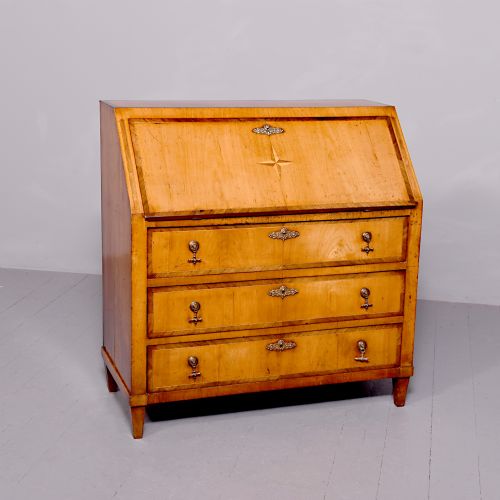
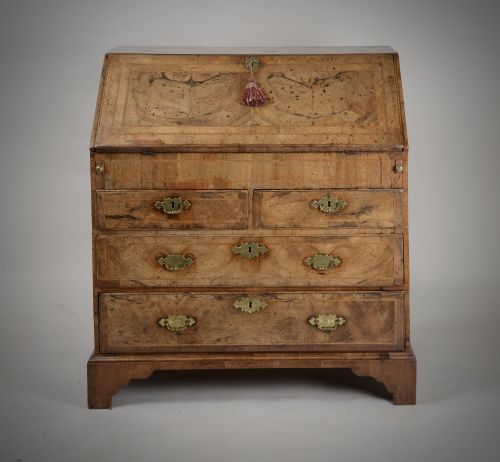
A walnut slant front cabinet provides a fitted writing surface that folds down to hide correspondence when not in use.
Walnut Slant Front Cabinet
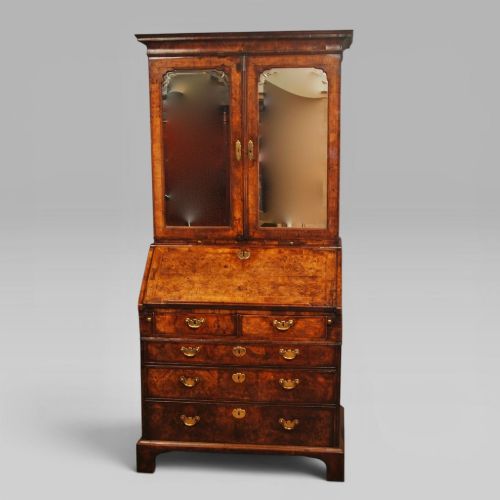
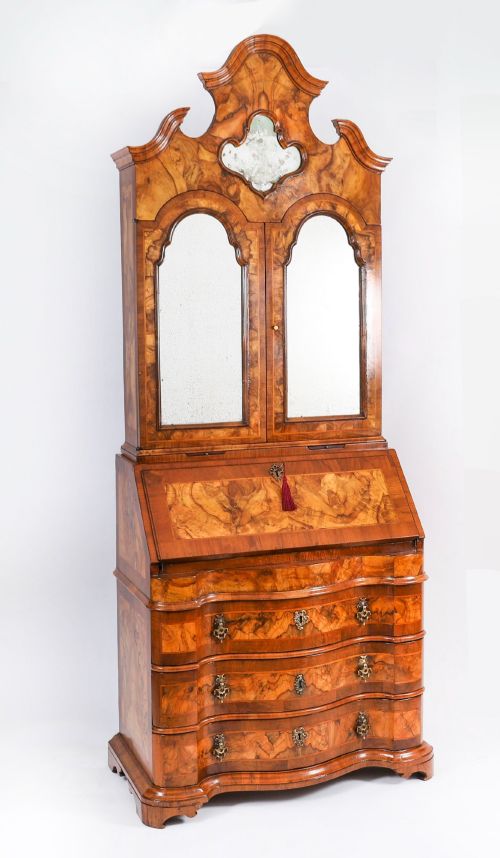
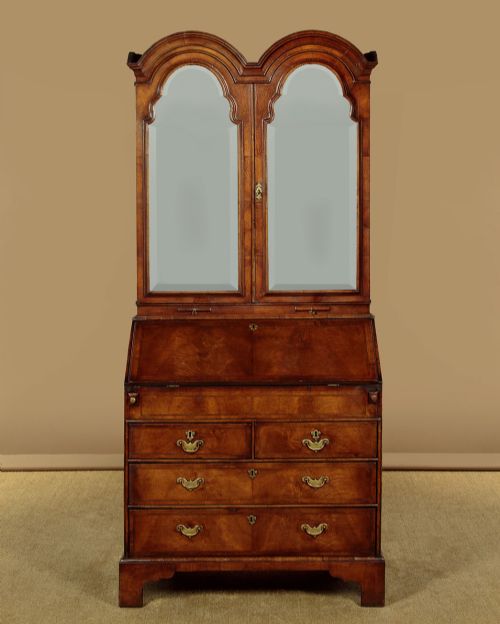
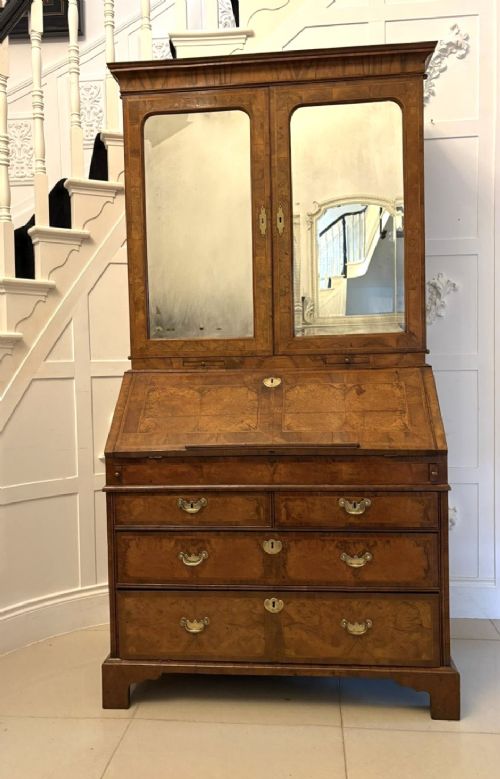
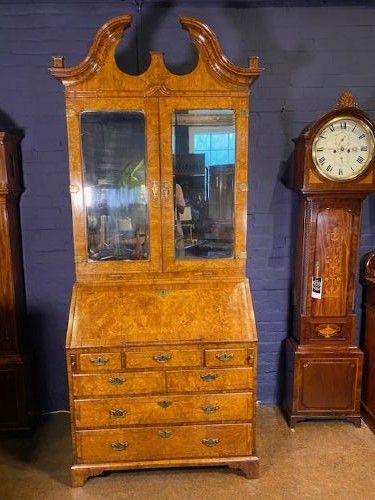
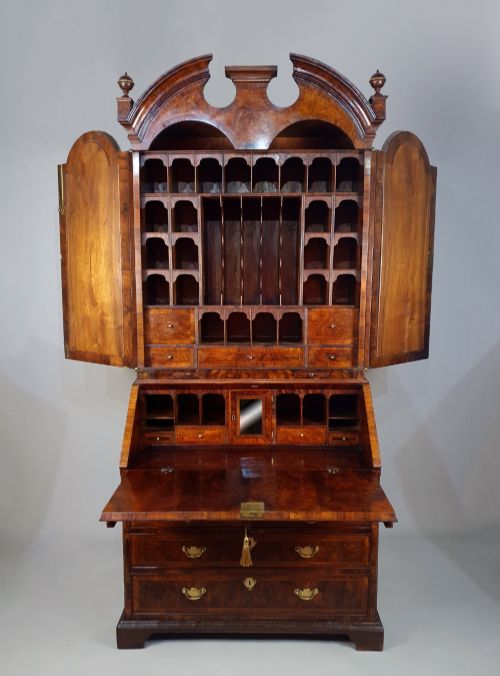
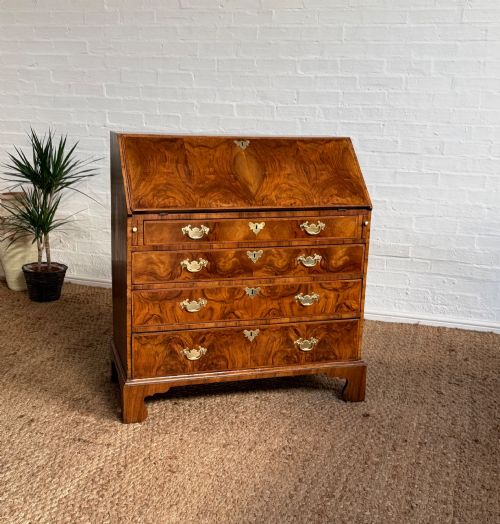
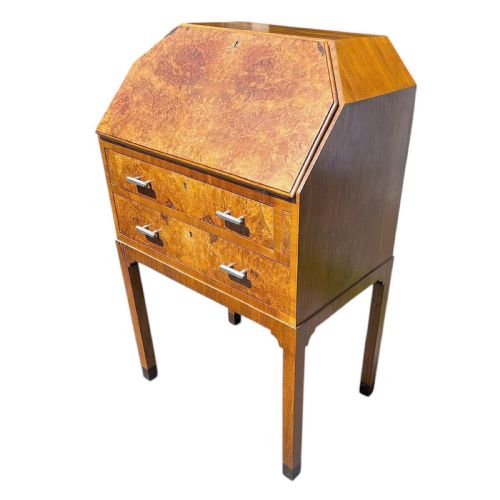
A walnut slant front cabinet brings together several related forms on this page, including bureau bookcases, bureaux, and writing desks with sloping lids. These pieces span from the seventeenth century through the Georgian and Victorian eras up to the twentieth century, with examples shaped by Queen Anne, William and Mary, and George I styles.
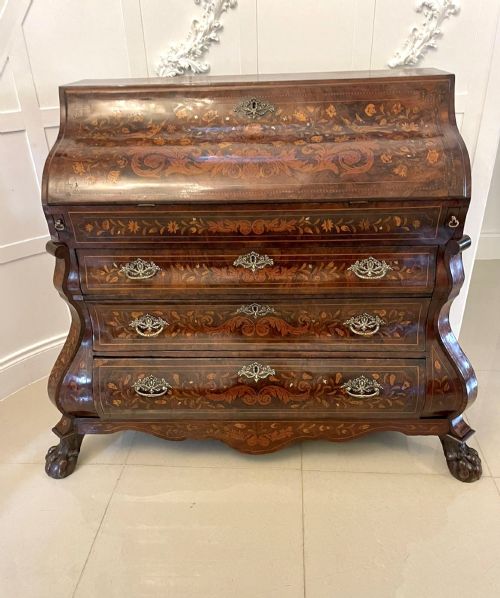
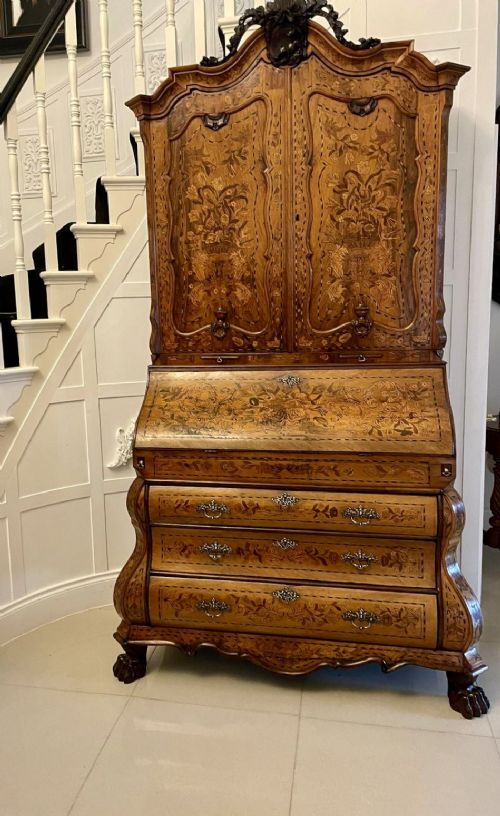
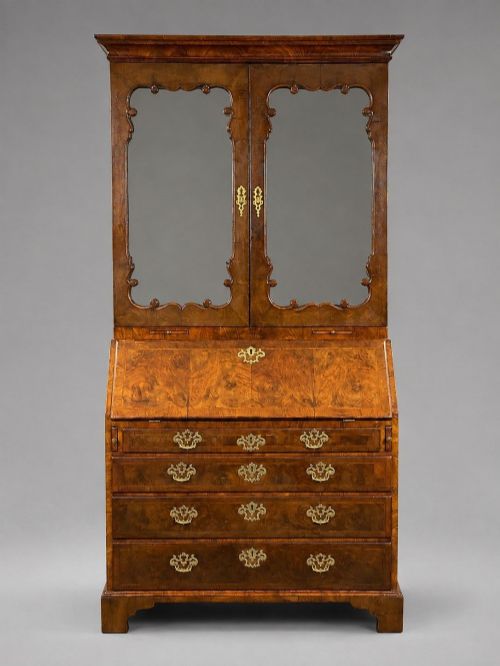
Bureau bookcases dominate the taller items, featuring glazed top sections above the writing cabinet, while smaller freestanding desks offer compact drawer storage and fitted interiors. Makers utilise burr walnut, figured walnut, and marquetry inlay across English, Continental, Italian, and Dutch workshops.
Materials and construction
Cabinet makers construct the primary carcase from oak or pine, applying veneers of burr walnut or figured walnut to the exterior surfaces. Herringbone banding, fruitwood inlay, and floral marquetry decorate the facades of finer pieces.
Brass handles, escutcheons, and hinges secure the fall front and drawers, while internal fitments include pigeon holes, small drawers, and occasionally secret compartments. Some variants incorporate red leather writing surfaces or candle slides above the main desk area.
Walnut Slant Front Cabinet Retail Price Guide 2026
Typical asking prices for walnut slant front cabinet among the pieces listed under this phrase on Sellingantiques today, from the lower quarter to the upper quarter. They describe what is for sale here now, not the wider market.
Several cabinets conceal hidden compartments behind the pigeon holes, designed for secret letters and family treasures.
Character and construction
The visual appeal of a walnut slant front cabinet rests heavily on the grain patterns chosen for the veneer, with matched burr walnut and intricate marquetry marking out the more ambitious pieces. Figure consistency across the fall front and drawer fronts indicates careful timber selection by the cabinet maker.
Internal joinery and the retention of original brass hardware contribute significantly to the integrity of the piece. The complexity of the upper section, whether a simple slope or a double dome glazed bookcase, shifts the character from a modest writing desk to a monumental display cabinet.
Gillows
The Walnut Slant Front Cabinet Glossary
- Bureau bookcase
- A combination of a sloping-front desk base and a glazed upper shelving unit. This form provides both workspace and display capacity.
- Fall front
- The hinged writing flap that pulls down to create a horizontal desk surface. It conceals pigeon holes and small drawers when closed.
- Burr walnut
- Timber taken from a tree growth showing complex, swirling grain patterns. Cabinet makers slice this wood into highly decorative veneers.
- Marquetry
- The art of applying pieces of veneer to a structure to form decorative patterns or pictures. Floral motifs are common on Dutch and Continental pieces.
- Candle slide
- A pull-out wooden board positioned beneath the main writing flap. It held taper lights for illumination before gas and electric lighting.
Walnut Slant Front Cabinet: Frequently Asked Questions
What is a walnut slant front cabinet?
A walnut slant front cabinet is a piece of furniture designed for writing and storage, featuring an angled hinged flap that opens down to form a desk. These items combine a cabinet base with internal compartments for paper and ink.
Many examples also incorporate upper shelving units enclosed by glass doors or tall double dome cornices. The exterior displays the rich grain of walnut veneers, often enhanced by marquetry or banding.
How were these cabinets used?
These cabinets served as private writing desks and correspondence storage for homeowners in past centuries. The sloping lid provided a firm surface for letter writing while keeping documents out of sight.
Inside the fall front, small drawers and pigeon holes organised stationery and valuables. The lower drawers held ledgers, books, or household linens.
How do I date a walnut cabinet?
Dating relies on stylistic clues such as leg shapes, drawer construction, and veneer choices. Pieces from the seventeenth and early eighteenth centuries often exhibit cabriole legs, herringbone banding, and double dome cornices.
Later Victorian and Edwardian examples show different proportions and handling of the walnut grain. Examining the internal drawer sides and secondary woods like oak helps confirm the era of manufacture.
How do I care for walnut veneer?
Walnut furniture requires protection from direct sunlight and sudden changes in humidity to prevent the veneer from lifting. Regular dusting with a soft, dry cloth preserves the polished surface.
Applying a traditional beeswax polish occasionally helps maintain the moisture and depth of the timber grain. Avoid placing hot or wet items directly on the writing surface.