


Walnut Drawer Table
A walnut drawer table brings warmth and functional storage together, offering everything from compact bedside chests to grand writing desks.
Walnut Drawer Table
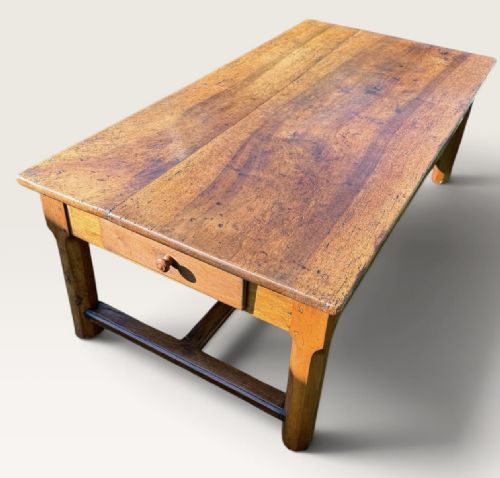
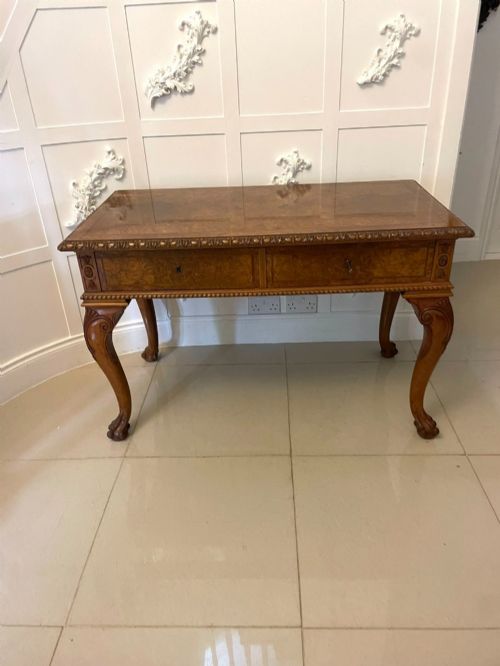
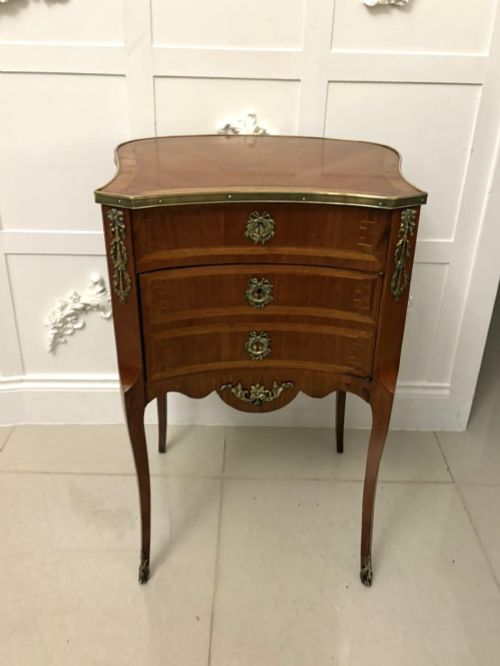
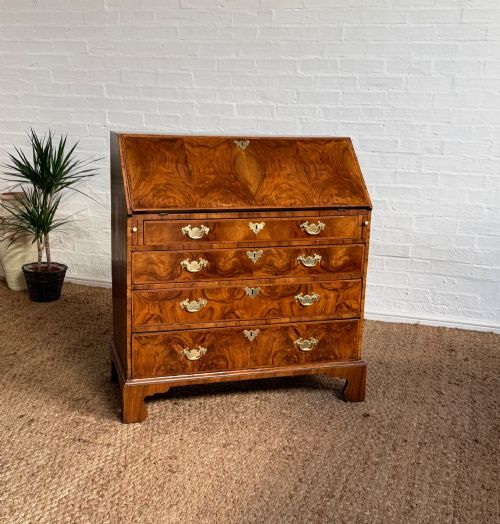
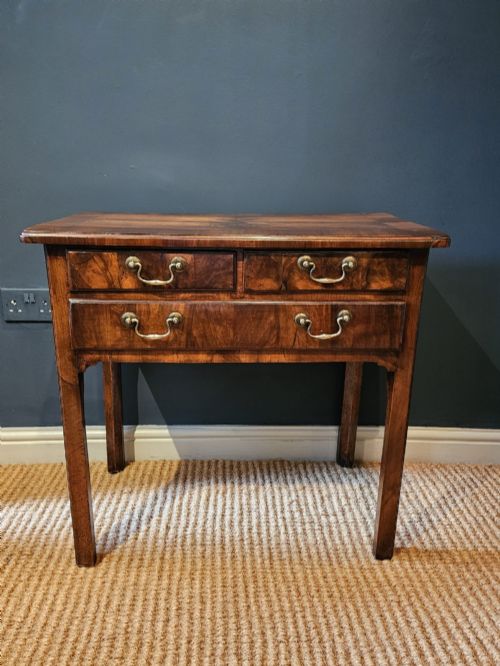
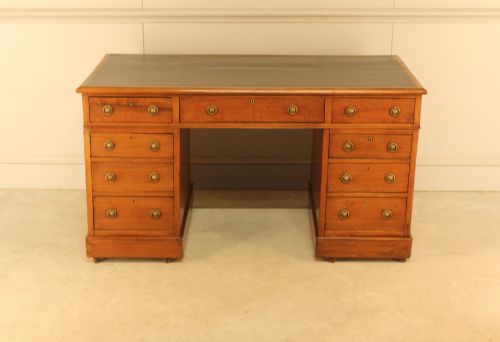
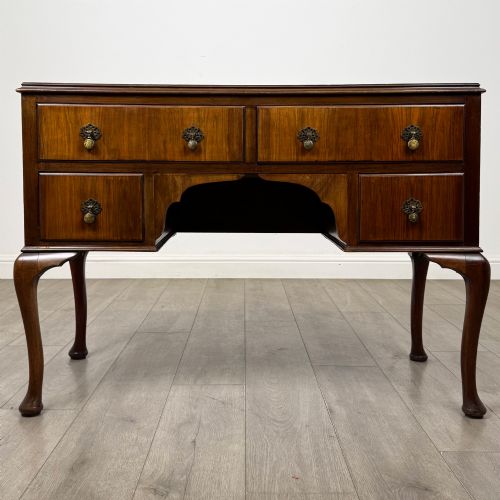
When you search for a walnut drawer table, you encounter a remarkably diverse group of domestic furnishings spanning from the eighteenth century through the art deco period. These pieces encompass lowboys, pedestal desks, dressing tables, and bedside chests equipped with integrated storage.
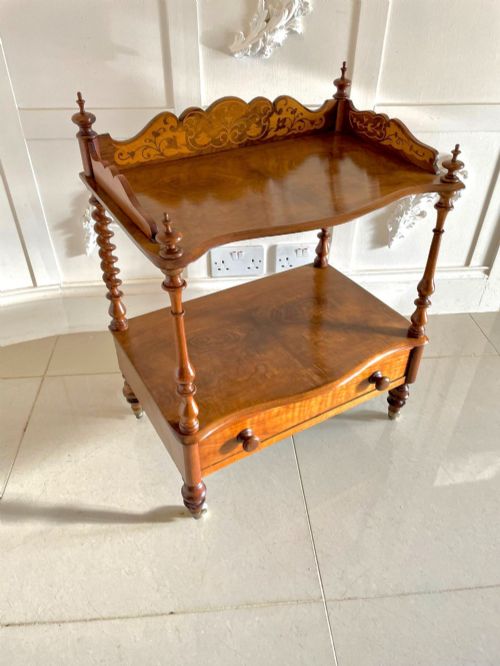
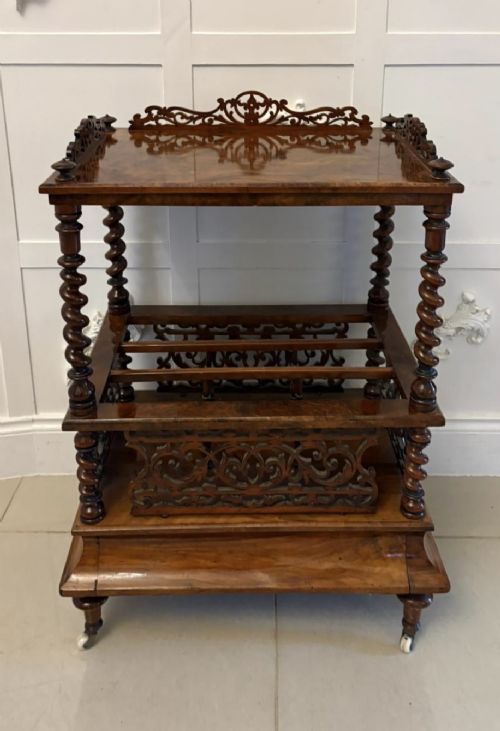
The selections available range from eighteenth-century Georgian and Queen Anne examples featuring subtle figured veneers to nineteenth-century Victorian library and sewing tables. Twentieth-century iterations often lean into French stylistic revivals or streamlined art deco forms.
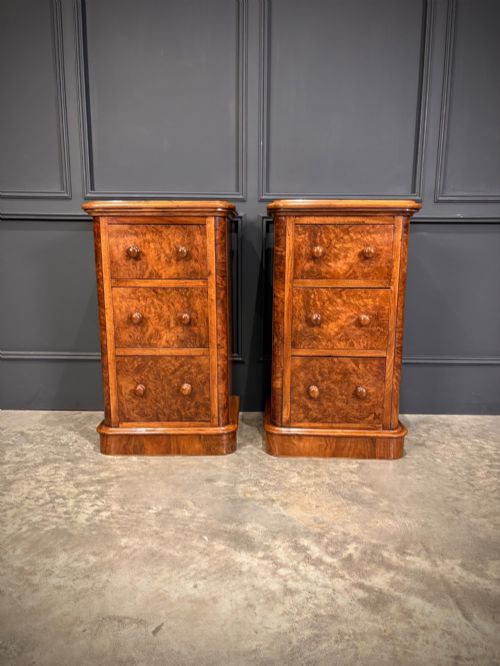
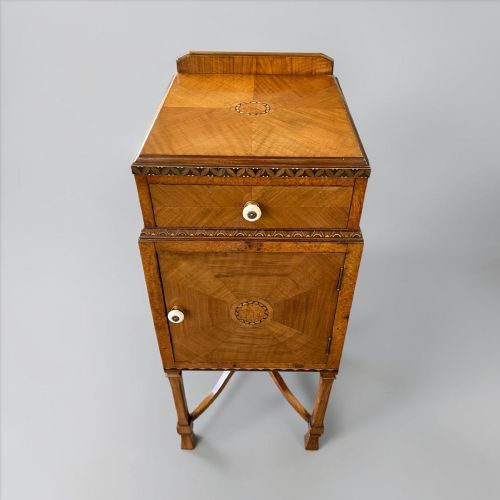
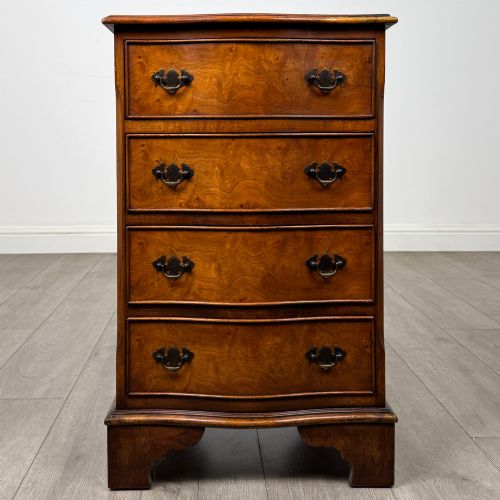
Bedside cabinets and side tables equipped with single or multiple drawers represent the most common variations met on this page. These domestic items combine practical surface space with concealed compartments designed for everyday utility.
Materials and Construction
Cabinet makers utilised solid walnut alongside highly decorative burr and figured walnut veneers applied to supportive secondary timbers such as oak or pine. The distinctive grain patterns of the wood form the primary visual appeal of these tables.
Joinery techniques evolved across the centuries, incorporating hand-cut dovetails within drawer construction alongside turned legs, barley twists, or cabriole supports. Additional decorative elements like brass handles, ormolu mounts, and leather writing surfaces appear frequently.
Walnut Drawer Table Retail Price Guide 2026
Typical asking prices for walnut drawer table among the pieces listed under this phrase on Sellingantiques today, from the lower quarter to the upper quarter. They describe what is for sale here now, not the wider market.
Listings feature walnut drawer tables spanning from the early eighteenth century to the art deco period of the 1930s.
Assessing Craftsmanship
Quality rests upon the selection and matching of the veneer, where superior examples display symmetrical grain patterns thoughtfully wrapped across multiple drawers. The depth of colour and the preservation of the original polished surface dictate the visual success of the piece.
Structural integrity reveals itself in the smoothness of the drawer action and the precision of the underlying joints. Finer pieces maintain crisp carving details on cabriole legs or retain undamaged brass hardware that harmonises with the age of the timber.
The Walnut Drawer Table Glossary
- Burr walnut
- A prized timber harvested from the gnarled growths on walnut trees, yielding intricate, swirling grain patterns. Cabinet makers typically slice this wood into thin veneers for decorative surfaces.
- Lowboy
- A small eighteenth-century dressing or side table featuring one or more rows of drawers set beneath a flat top. These pieces usually stand on slender cabriole or tapered legs.
- Pedestal desk
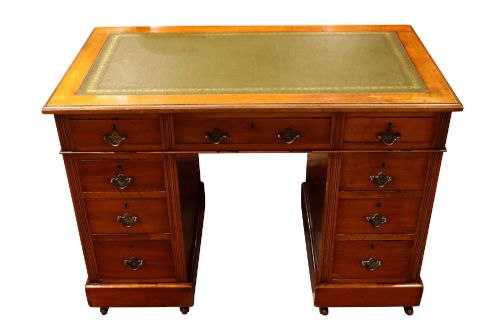
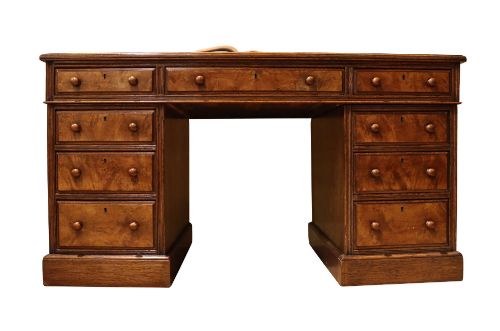
- A large writing table supported by two banks of drawers flanking a central opening. These items often incorporate inset leather writing surfaces.
- Marquetry
- An elaborate decorative technique involving the arrangement of small pieces of varied coloured wood veneer to form pictorial or geometric designs. It appears commonly on French revival and art deco tops.
- Featherbanding
- A delicate decorative inlay technique using veneer strips arranged in a V-shape resembling a feather. This method outlines the perimeters of drawer fronts on eighteenth-century furniture.
Walnut Drawer Table: Frequently Asked Questions
What is a walnut drawer table used for?
These tables serve multiple domestic functions depending on their original form and proportions. Smaller versions operate effectively as bedside chests or lamp tables with convenient concealed storage.
Larger variations function as writing desks, lowboys, or serving surfaces in hallways and living spaces. The integrated drawers provide practical organisation for documents, bedside essentials, or dining accessories.
How do I date a walnut drawer table?
Dating relies upon observing the structural construction methods, hardware styles, and overall aesthetic proportions of the piece. Eighteenth-century examples often display hand-sawn timber and simpler internal drawer mechanics.
Victorian and Edwardian versions introduce machine-assisted elements alongside characteristic revival styles like Queen Anne or French Louis XV. Twentieth-century art deco pieces feature geometric lines and highly stylised veneers.
How do I care for antique walnut furniture?
Maintaining antique walnut requires keeping the timber away from direct sunlight and extreme fluctuations in temperature or humidity. These environmental controls prevent the delicate veneers from drying out or lifting.
Occasional application of appropriate wax polish maintains the lustre of the finish without building up heavy residues. Regular dusting with a soft, dry cloth protects the polished surface from microscopic abrasions.
What is the difference between a lowboy and a side table?
A lowboy is a specific form of small table equipped with one, two, or three drawers positioned beneath the main surface, typically dating from the eighteenth century. They were originally designed for personal grooming or writing.
A side table represents a broader category of occasional furniture that may or may not include drawers. While all lowboys function as side tables, not every side table possesses the characteristic drawer arrangement of a traditional lowboy.