


Walnut Cabriole Leg Table
When you search for a walnut cabriole leg table, you are looking at centuries of curved timber craftsmanship designed to anchor a room.
Walnut Cabriole Leg Table
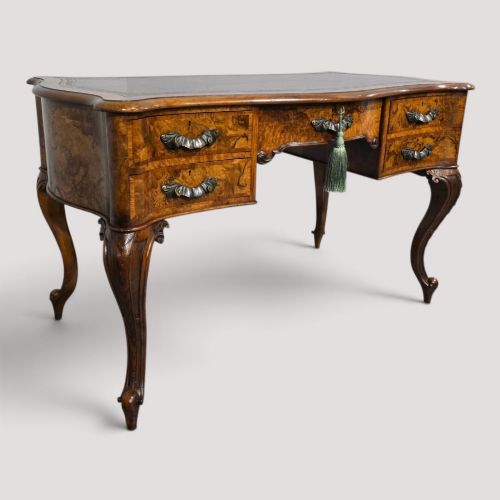
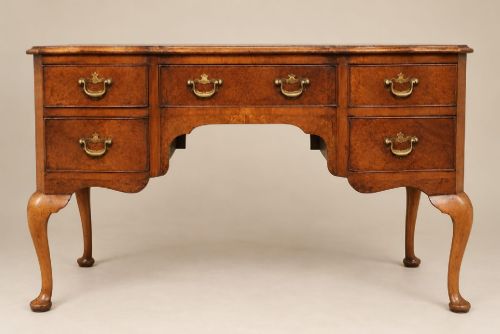
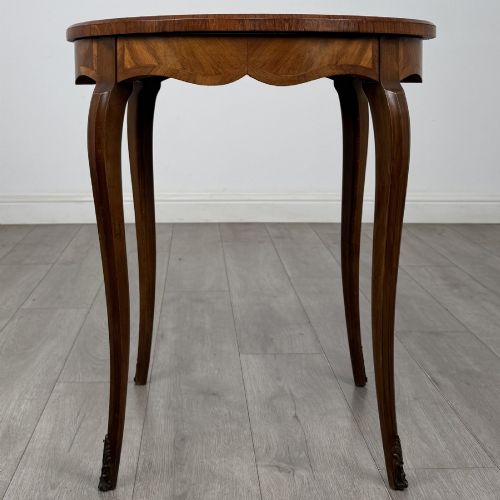
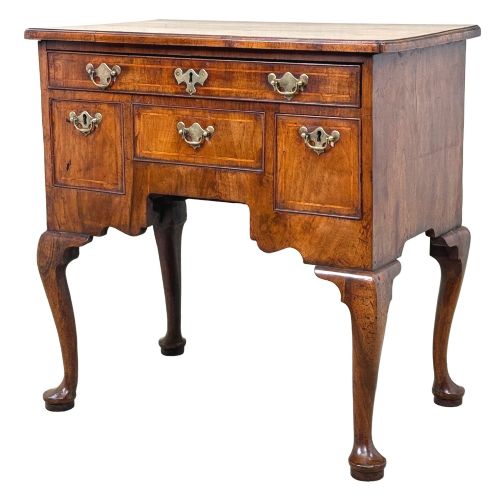
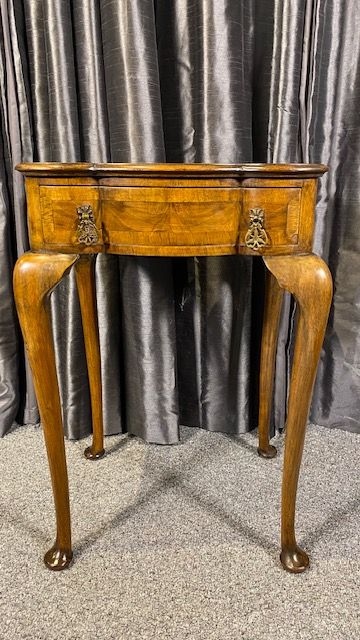
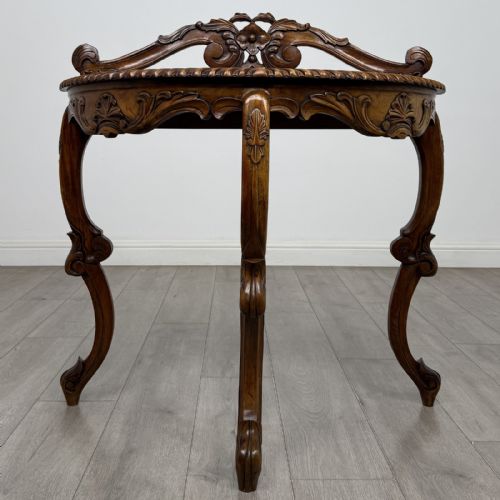
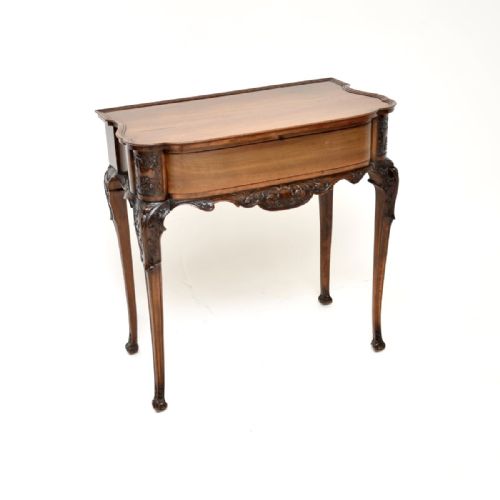
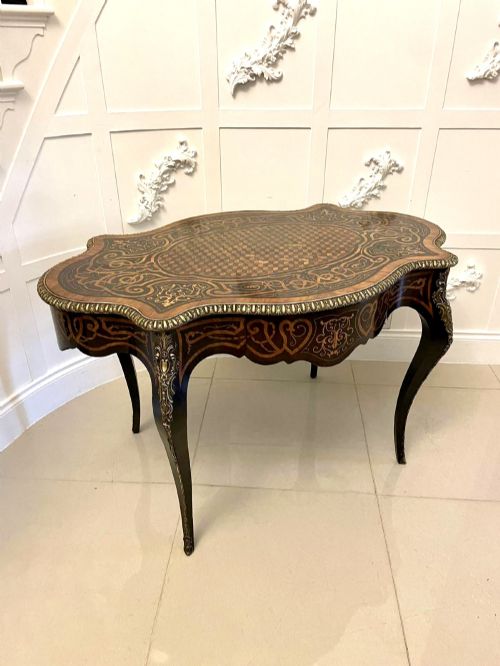
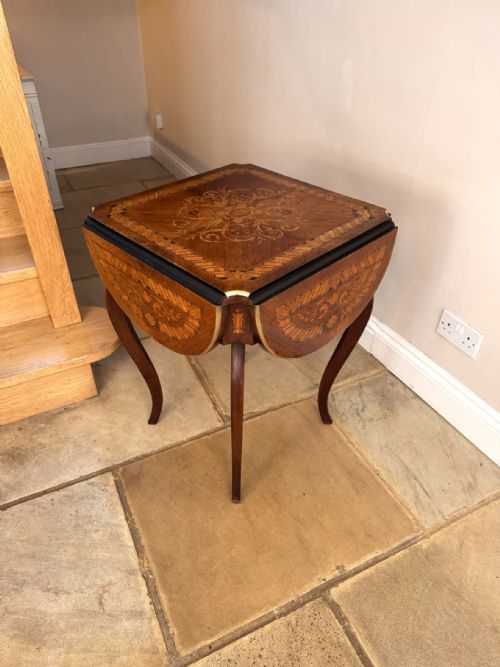
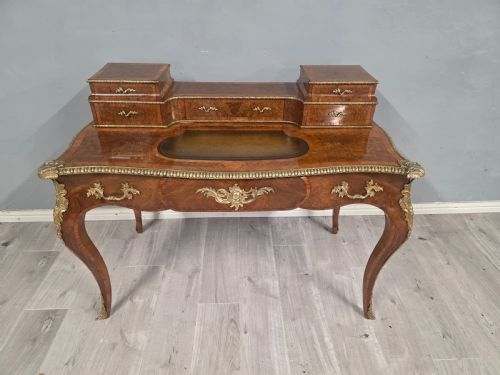
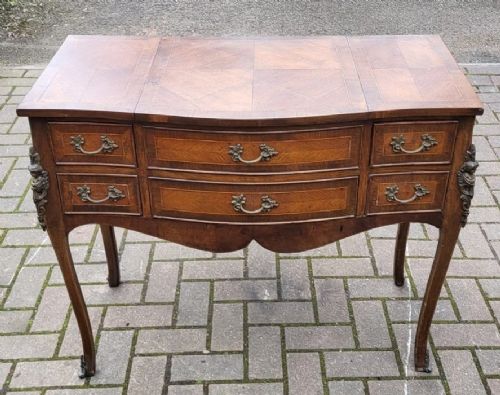
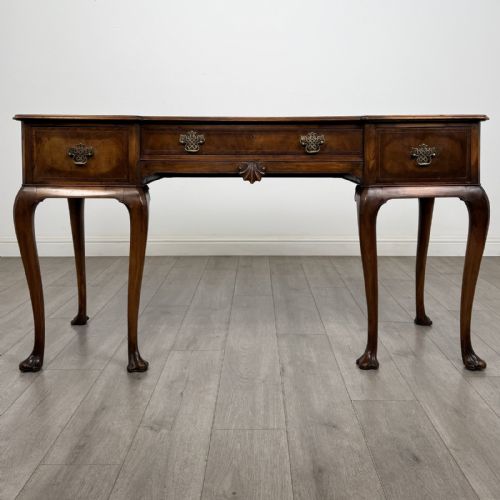
A walnut cabriole leg table combines the distinctive double-curved leg originating from classical design with the rich grain of walnut timber. These pieces span compact occasional items to larger dining tables, drawing upon Queen Anne, George II, and Louis XV Revival styles.
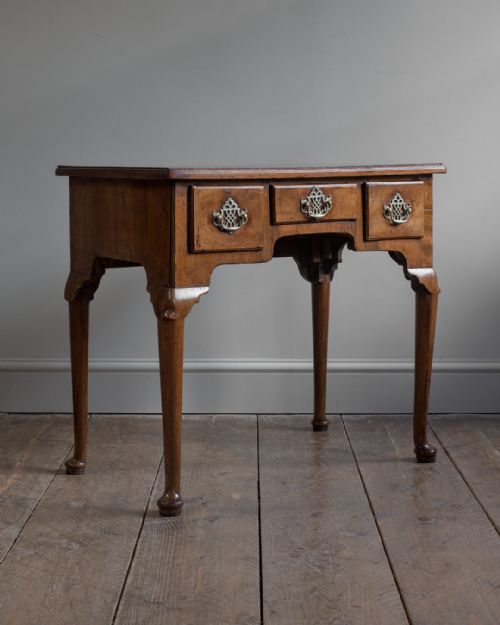
You will frequently encounter side tables, coffee tables, and desks dating from the eighteenth century through to the Edwardian period and the 1930s. French stylistic influences appear often, alongside English iterations showing traditional lowboy and card table forms.
The enduring appeal lies in the silhouette of the cabriole leg, which flows gracefully from a wider knee down to a pad or claw foot without straight architectural lines.
Materials and construction
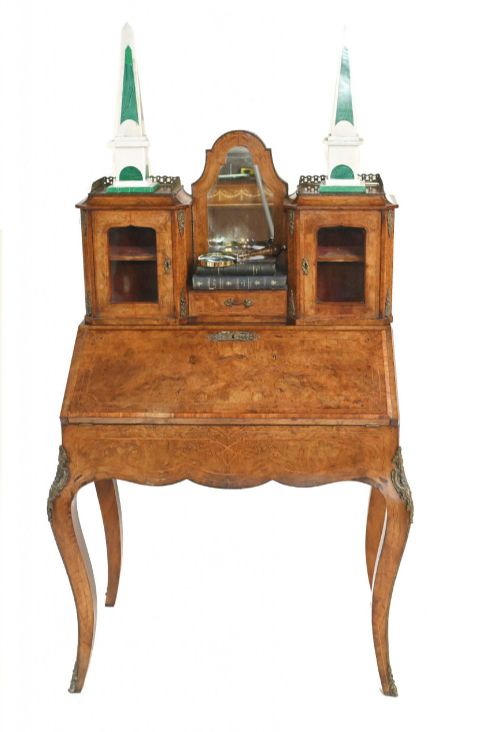
Cabinet makers utilised solid walnut alongside decorative veneers such as burr walnut and figured walnut to create rich patterns across table tops. Timber was carefully selected to highlight natural figuring, often enhanced by contrasting stringing in kingwood.
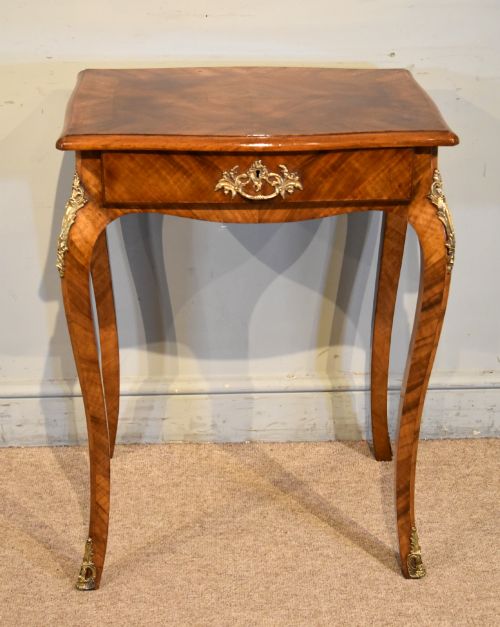
High-status examples incorporate cast brass or gilt ormolu mounts, leather insert writing surfaces, and inset rouge marble tops. The cabriole legs were shaped from dense timber, requiring skilled hand carving to achieve the characteristic sweeping profile.
Walnut Cabriole Leg Table Retail Price Guide 2026
Typical asking prices for walnut cabriole leg table among the pieces listed under this phrase on Sellingantiques today, from the lower quarter to the upper quarter. They describe what is for sale here now, not the wider market.
Materials appearing across these tables include solid walnut, burr walnut, kingwood, ormolu, marble, and tooled leather.
Judgements of quality
Quality rests upon the depth and movement of the walnut grain, where highly figured burr surfaces and book-matched veneers separate standard production from superior pieces. The crispness of the hand-carved knee on the cabriole leg demonstrates the maker's skill.
Proportion and structural integrity dictate the standing of a table, with refined proportions and original mounts holding greater interest. Superior items maintain integrity in their joints and timber selection across both the top and the supporting frame.
The Walnut Cabriole Leg Table Glossary
- Cabriole leg
- A furniture leg that curves outward at the knee and tapers inward toward the foot, mimicking animal limbs. This form became a defining feature of eighteenth-century design and later revivals.
- Lowboy
- A small dressing table or side table featuring one or more drawers and slender legs. These typically date from the eighteenth century or later revival periods.
- Burr walnut
- A veneer sliced from walnut tree growths, producing swirling, intricate grain patterns. It was prized for decorative table tops.
- Ormolu
- Gilt-bronze mounts applied to furniture for ornamentation, particularly popular in French nineteenth-century pieces.
- Parquetry
- Geometric wood inlay work forming patterns on table surfaces. It showcases precise craftsmanship and varied timber colours.
Walnut Cabriole Leg Table: Frequently Asked Questions
How do I identify a genuine period table?
Examine the timber construction, joint methods, and wear patterns underneath the top and along the frame. Period pieces exhibit hand-cut joinery and natural ageing consistent with their stated centuries.
Compare the silhouette of the cabriole leg against established stylistic eras like George II or Queen Anne. Revival pieces from the Edwardian era and the 1930s often utilise machine assistance and carry different internal construction markers.
Where should I place a walnut cabriole leg table?
These tables suit hallways, living rooms, and studies where the curved legs and figured timber can be appreciated from multiple angles. Side tables and lowboys function well against plain walls or behind seating.
Keep wooden tables away from direct heat sources and strong sunlight to protect the walnut veneer and polished finish. Regular dusting with a soft cloth maintains the natural lustre of the grain.
What is the difference between English and French styles?
English designs from the Georgian period tend to display restrained lines, pad feet, and understated walnut figuring. They focus on architectural proportion and straightforward utility.
French pieces, particularly those in the Louis XV style, often feature elaborate marquetry, parquetry, ormolu mounts, and more flamboyant curvature in the legs. These items lean toward decorative elegance.
How do I care for burr walnut surfaces?
Maintain burr walnut by avoiding excessive moisture and applying quality beeswax sparingly to nourish the timber. Prevent scratches by using coasters and felt pads beneath decorative objects.
Inspect the polish periodically for signs of drying, ensuring the room climate remains stable. Gentle handling preserves the delicate veneers for future generations.