




Vintage Woven Runner
A vintage woven runner brings corridor floors to life with genuine tribal pattern and rich wool.
Vintage Woven Runner
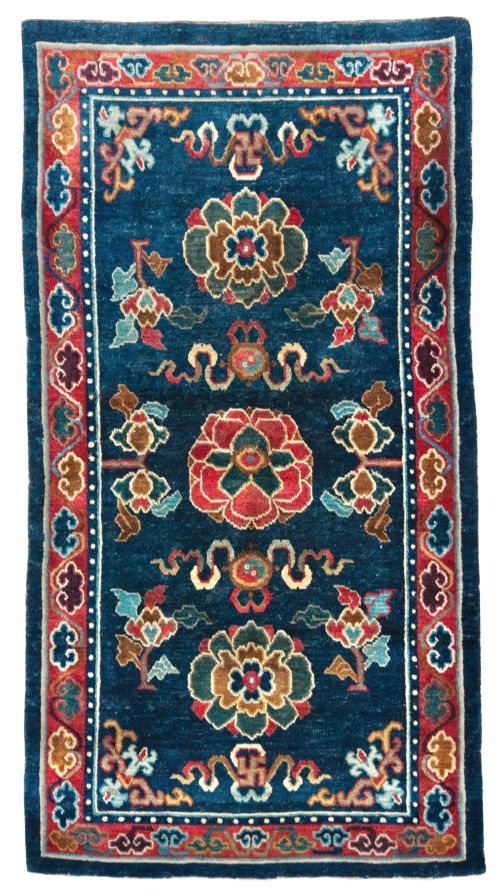
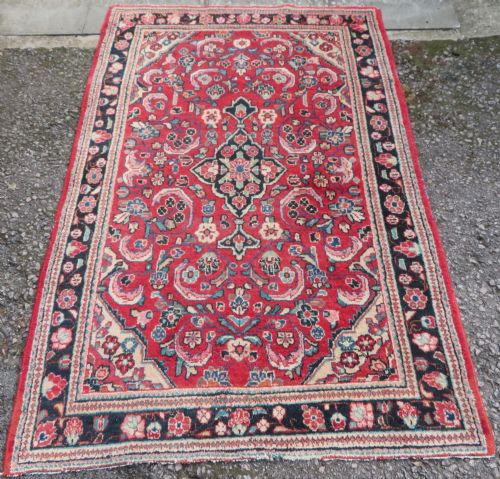
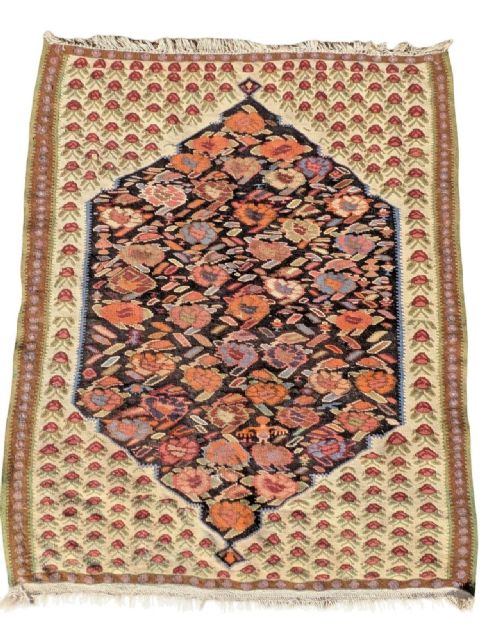
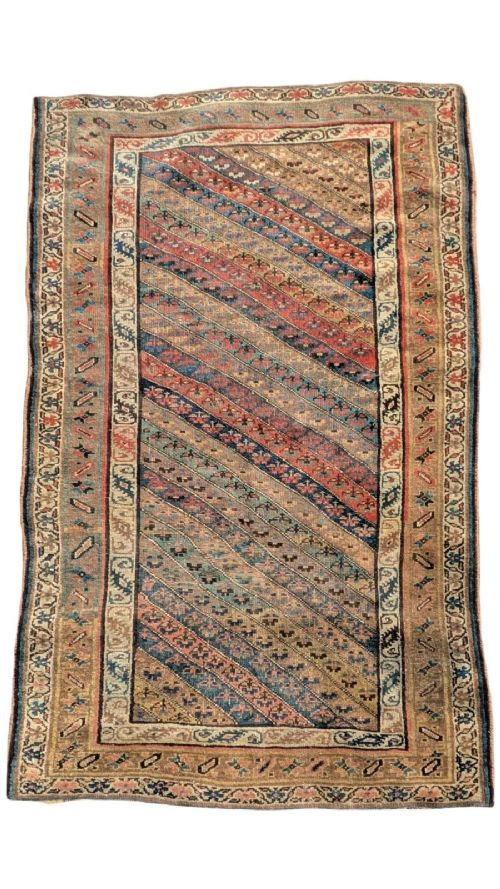
A vintage woven runner satisfies the search for elongated floor coverings that direct movement through hallways and narrow spaces. These textile pieces originate from regional traditions across the Caucasus, Persia, and Tibet, spanning periods from the nineteenth century into the decades following.
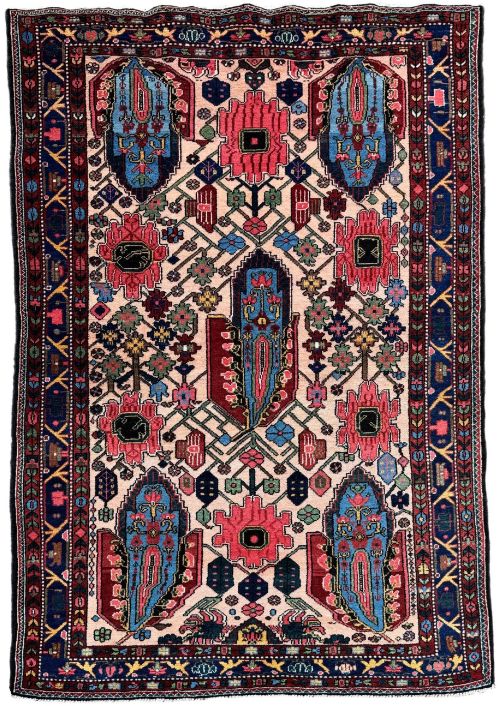
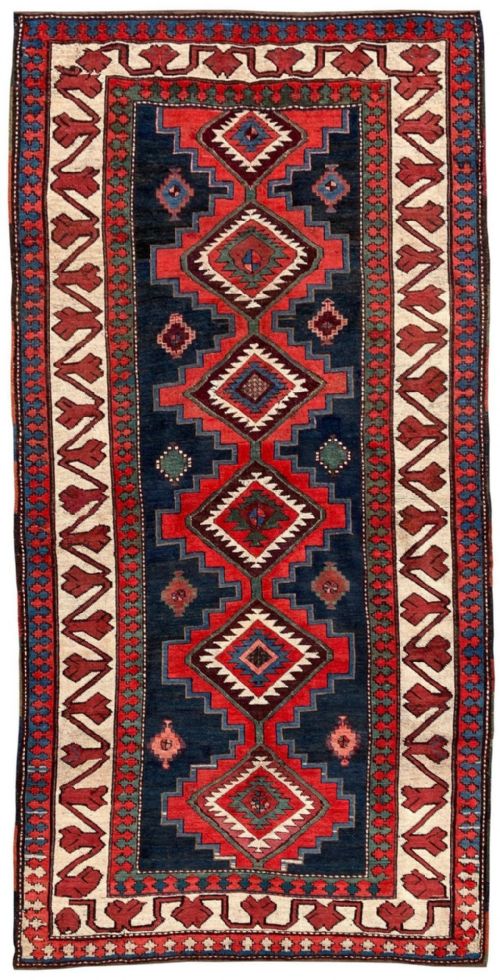
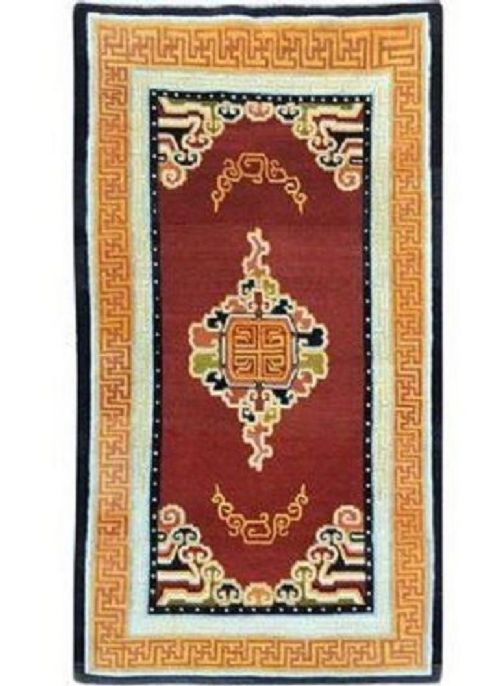
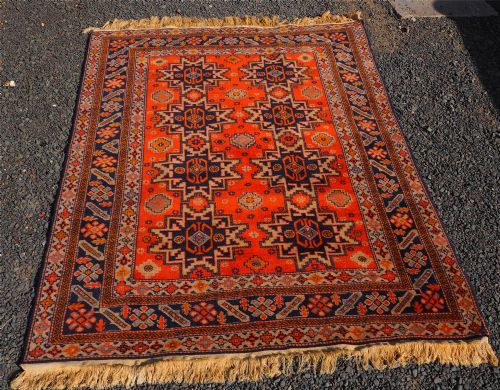
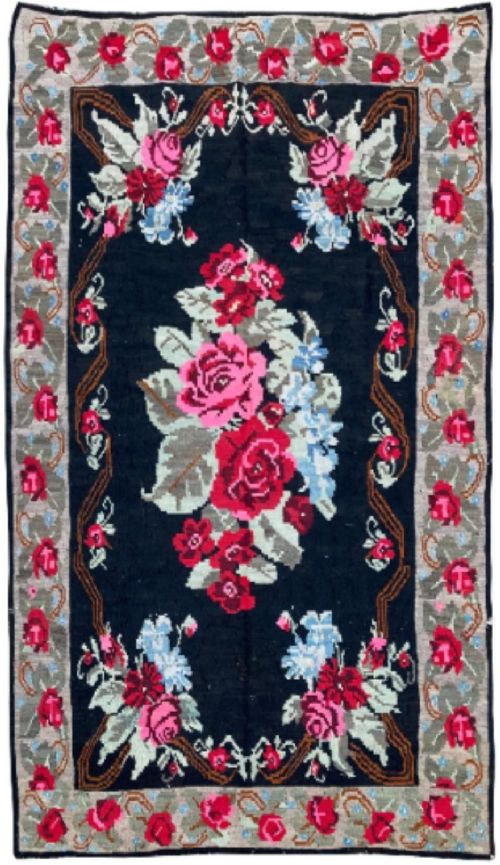
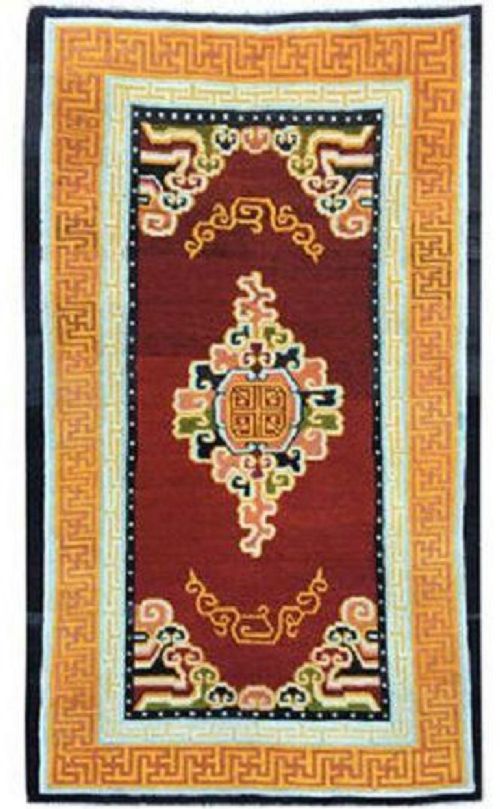
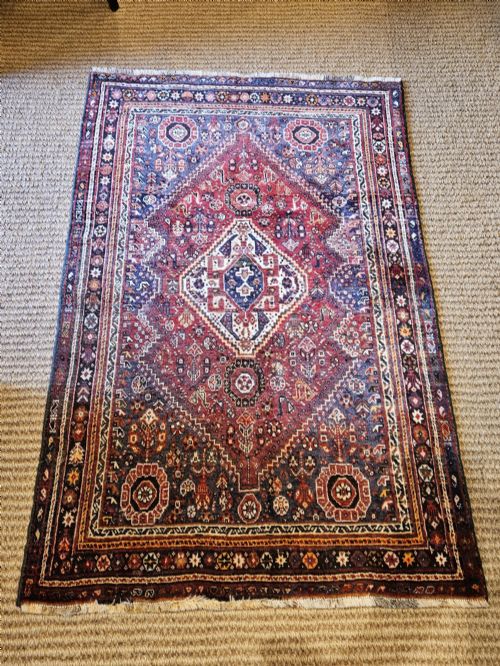
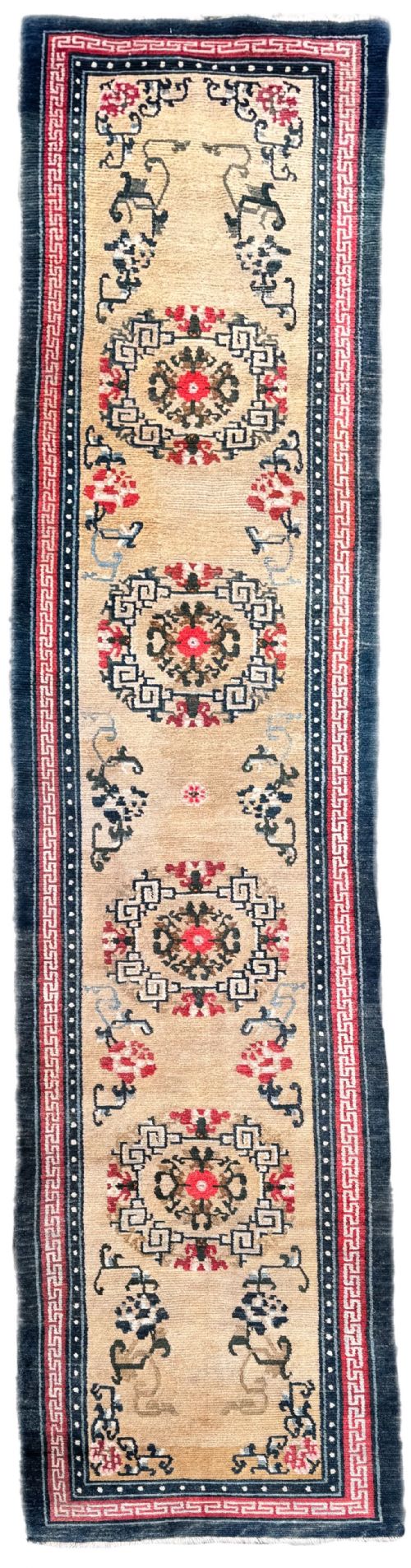
The format typically presents as a narrow, elongated rectangle designed specifically for corridors, staircases, and galleries. Most examples met on this page emerge from Kurdish, Caucasian, and Tibetan weaving traditions, showcasing traditional geometric motifs or floral medallions.
Makers shaped these textiles on upright looms using durable fibres meant to withstand heavy domestic traffic. Buyers find everything from flat-woven kilims to pile carpets, each bearing the distinct palette of its geographic origin.
Materials and Technique
Weavers relied primarily on wool and cotton, often utilising hand-spun yarn that absorbs natural dyes with subtle variations in tone. Silk appears in specific regional carpets, adding a fine sheen and a lighter structural weight to the composition.
The construction involves hand-knotting or flat-weaving techniques passed down through generations of tribal and village makers. Artisans anchored the pile tightly to warp and weft threads, creating a dense textile capable of enduring decades of foot traffic.
Certain nineteenth-century runners occasionally preserve stray animal hairs spun directly into the wool by busy village makers.
Distinctions in Quality
Quality rests upon the tightness of the weave and the clarity of the design motifs executed by the weaver. Denser knotting secures the structural integrity of the piece, allowing intricate geometric or floral patterns to remain sharp and legible.
The choice of dyes influences the visual depth of the textile, as natural colorants age with a harmonious patina. Superior examples display balanced proportions and consistent tension across the entire length of the runner.
The Vintage Woven Runner Glossary
- Kilim
- A flat-woven carpet or rug produced without a pile by tightly interweaving warp and weft strands. This technique creates a lightweight textile with identical patterns visible on both sides.
- Warp
- The vertical foundation threads stretched tightly on the loom before weaving begins. All horizontal weft threads and knots build directly upon this stable skeleton.
- Weft
- The horizontal threads passed alternately over and under the warp strands to lock the structure in place. In pile rugs, these threads are beaten down firmly after each row of knots.
- Natural Dyes
- Colourants derived from plants, insects, and minerals rather than synthetic compounds. These materials yield rich, complex hues that mellow gracefully over time.
- Pile
- The vertical or slanted ends of yarn that stand up from the woven foundation to form the soft surface of a rug. Shorter pile heights often reveal finer structural detail in the design.
Vintage Woven Runner: Frequently Asked Questions
Where should I place a runner?
Runners suit narrow hallways, entryways, and corridors where narrow floor spaces benefit from linear pattern and texture. They also function well alongside long furniture groupings or beside beds.
Position the textile away from damp environments to protect the natural fibres and dyes from moisture damage over time.
How do I clean a woven runner?
Regular gentle vacuuming without a rotating brush lifts surface dust from the pile without straining the old foundation threads. Professional textile cleaners experienced with antique wool should handle deep washing.
Avoid aggressive chemical treatments or soaking, as these methods risk bleeding the natural dyes and weakening the wool.
Are these runners durable?
Traditional construction methods and sturdy wool fibres make these textiles resilient against regular daily use. The tight knotting and strong foundation threads were originally intended for heavy domestic traffic.
Placing an appropriate underlay beneath the textile prevents slipping and cushions the fibres against hard floor surfaces.
How do I identify Caucasian rugs?
Caucasian pieces typically feature bold geometric medallions, stark primary colours, and sharp angular motifs. These designs reflect the tribal heritage of weavers working in the mountainous regions between the Black Sea and the Caspian Sea.
The palette often relies on deep blues, reds, and ivory accents set against symmetrical arrangements of stars, crosses, and hooked polygons.