


Vintage Wooden Writing Slope
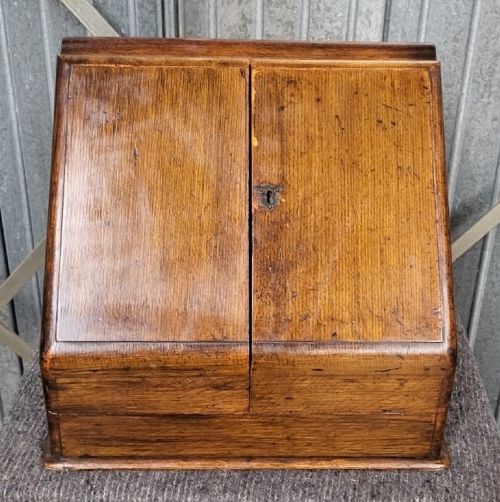
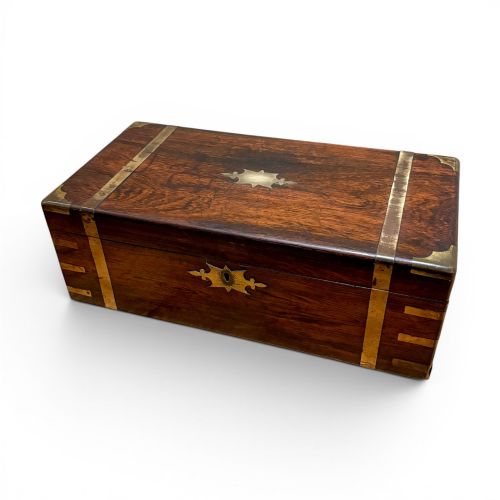
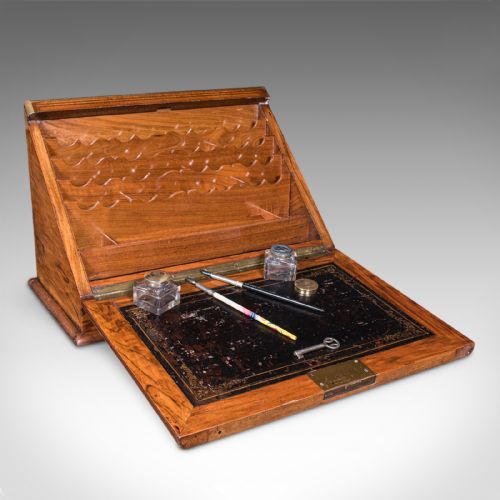
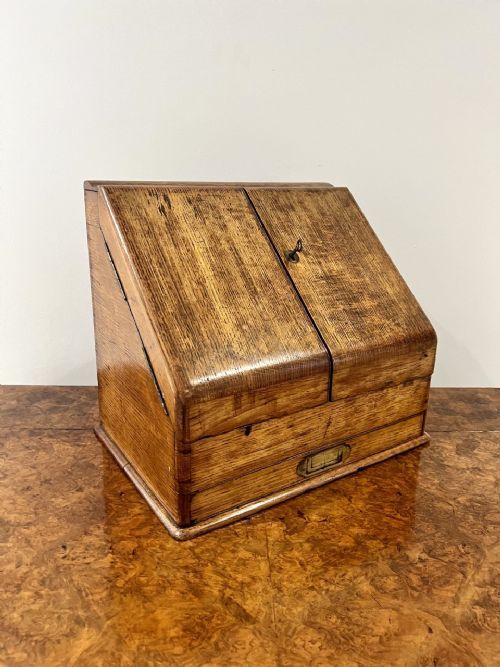
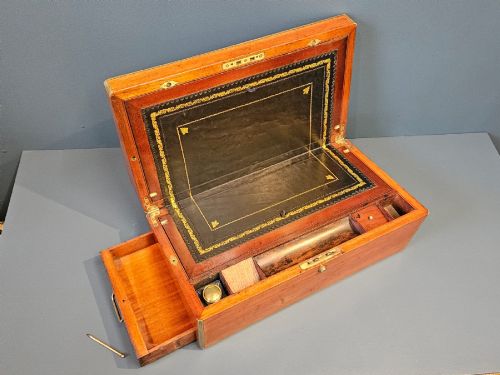
A vintage wooden writing slope offers a portable desk surface, folding open to reveal fitted compartments and a sloping writing board.
Vintage Wooden Writing Slope
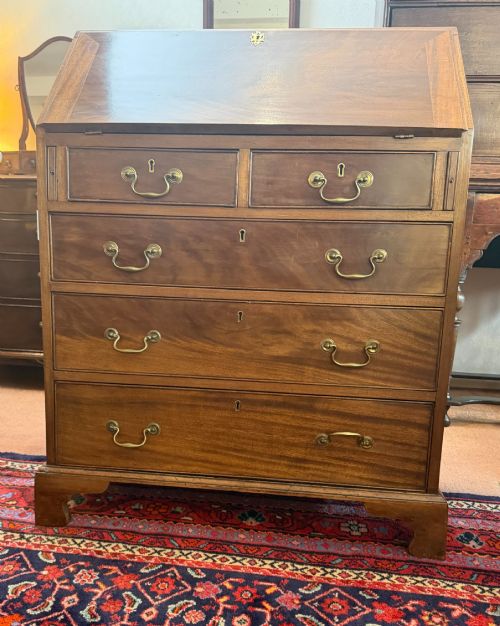
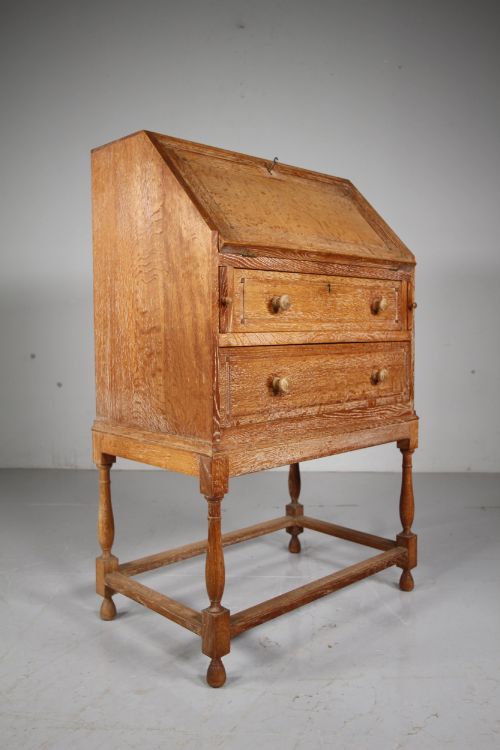
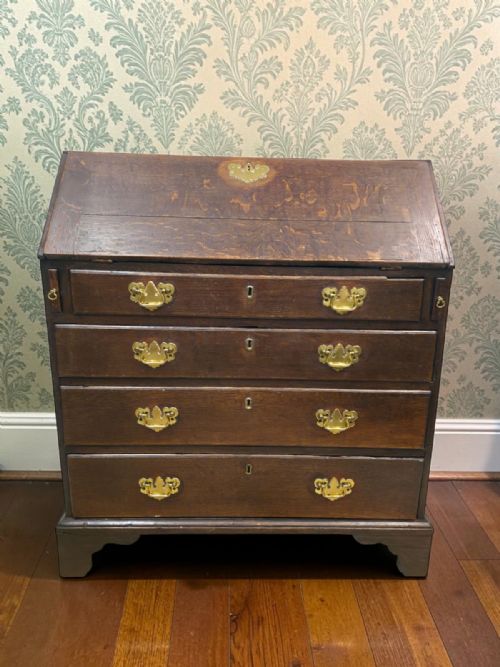
When searching for a vintage wooden writing slope, collectors examine portable boxes designed for correspondence that open into slanted writing desks. These pieces originate predominantly from the Georgian, Regency and Victorian periods.
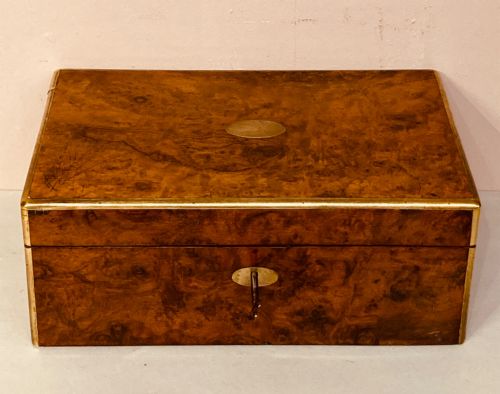
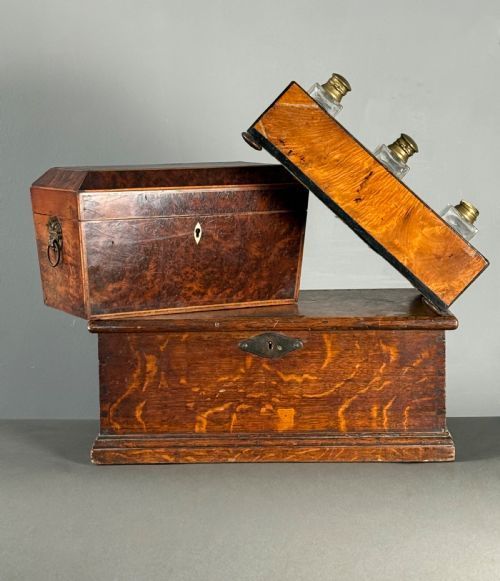
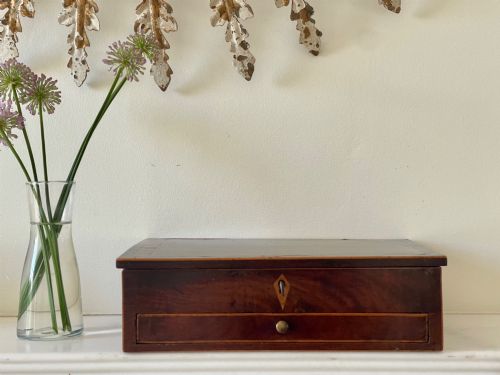
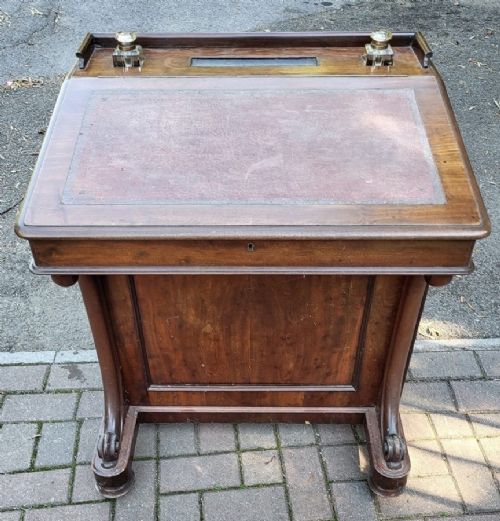
The inventory spans from compact mahogany and rosewood campaign boxes to larger oak and walnut desks, bureaux and stationery boxes. Examples frequently incorporate brass bindings, fitted interiors and secret compartments.
Origins range across British, French, Anglo-Indian and Chinese workshops, utilising timbers such as padouk, elm and burr walnut alongside decorative bone and mother of pearl details.
How they were made
Cabinet makers constructed these pieces from dense hardwoods including mahogany, rosewood, oak and walnut, often selecting figured veneers like flame mahogany and burr walnut for exterior surfaces. Timber selection provided the structural durability necessary for travel and daily use.
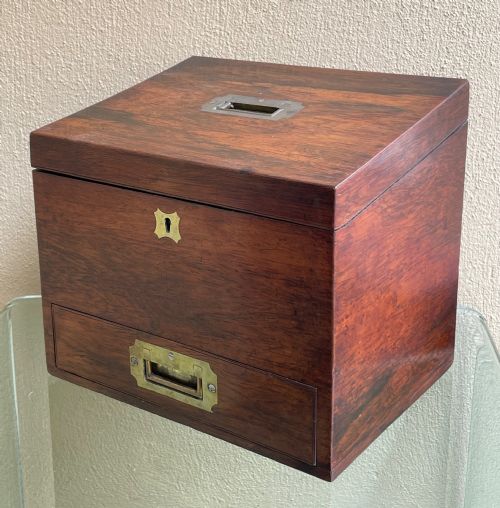
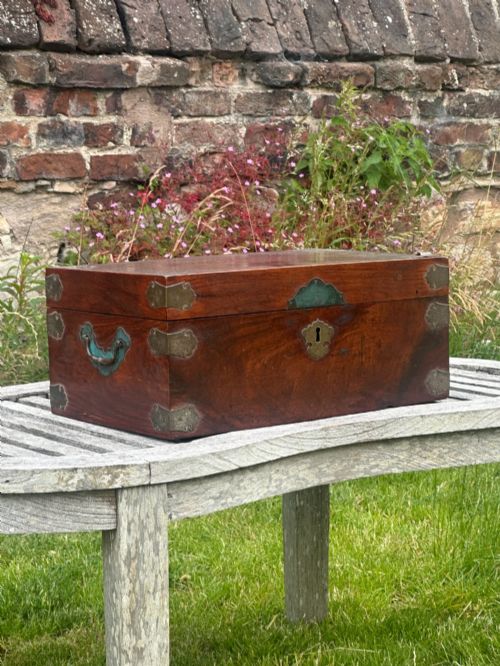
Metal hardware such as brass corners, strapwork, flush handles and locking mechanisms reinforced the edges of campaign pieces designed for transit. Interiors frequently featured fitted partitions, glass inkwells and writing surfaces inset with leather.
Specialised techniques included secret compartment joinery, brass inlay and hand-carved ornamentation seen in Anglo-Indian and Chinese workshop productions.
Vintage Wooden Writing Slope Retail Price Guide 2026
Typical asking prices for vintage wooden writing slope among the pieces listed under this phrase on Sellingantiques today, from the lower quarter to the upper quarter. They describe what is for sale here now, not the wider market.
Some travel boxes hid inkwells so securely that writers could draft letters while bouncing along in a carriage.
What varies in quality
Quality depends upon the choice and matching of timber veneers, such as the depth of grain in burr walnut or flame mahogany panels. Superior examples display meticulous grain continuity across the opening lid and body.
The intricacy and execution of interior fittings differentiate standard boxes from finer commissions. Secret drawers, substantial brass bound edges, working locks with original keys and integrated stationery compartments indicate superior craftsmanship.
The integrity of construction, including the precise fit of folding writing surfaces and the quality of brass hardware, establishes the standing of an individual piece.
Heals of London·Pairs MFG Co
The Vintage Wooden Writing Slope Glossary
- Writing slope
- A portable box with a hinged sloping lid that opens to provide a slanted surface for handwriting and storage for paper.
- Campaign
- Furniture designed to dismantle or fold easily for military travel, typically reinforced with brass corners and inset handles.
- Bureau
- A desk featuring a sloping flap that opens down to form a writing surface above a tier of drawers.
- Secret compartment
- A concealed drawer or hiding space built into the interior fittings, accessed through hidden catches or sliding panels.
- Stationery box
- A standing desk accessory or cabinet designed to hold envelopes, paper and writing implements upright.
Vintage Wooden Writing Slope: Frequently Asked Questions
How do I use a writing slope?
Place the box on a stable table and release any side hooks or latches to open the hinged lid outward. The interior folds flat or slanted to create a writing desk with slots for ink and paper.
Store correspondence and writing tools inside the compartments beneath the writing surface when finished, then close and lock the lid.
What is a campaign writing slope?
Campaign writing slopes are portable desks built for officers and travellers during the Georgian and Victorian eras. They feature protective brass corners and recessed carrying handles.
These sturdy boxes were constructed to withstand frequent transport while maintaining an organised workspace on the move.
How do I find secret compartments?
Secret compartments usually hide behind false partitions or removable pen trays inside the fitted interior. Gently push or slide small wooden dividers to release hidden spring catches.
Cabinet makers designed these secret spaces to secure currency, letters and small valuables during travel.
How do I date an antique writing slope?
Examine the exterior wood, brass hardware and interior construction methods to estimate the period of manufacture. Georgian and Regency examples often feature simpler brass inlay, whilst Victorian pieces frequently showcase heavier brass bound edges and rosewood or walnut veneers.
Maker labels, lock stamps and screw types also provide clues regarding the exact decade of production.