

Vintage Wine Goblet
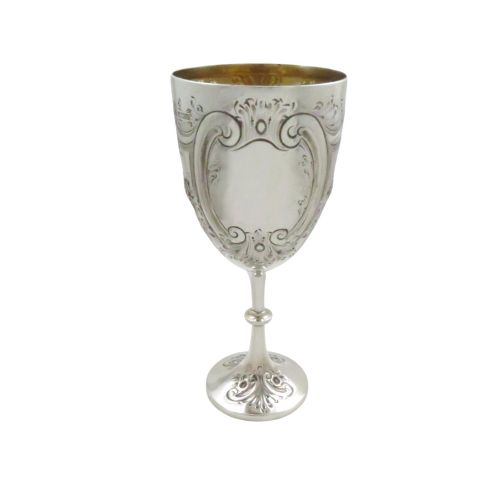
These vintage wine goblet examples span the Georgian, Victorian, and Edwardian periods, offering drinkers historic character for the table.
Vintage Wine Goblet
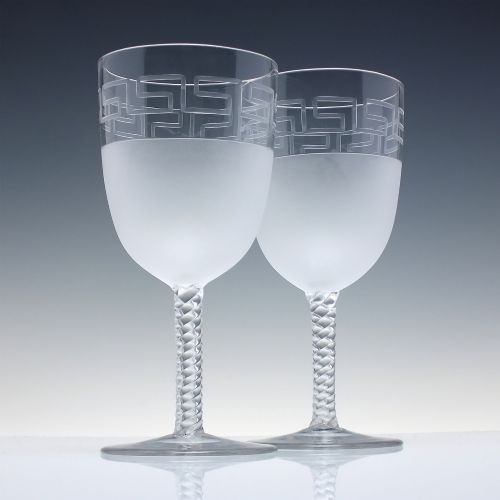
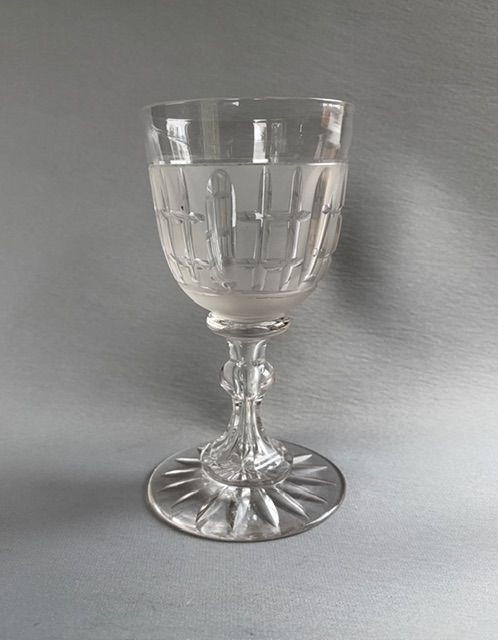
When you search for a vintage wine goblet, you encounter drinking vessels and rummers created from the eighteenth century through to the early twentieth century. The selection ranges from slender Georgian twist stems to robust Victorian cranberry glass and Edwardian table services.
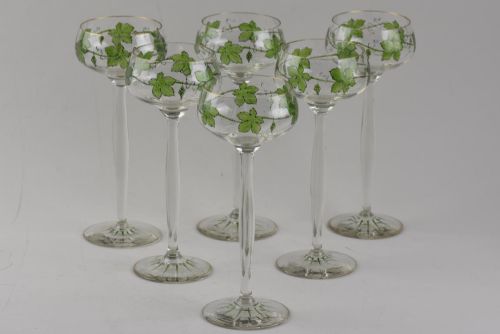
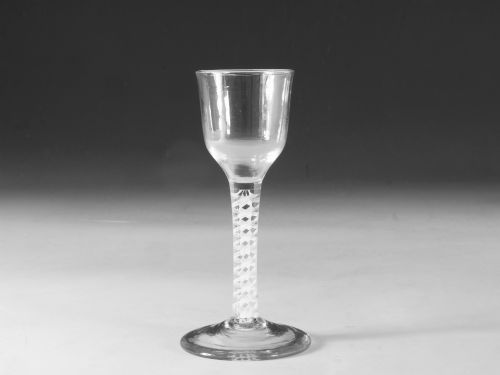
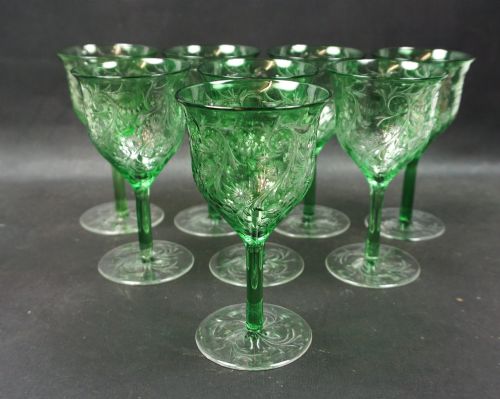
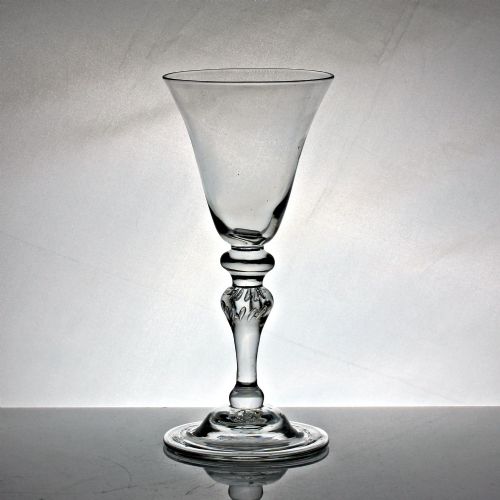
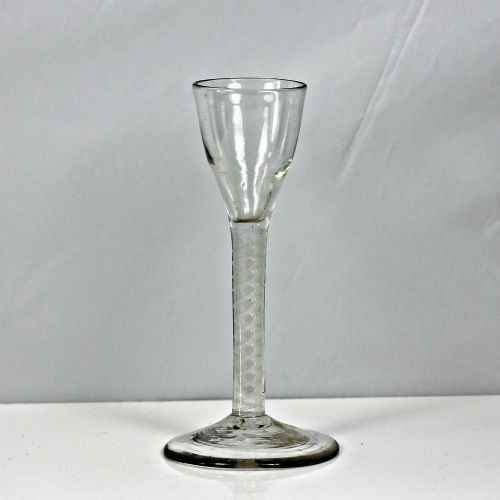
The pieces most frequently met on this page include Georgian lead glass wine glasses featuring air or opaque twists, alongside large Victorian green rummers and coloured hock glasses. Forms span from simple balustroid stems to heavily cut bowls and enamelled German vessels.
Originating largely from English, Bohemian, and continental European makers, these objects reflect shifting tastes in dining and entertaining over two hundred years. Buyers find individual specimens and matched sets intended for functional use or cabinet display.
Materials and manufacture
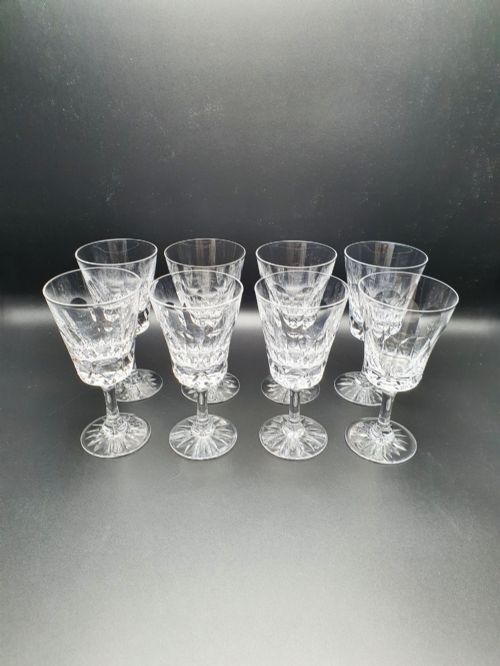
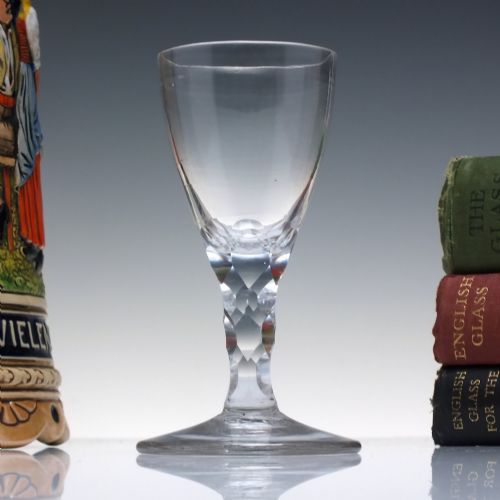
Glassmaking of these eras relied heavily on lead crystal and clear or coloured glass, shaped through hand-blowing and manipulation while molten. Techniques such as mould-blowing formed ribbed ogee bowls and faceted stems, while optical effects like air twists and opaque twists were created by trapping air or white enamel threads within the stem.
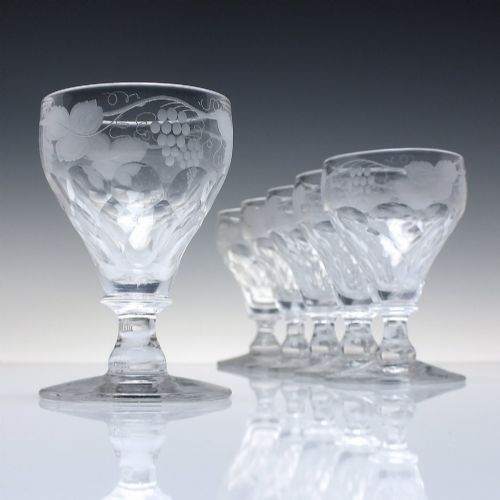
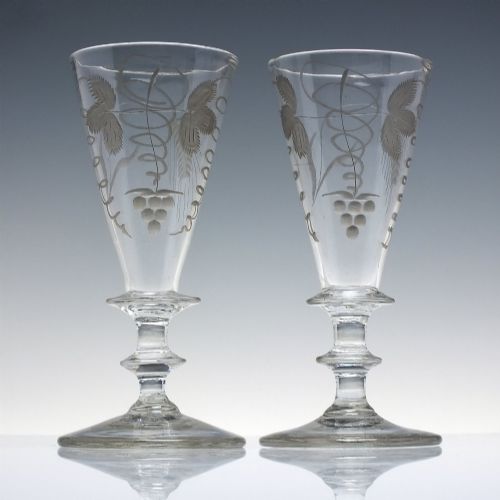
Surface decoration involved wheel-engraving, intaglio cutting, and hand-painting with enamel and gold leaf. Makers applied contrasting glass overlays, such as green or amber layers over clear crystal, before cutting through the surface to reveal the colour underneath.
Vintage Wine Goblet Retail Price Guide 2026
Typical asking prices for vintage wine goblet among the pieces listed under this phrase on Sellingantiques today, from the lower quarter to the upper quarter. They describe what is for sale here now, not the wider market.
Some Victorian glasses glow under ultraviolet light because makers added uranium to achieve that unmistakable vaseline yellow.
Assessing quality
Quality rests in the crispness of the cutting, the symmetry of the bowl and foot, and the optical clarity of the metal. Fine examples display delicate, evenly drawn twists within the stem and sharp facets that catch the light cleanly.
Superior pieces often exhibit skilled hand-engraving or precise enamel work rather than plain moulding. The weight and balance of the vessel, alongside the resonance of the lead glass when struck gently, distinguish finer production from heavier, utilitarian ware.
TIFFANY & Co·Baccarat·Theresienthal·Webb Corbett·Salviati
The Vintage Wine Goblet Glossary
- Opaque twist
- A stem decoration formed by drawing out enclosed white or coloured enamel glass rods into threads within the molten metal. This technique dates predominantly to the eighteenth century.
- Rummer
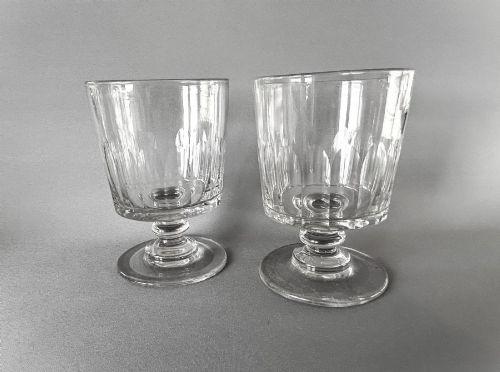
- A large, sturdy glass with a short stem and deep bowl, used historically for wine, ale, or punch. Victorian examples often feature heavy lead content and cut decoration.
- Roemer
- A continental European drinking vessel featuring a spherical bowl resting on a cylindrical stem decorated with applied prunts. These often appear in green or amber glass with enamelled heraldic motifs.
- Air twist
- A stem feature created by stretching elongated air bubbles in the molten glass during drawing. It produces a spiral effect resembling trapped air channels.
- Hock glass
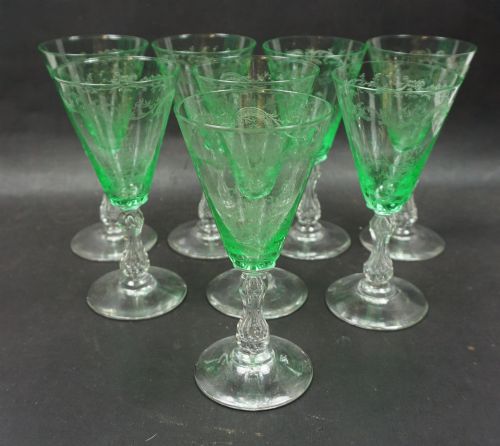
- A tall wine glass traditionally used for German white wines, often characterised by a coloured bowl and an elongated stem. Many surviving examples date from the Victorian and Edwardian eras.
Vintage Wine Goblet: Frequently Asked Questions
How do I date an old wine glass?
Dating relies on stylistic clues such as stem formation, bowl shape, and foot construction. Eighteenth-century glasses frequently feature pontil marks, folded feet, and air or opaque twists.
Later Victorian pieces tend to be heavier, with broader moulded bowls, brighter chemical colours like cranberry and vaseline, and polished pontils. Comparing the metal weight and cutting style against documented examples narrows the production era.
Can I use these glasses for drinking?
Most antique drinking glasses remain structurally sound for regular use, provided they are handled with care. Hand-washing in lukewarm water prevents thermal shock and protects fragile glass rims.
Avoid dishwashers and harsh detergents, which can cloud old lead glass or damage delicate enamel and gilt decoration over time.
Why do some glasses have a rough mark on the bottom?
That rough spot is the pontil mark, left where the glassblower's pontil rod was snapped off after shaping the piece. Its presence indicates that the vessel was formed by hand rather than machine-moulded.
Finer antique pieces usually have had this mark ground down and polished smooth, though older or utilitarian items often retain a sharp or rough texture.