





Georgian Air Twist
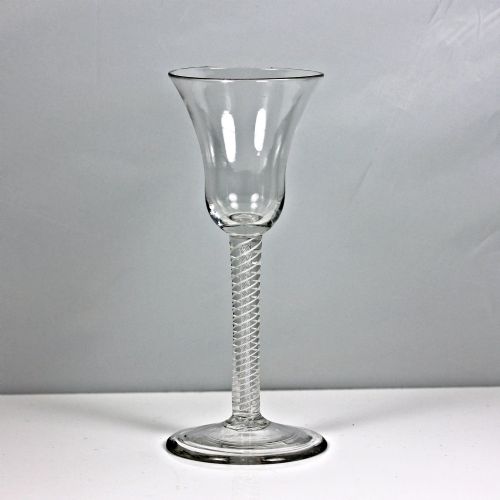
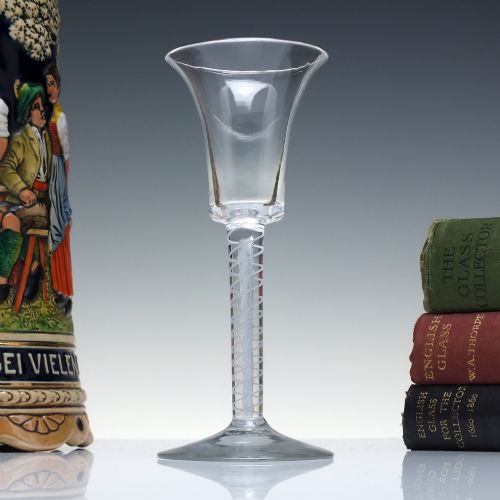
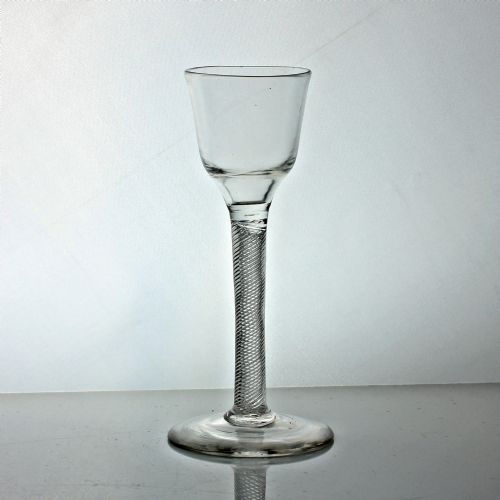
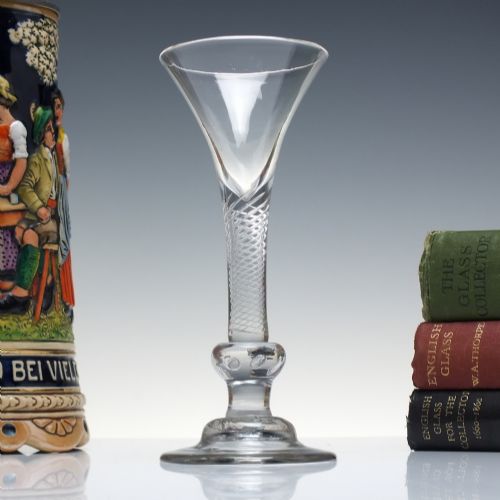
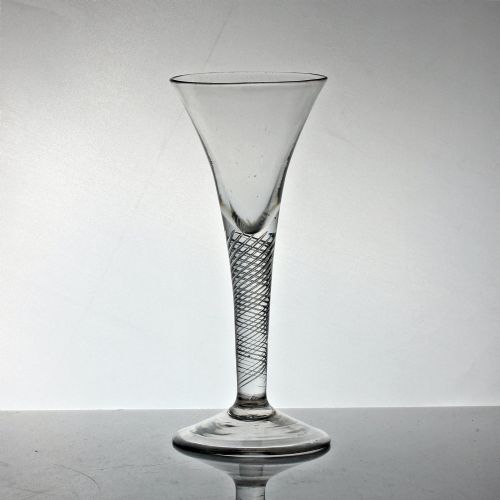
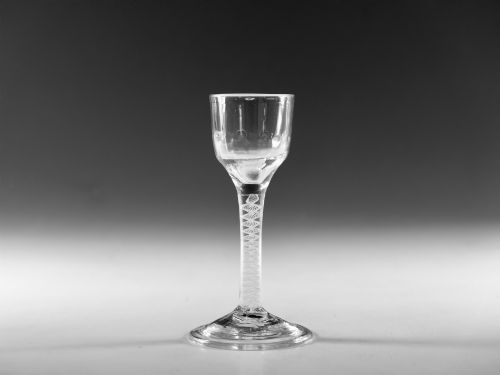
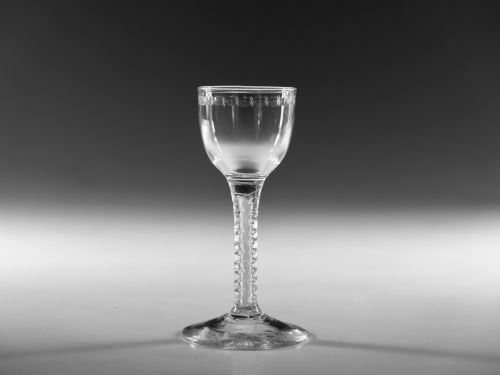
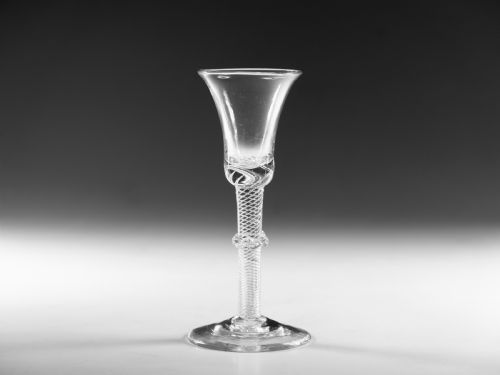
When seeking a Georgian air twist, collectors look for eighteenth-century drinking vessels featuring internal glass threads captured within the stem.
Georgian Air Twist
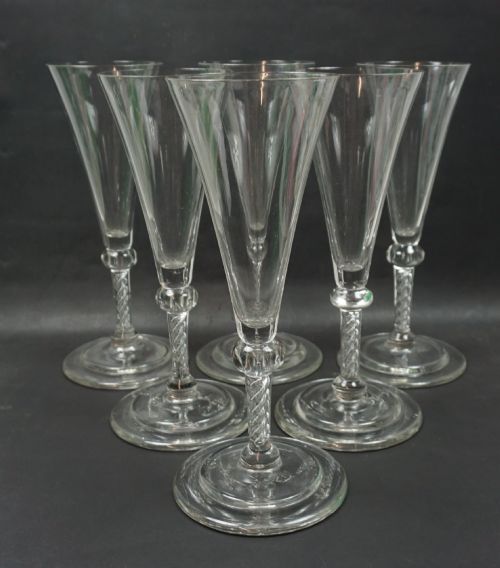
A Georgian air twist typically takes the form of a wine glass, ale glass, cordial glass, or flute intended for formal dining and social toasts during the eighteenth century.
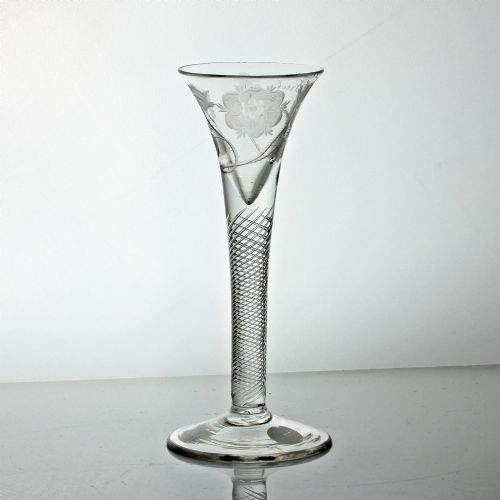
Engraved decoration frequently appears on the bowls, showing Jacobite emblems, hops and barley, or hunting scenes that connect the glassware to historical political loyalties and rural life.
How they were made
Glassmakers produced these stems by trapping elongated air bubbles within molten lead glass or flint glass before drawing and twisting the material into helical threads.
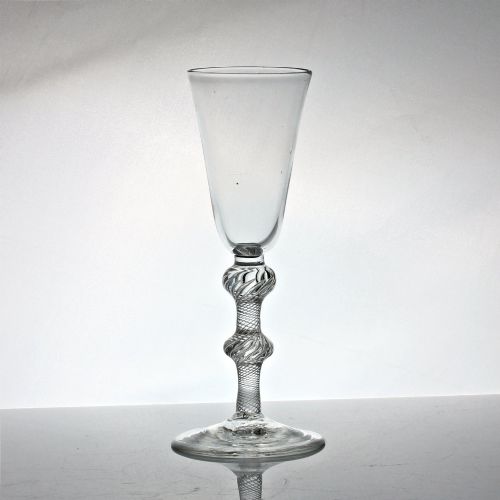
Craftsmen shaped the bowls separately before joining them to the twisted stems and applying folded feet for stability, occasionally incorporating knops for added grip and visual weight.
Georgian Air Twist Retail Price Guide 2026
Typical asking prices for georgian air twist among the pieces listed under this phrase on Sellingantiques today, from the lower quarter to the upper quarter. They describe what is for sale here now, not the wider market.
Listings feature eighteenth-century lead glass and flint glass forms alongside twentieth-century revivals.
What varies in quality
The clarity and weight of the lead crystal establish the foundational quality of the vessel, with exceptional transparency elevating the visual impact of the internal spirals.
The precision and complexity of the twist pattern, ranging from single spirals to multi-spiral configurations and composite stems, determine the technical achievement of the piece.
The Georgian Air Twist Glossary
- Air twist
- A stem containing elongated spiral channels of air trapped within the glass. This optical effect results from manipulating bubbles inside molten metal during manufacture.
- Knop
- A thickened protuberance on the stem of a drinking glass. These swellings provide decorative emphasis and structural balance.
- Ogee
- A double-curved bowl shape resembling an elongated S-curve. This profile directs aromas upward during consumption.
- Folded foot
- A base edge turned underneath to create a thickened rim. This technique adds weight and protects the vulnerable perimeter from chipping.
- Jacobite
- Pertaining to supporters of the exiled Stuart kings. Glassware bearing these engravings carries clandestine political symbols such as roses and oak leaves.
Georgian Air Twist: Frequently Asked Questions
What is a georgian air twist?
A georgian air twist is an eighteenth-century drinking vessel featuring a stem decorated with internal spiral air channels.
These pieces encompass wine glasses, ale glasses, and cordials produced primarily in England during the mid-eighteenth century.
How were air twist glasses used?
Original owners used these vessels for consuming wine, ale, and spirits during formal dining and social gatherings.
Many examples bear political engravings indicating their use during secret toasts supporting the exiled Stuart monarchy.
How do I identify an eighteenth century piece?
Authentic period examples exhibit the characteristic weight and metal quality of eighteenth-century lead glass alongside handmade stem formations.
Details such as pontil marks on the base and historical bowl shapes help differentiate period items from later revivals.
What are jacobite engravings?
Jacobite engravings are symbolic motifs including roses, buds, and oak leaves applied to glasses as secret political statements.
These designs allowed sympathizers to pledge loyalty to the exiled royal house during social occasions.
Can these glasses be used today?
These fragile antiques are typically reserved for display and careful handling by collectors rather than daily dining.
Hand washing in lukewarm water without soaking preserves the delicate lead glass and historical engravings.