
Clear Lead Crystal
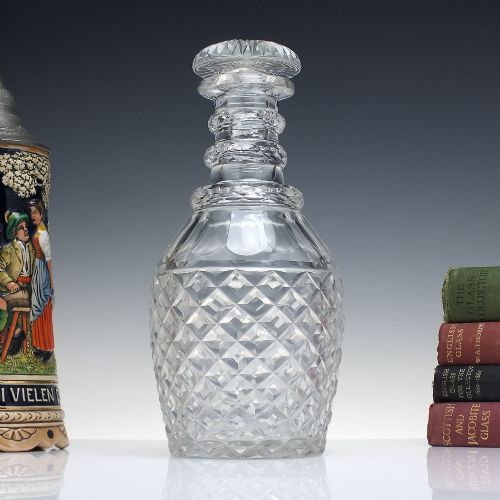
Clear lead crystal drinking vessels and table items bring heavy refraction and bright, clear metal to the table.
Clear Lead Crystal
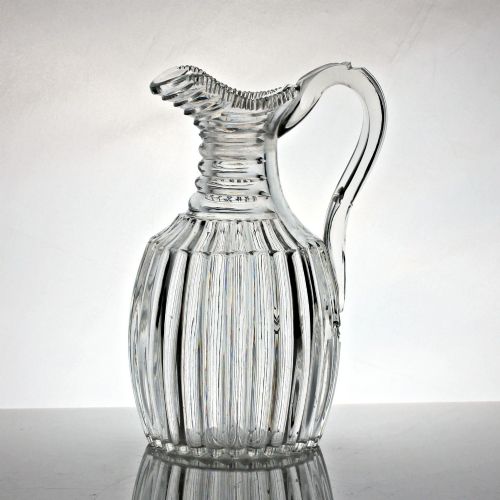
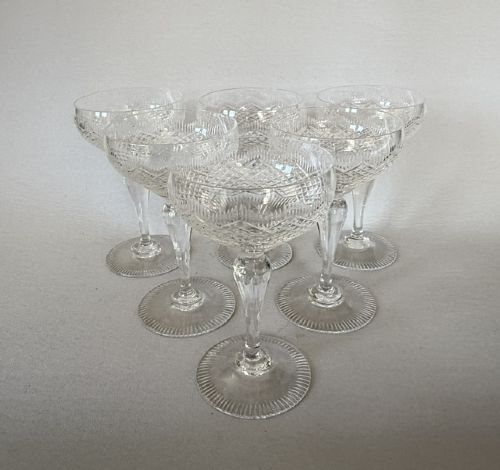
When you search for clear lead crystal, you encounter vessels designed for drinking, serving and display across several centuries. The selection spans Georgian rummers, Victorian decanters, Edwardian jugs and Art Deco champagne coupes.
Drinking glasses dominate the pieces listed, alongside decanters, pitchers and scent bottles. You find items in lead glass, flint glass and crystal, with periods stretching from the eighteenth century into the twentieth century.
Materials and Techniques
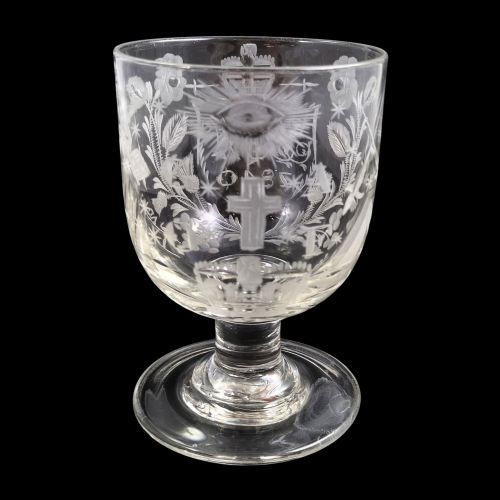
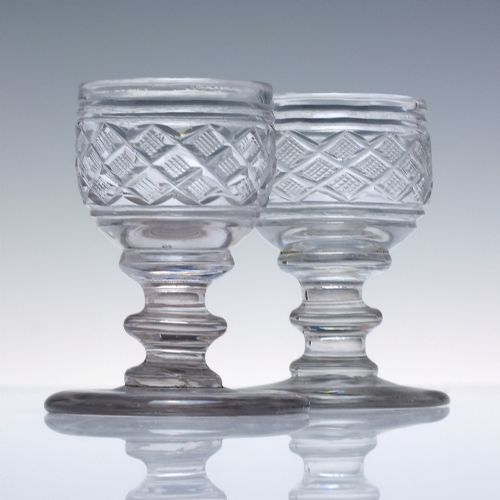
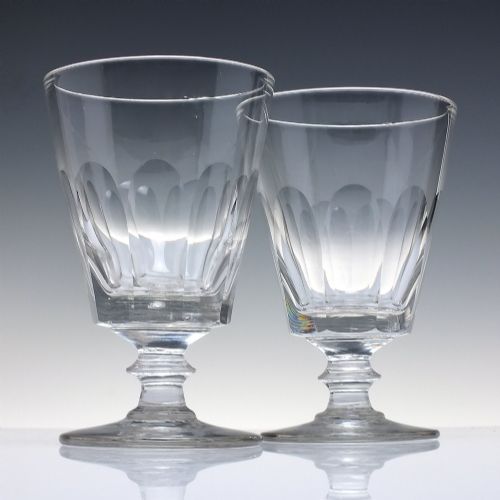
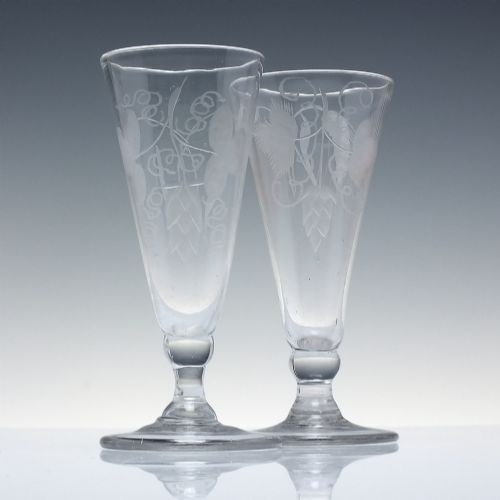
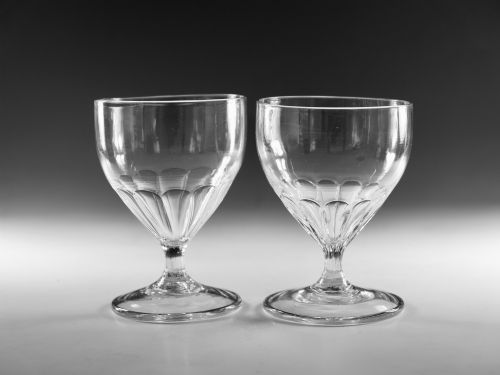
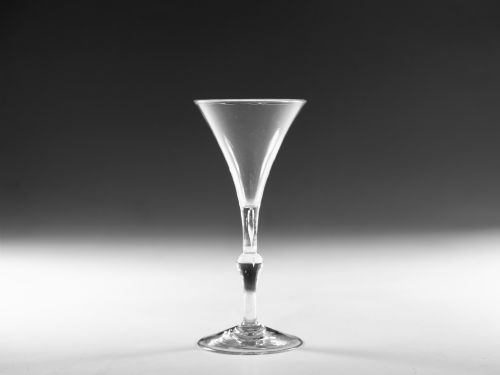
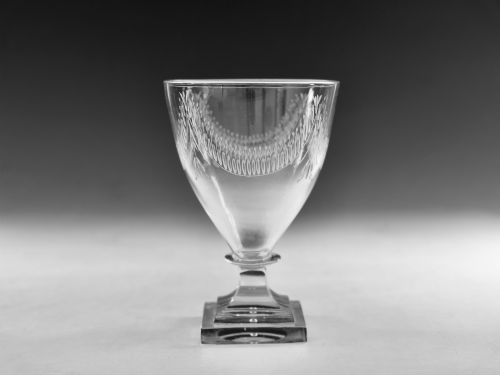
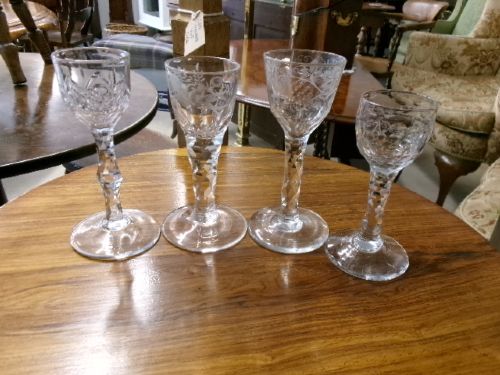
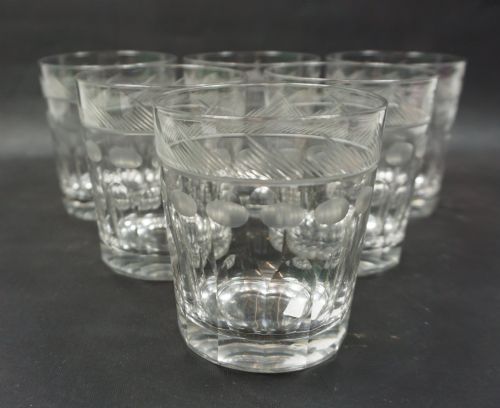
Makers utilised lead glass and flint glass, working the molten material into air twists, opaque twists and heavy faceted stems. Cutting, engraving and acid etching decorate the surfaces of rummers, decanters and tumblers.
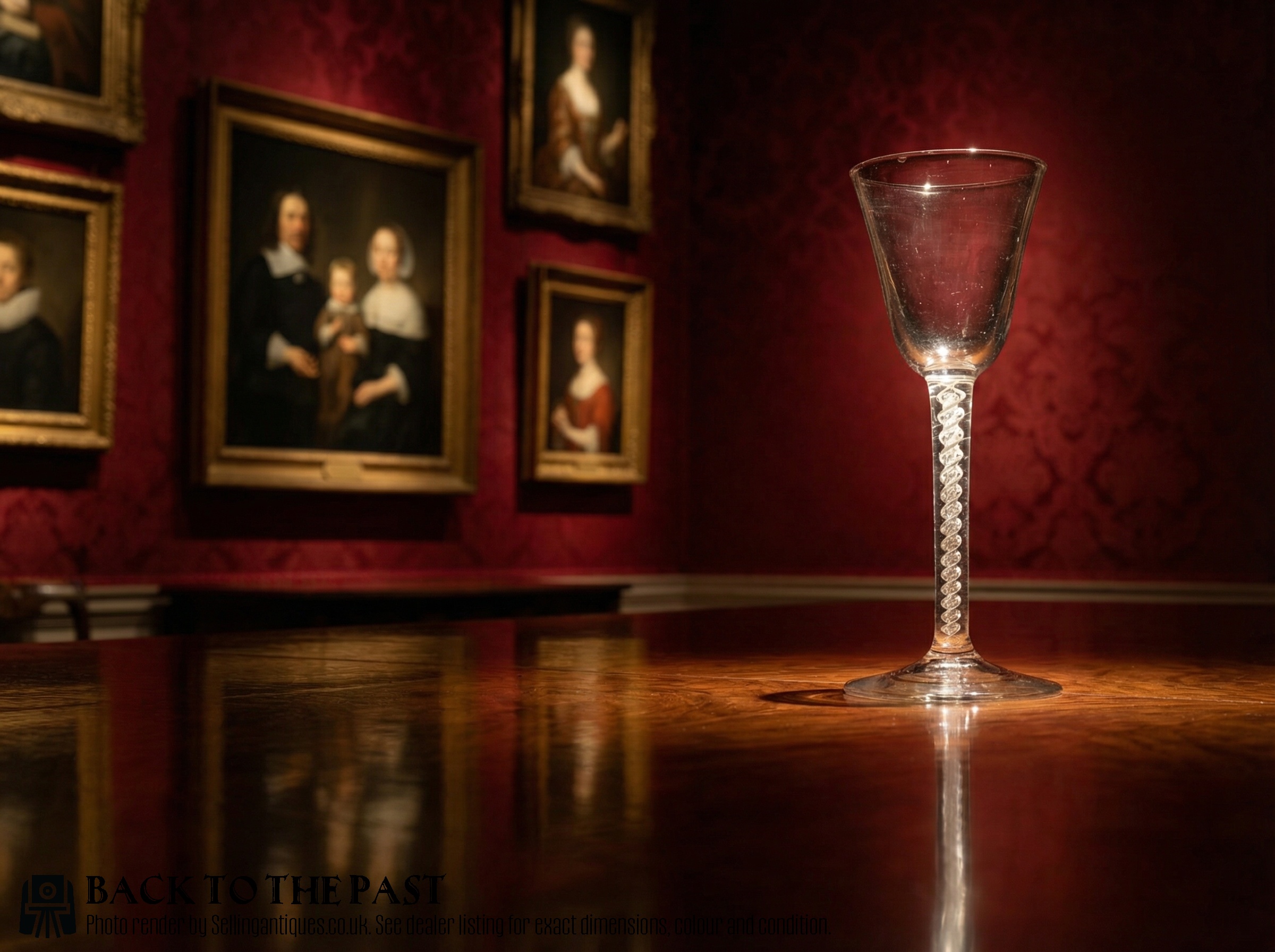
The integration of lead oxide into the glass formula created a heavier, more refractive medium that held sharp wheel-cut facets. Air bubbles trapped in the stems formed delicate spiral patterns during the drawing and twisting process.
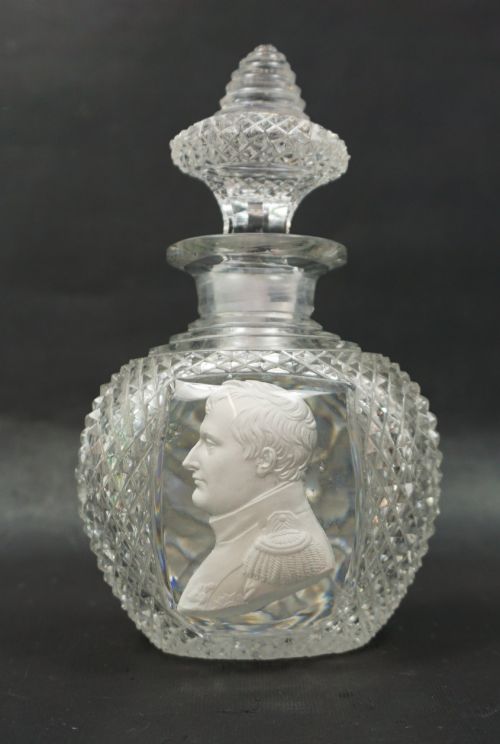
A tiny portrait of Napoleon gazes out from inside a solid glass scent bottle, forever trapped in miniature crystal.
Evaluating the Pieces
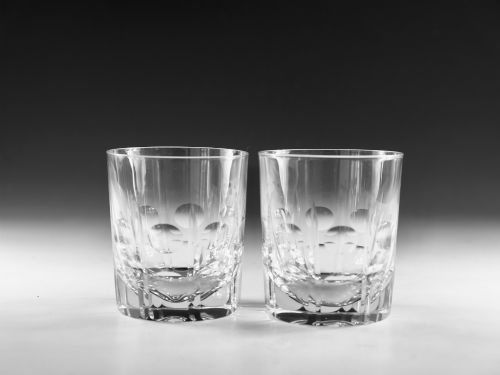
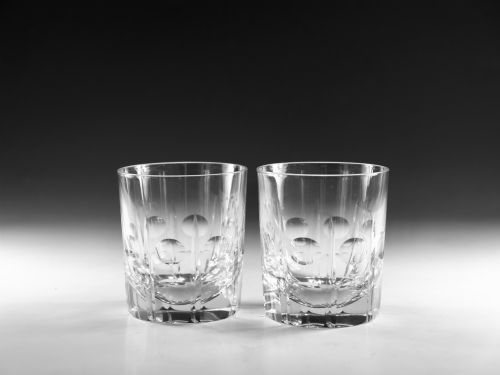
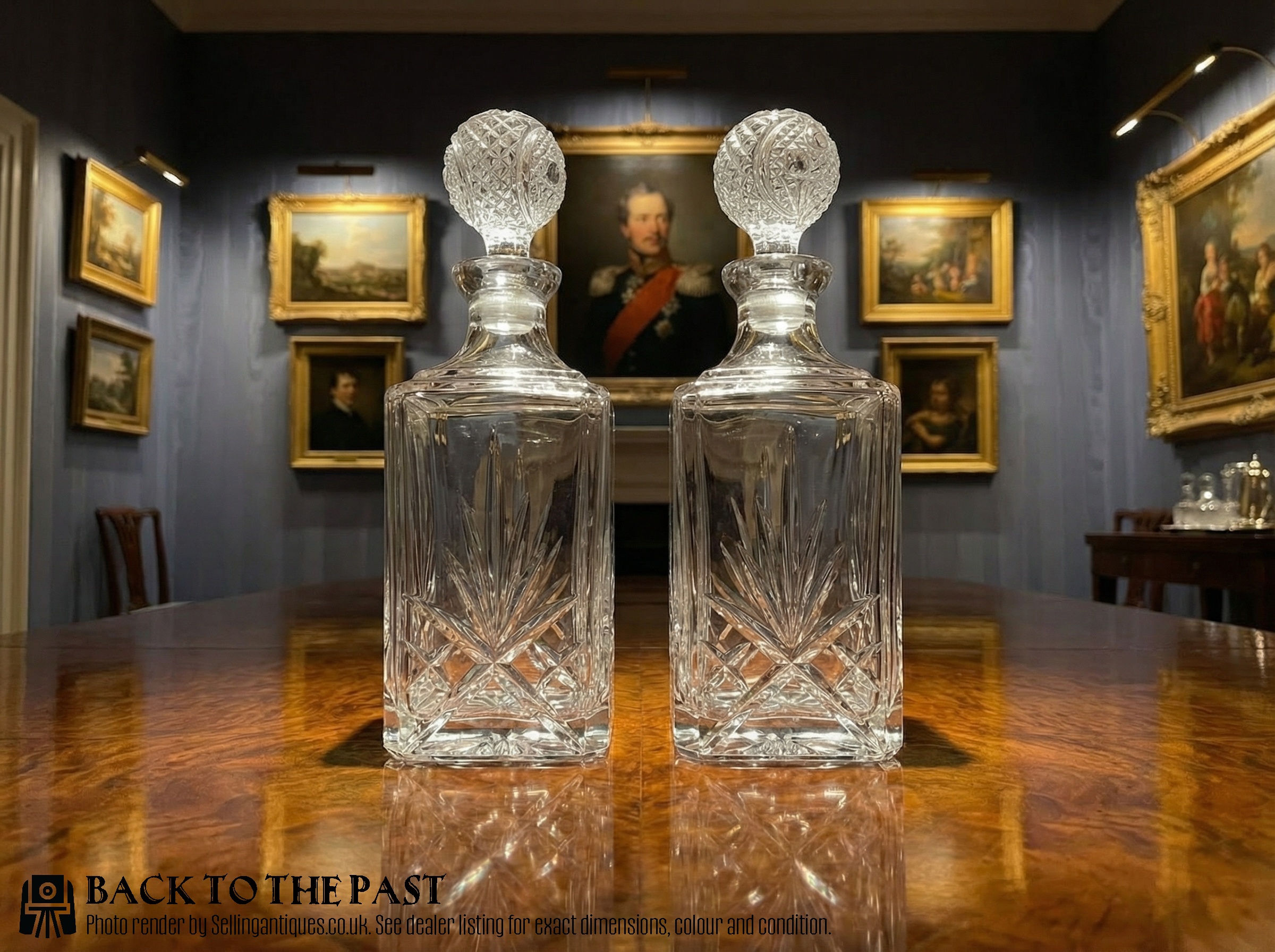
The distinction between tiers rests on the crispness of the cutting, the weight of the metal and the clarity of the crystal. Sharp, deep wheel-cuts reflect light intensely, whereas softer facets indicate a less disciplined hand.
Proportion and form dictate the success of a piece, from the balance of a faceted stem to the symmetry of an engraved bowl. Pieces retaining uniform wall thickness and unblemished surfaces stand apart from simpler commercial wares.
Val St Lambert
The Clear Lead Crystal Glossary
- Rummer
- A large, sturdy drinking glass popular in the eighteenth and nineteenth centuries, often used for ale, beer or wine. These heavy vessels frequently feature cut decoration or engraved hops and barley motifs.
- Air twist
- A decorative stem enclosing a spiral column of elongated air bubbles inside the glass. Makers produced this effect by drawing and twisting heated glass rods before forming the stem.
- Opaque twist
- A stem containing fine white or coloured enamel threads twisted within the clear glass. This traditional technique dates to the eighteenth century.
- Flint glass
- An early term for high-clarity glass containing lead oxide, developed to improve refractive brilliance. The heavy metal content allows for deep cutting and polishing.
- Sulphide
- A small white ceramic plaque embedded within the crystal, often portraying a portrait or historical figure. The cameo effect appears sharp and detailed against the clear glass background.
Clear Lead Crystal: Frequently Asked Questions
What is clear lead crystal?
Clear lead crystal is glass containing lead oxide, which increases weight, brilliance and refractive index. This composition allows artisans to cut deep, sharp facets into the surface.
The inclusion of lead produces a resonant ring when struck and provides the clarity seen in Georgian and Victorian decanters and rummers.
How do I date antique glassware?
Dating relies on form, manufacturing marks, pontil scars and cutting styles. Georgian pieces often display kick-up bases or folded feet, while Victorian items tend to be heavier and more mechanically finished.
Twist stems point specifically to the eighteenth century, whereas acid etching and distinct machine-like precision suggest the twentieth century.
Were these items used daily?
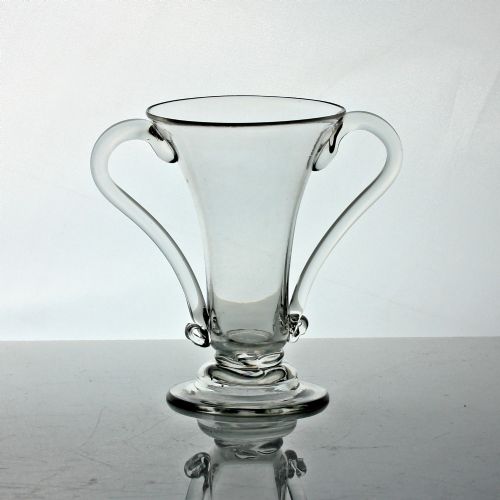
Many of these vessels served functional roles on dining tables for wine, beer, water and drams of whiskey. Rummers and heavy tumblers endured regular use in taverns and homes.
Scent bottles and centrepieces served decorative purposes in private parlours, holding perfumes or floral displays.