


Vintage Wall Mounted Cupboard
These vintage wall mounted cupboard examples are hanging timber cabinets designed to save floor space while storing household goods.
Vintage Wall Mounted Cupboard
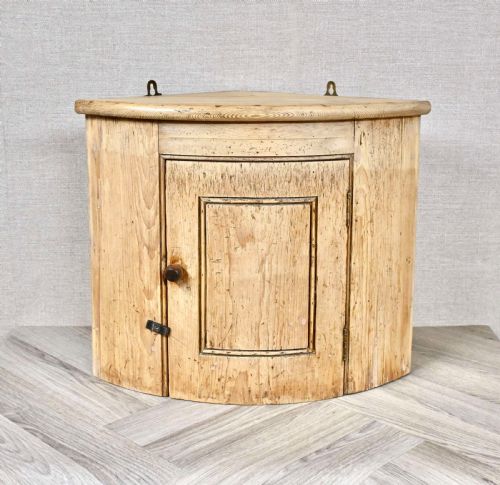
A vintage wall mounted cupboard is a hanging cabinet designed to utilise vertical wall space efficiently in domestic rooms.
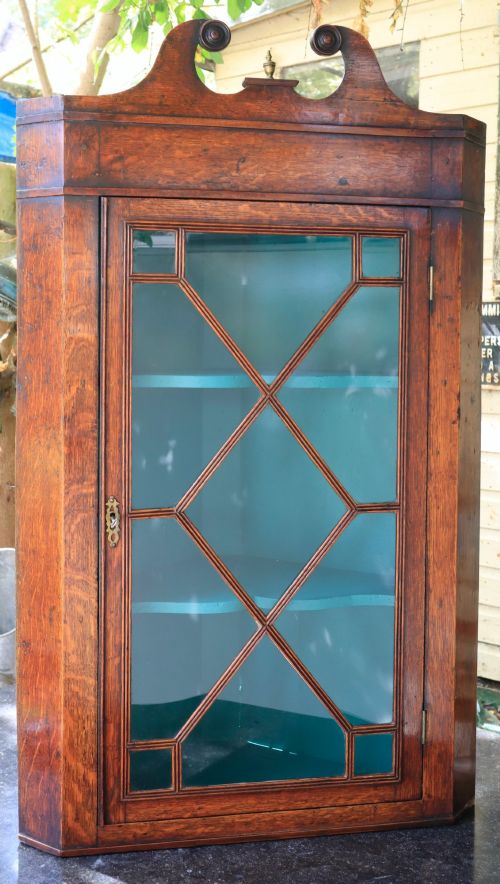
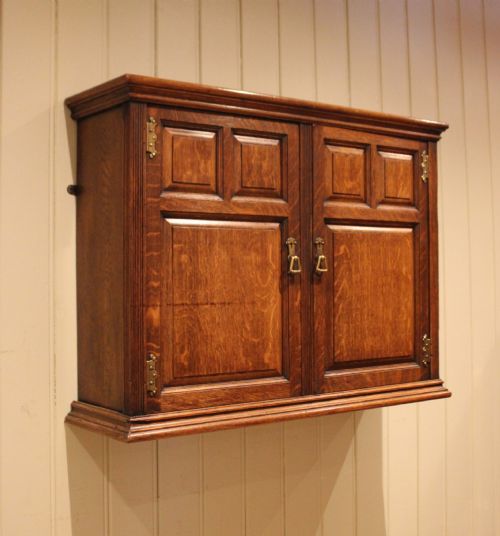
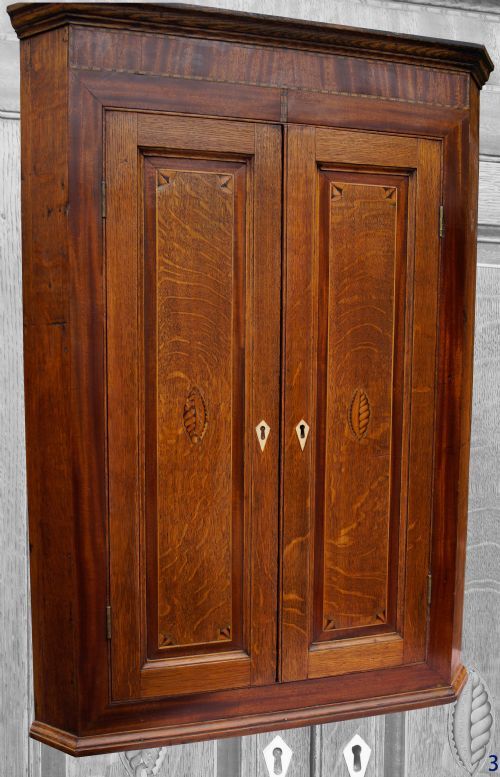
The selections span corner cabinets, flat wall cupboards, and key cabinets originating from the 18th century through to the Edwardian era.
Oak, mahogany, and pine form the primary structure of these hanging units, often featuring panelled doors or glass fronts for display.
Materials and construction
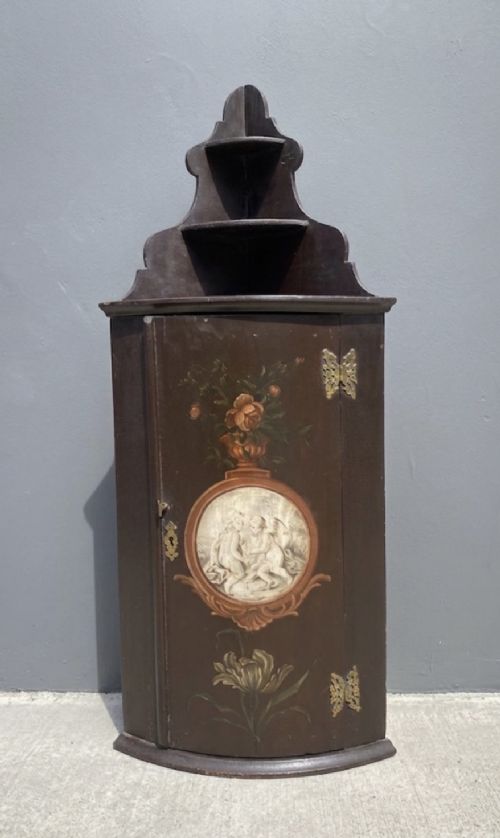
Carpenters utilised solid hardwoods such as oak and mahogany alongside utilitarian pine, often enhanced with painted surfaces or faux tortoiseshell finishes.
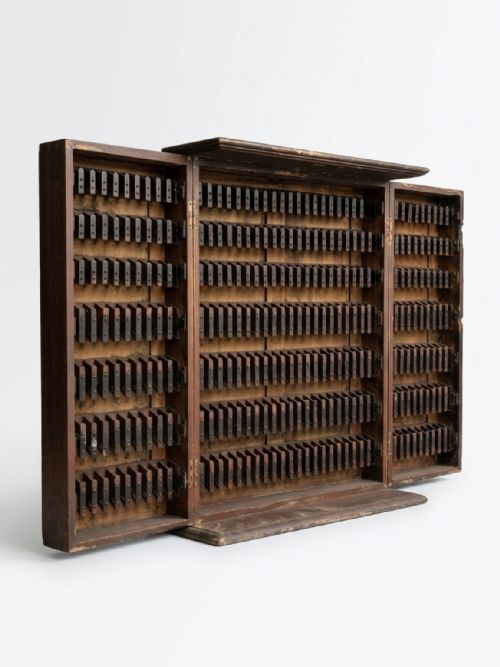
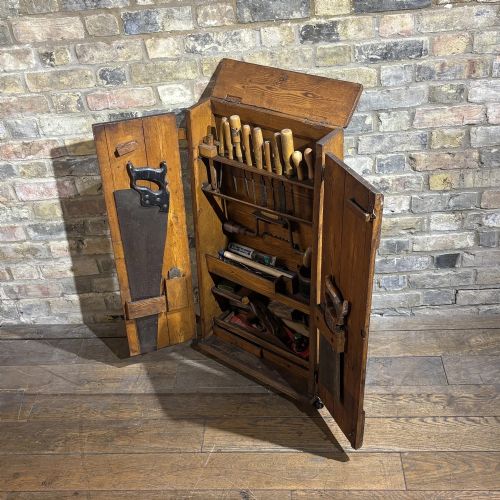
Construction methods include panelled doors, brass hardware, and specialised internal layouts like shelves, ticket slots, or descending drawers.
A night porter's lined key cupboard keeps order long after the guests have gone to bed.
Assessing quality and character
Superior examples display careful timber selection, such as figured flame mahogany or finely carved oak panels, rather than plain utility boards.
Original brass hinges, working locks with keys, and intact glass panes elevate a piece above standard utilitarian wall storage.
The Vintage Wall Mounted Cupboard Glossary
- Bow front
- A convex curved cabinet front popular in Georgian and later designs.
- Hanging cupboard
- A wall mounted storage unit designed to be fixed securely to domestic walls.
- Corner cabinet
- A triangular form specifically built to fit neatly into room angles.
- Faux tortoiseshell
- A decorative paint technique mimicking the mottled shell pattern.
Vintage Wall Mounted Cupboard: Frequently Asked Questions
How do I hang a heavy oak wall cupboard safely?
These timber cabinets require secure fixing directly into wall studs or masonry using appropriate weight-bearing brackets.
Ensuring the internal structure is sound before mounting protects both the antique and your walls.
What periods do these wall cabinets cover?
The available selection spans from the Georgian era through Victorian workshops and into Edwardian designs.
Construction details and timber choices typically indicate the specific period of manufacture.
Are corner cupboards practical for modern rooms?
Corner units turn neglected room angles into functional display or storage space without protruding into walkways.
Their compact footprints suit smaller kitchens, hallways, and living areas.
What is the difference between a display cabinet and a tool cabinet?
Display cabinets feature glass doors or open shelves intended for showing ceramics and ornaments.
Portable tool cabinets or key cupboards utilise solid wood doors and internal hooks or compartments for practical organisation.