





Vintage Upholstered Footstool
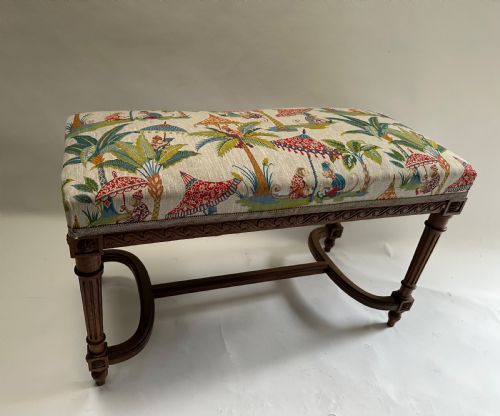
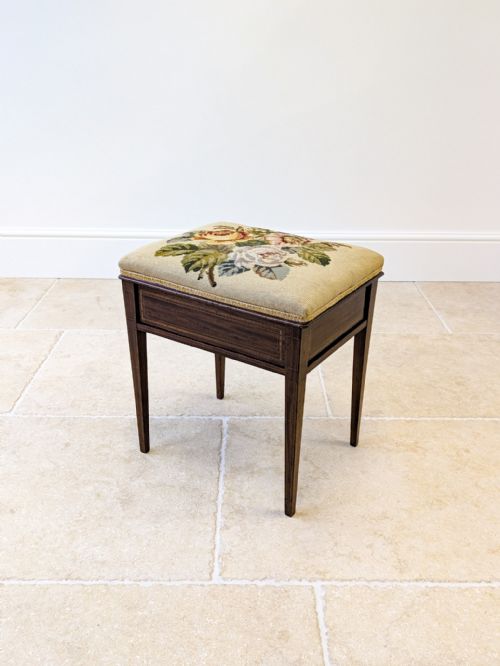
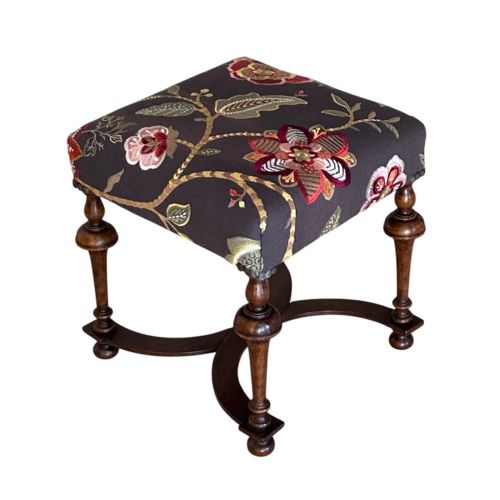
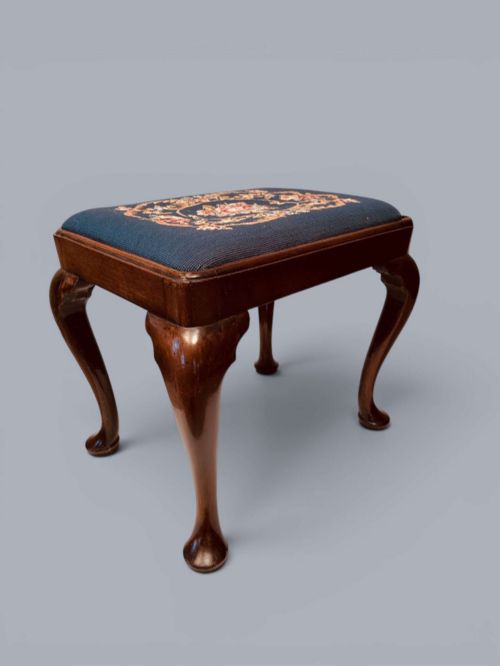
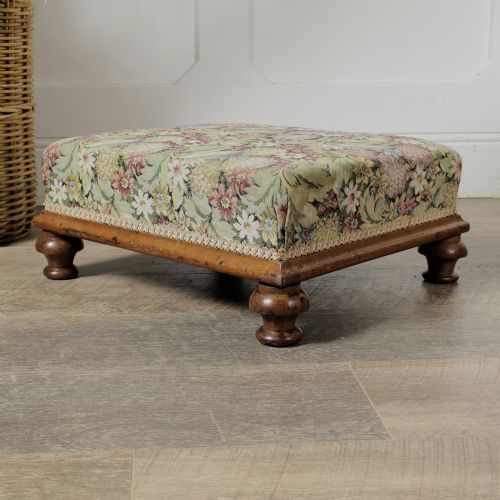
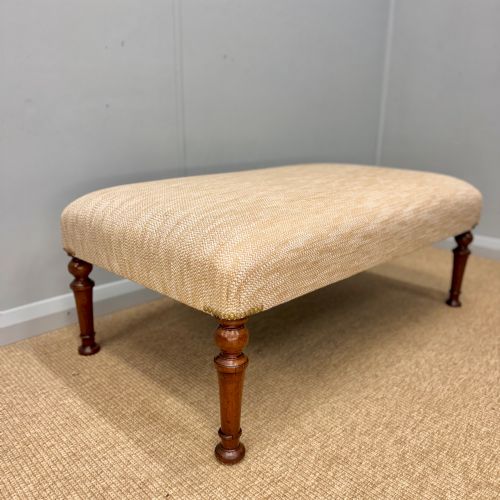
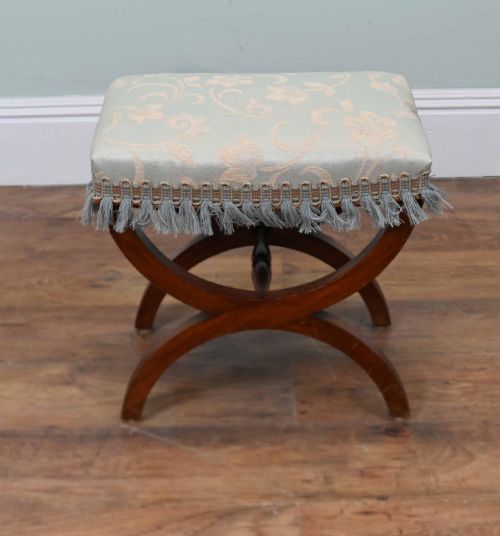
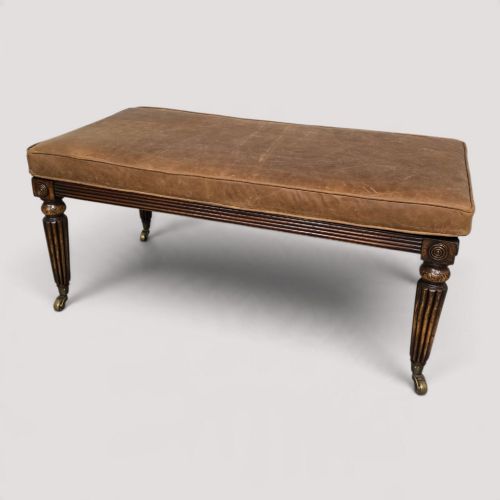
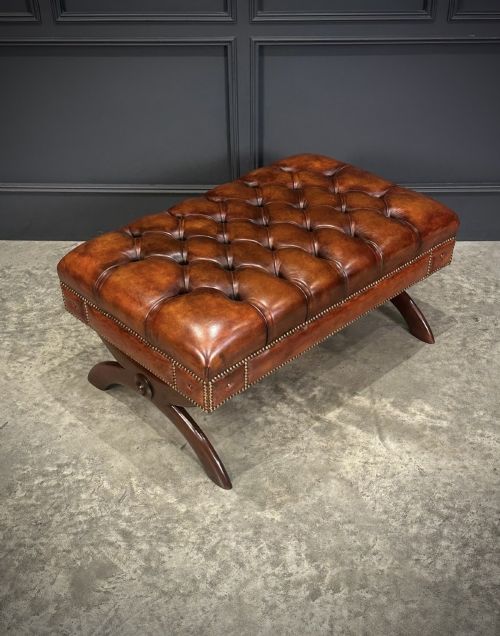
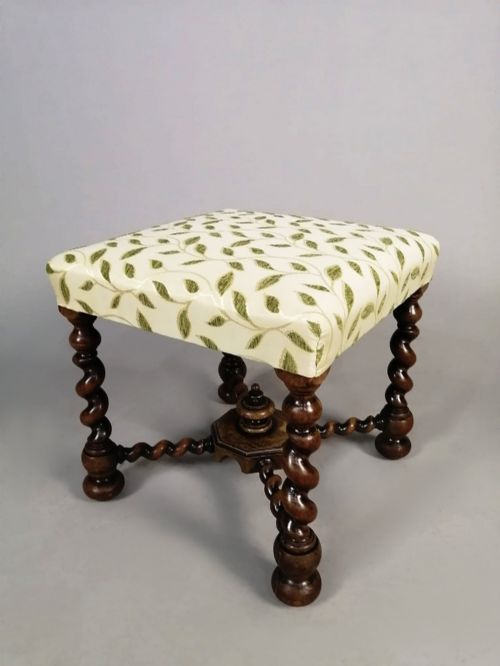
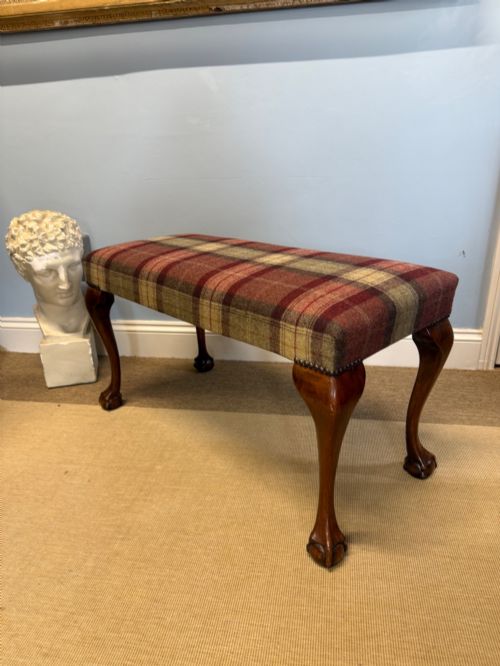
These vintage upholstered footstool examples bring period timber frames and tactile coverings together, offering a practical seat or rest for any room.
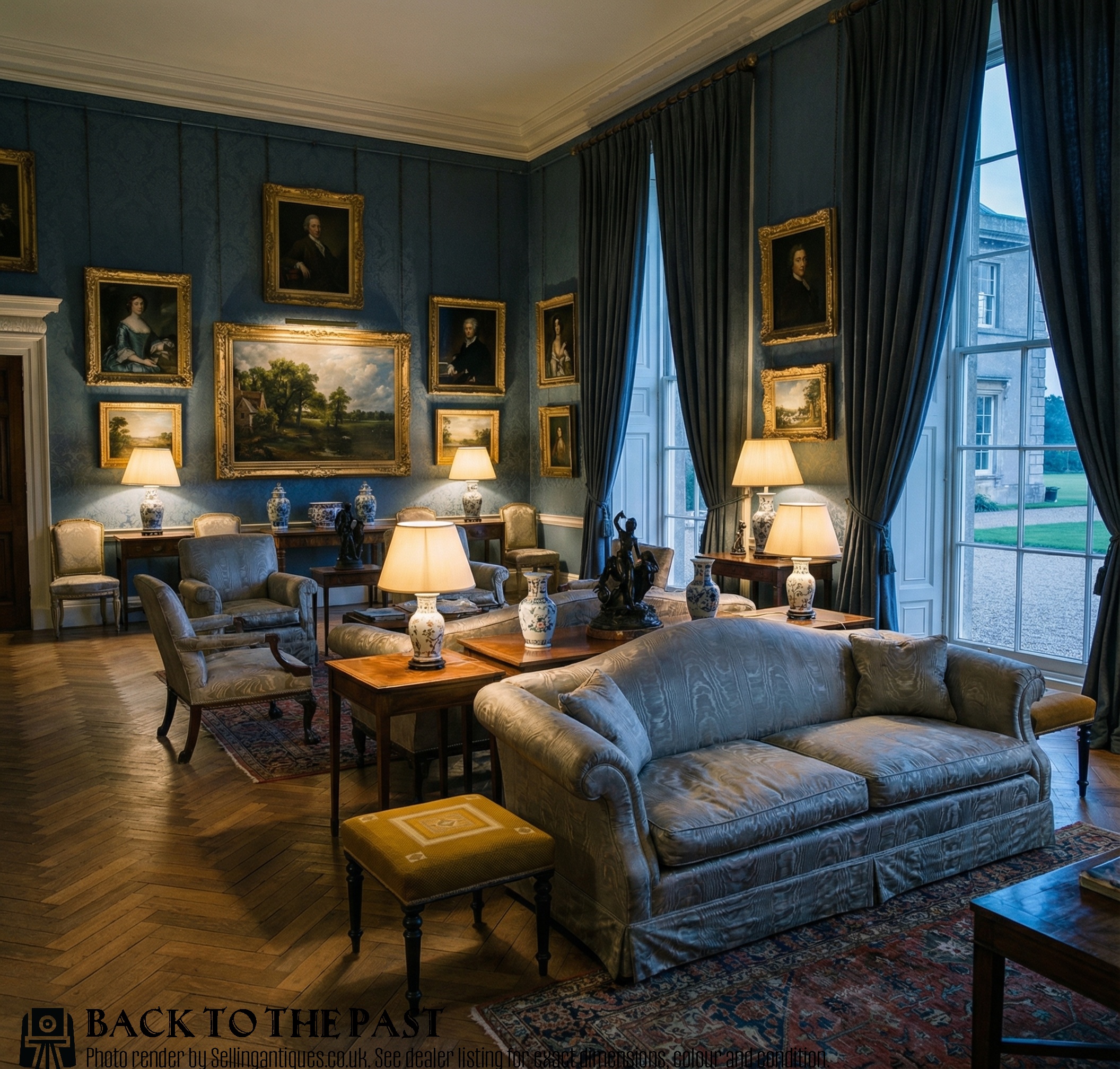
Vintage Upholstered Footstool
A vintage upholstered footstool combines a sturdy wooden frame with a soft textile or leather top, functioning as a footrest, dressing seat, or small bench. When searching for a vintage upholstered footstool, buyers encounter diverse forms ranging from compact Victorian walnut pieces to streamlined Art Deco designs.
The selection spans numerous decades and revivals, including Queen Anne style, Chippendale style, and Edwardian creations. Common variations include piano stools, low fireside rests, and larger ottomans designed for domestic comfort.
Origins vary widely across the inventory, featuring English, French, Swedish Gustavian, and Anglo-Indian workshops. Many pieces arrive newly recovered in traditional needlepoint, velvet, tapestry, or plain leather, ready for immediate placement in a sitting room or bedroom.
Materials and construction methods
Frames are constructed from dense hardwoods such as mahogany, walnut, rosewood, oak, and beech, often shaped with carved cabriole legs, cross stretchers, or gilt details. Joinery relies on traditional carpentry techniques appropriate to the period, ensuring long-term stability for the base.
Upholstery incorporates traditional textile coverings including wool, needlework, tapestry, and buttoned leather. Some items retain period stuffing, while others arrive freshly recovered over traditional webbing and spring foundations.
Vintage Upholstered Footstool Retail Price Guide 2026
Typical asking prices for vintage upholstered footstool among the pieces listed under this phrase on Sellingantiques today, from the lower quarter to the upper quarter. They describe what is for sale here now, not the wider market.
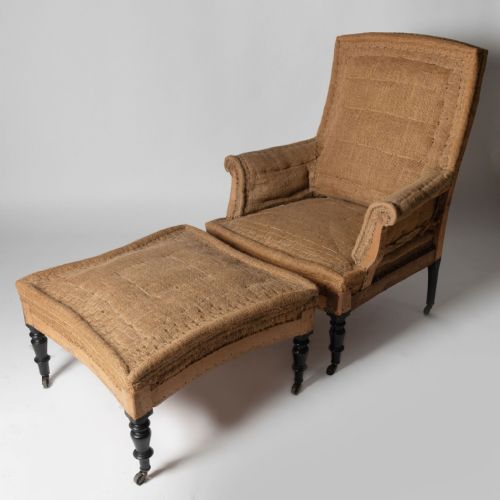
One unexpected Victorian piece arrives paired with an armchair, proving that even footstools appreciate good company.
Factors of quality and execution
The distinction between standard examples and the finest pieces rests upon the crispness of the wood carving and the choice of primary timber. Richly figured burr walnut, finely turned spiral legs, and substantial mahogany frames elevate a piece above simpler pine or beech alternatives.
Execution of the upholstery and the fidelity of revival styles also determine standing. Superior items display meticulous needlepoint work, hand-stitched detailing, or quality leather properly fitted to frames that reflect specific design eras like the Victorian or Regency periods.
Howard & Sons
The Vintage Upholstered Footstool Glossary
- Cabriole leg
- A furniture leg that curves out and then narrows inward, commonly found on Victorian and Queen Anne style stools. This form imitates the shape of an animal's leg.
- Cross stretcher
- Wooden bars connecting the lower legs of a stool for added stability. They often feature central turnings or decorative carvings.
- Needlepoint
- A type of counted thread embroidery stitched onto canvas, frequently used to cover Victorian and Edwardian footstools. It provides a durable and decorative textured surface.
- Ottoman
- A low upholstered seat or footstool without a back or arms. Larger versions often double as small benches or dressing furniture.
- Gilt
- A thin layer of gold leaf applied to wooden frames or carved details. This finish adds brightness and ornamental contrast to walnut or oak structures.
Vintage Upholstered Footstool: Frequently Asked Questions
What periods do these footstools come from?
The inventory spans the nineteenth and twentieth centuries, encompassing Victorian, Edwardian, and Art Deco eras alongside earlier revival styles. Pieces reflect the prevailing cabinet-making trends of their respective decades.
Buyers find everything from mid-nineteenth-century walnut frames to 1930s leather designs, each bearing the characteristic construction methods of its time.
How were these stools originally used?
These pieces served multiple domestic functions, acting primarily as footrests beside firesides or as low seats for dressing tables. Piano stools provided adjustable or stationary seating for musicians.
Larger ottoman variants and window seats offered auxiliary seating in formal rooms and bedrooms, combining decorative woodwork with practical upholstered comfort.
How do I care for antique upholstery and wood?
Preserving these items involves keeping wooden frames away from direct heat sources and applying appropriate wax polish to nourish timber like mahogany and walnut. Leather requires gentle conditioning to prevent drying.
Upholstery benefits from regular light vacuuming with a soft brush attachment to remove dust without damaging delicate needlepoint, wool, or tapestry fabrics.
Are these footstools ready for daily use?
Many listings feature newly upholstered surfaces or sound historical coverings suited to everyday domestic life. Solid hardwood frames provide robust support for resting feet or sitting.
Certain items are sold ready for custom upholstery, allowing buyers to select a fabric that matches their specific interior design scheme.