
Antique Footrest
An antique footrest offers a quiet utility, bringing period warmth to firesides and dressing rooms through small-scale seating.
Antique Footrest
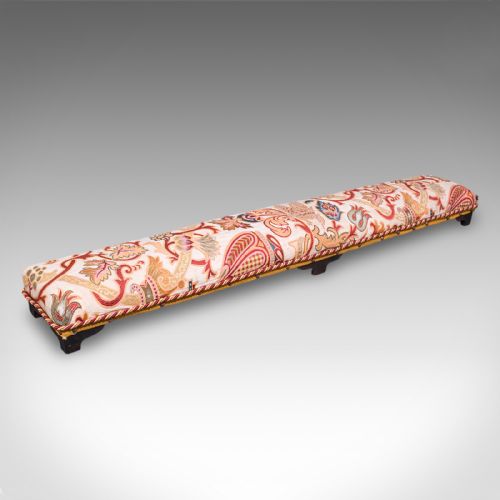
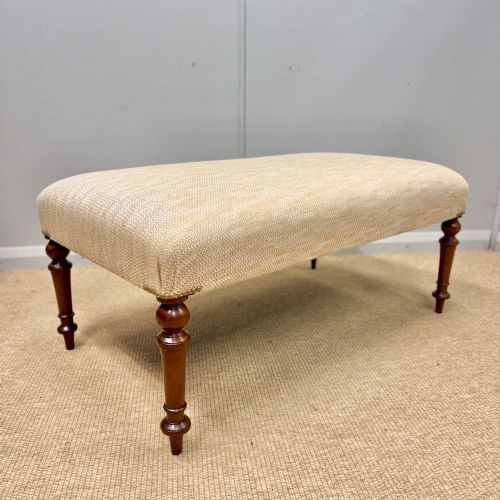
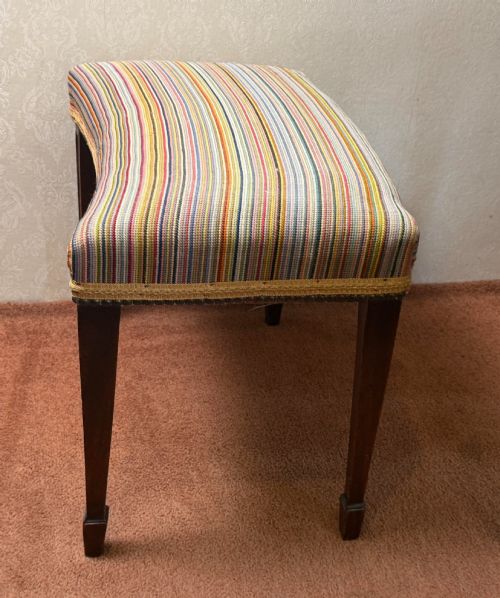
When you search for an antique footrest, you encounter a varied selection of low stools, fender stools, and carriage benches designed to elevate the feet or serve as compact seating. The material evidence shows these pieces appearing across the 18th, 19th, and early 20th centuries, spanning periods from Regency to Art Deco.
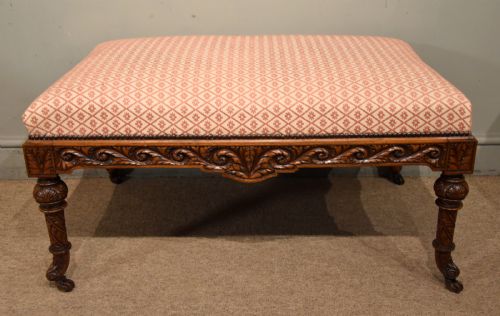
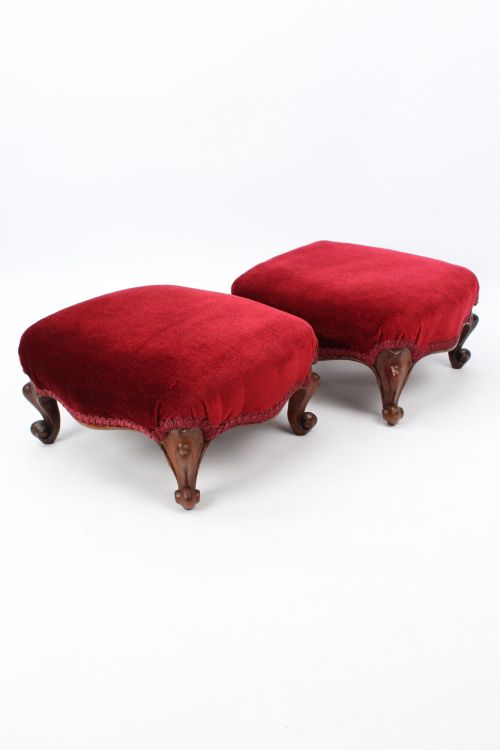
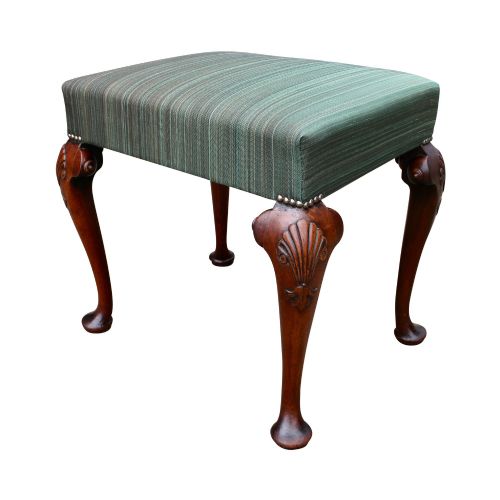
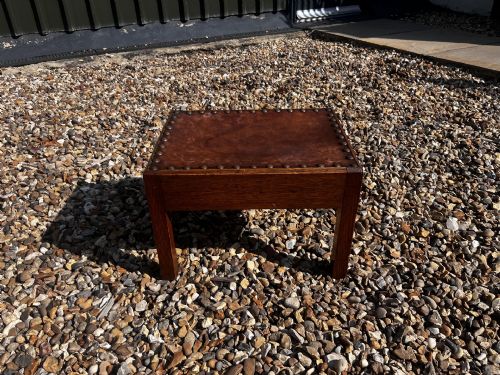
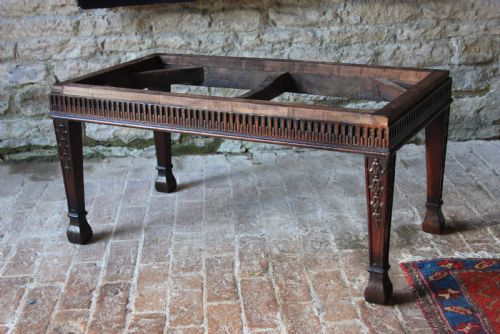
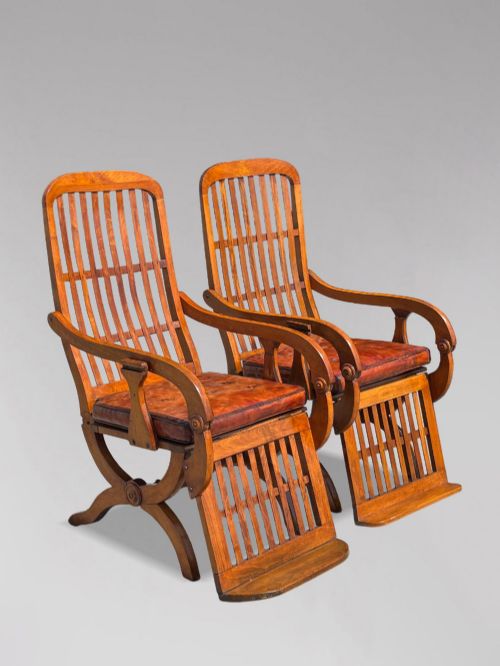
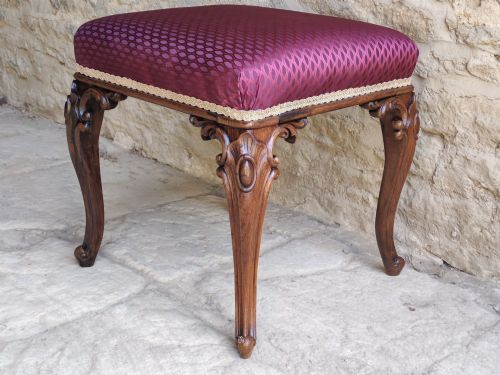
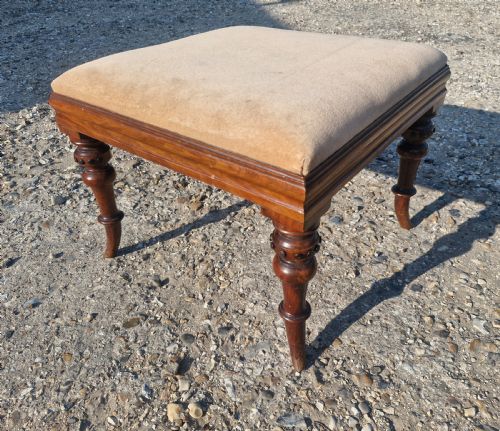
The most common examples on this page belong to the Victorian and Edwardian eras, often framed in walnut, mahogany, or rosewood. Forms range from simple low fireside blocks to elaborately carved dressing stools and adjustable gout stools set on brass castors.
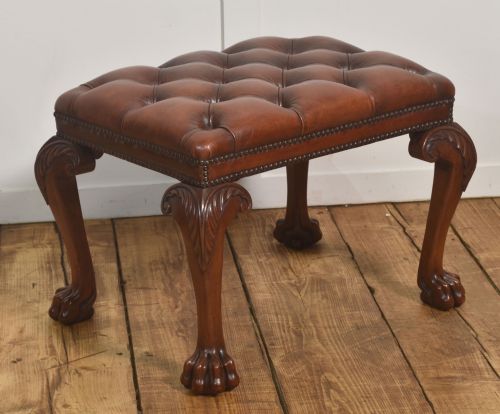
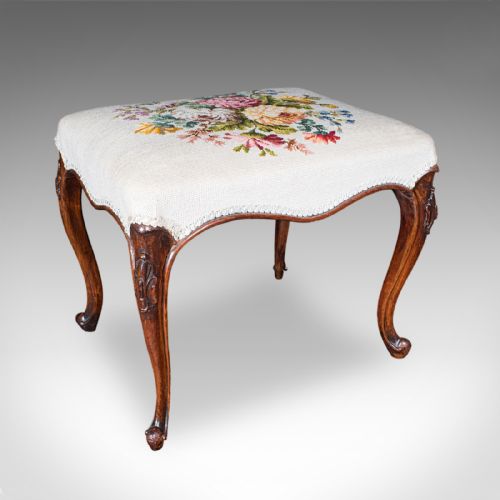
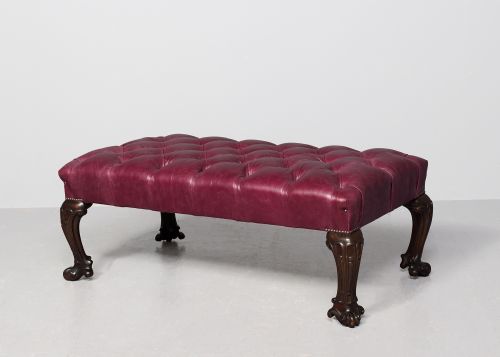
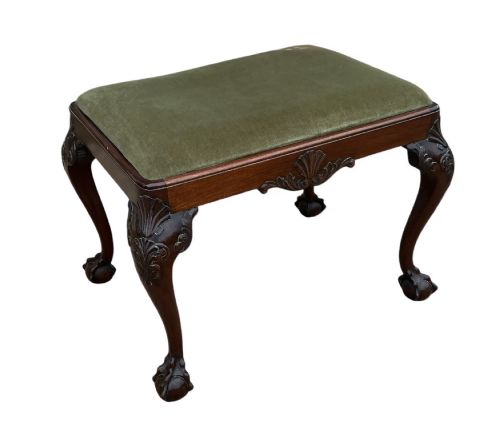
Stylistic influences draw heavily on earlier revivals, including Queen Anne, Chippendale, and Louis XV designs. Pieces emerge as oblong footstools, long carriage stools, and occasional low benches upholstered in needlepoint, leather, or heavy linen.
Materials and Technique
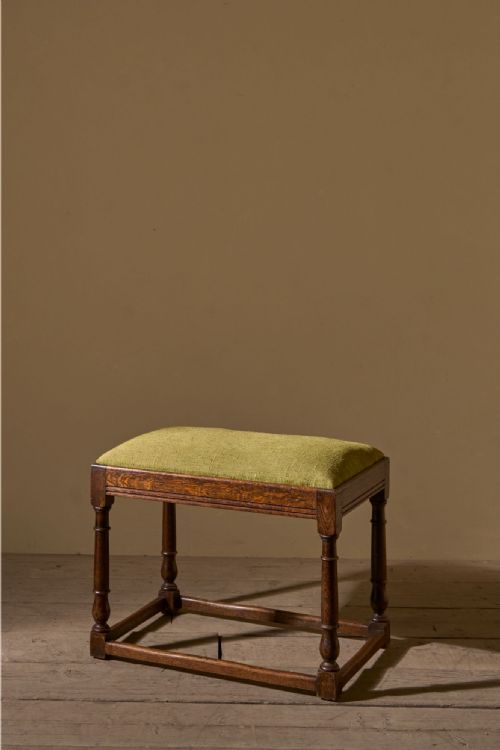
Timbers selected for frames rely predominantly on dense hardwoods such as mahogany, walnut, and rosewood, alongside occasional oak, pitch pine, and beech. Joinery techniques employ traditional turned legs, cabriole supports, and carved detailing that reflect the prevailing style of the period.
Upholstery forms a central component of construction, utilising needlepoint, crewel work, wool textiles, and leather secured over supportive webbing and stuffing. Brass fittings such as castors and hinges appear frequently on mobility pieces and metamorphic gout stools.
Judging Quality
Quality rests in the crispness of the timber carving and the integrity of the frame construction rather than mere decorative flourish. Superior examples display thoughtful proportions, solid hardwood framing that remains rigid, and timber with rich, natural grain depth.
The standard of upholstery and needlework greatly influences the standing of a piece. Original textiles in preserved condition or skilled period-appropriate re-upholstery distinguish finer showroom examples from utilitarian workshop output.
Arthur Simpson Of Kendal·Omersa For Liberty·Loidrault Freres Paris
The Antique Footrest Glossary
- Fender stool
- A long, narrow footrest designed to sit in front of a hearth fireplace. These pieces often feature needlepoint upholstery and low wooden frames.
- Gout stool
- An adjustable metamorphic footrest engineered to support legs affected by medical discomfort. They frequently incorporate tilting mechanisms and padded rests.
- Needlepoint
- A form of counted thread embroidery traditionally worked on canvas. It provides the durable, patterned surface seen on many period fireside stools.
- Carriage stool
- A long, low bench form adapted for use during travel or within confined spaces. Walnut and mahogany examples appear commonly in nineteenth-century inventories.
- Cabriole leg
- A furniture leg that curves outward and then tapers inward, finishing in a pad or foot. This stylistic feature originates from classical furniture design and recurs frequently in revival pieces.
Antique Footrest: Frequently Asked Questions
How were antique footrests used?
These pieces served multiple domestic functions, primarily keeping feet elevated away from cold draughty floors near fireplaces. They also functioned as low dressing seats, carriage benches, and specialised supports for health needs.
In period interiors, they occupied spaces beside armchairs, at the foot of beds, or placed lengthways along hearth fenders. Their modest scale allowed them to move easily around the room as needed.
How do I tell Victorian footrests apart?
Victorian examples generally show heavier proportions and darker timbers like walnut and rosewood compared to lighter 18th-century mahogany pieces. Stylistic markers include deep buttoning, elaborate needlepoint covers, and carved cabriole or bobbin legs.
Early Victorian pieces often retain simpler rectangular forms, while later Victorian production leans into revivalism, incorporating bolder carvings and brass castors for mobility.
Are original needlepoint covers common?
Needlepoint and wool textile covers survive on numerous period examples, though many pieces undergo reupholstery over time. Examining the underside reveals whether webbing and stuffing retain age-appropriate materials.
Collectors often value pieces retaining intact period tapestry work, provided the fabric remains stable and clean enough for domestic placement.
How do I live with an antique footrest?
Integrating these low stools into modern rooms works well beside contemporary sofas or low lounge chairs. Their compact footprint makes them versatile as occasional seats or prop tables with a tray placed on top.
Maintenance requires standard care for antique timber and textiles, avoiding direct sunlight to protect dyed wools and maintaining stable indoor humidity for solid wood frames.