





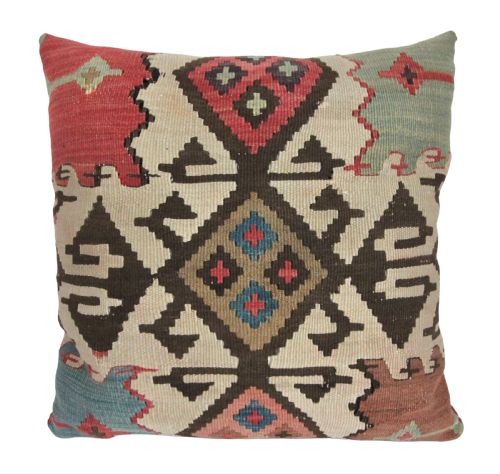
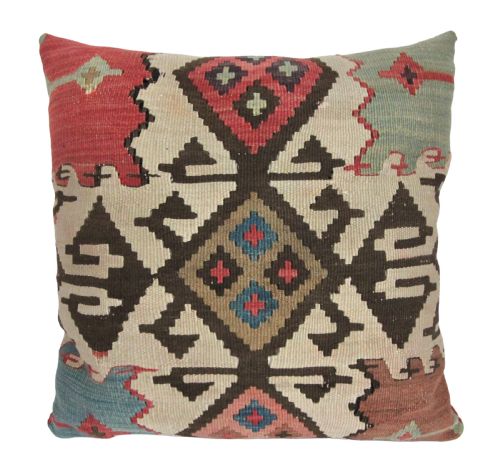


Vintage Turkish Kilim Cushion
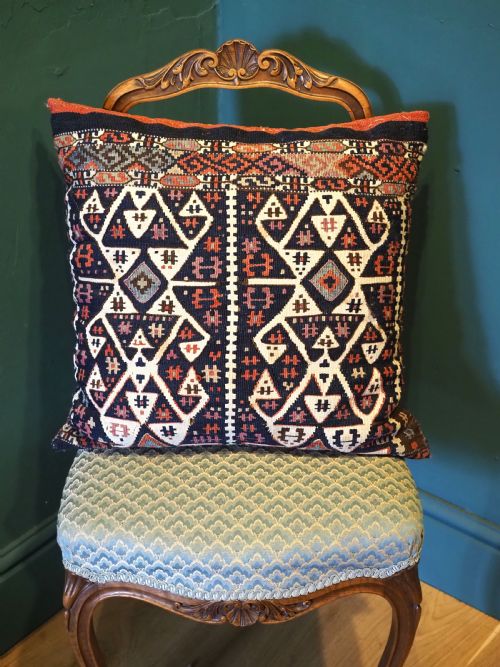
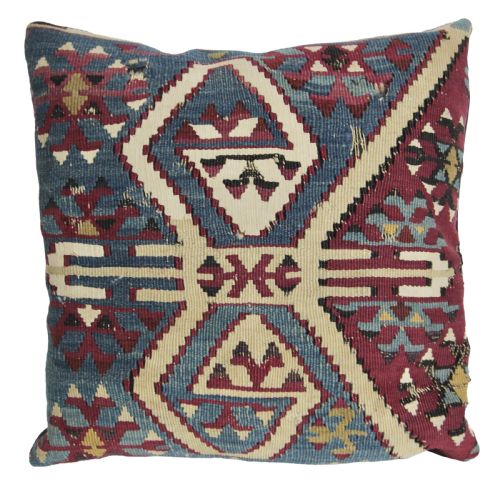
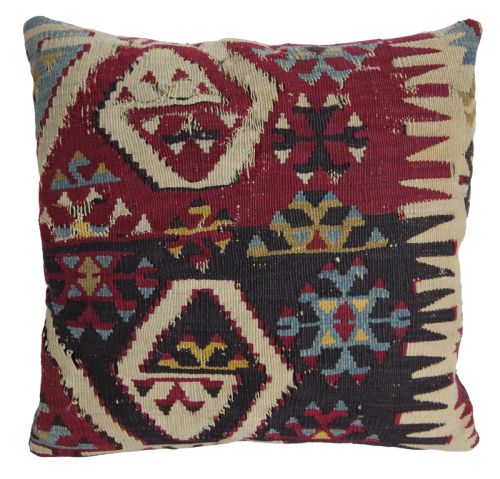
These vintage turkish kilim cushion pieces are hand-woven flatweave textiles that bring rich tribal warmth and texture into a room.
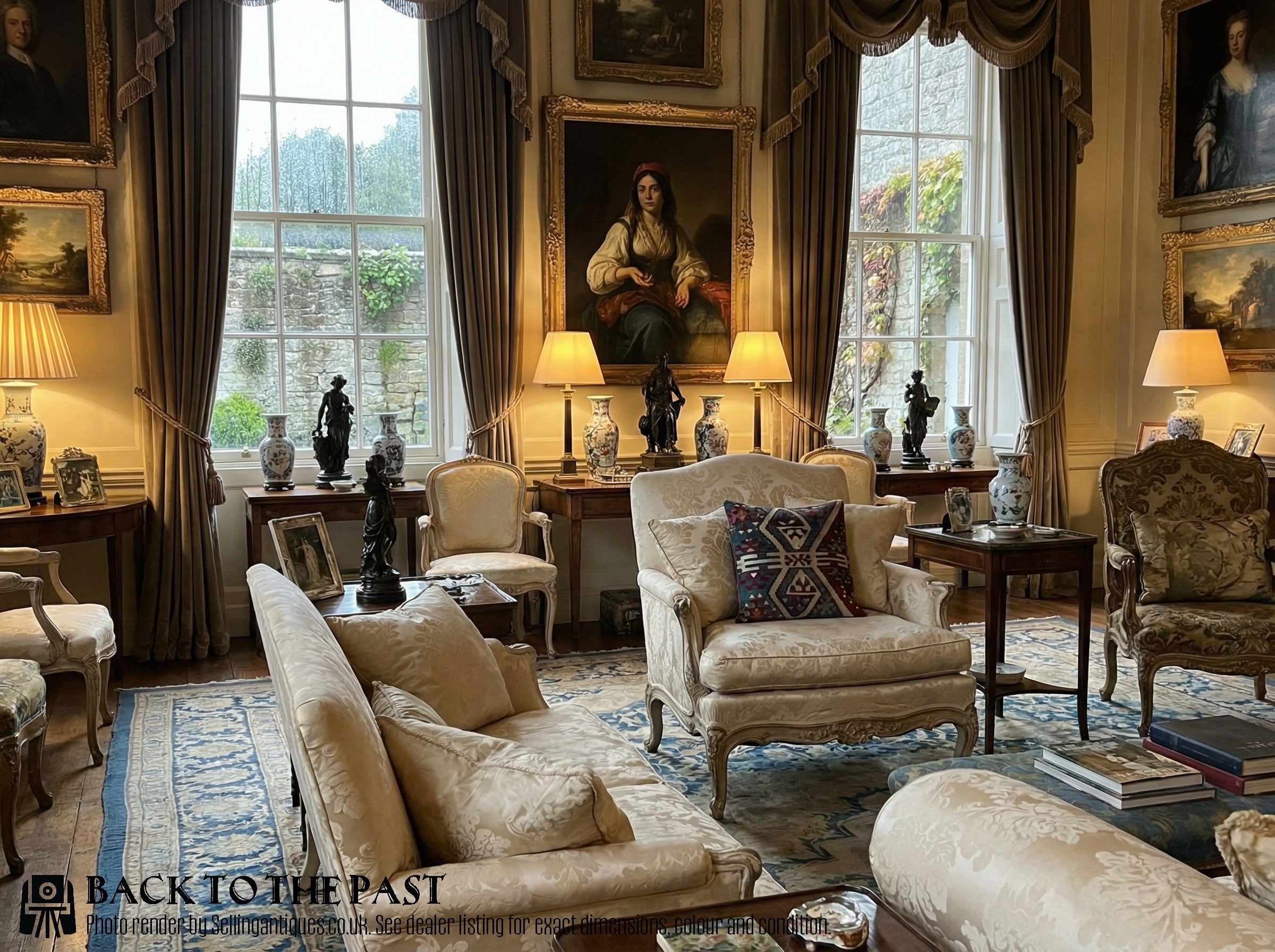
Vintage Turkish Kilim Cushion
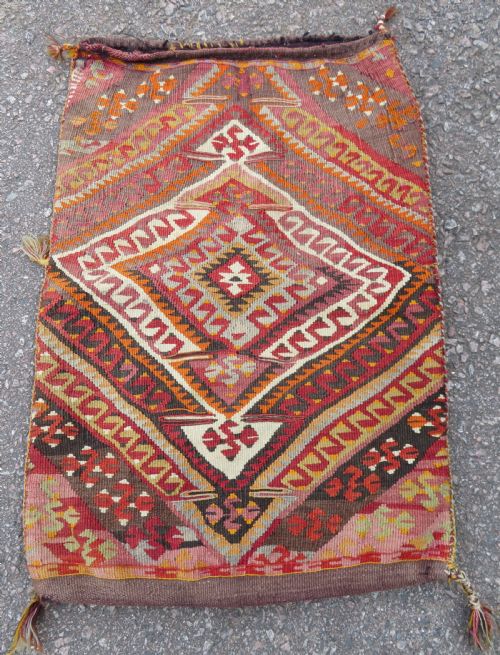
When you search for a vintage turkish kilim cushion, you are looking at flatwoven textile pieces formed from antique rugs, saddle bags, and bag faces. These soft furnishings adapt traditional nomadic textiles into accessible home accessories for modern seating.
The versions you are most likely to meet on this page originate from Anatolian tribal workshops and nomadic traditions. They span specific historic periods, notably items dated across the middle and late nineteenth century up to the early twentieth century.
Makers constructed these functional items from repurposed tribal weavings, turning structural elements like Kurdish juvals and Malatya saddle bags into decorative cushions and throw pillows.
How they were made
Artisans produced these flatweave textiles using traditional hand-woven techniques without a pile. The makers relied upon interlocking weft threads to create sharp geometric patterns and motifs.
The primary materials recorded in these pieces are wool and cotton, utilised to provide both structural durability and textural depth. Natural animal fibres give the surface its characteristic dry handle and resilience.
Some cushions still retain the fierce spirit of nineteenth-century pack animals through repurposed saddle bag faces.
What varies in quality
The distinction between tiers of quality rests upon the integrity of the original flatweave and the subtlety of the wool dye work. Pieces retaining crisp tribal motifs and tight, even hand-weaving occupy the upper end of the range.
Condition and the historical character of the source textile, such as an early Malatya bag face or a Kurdish juval, dictate the aesthetic success of the finished cushion. The skill involved in preserving the historic textile during conversion shapes the final piece.
The Vintage Turkish Kilim Cushion Glossary
- Kilim
- A flatwoven carpet or rug made in countries of the former Ottoman Empire, Persia and Central Asia. These textiles lack a pile and rely on visible weft threads.
- Juval
- A large face-woven storage bag produced by nomadic and tribal groups. Collectors prize them for their dense, traditional patterning.
- Anatolian
- Pertaining to the region of Asia Minor that forms the bulk of modern Turkey. This geographic descriptor covers diverse tribal weaving traditions.
- Saddle bag
- A paired utilitarian pouch carried by pack animals, often featuring distinct geometric designs. Artisans frequently repurpose these durable panels into cushions.
Vintage Turkish Kilim Cushion: Frequently Asked Questions
What is a kilim cushion?
A kilim cushion is a soft furnishing made by repurposing flatwoven nomadic and tribal textiles into pillow forms. These items utilise authentic woven panels rather than newly printed fabrics.
They bring historical texture and geometric pattern directly into interior spaces while preserving ancient weaving traditions.
How do I care for these cushions?
These antique wool and cotton items require gentle treatment to preserve their historic fibres. Professional specialist cleaning is recommended to protect the natural dyes and hand-woven structure.
Avoid direct prolonged sunlight to prevent fading of the traditional wool colours over time.
Where do these textiles come from?
The pieces originate from traditional weaving centres and nomadic groups in Anatolia. Tribal makers produced the original flatweaves for practical household or transport use.
Later artisans or modern handlers convert these durable antique bag faces and rug fragments into usable cushions.
How are periods identified?
Dating relies on examining the specific wool types, dye methods, and tribal motifs characteristic of nineteenth and early twentieth-century weaving. Structural clues within the flatweave indicate the likely era of production.
Comparative analysis with documented nomadic textiles helps establish the approximate age of the source material.