




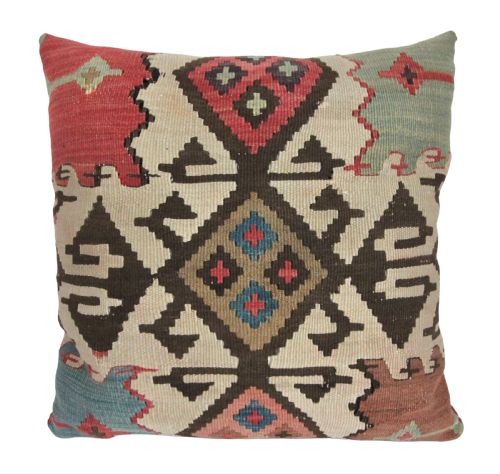
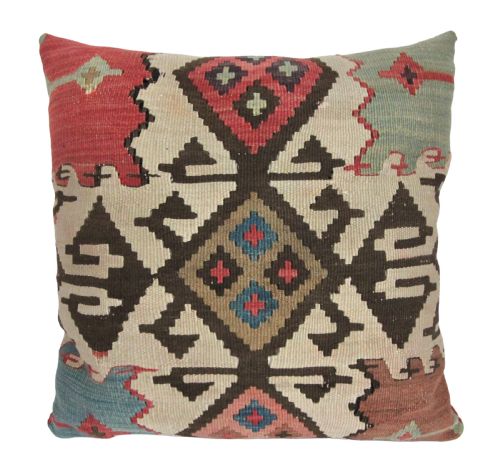


Traditional Woven Wool Cushion
These traditional woven wool cushion pieces are authentic tribal bag faces and flatweaves repurposed for the home.
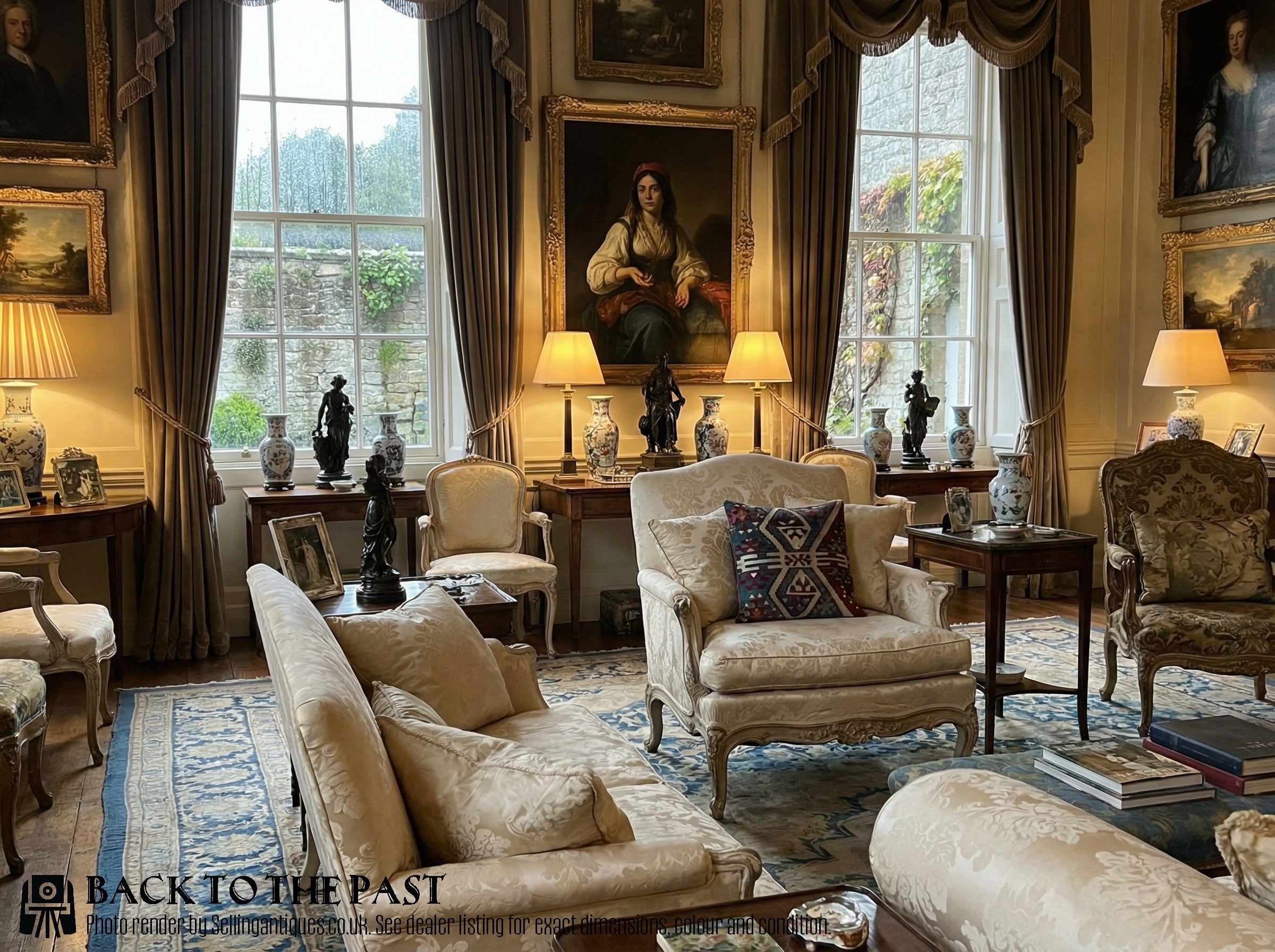
Traditional Woven Wool Cushion
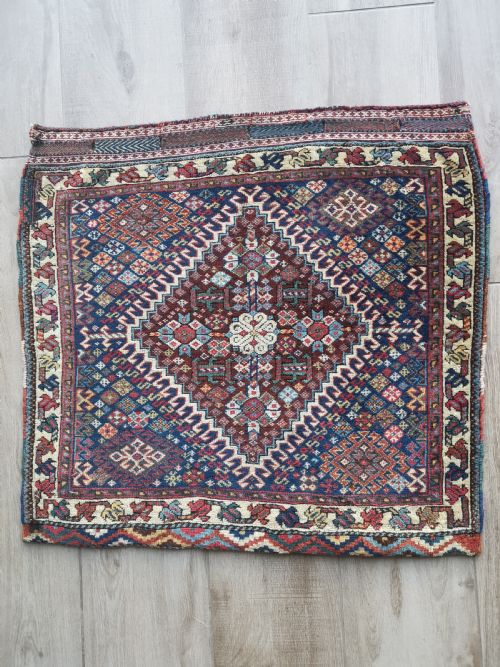
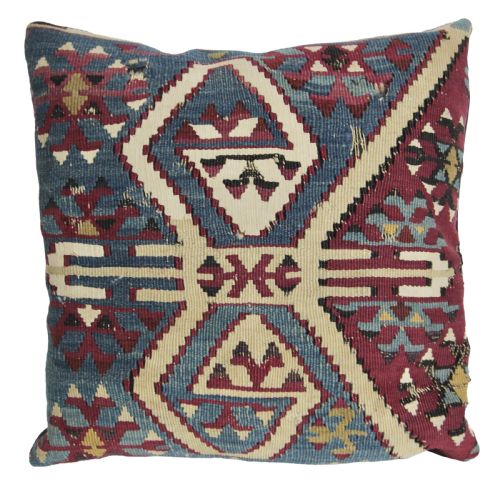
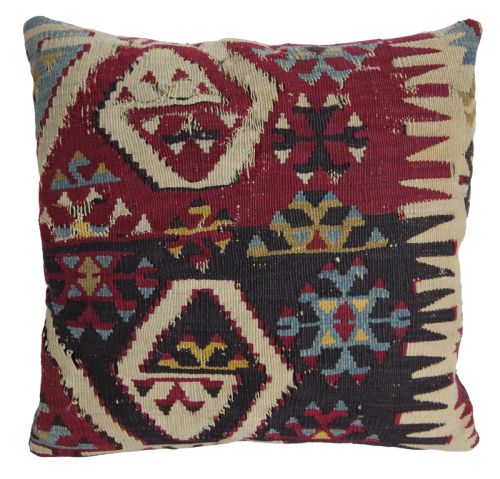
When you search for a traditional woven wool cushion, you encounter authentic remnants of tribal textile heritage repurposed into soft furnishings. The most common forms on this page are antique kilim cushions and repurposed bag faces originating from nomadic and village workshops.
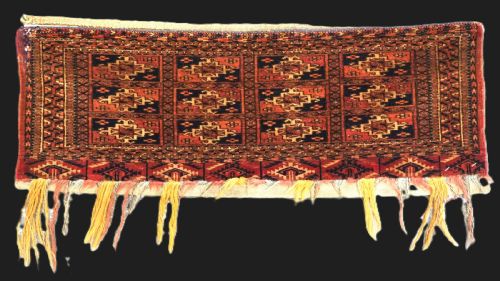
These items draw upon nineteenth-century traditions across Persia, Anatolia, and Central Asia, utilising genuine tribal weavings such as Qashqai, Tekke Turkmen, and Yomut torbas. Each piece preserves the structural integrity and flatweave technique of historical saddle bags and storage sacks.
The selection ranges from small Anatolian fragments to substantial Khamseh and Bakhtiari bag faces finished as throw cushions. They bridge nomadic utilitarian craft and contemporary interior decoration without losing their historical character.
Materials and construction methods
The foundation of every traditional woven wool cushion lies in handspun wool, selected for resilience and dyed using natural colour sources. Artisans employed flatweave and pile techniques, creating durable textile surfaces intended originally for nomadic transit and storage.
Weavers utilised traditional wooden looms to construct tight warp and weft structures, frequently incorporating cotton for structural support in specific regional formats. The resulting fabric withstands daily use while maintaining the intricate geometric motifs characteristic of tribal groups.
Materials recorded across current listings are strictly wool, cotton, and natural dyes utilised within traditional flatweaves.
Factors determining quality
Quality in a traditional woven wool cushion rests upon the tightness of the weave, the clarity of the tribal motifs, and the integrity of the natural dyes. Denser knotting and firmer flatweave structures indicate superior craftsmanship during production on the loom.
The preservation of the original bag face layout and the condition of the wool pile directly influence the character of the finished cushion. Pieces retaining complete borders and balanced botanical or geometric compositions demonstrate higher artisanal skill.
The Traditional Woven Wool Cushion Glossary
- Kilim
- A flatwoven textile produced by tightly interweaving warp and weft strands without creating a pile. This technique produces a lightweight, durable fabric suited for floor coverings and decorative cushions.
- Torba
- A small Turkmen storage bag traditionally hung inside a nomadic tent. These decorative pieces feature distinct primary guls and geometric border patterns.
- Bag face
- The decorative front panel of a nomadic storage sack or saddle bag. These sections preserve the finest weaving and are frequently adapted into modern throw cushions.
- Warp
- The vertical threads stretched stationary on a loom before weaving begins. They form the structural foundation that supports the entire textile.
- Weft
- The horizontal threads passed alternately over and under the warp threads to build the pattern. Natural dyes are most visible across these coloured wool strands.
Traditional Woven Wool Cushion: Frequently Asked Questions
How were these cushions used originally?
Nomadic groups utilised these textiles as functional storage bags, saddle bags, and tent furnishings for daily migration and domestic organisation.
Over generations, surviving panels from these utilitarian items are repurposed into decorative cushions for contemporary interiors.
Are these cushions made from old textiles?
The selection consists of authentic nineteenth-century and early twentieth-century tribal weavings adapted into soft furnishings.
Original bag faces and kilim fragments are carefully backed and stuffed to function as cushions while preserving their historical textiles.
How do I care for a wool cushion?
Maintain the wool pile and natural dyes by gentle surface cleaning and avoiding prolonged direct sunlight. Professional textile cleaning is recommended for antique wool items.
Regular airing helps preserve the natural lanolin within the historic fibres.
How do I identify tribal origins?
Distinctive geometric motifs, colour palettes, and weaving structures reveal the specific regional group, such as Qashqai, Yomut, or Bakhtiari. Each tribal tradition employed unique design vocabularies passed down through generations of makers.
Comparing border patterns and wool preparation aids in determining the exact provenance.