


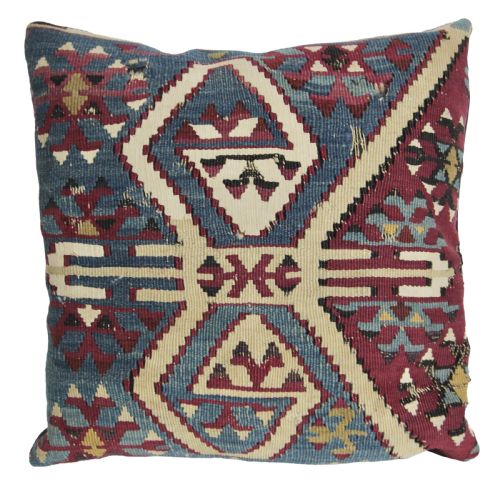

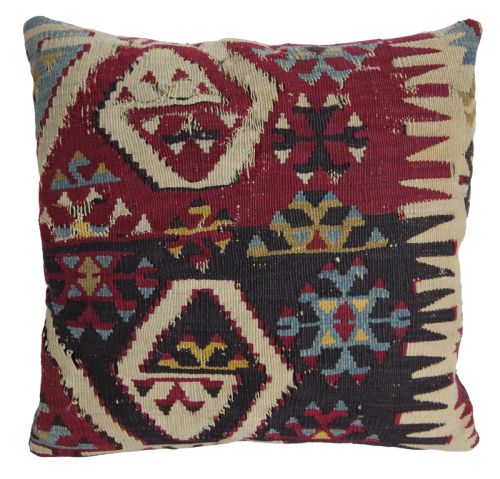


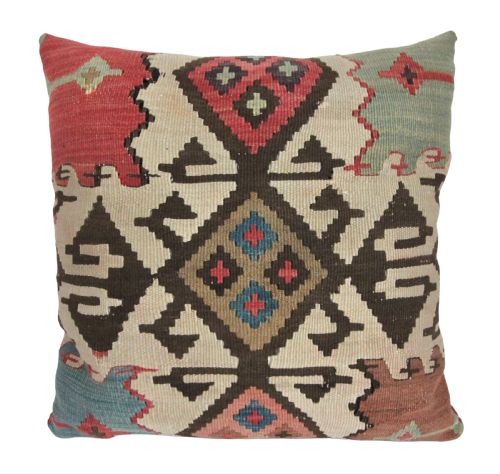
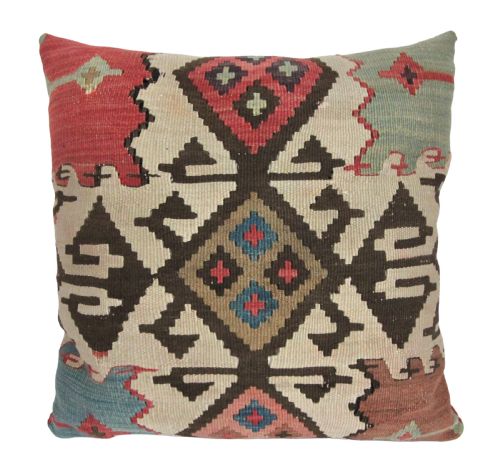


Vintage Tribal Scatter Pillow
These vintage tribal scatter pillow selections bring authentic nomadic textures and rich historical textile fragments into contemporary interiors.
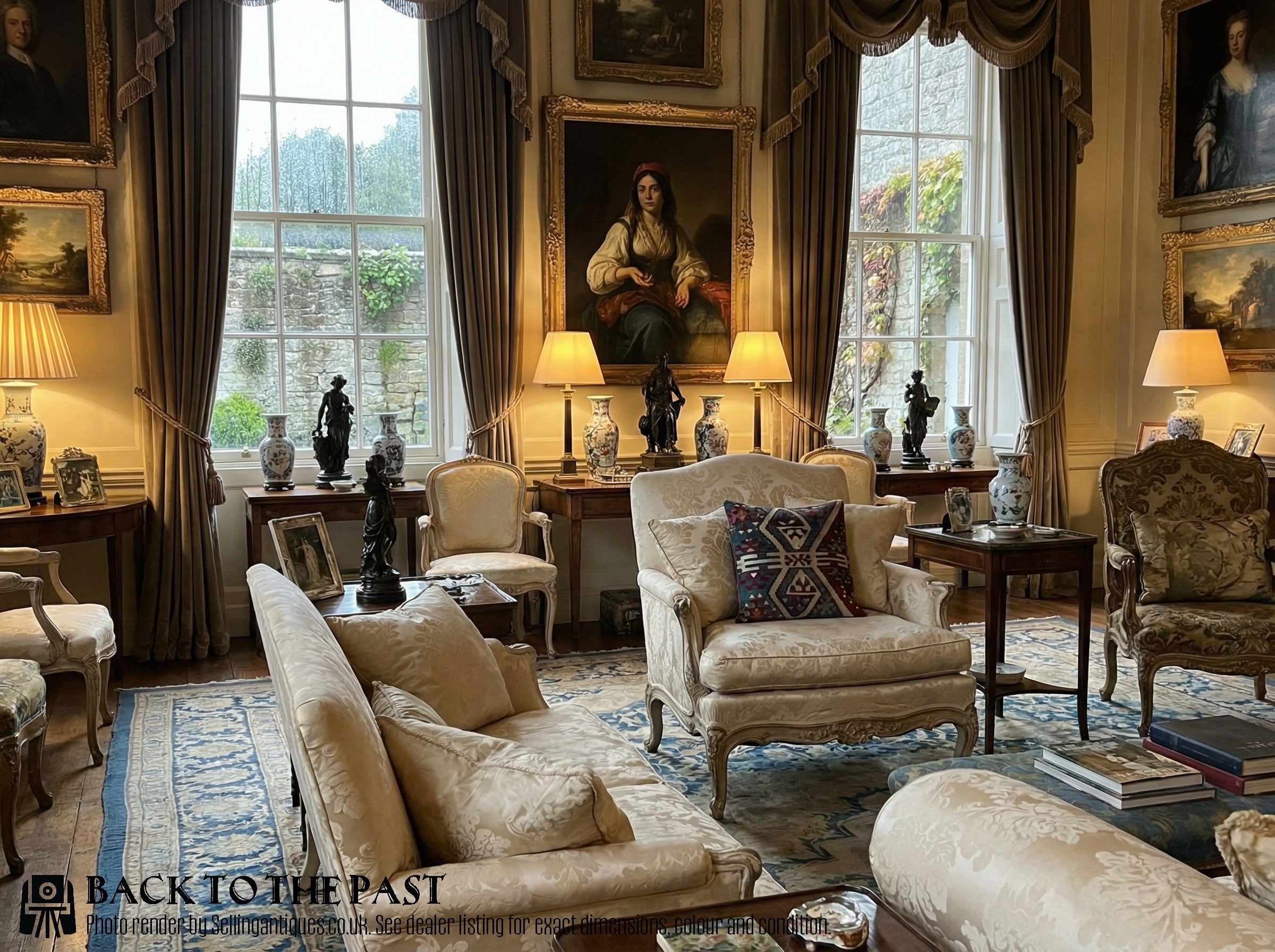
Vintage Tribal Scatter Pillow
A vintage tribal scatter pillow repurposes older woven fragments, kilims, and rug panels into functional soft furnishings for modern homes. You will frequently encounter kilim cushions alongside examples fashioned from bag faces and Baluch rug fragments dating back through the nineteenth and early twentieth centuries.
The objects listed here span several distinct stylistic traditions including Anatolian and Persian tribal aesthetics. These pieces transform nomadic utility items into decorative cushions and throw cushions that anchor a room with deep cultural history.
Many of these textiles originate from traditional nomadic and tribal weaving practices rather than fixed urban workshops. The resulting cushions display the varied geometric patterns and regional colour palettes characteristic of nineteenth-century and early twentieth-century Anatolian and Persian craft.
Materials and construction methods
These pieces rely primarily on wool and cotton fibres spun and dyed by hand before being woven into dense flatweaves and pile rugs. Artisans utilised durable natural materials capable of withstanding decades of nomadic daily use before the surviving panels were later made up into cushions.
Hand-woven construction defines the underlying textile portions of these items, showcasing traditional techniques passed down through generations. The surviving bag faces and rug fragments demonstrate the tight knotting and flatweave structures typical of historical tribal workshops.
Nomadic weavers frequently incorporated subtle irregularities into their repeating patterns, believing absolute perfection belonged solely to the divine.
Assessing quality and character
Quality in these textiles rests upon the integrity of the original weave, the tightness of the wool, and the depth of the natural dyes. Stronger structural foundations and more complex geometric designs distinguish the finer examples from simpler work.
The survival state of the textile fragment dictates its appeal, with well-preserved pile and crisp flatweave patterns representing the higher end of the range. Variations in wool quality and the precision of the hand-woven motifs naturally influence the character of each finished cushion.
The Vintage Tribal Scatter Pillow Glossary
- Kilim
- A flatwoven carpet or rug produced without a pile, frequently utilised here to create durable cushion covers. These textiles display sharp geometric patterns formed by interweaving warp and weft threads.
- Bag face
- The decorative front panel of a utilitarian nomadic storage bag, often salvaged and repurposed into a scatter pillow. These panels typically feature denser or more intricate patterning than the back portions of the original containers.
- Flatweave
- A textile technique where no pile is knotted into the warp and weft, producing a smooth and sturdy fabric. This method underlies most kilim cushions and contributes to their characteristic tactile profile.
- Baluch
- A designation relating to nomadic and semi-nomadic weaving traditions originating from the borderlands of Iran, Afghanistan, and Pakistan. Baluch pieces often incorporate deep indigo, dark brown, and reddish-brown wool tones.
Vintage Tribal Scatter Pillow: Frequently Asked Questions
What is a vintage tribal scatter pillow?
These items are decorative cushions made by repurposing authentic nineteenth-century and early twentieth-century nomadic textiles, such as kilims and bag faces. They bring historical woven art into everyday domestic spaces.
Each cushion uses genuine fragments from traditional Anatolian and Persian tribal weaving traditions, mounted and finished for modern interiors.
How were these vintage textiles originally used?
The source materials for these cushions served practical purposes in nomadic daily life, functioning as rugs, saddlebags, and storage containers. Artisans wove these durable items from wool and cotton to withstand harsh travelling conditions.
Over time, surviving fragments from these utilitarian objects are carefully salvaged and fashioned into soft furnishings suitable for contemporary seating.
How do I care for a wool cushion?
Wool and cotton textiles benefit from gentle treatment, regular light vacuuming with a low suction attachment, and professional cleaning when necessary. Protecting the natural fibres from direct, prolonged sunlight helps preserve the vegetable and natural dyes.
Plumping the cushions gently by hand maintains their shape without putting undue stress on the historical seams and antique fabric panels.