


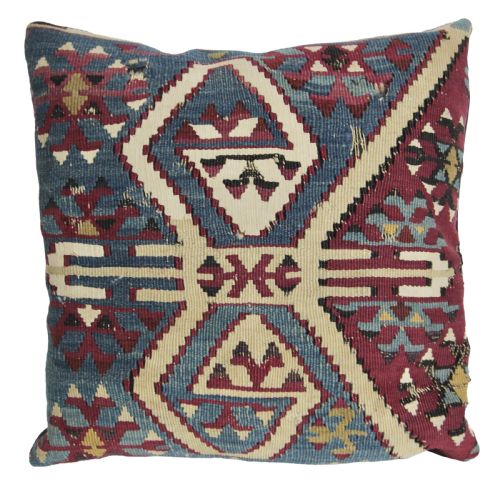
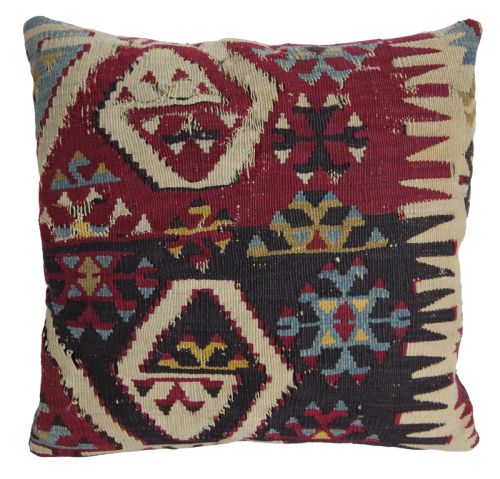


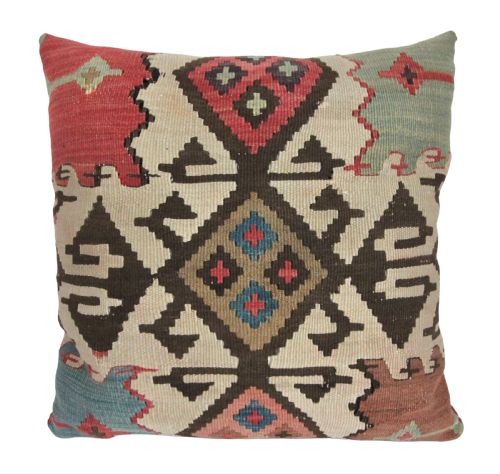
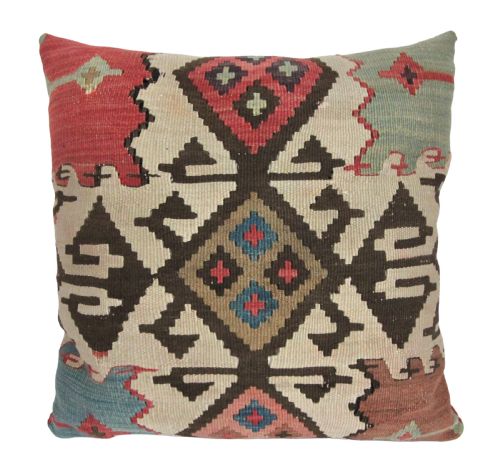


Patterned Wool Scatter Cushion
These patterned wool scatter cushions bring rich texture and nomadic craft directly into modern rooms through authentic vintage flatweaves.
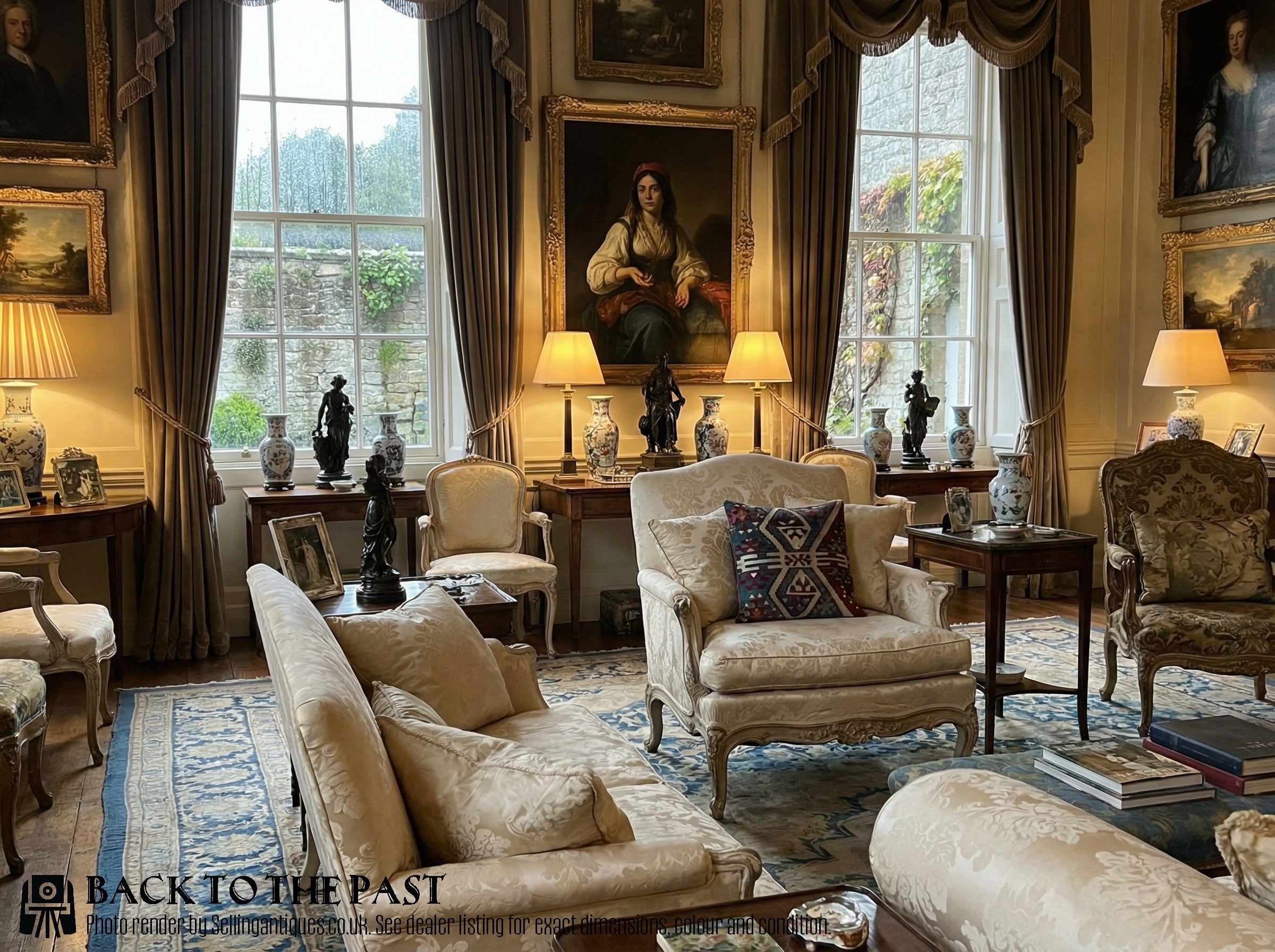
Patterned Wool Scatter Cushion
A patterned wool scatter cushion transforms historic textiles into accessible home accessories. Buyers searching for a patterned wool scatter cushion frequently encounter pieces repurposed from older floor coverings and utilitarian bags. These decorative items bring warmth and heritage patterns into contemporary spaces.
The selections available here draw primarily from Anatolian traditions. Pieces span the mid-nineteenth century through to the early twentieth century, incorporating traditional nomadic designs into standard cushion formats. Each item uses textiles created long before their conversion into scatter cushions.
Forms range from standard throw cushions to paired carpet cushions and hand-woven bag face variants. Buyers will find that antique kilim cushions dominate the available styles. These distinct formats preserve tribal artistry within everyday household items.
How they were made
Makers constructed these textiles predominantly from natural wool yarns, often combined with cotton for structural support. Artisans wove the flatweave surfaces by hand using traditional looms before repurposing the fragments into cushions. This construction method ensures durable panels capable of enduring daily household use.
The decorative surfaces rely on tribal and nomadic weaving techniques native to Anatolia. Artisans utilised dyed wool to create geometric and traditional motifs unique to specific weaving groups. These time-tested methods result in robust fabrics that retain their structural integrity across generations.
Nomadic weavers often encoded personal tribal histories into the wool patterns, meaning your cushion might carry a secret family recipe in geometric code.
What varies in quality
Quality in these cushions rests upon the integrity of the original textile and the skill of the hand-weaving. Superior examples display tightly packed wool foundations and clear, well-preserved tribal motifs that reflect genuine nomadic artistry. The condition of the weave and the depth of the wool pile directly influence the character of each cushion.
Another aspect of quality involves the execution of the conversion into a cushion format. Finer pieces demonstrate careful alignment of the patterned face and sympathetic stitching that respects the historic fabric. The choice of backing material and the overall symmetry also distinguish superior examples from simpler ones.
The Patterned Wool Scatter Cushion Glossary
- Kilim
- A flat-woven carpet or rug made without a pile, frequently utilised to create scatter cushions. These textiles rely on horizontal and vertical weaving to form geometric patterns.
- Bag face
- The decorative front panel of a nomadic storage bag, often removed and transformed into a cushion. These panels typically display dense, authentic tribal iconography.
- Anatolian
- Pertaining to the historic region of Anatolia, encompassing modern-day Turkey. This area has a rich heritage of traditional tribal and nomadic weaving.
- Scatter cushion
- A small, loose cushion used for decoration or added comfort on seating furniture. In this context, the format serves to showcase historic woven textiles.
Patterned Wool Scatter Cushion: Frequently Asked Questions
What is a patterned wool scatter cushion?
These pieces are decorative soft furnishings created by repurposing antique flat-woven textiles, such as kilims and bag faces. They bring historical patterns into modern interiors while utilising durable natural materials.
Most examples originate from nineteenth and early twentieth-century Anatolian traditions. They combine traditional nomadic craftsmanship with the practical format of a household throw cushion.
How do I style a patterned wool scatter cushion?
You can place these cushions on sofas, armchairs, or beds to introduce texture and heritage design. Their strong geometric motifs work well alongside neutral upholstery and natural wood finishes.
Pairing matching vintage carpet cushions creates a balanced look on larger seating arrangements. Mixing different tribal patterns adds visual depth to a room without overwhelming the space.
Are these cushions made from antique textiles?
Yes, the materials used for the decorative faces originate from older handmade rugs, kilims, and tribal bags. These historic fragments date from the mid-nineteenth century up to the early twentieth century.
Artisans repurpose these authentic woven pieces into cushion formats to preserve the textile art. This process gives historic materials a functional second life in the home.
How do I care for a wool scatter cushion?
Wool and cotton textiles require gentle maintenance to preserve the natural fibres and dyes. Regular light vacuuming with a low suction attachment helps remove surface dust from the weave.
For deeper cleaning, professional specialist textile cleaning is recommended rather than domestic washing. Keeping the cushion out of direct sunlight prevents the natural dyed wools from fading over time.